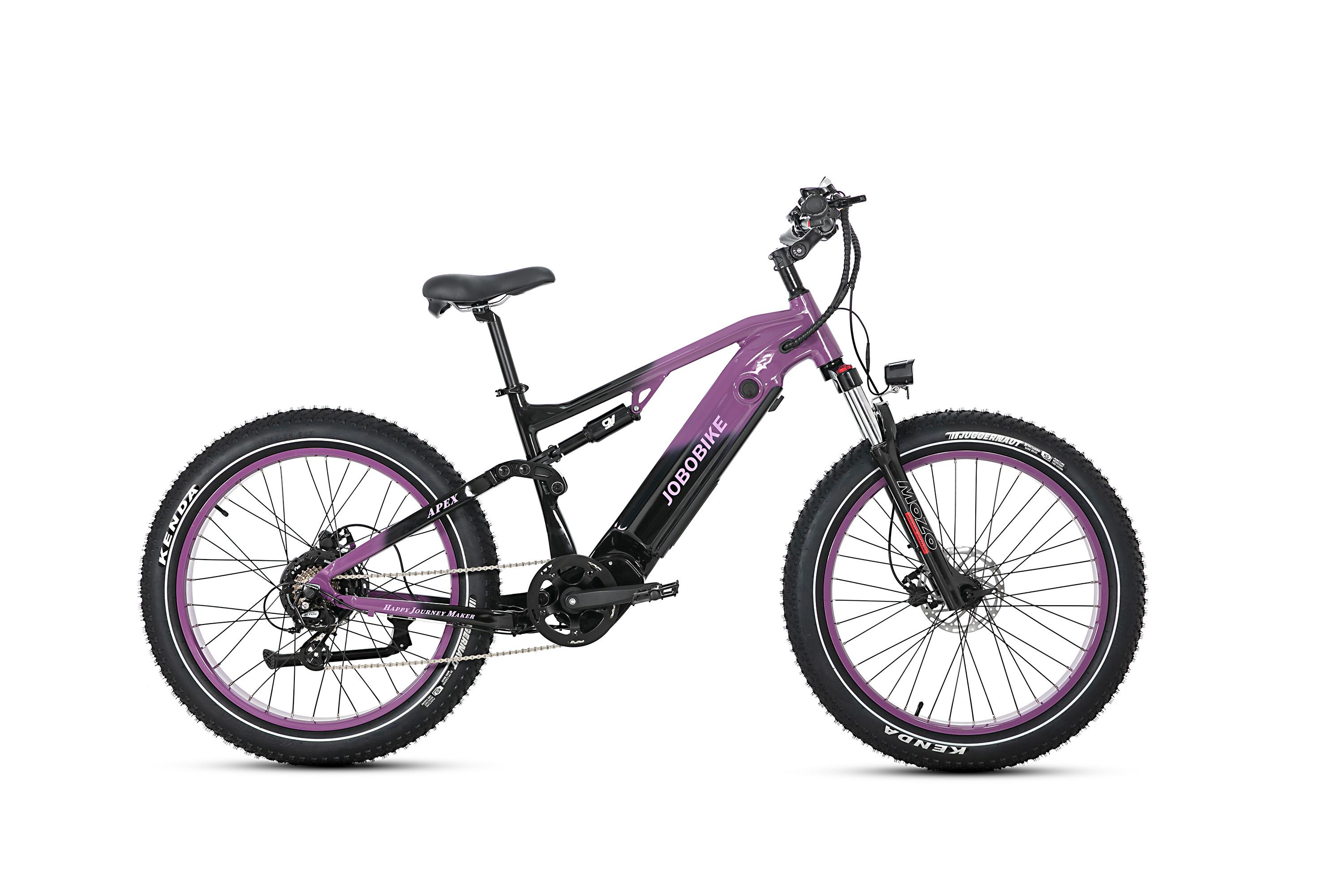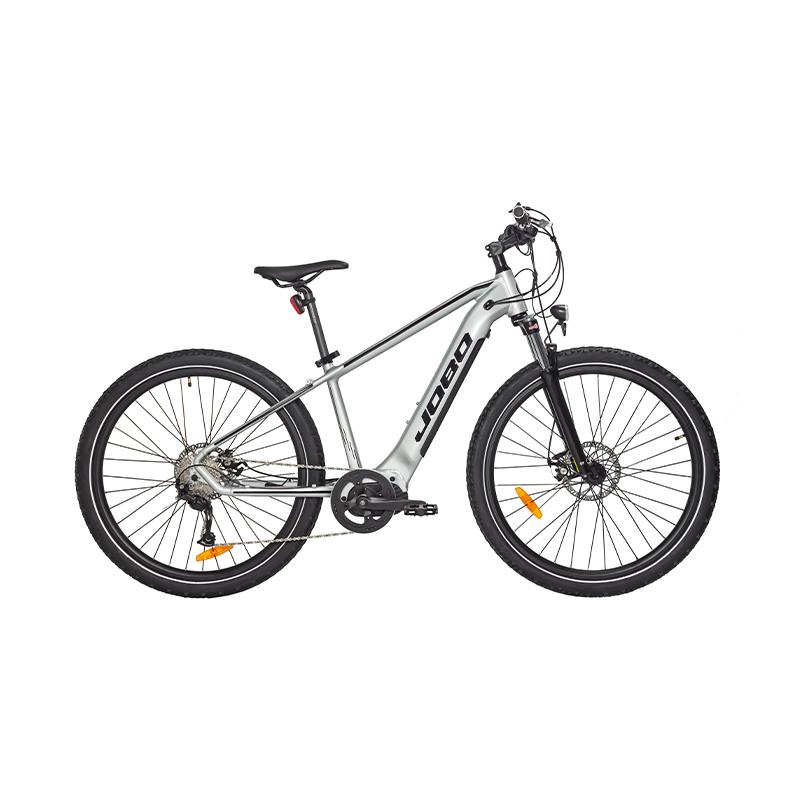
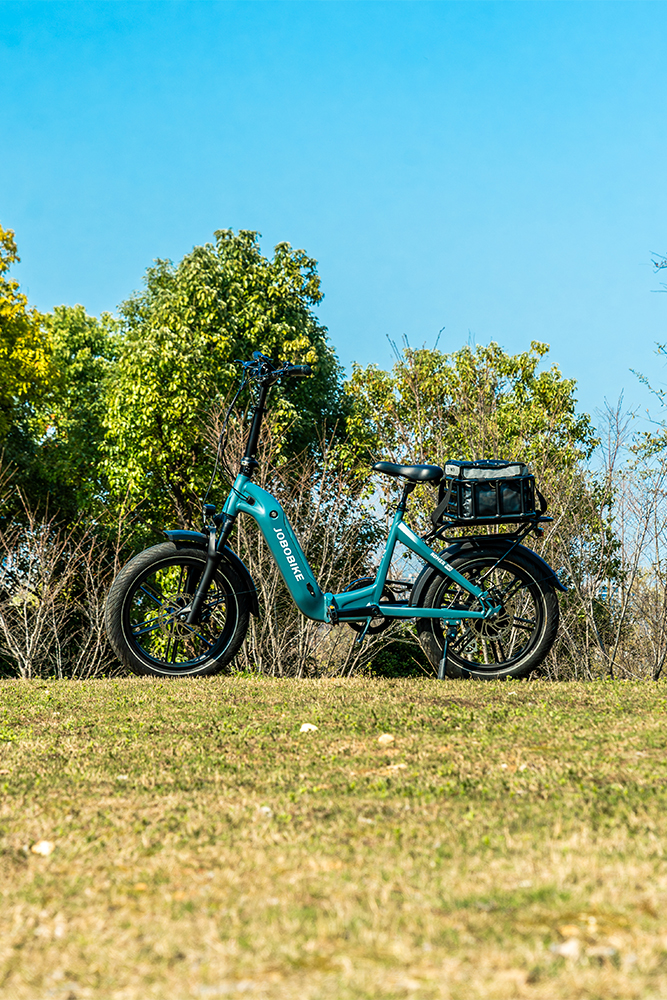
What Distinguished a High Torque City E-Bike for Urban Riders
Why Torque Matters in City Mobility
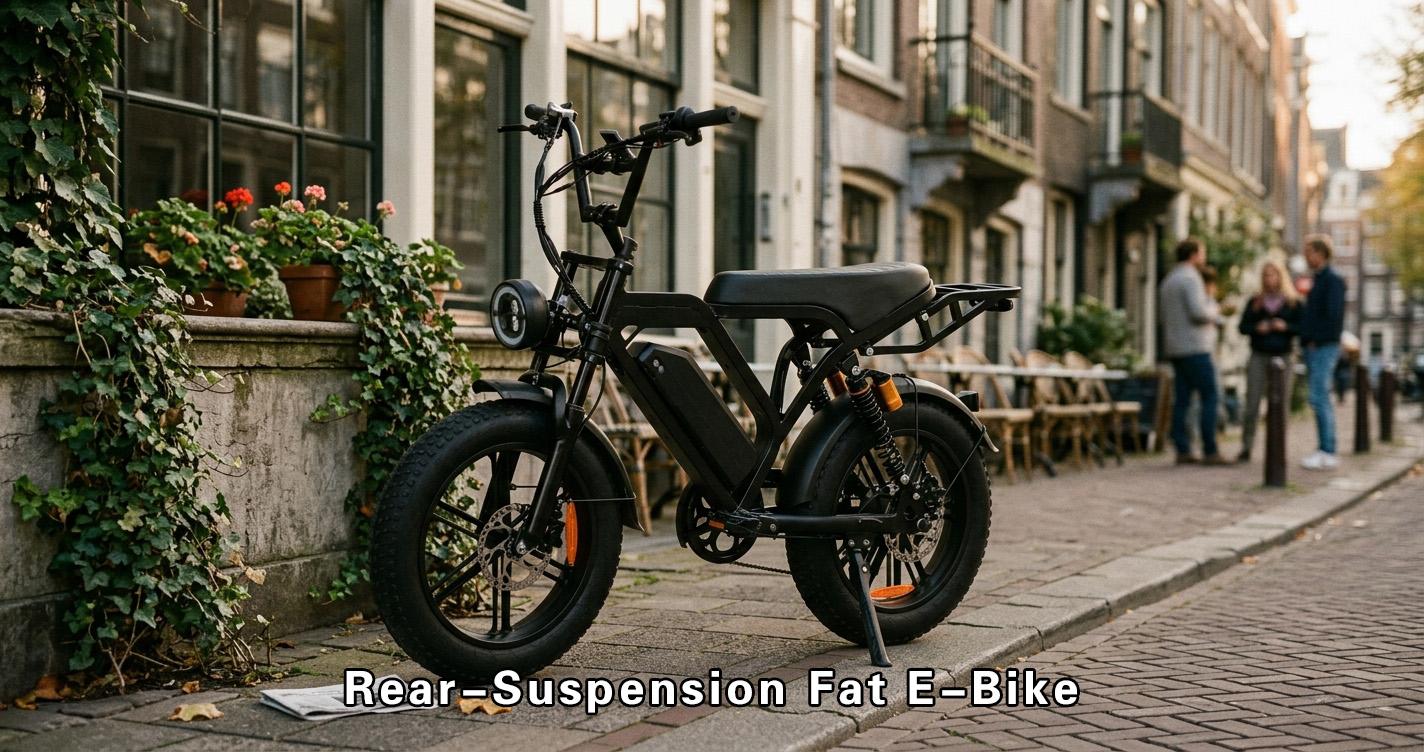
In urban environments where stop-and-go traffic, steep ramps, and heavy commuting loads are common, a high torque city e-bike stands out. Unlike basic commuter models with modest support, high-torque bikes deliver stronger acceleration from a stand-still, better handling of inclines, and improved ride feel when carrying cargo or riding two-up. Technical sources note that higher torque directly improves acceleration, climbing ability and load-carrying capacity.
For brands and OEMs targeting city-focused markets, embedding higher torque capability is a differentiator.
Engineering Highlights for a High Torque City E-Bike
Designing a high torque city e-bike means several components must be engineered beyond standard specs:
-
Motor & torque output: While many city e-bikes deliver 35-50 Nm, models intended for heavier use or steeper terrain should aim for 60-80 Nm or higher.
-
Drivetrain and gear ratio: To exploit high torque, gearing needs to match the motor output so the rider doesn’t “bog down” in traffic or carrying loads.
-
Frame structure: Reinforced bottom bracket, stiffer rear triangle, and stronger welds accommodate higher forces without compromising comfort.
-
Brakes & control: With higher torque comes higher acceleration-capability; hydraulic disc brakes and responsive controllers are advisable.
-
Thermal and battery integration: High torque motors impose greater stress; proper heat management and battery capacity are needed so range isn’t unduly compromised.
At JOBO ebike, our urban high-torque models integrate these aspects—delivering both ride performance and scalable manufacturing for OEM clients.
High Torque City E-Bike vs Standard Urban E-Bike
| Feature | High Torque City E-Bike | Standard City E-Bike |
|---|---|---|
| Torque Output | 60-80+ Nm | 35-50 Nm |
| Urban Performance | Fast launches, steeper ramps, heavier loads | Adequate for flat terrain and light load |
| Ideal Use Cases | Cargo/commuter hybrid, shared fleets, hilly cities | Daily commuting, flat terrain, low load |
| Key Components | Stronger frame, stronger brakes, bigger motor, higher capacity battery | Standard commuter frame, lighter motor/battery |
This table shows why a high torque city e-bike is particularly suited for demanding urban scenarios and B2B applications (fleet, rental, brand OEM) rather than simply consumer commuting.
Application Scenarios for Brands and Fleet Operators
-
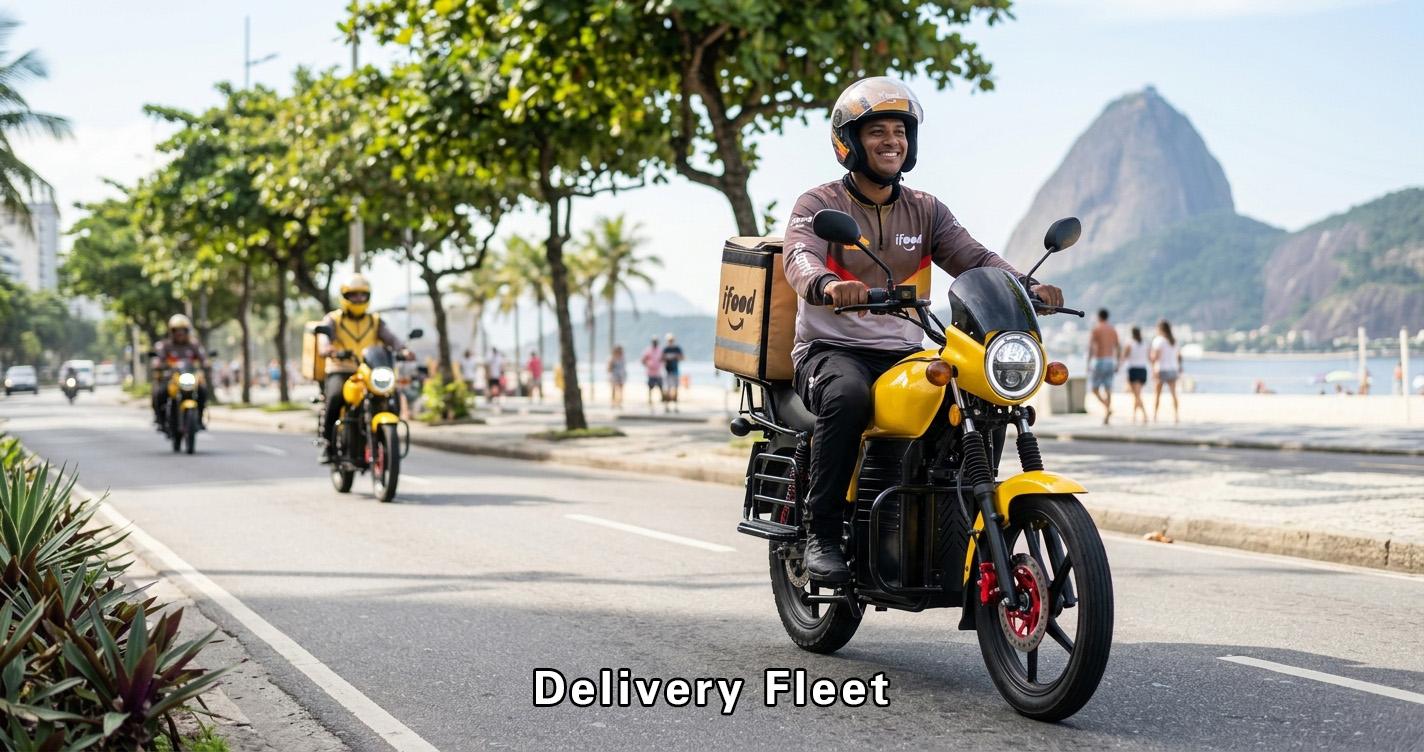
City courier or light-cargo usage: Riders transporting parcels, meals or documents will benefit from rapid acceleration and strong pull when picking up stops. A high-torque city e-bike handles these loads better.
-
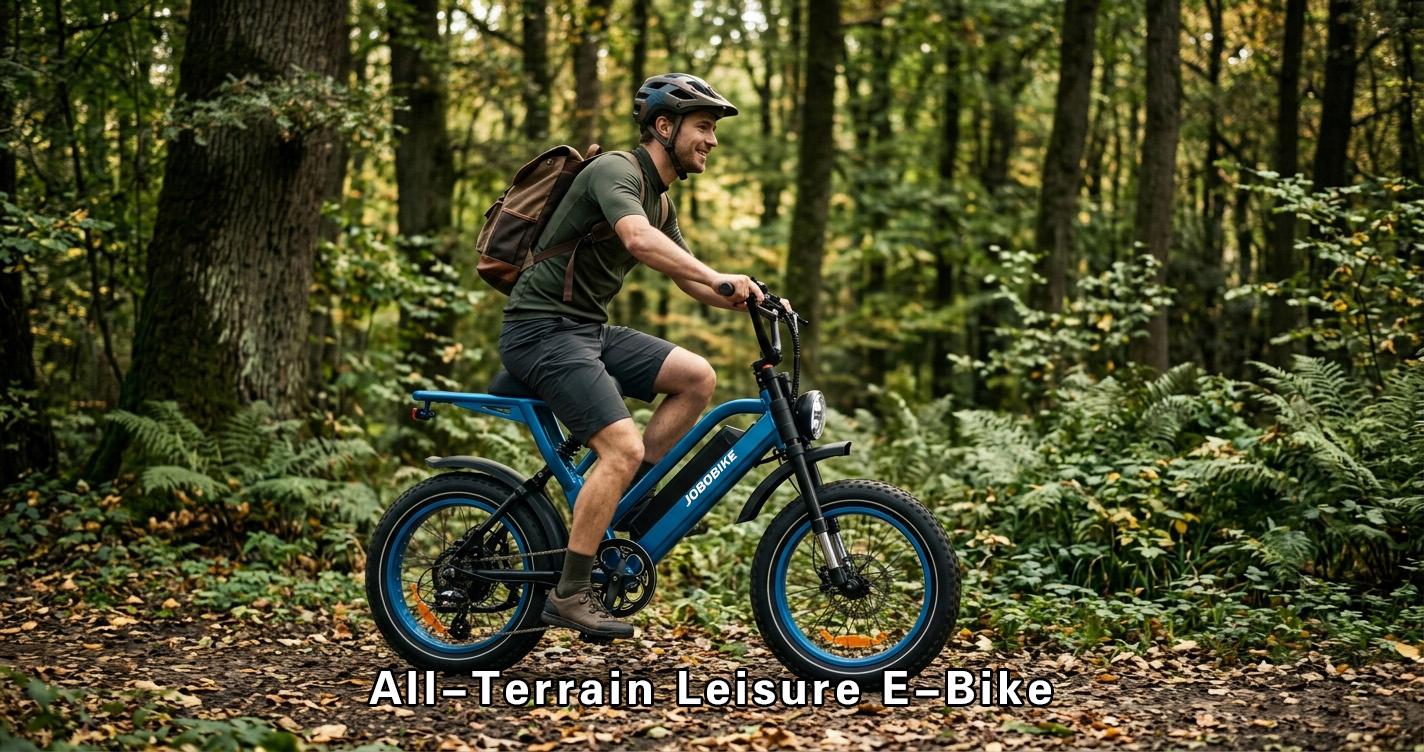
Hilly urban environments: Cities with many ramps, overpasses or tunnels benefit when bikes can maintain momentum and climb without excessive rider fatigue.
-
Shared-mobility and fleet deployment: Higher torque means fewer complaints about sluggish starts, better ride experience for users, and potential for wider user demographic (heavier riders or those with cargo).
-
Branding-upgraded consumer models: Some premium urban bike brands want a “sporty” city version — high torque becomes a selling feature for premium OEM lines.
What OEM Buyers Should Check Before Procuring High Torque Urban Models
| Common Issue | Why It Matters | Recommendation |
|---|---|---|
| Motor rated torque less than claimed | Real-world starts and hill performance suffer | Ask for measured Nm ratings and independent test data |
| Frame not reinforced for higher loads | May lead to premature fatigue or safety issues | Require structural test reports and weld inspection |
| Battery capacity too small to match torque demands | High torque draws more current → shorter range | Ensure battery specs support intended use case |
| Brakes inadequate for higher acceleration | Safety is compromised if deceleration can't match acceleration | Look for hydraulic discs, strong rotors, and responsive brake actuation |
| Maintenance cost high due to premium components | Fleet or OEM clients care about total cost of ownership | Choose modular systems and accessible service parts |
| Certification lacking | For B2B supply you must meet regional safety/compliance standards | Verify CE/EN or other local certifications before signing |
Frequently Asked Questions
Q1: How much torque is enough for a city e-bike?
For typical flat city terrain, 35-50 Nm may suffice, but for heavier loads or hills, aim for 60-80 Nm or more.
Q2: Does higher torque hurt battery life?
Not necessarily. When well engineered, higher torque means the motor works more efficiently under load-stress, possibly leading to better real-world performance.
Q3: Can you retrofit a city bike to high torque?
While upgrades are possible, the frame, drivetrain and braking must all match the increased forces. For OEMs it’s usually better to source a purpose-designed high-torque platform.
Elevating Urban Mobility with Torque
In the evolving urban mobility space, a high torque city e-bike offers brands and fleet operators a competitive edge—enabling smoother starts, greater load capacity, and enhanced user experience. At JOBO ebike, we specialise in delivering urban performance-platforms with high torque capability, reliable manufacturing, and OEM scalability.
For partnership enquiries or to explore detailed engineering specifications, visit our homepage or get in touch via our contact page.