From Peaks to Pavement: OEM All-Terrain E-Bikes Engineered for Every Challenge
According to Fortune Business Insights, the global e-bike market is projected to reach $119 billion by 2030, with the all-terrain segment growing fastest due to its dual-purpose appeal—serving both recreational riders and commercial operators in varied environments.
But “all-terrain” is often misunderstood. Many bikes marketed this way are simply commuter models with wider tires, lacking the structural integrity, component quality, and compliance needed for heavy off-road and mixed-use demands.
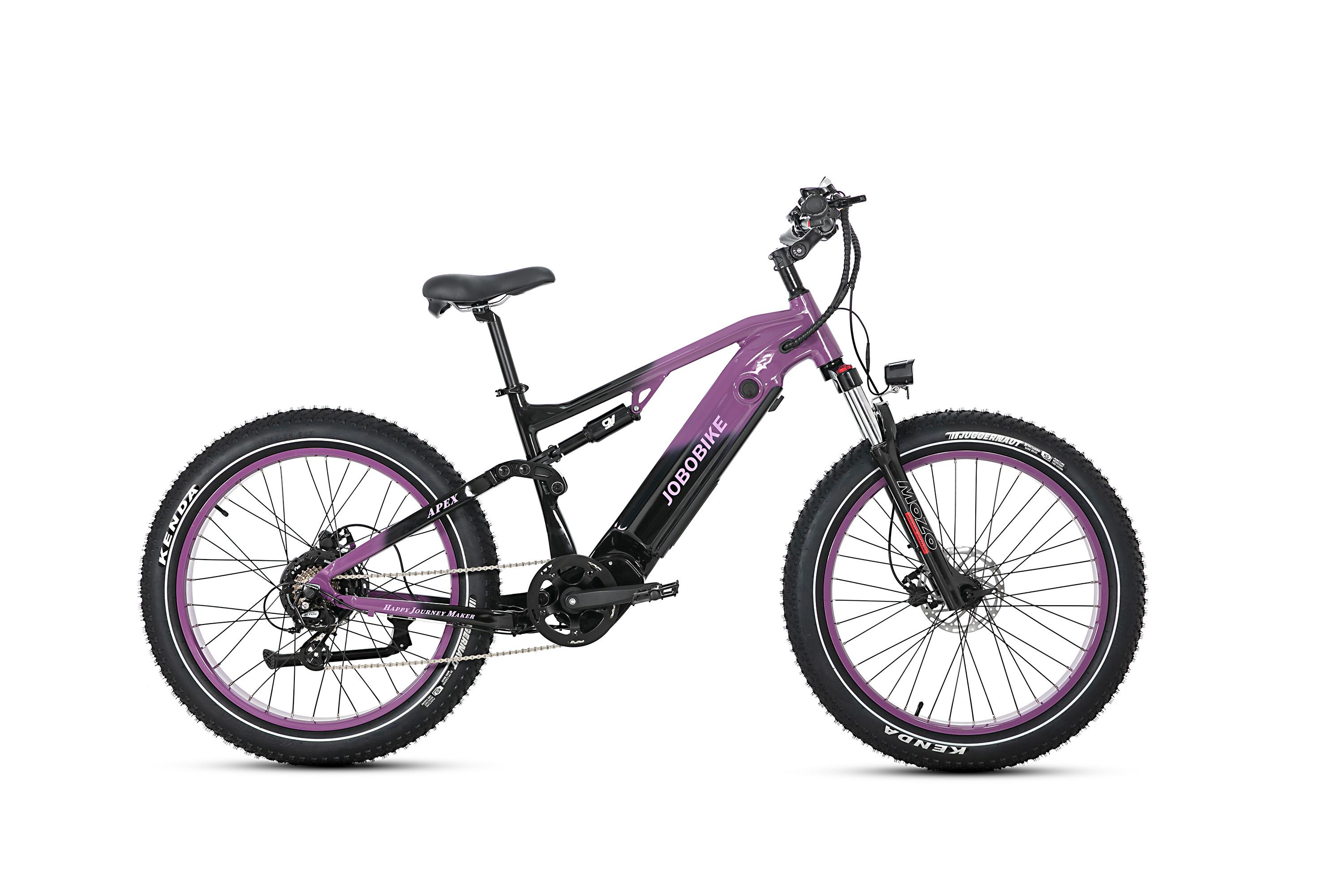
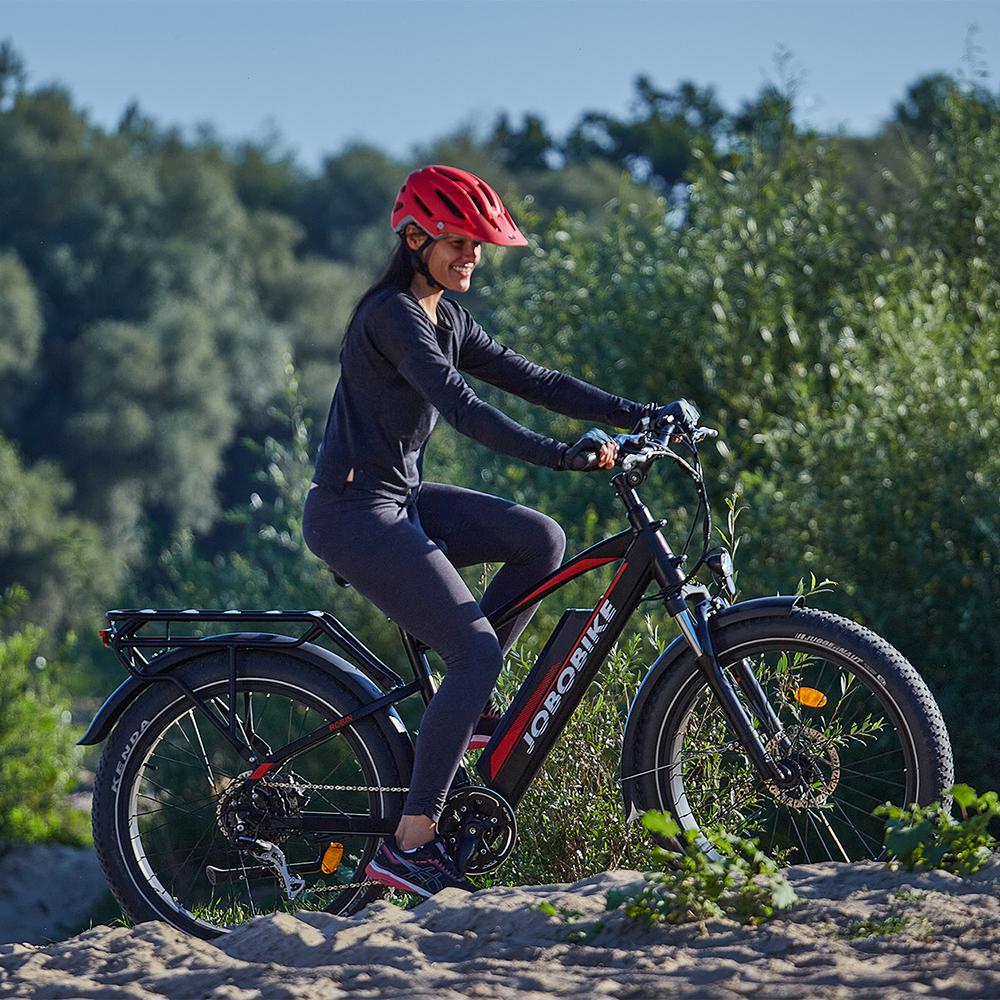
As a rugged e-bike OEM supplier and EN15194 certified all-terrain e-bike manufacturer, Jobo engineers its models to handle rocky mountain paths, gravel farm tracks, and urban cobblestones—without compromise.
Real Pain Points in All-Terrain E-Bike Use
1. Frame Fatigue and Component Wear
Pain Point: Mixed terrain causes uneven stress, leading to cracked welds, warped rims, or drivetrain failure.
Solution: Hydroformed aluminum or carbon frames with reinforced weld zones, heavy-duty wheelsets, and sealed bearings to extend service life.
2. Rider Comfort on Rough Surfaces
Pain Point: Poor suspension design causes fatigue on long rides, reducing usability for both consumers and commercial fleets.
Solution: OEM dual-suspension systems with adjustable travel, ergonomic geometry, and vibration-dampening grips to reduce rider strain.
3. Range Anxiety on Demanding Routes
Pain Point: Steep gradients and loose surfaces drain batteries faster, limiting route options.
Solution: High-capacity lithium-ion packs up to 1,200 Wh, with optional dual-battery configurations providing 100–120 km of range.
4. Market Limitations from Over-Specialization
Pain Point: Bikes built only for trails miss urban and fleet-use opportunities.
Solution: OEM tuning for multi-surface performance—one SKU adaptable for recreational retail, rental fleets, and municipal programs.
Where All-Terrain OEM E-Bikes Create Market Value
-
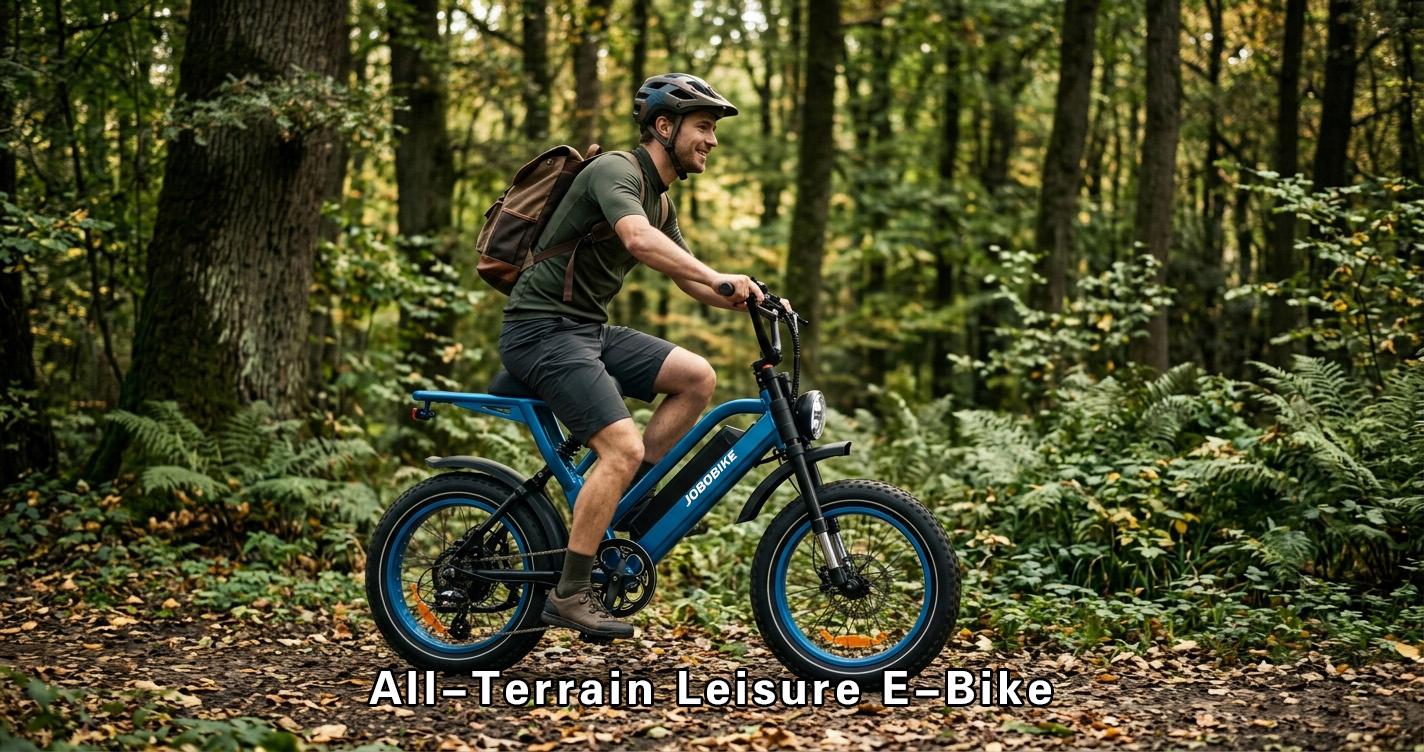
Adventure Tourism – Mountain and trail e-bike OEM designs for guided tours and rentals.
-
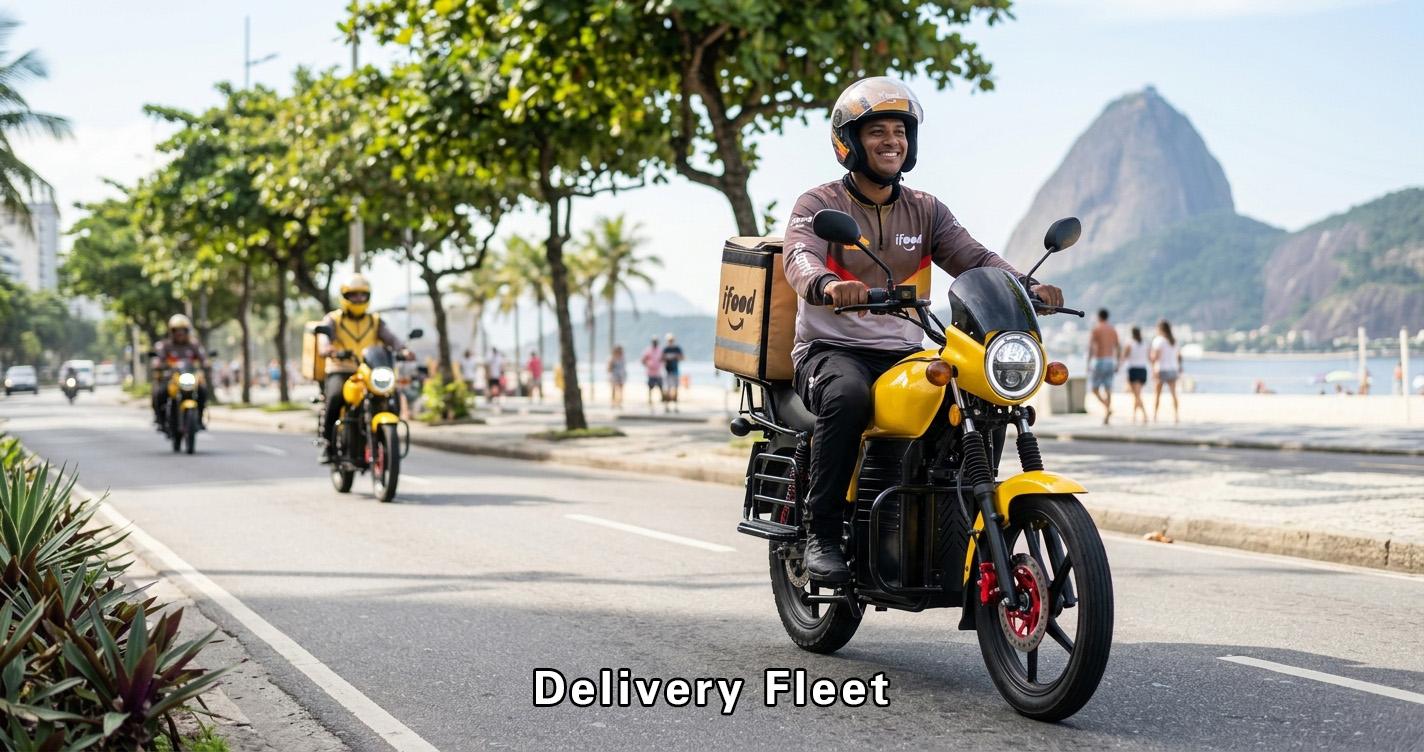
Rural Mobility – Commercial outdoor e-bike fleets for deliveries or services beyond paved roads.
-
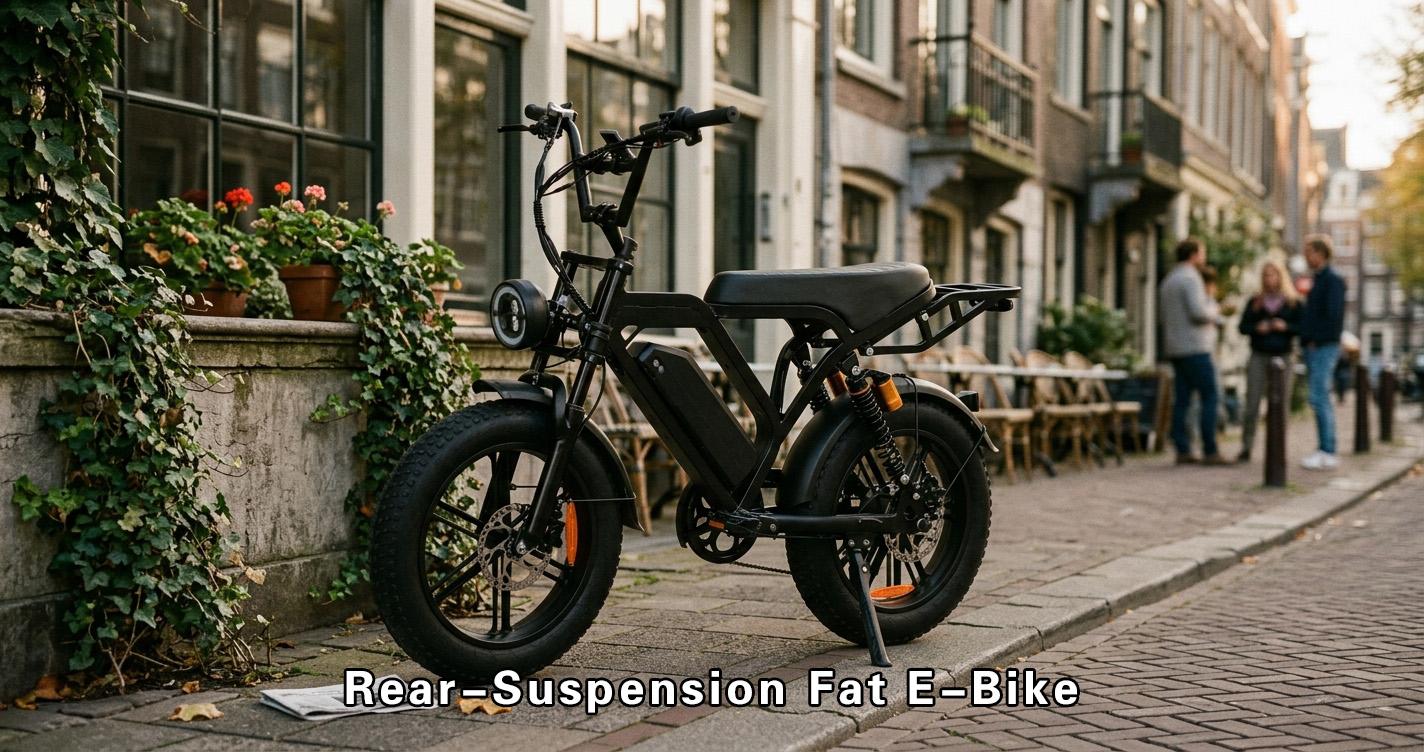
Urban Commuters in Mixed Terrain Cities – Riders navigating cobblestones, dirt paths, and asphalt daily.
-
Public Sector Projects – Municipal mobility initiatives in suburban and semi-rural regions.
Jobo’s OEM Capabilities for All-Terrain Models
-
Frame Customization – Geometry, materials, and finishes matched to brand identity.
-
Component Integration – Mid-drive motors, torque sensors, and drivetrain spec options from Shimano, Bosch, or Bafang.
-
Fleet-Ready Durability – Reinforced cargo mounts and weatherproofing for commercial operators.
-
EU-Based Assembly – Faster lead times, simplified logistics, and lower transport emissions.
-
Global Compliance Support – EN15194 as standard, with adaptations for North America, Australia, and Asia.
Strategic Recommendations for Launching an All-Terrain Product Line
-
Validate Across Use Cases – Test in mountain, gravel, and urban settings before committing to production.
-
Bundle Accessories – Racks, panniers, and lighting kits to expand versatility.
-
Market Through Experience – Partner with outdoor adventure brands for co-marketing and demos.
-
Target Fleet and Consumer Channels – Position the same core platform to appeal to both B2B and B2C buyers.
The Bottom Line: One Bike, Multiple Markets
An all-terrain electric bike OEM partnership with Jobo means more than supplying a product—it’s about delivering a platform adaptable to adventure, commuting, and commercial operations, backed by certified quality and market readiness.
Next Steps:
-
Explore our OEM all-terrain e-bike solutions
-
Contact our team to start your multi-market product strategy
With Jobo, every path—from the mountain pass to the city street—leads to growth