Safer, Smarter, and Built for Fun: Jobo’s OEM Electric Bikes for Children
The children’s electric bike market is growing rapidly in Europe, fueled by rising interest in active lifestyles, eco-friendly mobility, and safe, car-free commuting for young riders. Unlike scaled-down versions of adult bikes, kids’ e-bikes need unique design considerations—from motor output to stability and weight balance.
As a trusted OEM electric bike manufacturer for children, Jobo develops models that meet EU safety regulations, appeal to young riders, and deliver peace of mind to parents and institutions.
Key Design Challenges for Children’s Electric Bikes
1. Safety & Compliance
Children’s e-bikes must be speed-limited, have stable geometry, and meet EN15194 and relevant child transport safety standards. Any oversight risks regulatory issues and safety incidents.
2. Age-Appropriate Performance
Younger riders need low-assist levels and predictable acceleration, while older children may require slightly higher torque for varied terrain.
3. Lightweight & Durable Construction
Frames must be light enough for easy handling, yet strong enough to withstand drops, bumps, and frequent use.
4. Long-Term Comfort & Usability
Ergonomic handlebar reach, low step-through frames, and child-sized components keep riding enjoyable and confidence-building.
How Jobo Engineers Children’s OEM E-Bikes
-
Speed-limited motors (commonly 15–20 km/h) to ensure safety and legal compliance
-
Scaled geometry for height and reach appropriate to different age brackets
-
Lightweight aluminum frames for easy control without sacrificing strength
-
Integrated safety features like chain guards, non-slip pedals, and LED lighting
-
Custom branding options so OEM partners can launch under their own label
Each model is tested to EN15194 standards and subjected to additional in-house stability and durability checks.
Where Children’s E-Bikes Find Their Place
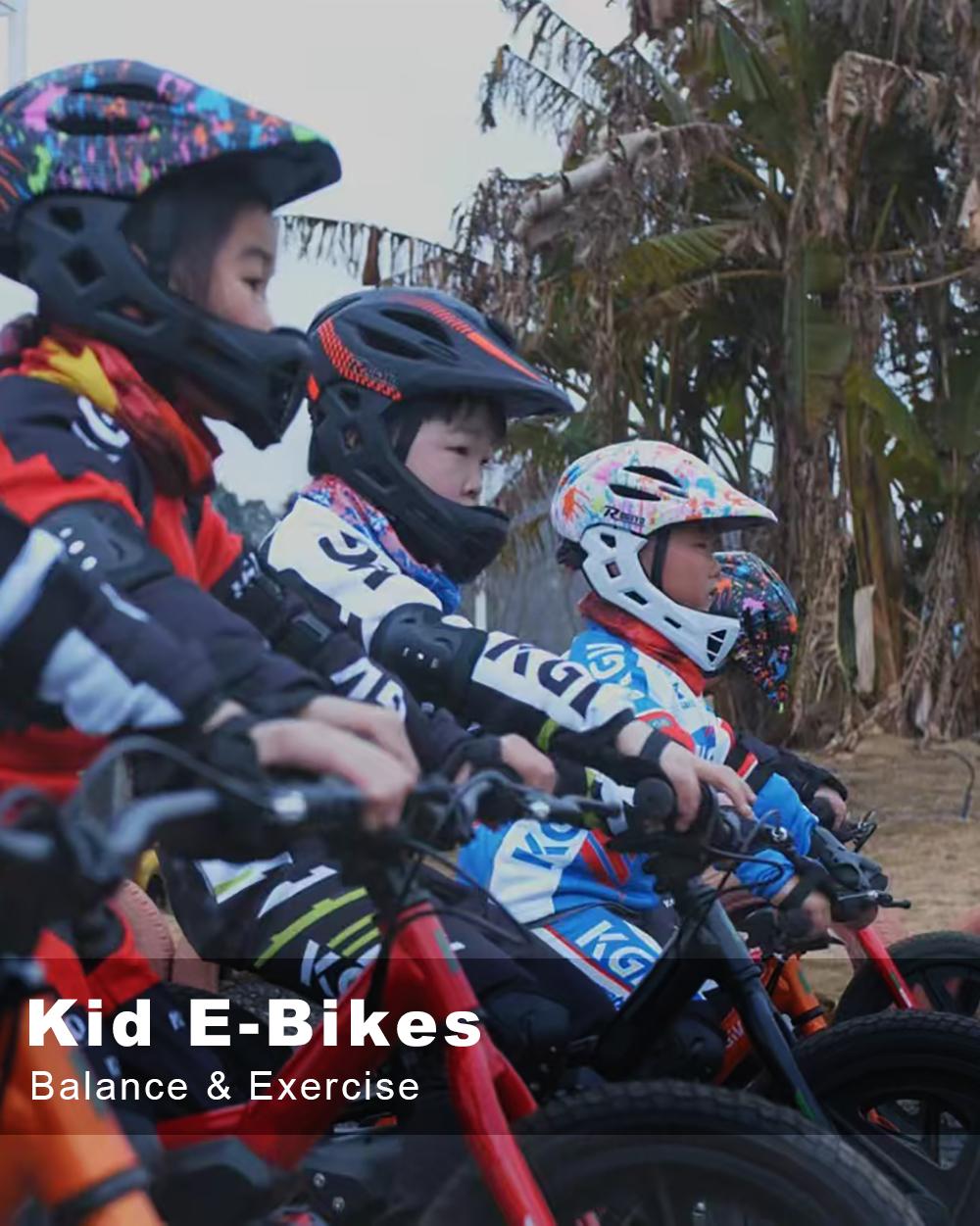
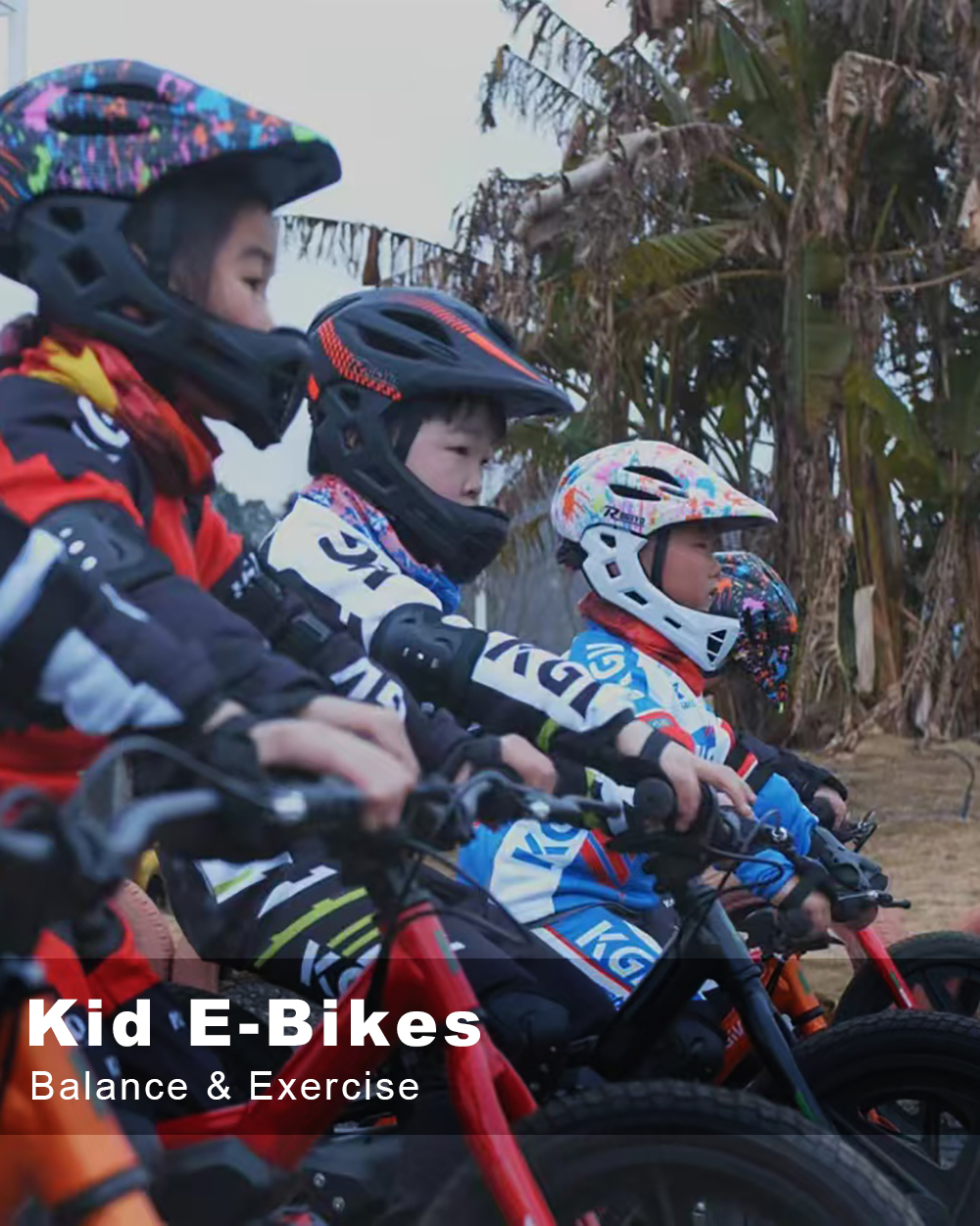
Jobo’s OEM electric bikes for children are designed with versatility in mind—they’re just as at home in a family’s daily routine as they are in organized programs or commercial offerings.
-
Everyday Family Mobility
For parents replacing short car trips, our lightweight, stable children’s e-bikes make school runs and after-school activities faster, safer, and more enjoyable. Adjustable assist levels allow kids to gain confidence while keeping pace with adult riders on Jobo City Bikes or Cargo Bikes. -
Recreational & Leisure Use
In parks, neighborhoods, and holiday destinations, these bikes offer a safe way for children to explore. Resorts and tourism operators often integrate our OEM children’s models into rental fleets, ensuring visiting families have inclusive riding options. -
Educational & Skill Development Programs
Schools and youth cycling clubs use our standardized OEM models for group rides and safety training. Identical builds make fleet management simple, while consistent performance ensures a fair learning experience for all participants. -
Community & Public Initiatives
Municipal programs promoting sustainable transport for young residents benefit from our EN15194-certified designs, which meet safety requirements while supporting local branding and messaging.
In each scenario, Jobo’s role as an OEM partner ensures that the bike’s specifications, branding, and accessories align with the unique goals of the retailer, program organizer, or institution deploying them.
Recommendations for Launching a Kids’ E-Bike Product Line
-
Lead with Safety Messaging – Parents make decisions based on trust; highlight certifications and safety features prominently.
-
Offer Multiple Sizes – Covering a range of ages widens your market without overcomplicating production.
-
Bundle Accessories – Helmets, bells, and reflective gear add value and safety.
-
Plan Service Access – EU-based assembly and parts warehousing reduce downtime and warranty friction.
Frequently Asked Questions
Q: Can I customize the design for my own kids’ e-bike brand?
Yes, we offer full OEM customization including frame colors, logos, and accessories.
Q: What’s the typical range for a children’s e-bike?
Most models offer 20–40 km per charge—more than enough for daily use.
Q: Do you offer helmets or safety gear as part of OEM orders?
Yes, we can include safety kits with your batch order.
Why Jobo for Children’s OEM E-Bikes
With growing demand for safe, engaging, and compliant electric bikes for children, Jobo stands out as a manufacturer that combines technical expertise with EU-based logistics and scalable production. Whether your focus is retail sales or structured programs, our OEM service ensures your brand delivers bikes kids love—and parents trust.
-
Explore our OEM product capabilities
-
Contact our team to start developing your children’s e-bike line