Shared electric bikes are transforming the way people move through cities, tourist destinations, and large public spaces. By combining electric bicycles with robust IoT (Internet of Things) digital infrastructure, shared e-bike systems provide a convenient, zero-emission transportation solution for short-distance travel.
According to recent industry forecasts, the global micromobility market is projected to surpass $10 billion by 2030, driven largely by the massive adoption of shared e-bike fleets. Unlike personal electric bikes, shared electric bikes are industrial-grade vehicles. A single shared e-bike might experience 5 to 10 trips per day, requiring it to be exceptionally durable, easy to operate, and highly connected.
This article explains how modern shared electric bike systems work, real-world use cases, and the specific engineering choices that make them profitable and reliable for operators.
Key Takeaways
Before diving into the engineering and operational details, here are the core facts about shared electric bike systems
- Built for Survival: Shared e-bikes weigh significantly more than personal e-bikes (often 30-40 kg) due to heavily reinforced frames and puncture-proof tires.
- IoT Connected: These fleets rely on connectivity, GPS tracking, and Geofencing technology to manage distribution and prevent theft
- Swappable Battery Tech: Fleet operators maximize uptime by using high-cycle, field-swappable batteries rather than taking bikes off the street to charge.
- B2B Manufacturing: Fleet success heavily relies on OEM/ODM manufacturers who provide scalable, customized hardware integrated with smart software.

How Shared Electric Bike Systems Work
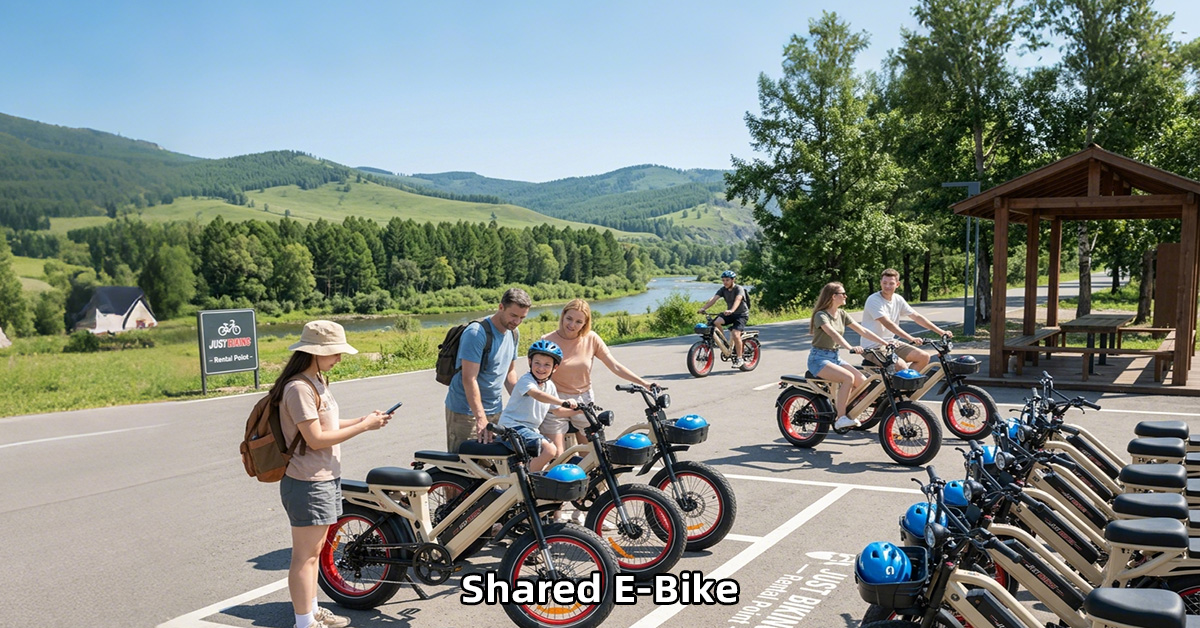
A shared electric bike system is a seamless integration of physical hardware and cloud-based software. Users locate and unlock bikes via a smartphone app, ride to their location, and park within an approved geographic zone. A modern ecosystem relies on four technological pillars:
1. The Heavy-Duty E-Bike Hardware
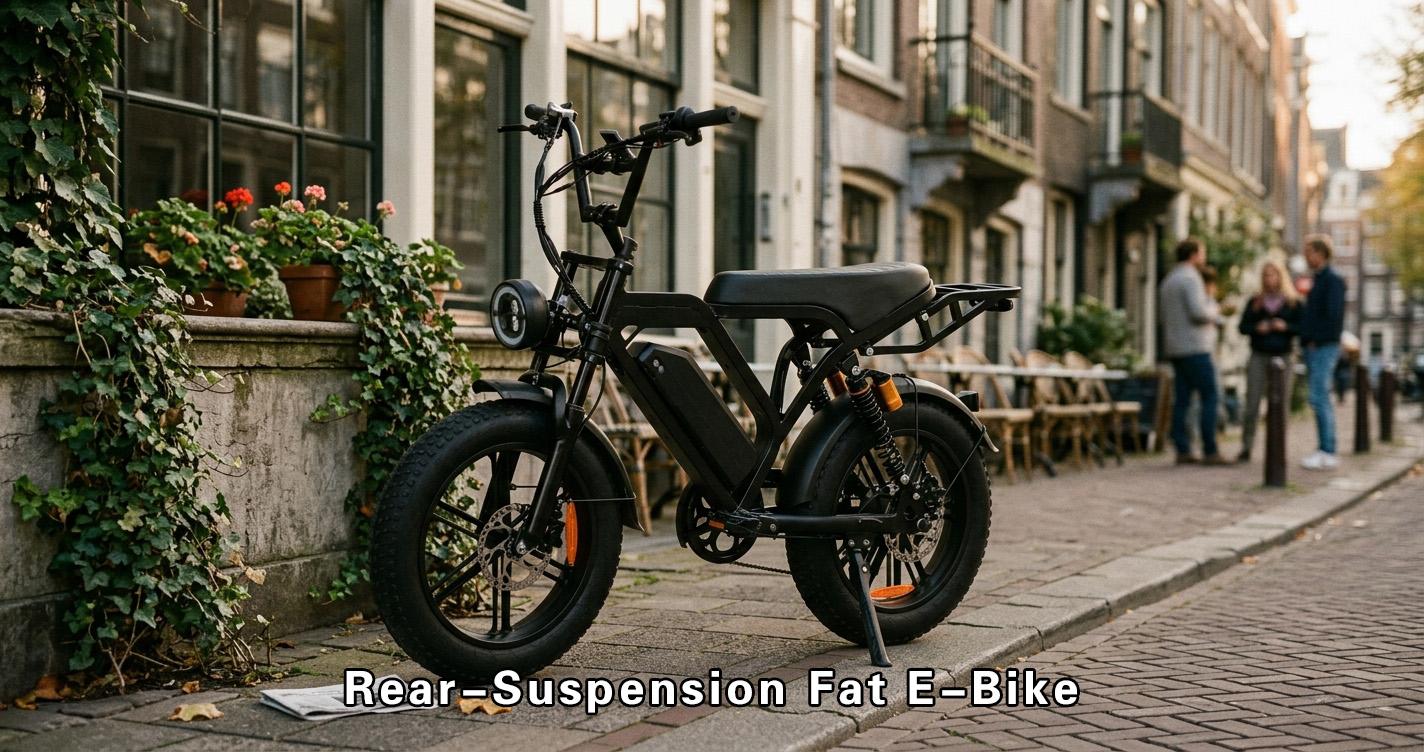
Designed specifically for shared use, these bikes prioritize durability and vandal resistance over lightweight aesthetics. Cables are fully integrated into the frame, and moving parts are minimized to reduce maintenance.
2. IoT Smart Locks and Cellular Connectivity
Most shared electric bikes feature an integrated IoT smart lock. Instead of physical keys, riders scan a QR code. The bike’s built-in IoT module uses LTE networks to communicate with the cloud server in milliseconds, verifying payment and unlocking the motor and physical wheel lock simultaneously.
3. GPS Tracking and Geofencing
To maintain order, operators use GPS modules to create Geofences—virtual boundaries mapped over physical streets. If a user attempts to park outside the geofence or enter a “No-Ride Zone,” the motor will gradually power down, and the app will prevent them from ending the rental until the bike is moved to a legal parking spot.
4. Cloud Fleet Management Platforms
Operators use centralized dashboards via APIs to track real-time battery levels, pinpoint broken vehicles, and deploy maintenance teams (often called “juicers” or mechanics) to swap batteries and rebalance fleet distribution.

Where Shared Electric Bikes Are Successfully Deployed
Shared e-bikes have moved beyond experimental phases and are now permanent fixtures in diverse environments globally.
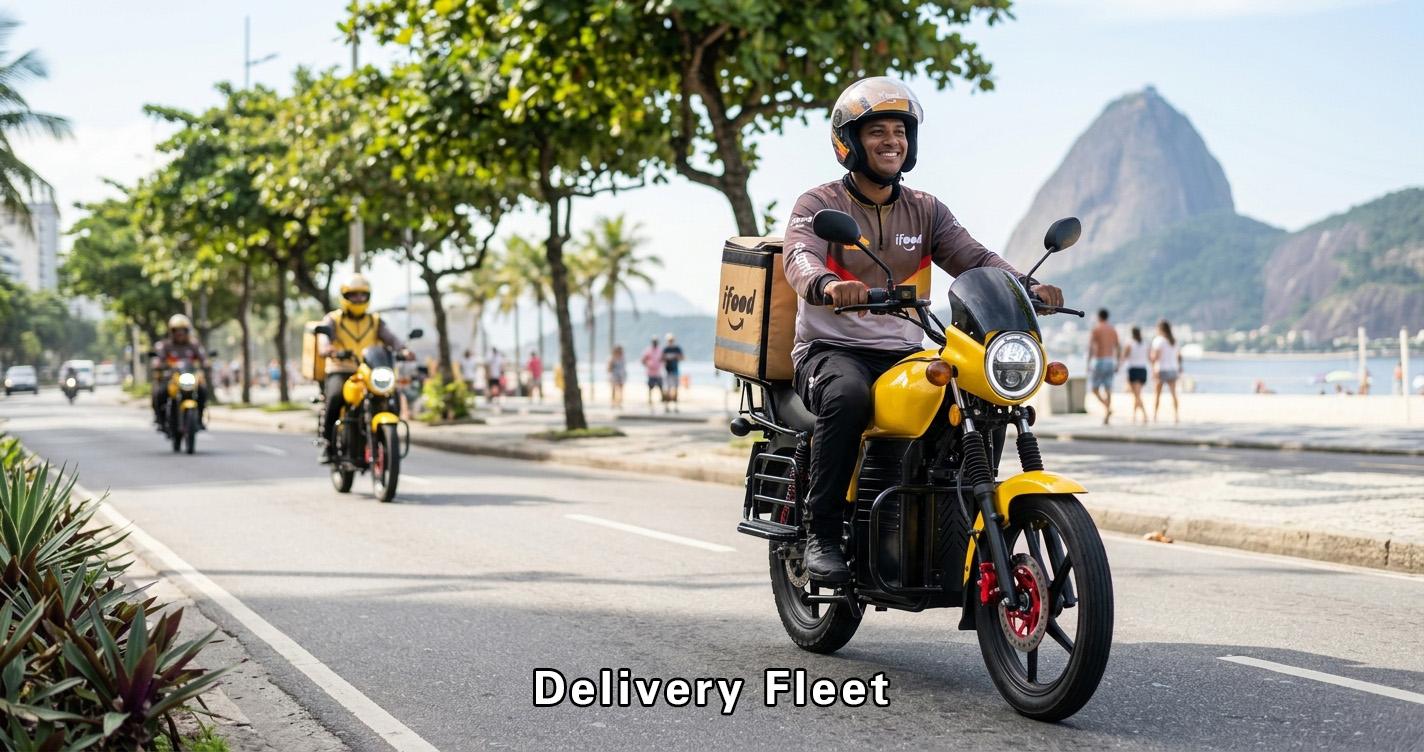
- Urban Last-Mile Mobility: Cities like Paris, New York, and London have integrated brands like Lime, Tier, and Bird into their public transit strategies. Shared e-bikes bridge the “last-mile” gap between subway stations and residential areas, significantly reducing car traffic.
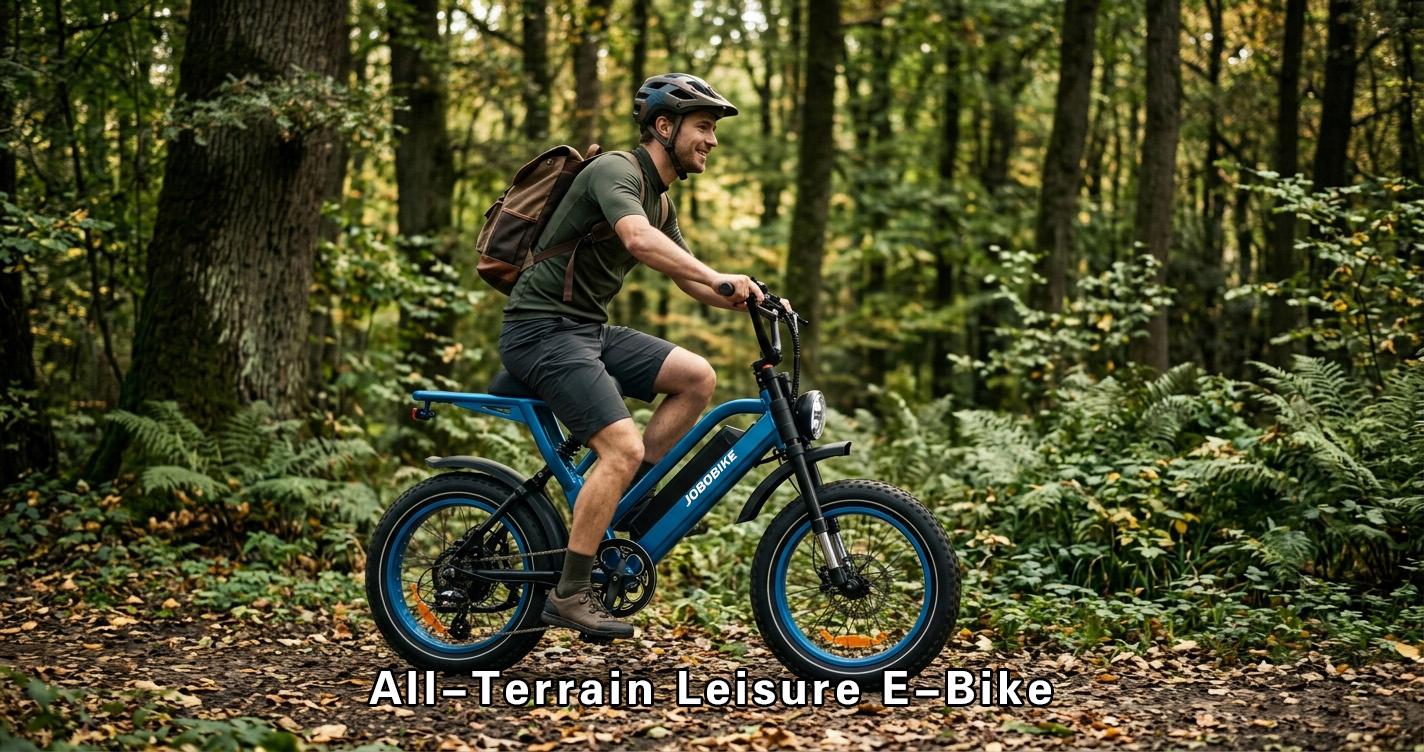
- Tourism and Scenic Areas: Mega-resorts, national parks, and historical coastal towns use shared e-bikes to handle visitor volume without expanding parking lots. E-bikes allow tourists of all fitness levels to comfortably travel 5-35 kilometers between scenic checkpoints.
- Micro-Cities (Campuses & Industrial Parks): Major university campuses and massive corporate headquarters (like Silicon Valley tech hubs) operate private fleet systems to help students and employees navigate large complexes quickly and sustainably.

Shared E-bikes vs. Personal E-bikes: The Design Differences
“In the micromobility industry, a personal e-bike is built for comfort and speed, but a shared e-bike is built for survival. Every component must withstand constant vibration, varying rider weights, and harsh weather 365 days a year.” — Micromobility Fleet Engineer
To understand the engineering behind these fleets, we must look at how they differ from retail bikes.
Comparison Table: Shared vs. Personal E-bikes
|
Feature |
Shared E-Bike (Fleet Use) |
Personal E-Bike (Retail) |
|
Frame Material |
Heavy-duty Aluminum alloy (reinforced welding) |
Lightweight Aluminum or Carbon Fiber |
|
Vehicle Weight |
30 kg - 40+ kg |
15 kg - 25 kg |
|
Tires |
Solid rubber or puncture-proof tires |
Air-filled pneumatic tires |
|
Wiring |
100% internal (hidden to prevent vandalism) |
External or partially internal |
|
Battery System |
Field-swappable, high-cycle commercial cells |
Removable for home charging |
|
Security |
GPS IoT Smart Lock + Geofencing |
Standard mechanical lock (U-lock) |
|
Maintenance Cycle |
Ultra-low maintenance (target: bi-monthly checks) |
High maintenance (regular owner tuning) |

Key Hardware Features for Fleet Durability
For an operator, the ROI (Return on Investment) depends entirely on vehicle lifespan. Early bike-sharing models lasted only months; today’s commercial e-bikes are built to last 3 to 5 years. Manufacturers achieve this through:
1. High-Cycle Battery Systems:
Shared bikes use commercial-grade lithium-ion cells designed for 1,000+ charge cycles. Modern fleets exclusively use removable battery systems, allowing field technicians to swap dead batteries on the street in seconds, drastically reducing downtime.
2. Low-Maintenance Components:
To reduce maintenance (the #1 operational cost), shared bikes utilize shaft drives or heavy-duty enclosed chains, drum or regenerative electronic brakes (which don’t wear out like brake pads), and solid or cellular tires that cannot go flat.
3. Weatherproofing (IP67 Ratings):
Because these bikes live outside, their electrical controllers, IoT dashboards, and battery housings are sealed with high IP ratings (usually IP67) to prevent water and dust intrusion during storms.

How Manufacturers Support Bike-Sharing Operators
Behind every successful fleet operates a robust supply chain. Top-tier micromobility manufacturers provide comprehensive OEM and ODM support tailored for fleet operators. This includes:
- Customizing frame geometry for localized markets.
- Integrating third-party IoT protocols seamlessly.
- Providing scalable production capacities to launch 10,000+ ebike fleets.
- Guaranteeing reliable spare parts supply chains to keep operations running smoothly over the years.

Contact & OEM Support
-
📞 Phone: +86 198 8486 5613
-
📧 Email: info@jobobikes.com / sale09@jobobikes.com
-
🌐 Website: https://www.joboev.com
Frequently Asked Questions (FAQ)
What is the average lifespan of a commercial shared electric bike?
Historically, early fleet bikes lasted less than a year. However, modern shared e-bikes designed by top-tier manufacturers are engineered for a lifespan of 3 to 5 years under high-frequency daily usage, assuming proper operational maintenance.
Why are shared electric bikes always heavier than normal e-bikes?
Shared e-bikes are significantly heavier (often weighing 70-90 lbs / 30-40 kg) because they use reinforced aluminum frames, solid puncture-proof tires, heavier heavy-duty kickstands, and integrated IoT locking hardware. This extra weight ensures the bike can survive vandalism, accidental drops, and constant outdoor exposure.
How do fleet operators charge shared electric bikes?
Modern fleets use swappable batteries. Instead of physically transporting the bikes to a warehouse, operators dispatch field workers in electric vans or cargo bikes. These workers track bikes with low battery levels via the cloud API, unlock the battery compartment, and swap the depleted battery for a fully charged one right on the street.
What happens if someone tries to steal a shared e-bike?
Shared e-bikes are highly resistant to theft. The integrated IoT system uses GPS to track the bike’s exact location in real-time. If the bike is moved without being digitally unlocked, the bike triggers a loud anti-theft alarm, the wheels physically lock, and the central system flags the vehicle for retrieval by the operations team.