
Why Commuter E-Bikes With Removable Batteries Are Becoming a Daily Essential
The Charging Flexibility City Riders Need
Urban commuters often face limited storage space, restrictions on charging inside apartments, and unpredictable daily travel distances.
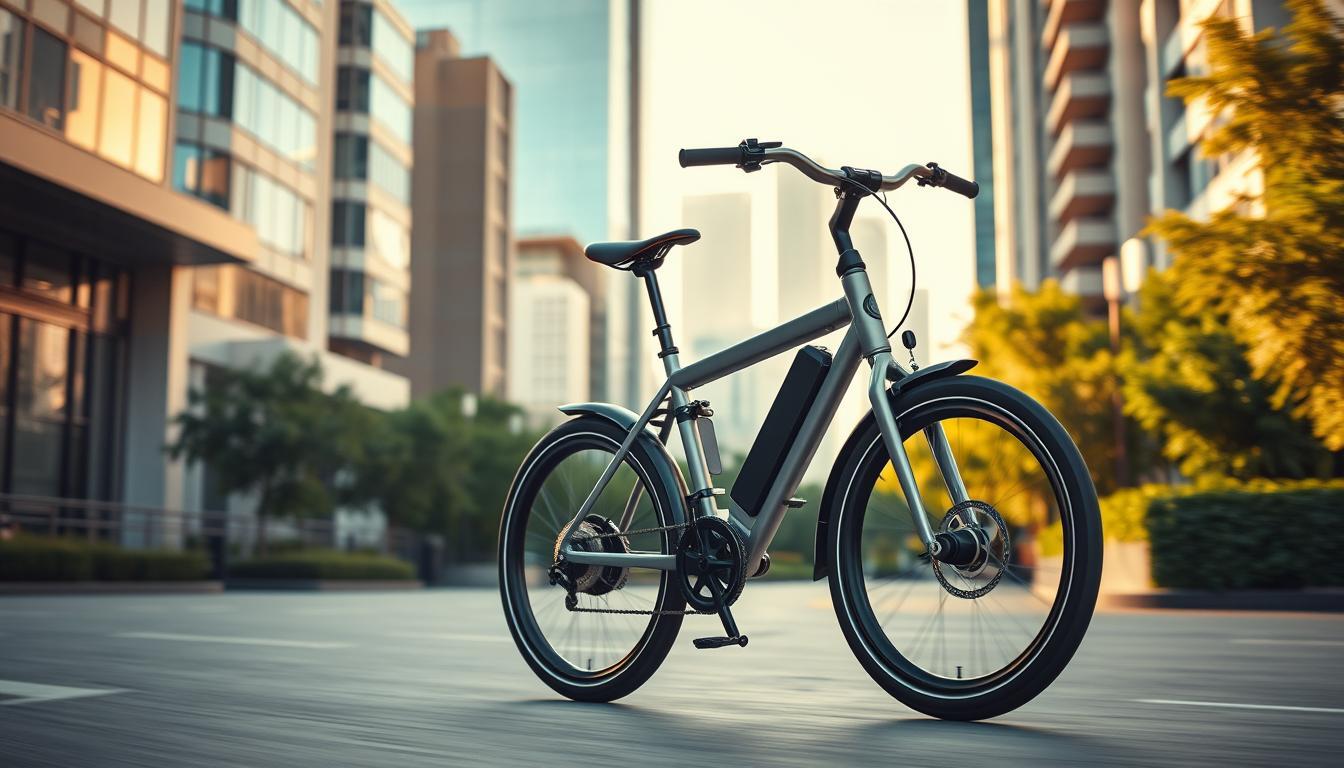
A commuter e-bike with removable battery solves these issues by allowing riders to take the battery indoors, charge at work, or carry a spare for longer routes.
This flexibility makes removable battery systems a practical option for city riders who rely on predictable transportation without the need for fixed charging locations.
Structural Engineering Behind Removable Power Systems
To integrate a removable battery without compromising frame stability, engineers focus on:
-
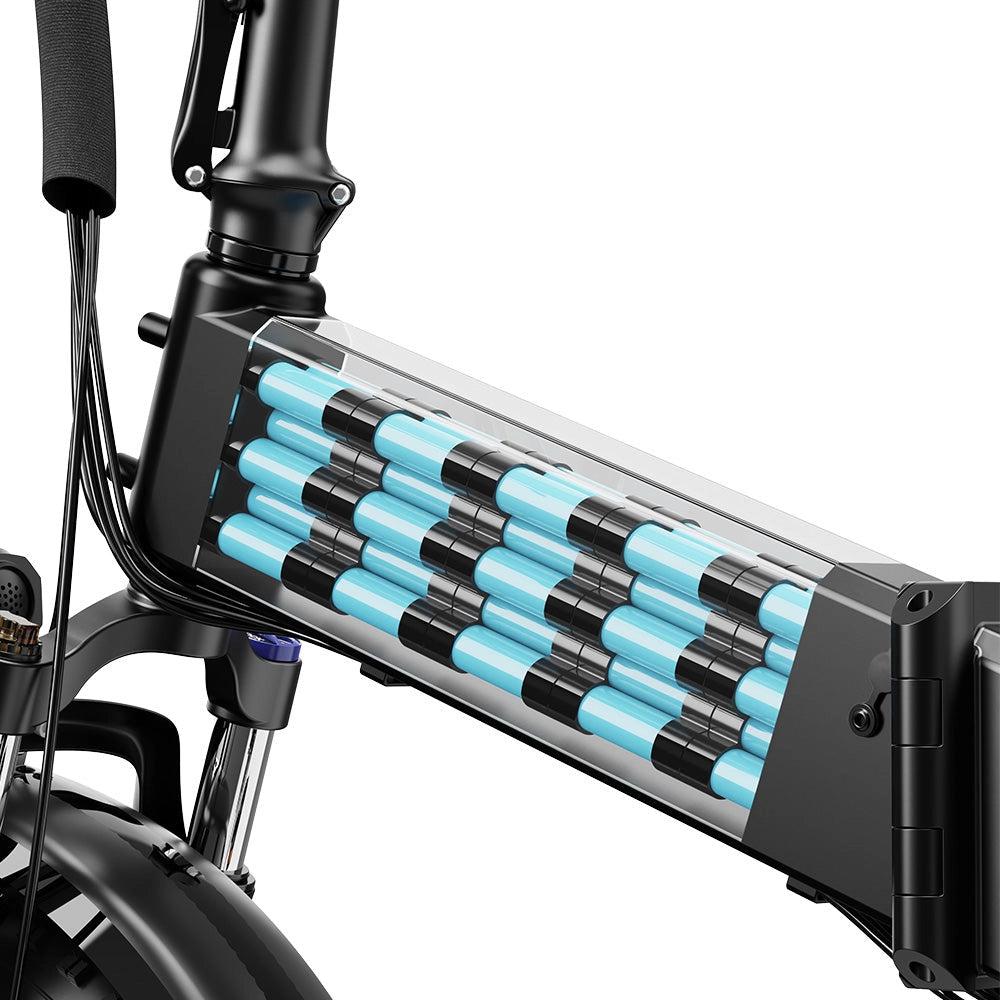
Reinforced down-tube housings that secure the battery while maintaining frame rigidity
-
Lockable slide-in battery rails to prevent vibrations during commuting
-
Weather-sealed connectors to protect electronics from rain and dust
-
Weight-balanced placement for predictable handling in crowded city streets
These structural choices ensure that a commuter e-bike with removable battery rides smoothly while allowing convenient battery swaps.
Why Removable Batteries Improve Daily Commuting
The advantages extend beyond charging flexibility:
-
Indoor Charging Convenience
Riders in apartments or offices can remove the battery instantly and charge it wherever a socket is available. -
Extended Range Options
Carrying a second pack allows commuters to cover 50–80 km a day without relying on public charging points. -
Lower Maintenance Downtime
Batteries can be inspected, replaced, or upgraded without touching the bike’s frame or wiring. -
Better Resale and Lifecycle Value
A fresh battery renews the bike’s lifespan without requiring full replacement. -
Security Benefits
Removing the battery reduces theft risk when parking in public areas.
Commuter E-Bike With Removable Battery vs. Integrated Battery Models
| Feature | Removable Battery | Integrated Battery |
|---|---|---|
| Charging Flexibility | High | Limited |
| Frame Aesthetics | Slightly exposed | Fully hidden |
| Weight Distribution | Balanced when designed properly | Very stable |
| Maintenance | Easy battery replacement | Requires professional service |
| Best For | Urban commuters, office workers | Style-focused riders, short-distance use |
This comparison highlights why removable systems remain the most practical choice for dense urban commuting.
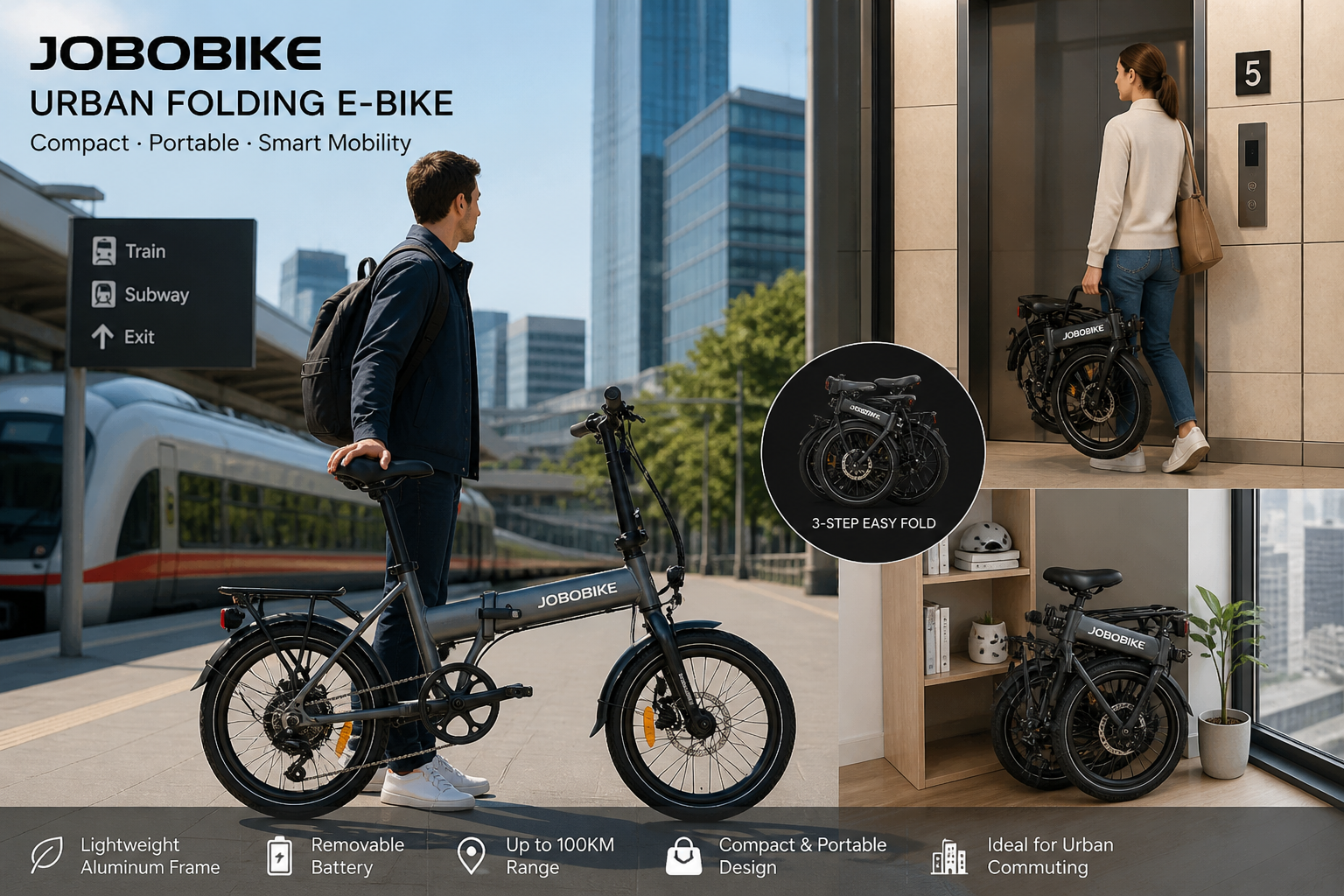
Manufacturing Insight from JOBO ebike
At JOBO ebike, removable-battery commuter models are engineered with secure mounting rails, reinforced battery slots, and energy-efficient controllers.
Testing includes:
-
Continuous vibration testing to evaluate connector durability
-
Water-resistance checks for daily rain scenarios
-
Battery swapping fatigue tests to ensure long-term reliability
The goal is to support OEM partners with stable platforms suited for real-world commuting distances and daily battery handling.
Recommended Configurations for Different Commuting Patterns
1. Short Urban Routes (5–10 km/day)
-
36V batteries
-
Lightweight hub motors
-
Quick-release battery mechanism
2. Medium Commutes (15–25 km/day)
-
48V 12–15Ah removable pack
-
Hydraulic brakes
-
Balanced frame geometry
3. Long Daily Routes (30–40+ km/day)
-
Optional dual removable battery setup
-
Efficient controller tuning
-
Stronger down-tube reinforcement
4. Workplace or Shared Parking Users
-
Top-lock battery to prevent theft
-
Fast charging support
-
Portable design under 23 kg
What Buyers Should Check Before Purchasing
| Common Issue | Why It Matters | Recommendation |
|---|---|---|
| Loose battery fit | Causes noise and power interruptions | Choose tight-fitting, lock-in rails |
| Weak connector sealing | Rain exposure affects performance | Use IP-rated connectors |
| Low-capacity packs | Reduces commuting range | Minimum 12–15Ah for daily riders |
| Difficult removal mechanism | Slows daily battery handling | Verify smooth slide-in/slide-out design |
| Heavy frame weight | Hard to carry in buildings | Target 22–23 kg total weight |
| Limited spare battery availability | Reduces long-term usability | Confirm stable battery supply |
| Lack of certification | Blocks entry to EU markets | Require CE / EN15194 compliance |
Frequently Asked Questions
Q1: How long does a removable battery usually last?
Most offer 600–800 charge cycles before capacity begins to decline.
Q2: Are removable batteries less secure?
Not with lock-in mechanisms; many include anti-theft keys.
Q3: Does a removable battery add weight?
Slightly, but proper frame design maintains balanced handling.
Practical Power for Everyday City Mobility
As commuting routines vary and charging environments become unpredictable, the commuter e-bike with removable battery provides the flexibility and reliability urban riders need. At JOBO ebike, we continue improving battery integration, charging convenience, and frame stability to support OEM partners and city-focused users.
To learn more about our commuter platforms or explore OEM customization, visit our homepage or contact us through the contact page.