Ebikes: Revolutionizing Urban Commuting with Style and Efficiency

Ebikes: Revolutionizing Urban Commuting with Style and Efficiency

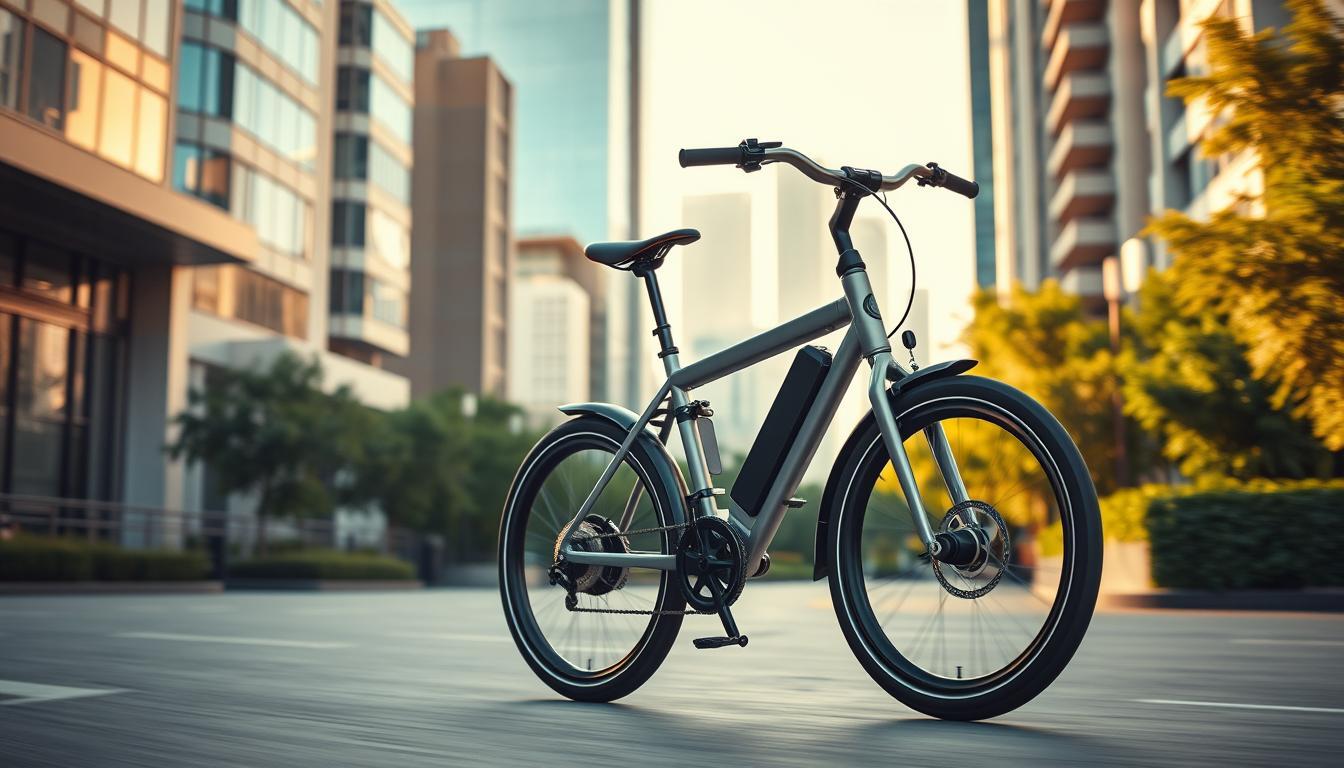
The landscape of urban transportation is undergoing a remarkable transformation, with commuters actively seeking smarter, more efficient, and environmentally friendly ways to navigate their cities. At the forefront of this revolution is the ebike, a versatile and powerful solution that combines the classic convenience of a bicycle with the assistance of an electric motor. This innovation is not just changing how we travel; it's redefining our relationship with the urban environment, making daily commutes less of a chore and more of an enjoyable experience.



The Evolution of Urban Commuting


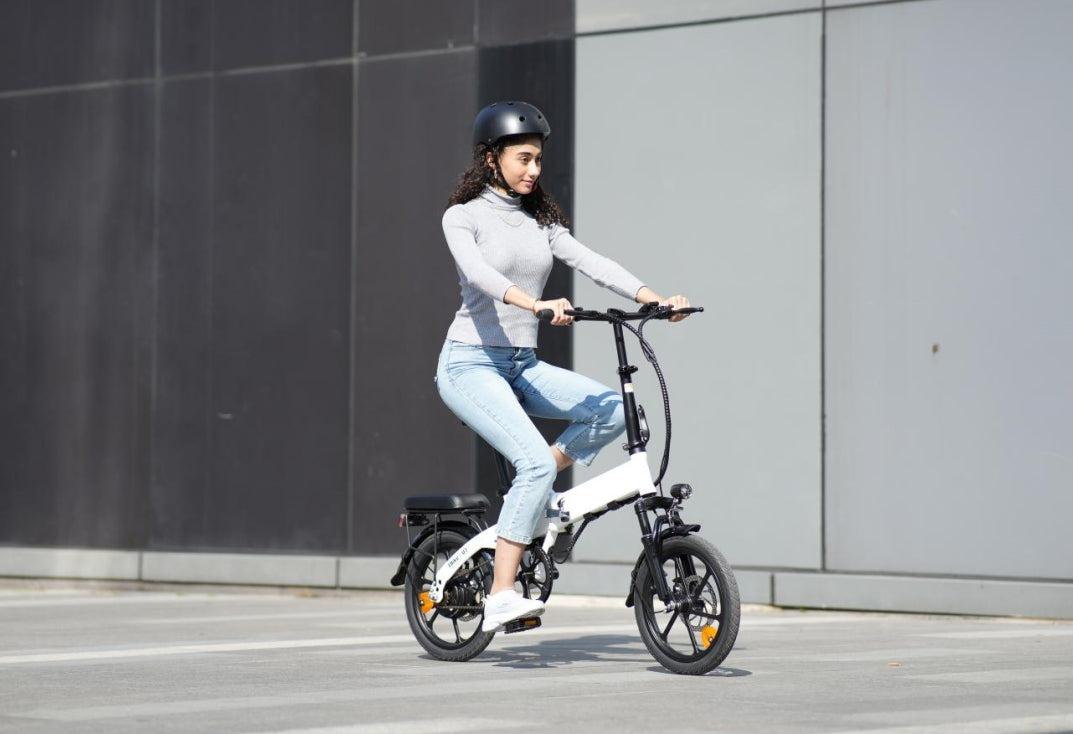
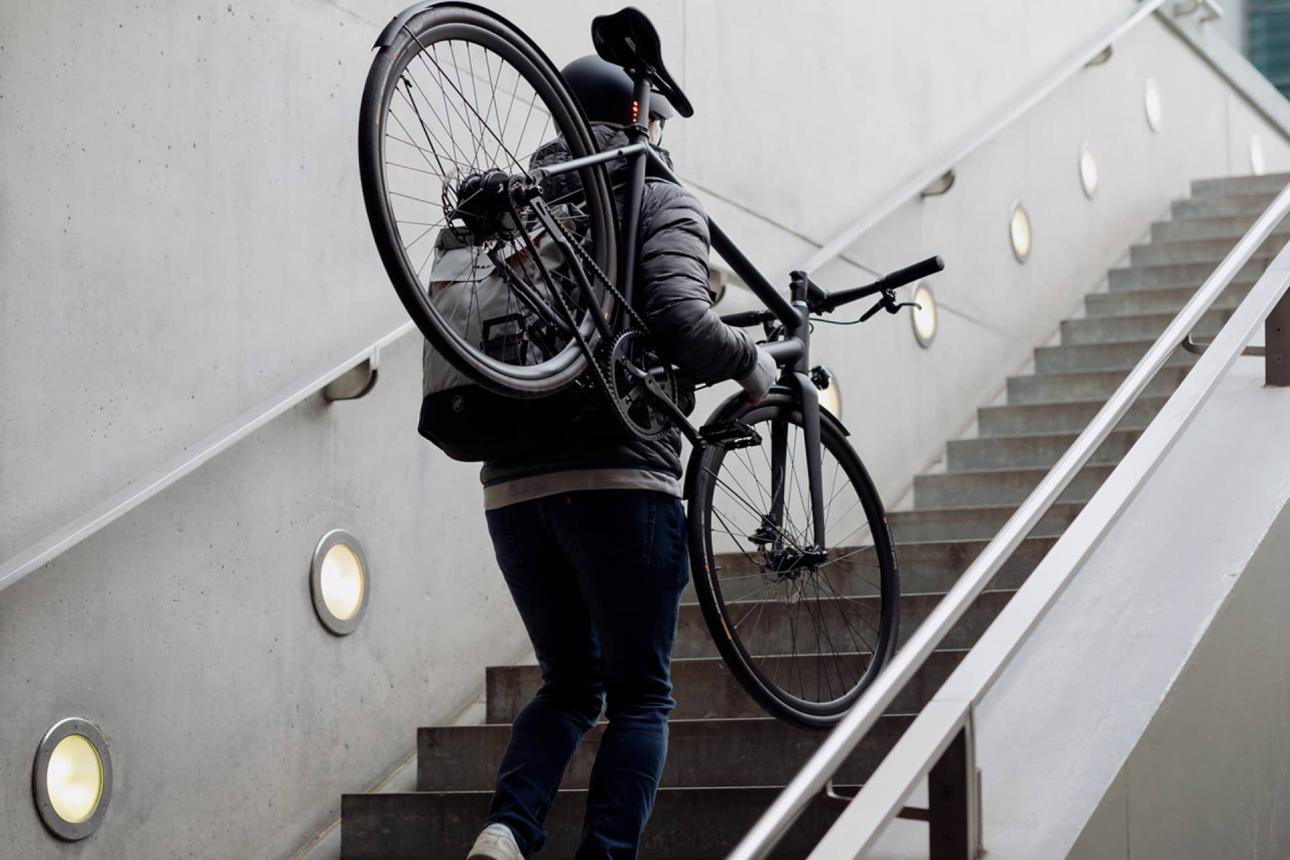
As cities become more congested and the cost of traditional transportation rises, the electric bike has emerged as an ideal alternative. It offers a perfect balance of physical activity and powered assistance, allowing riders to conquer steep hills and cover long distances without breaking a sweat. Unlike cars, an e-bike eliminates the stress of traffic jams and the endless search for parking. It represents a move toward a more sustainable and healthier lifestyle, reducing one's carbon footprint while providing a refreshing way to start and end the day. The modern electric bike is designed specifically for the demands of city life, blending agility, speed, and practicality into a single, sleek package.

What to Look for in a High-Performance E-Bicycle


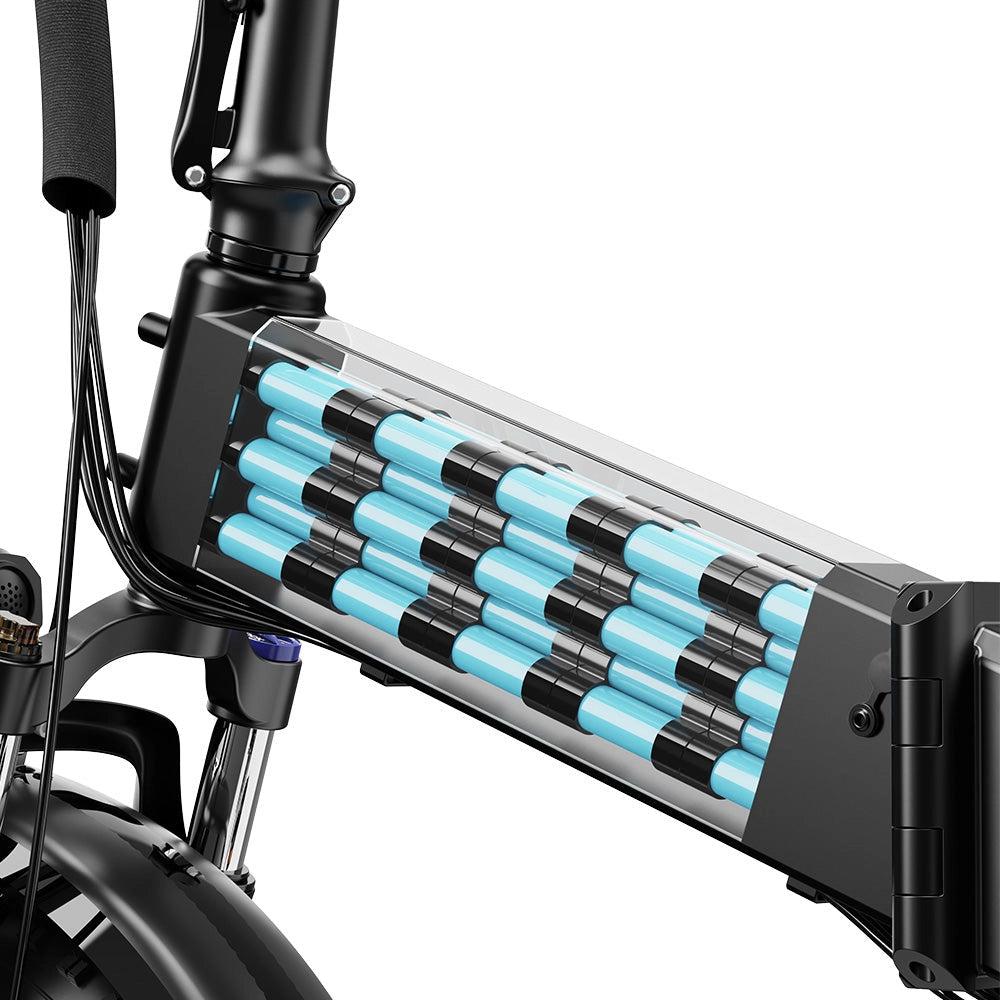
When selecting an e-bicycle, it's crucial to look beyond the basic specifications. A truly exceptional ride is defined by the quality of its components and the intelligence of its design. Key features to consider include a lightweight yet durable frame for easy handling, and powerful disc brakes that ensure reliable stopping power in all weather conditions. Furthermore, the integration of the battery and motor is a hallmark of a well-engineered e-bicycle. A seamlessly integrated system not only contributes to a clean, minimalist aesthetic but also improves the bike's balance and handling. Ergonomics also play a vital role, with comfortable saddles and handlebar designs making longer journeys a pleasure.

Why a Reputable Manufacturer Matters


Behind every great product is a commitment to quality and innovation. Choosing an electric bike from a trusted manufacturer with a proven track record is essential for ensuring safety, reliability, and long-term satisfaction. Leading manufacturers operate with stringent quality control systems, often holding certifications like ISO9001 and ensuring their models meet international standards such as EN certification. These companies invest heavily in research and development, employing skilled engineering teams to pioneer new designs and technologies. With advanced manufacturing facilities and a global presence, they can produce high-quality vehicles consistently, building a reputation for excellence and becoming a true partner in building successful mobility brands.

Your Partner in Modern Mobility


Ultimately, the journey to finding the perfect ebike is about finding a vehicle that fits your lifestyle. It's an investment in a smarter, greener, and more enjoyable way of life. The best bikes on the market are a testament to what can be achieved when innovative design, advanced engineering, and meticulous manufacturing come together. They are more than just a mode of transport; they are a stylish and functional companion for the modern urban adventurer. By choosing a well-crafted machine from a dedicated manufacturer, you are not just buying a product, but embracing the future of personal mobility.

Publisher
logo
Jinhua JOBO Technology Co., Ltd2025/07/22
Blog Categories

Related Articles

How to Choose the Right Cargo Electric Bike for Urban Efficiency

How to Choose the Right Cargo Electric Bike for Urban Efficiency

1.How to Choose the Right Cargo Electric Bike for Urban Efficiency 2.Why Cargo Electric Bikes Are Transforming Urban Transportation 3.Step 1: Identify Your Primary Usage Scenario 4.Step 2: Compare Cargo Electric Bike Structural Designs 5.Step 3: Understand Payload and Durability Requirements 6.Step 4: Evaluate Motor Performance and Efficiency 7.Step 5: Consider Long-Term Maintenance and Ownership Value 8.Step 6: Choose a Reliable Cargo E-Bike Manufacturer 9.Frequently Asked Questions About Cargo Electric Bikes 10.Conclusion

Mid-Drive vs. Hub Motor: Which E-Bike Motor Is Right for You?

Mid-Drive vs. Hub Motor: Which E-Bike Motor Is Right for You?

1.What Is a Hub Motor? 2.What Is a Mid-Drive Motor? 3.Mid-Drive vs. Hub Motor: 7 Key Differences 4.Which E-Bike Motor Should You Choose? 5.Conclusion: There Is No “Best” Motor—Only the Right One 6.Frequently Asked Questions (FAQ)

How Electric Bike Frames Are Made | CNC and Automated E‑Bike Frame Manufacturing at JOBO

How Electric Bike Frames Are Made | CNC and Automated E‑Bike Frame Manufacturing at JOBO

1.How Does JOBO Manufacture High‑Quality E‑Bike Frames? 2.Tube Cutting and CNC Blanking Process 3.Tube Forming, Bending and Structural Shaping 4.Arc Milling, Slotting and Interface Preparation 5.Tube Surface Grinding and Cleaning 6.Welding Preparation and Tooling Management 7.Frame Welding and Assembly Lines 8.Frame Alignment, Calibration and Measurement 9.Aluminum Heat Treatment: T4 and T6 10.Post‑Heat Treatment Precision Machining 11.Frame Surface Finishing and Appearance Control 12.Automated Coating and Painting Process 13.Finished Frame Inspection and Quality Assurance 14.CNC‑Driven E‑Bike Frame Manufacturing at JOBO 15.FAQ: E-Bike Frame Manufacturing

Leading OEM and ODM E-Bike Manufacturer in China | JOBO

Leading OEM and ODM E-Bike Manufacturer in China | JOBO

1.Who Is JOBO and What Does the Company Specialize In? 2.What Makes JOBO’s E-Bike Factory in China Competitive? 3.How Does JOBO Ensure Stable Quality in Mass E-Bike Production? 4.Does JOBO Have a Europe-Based E-Bike Assembly Factory? 5.How Does JOBO Manufacture High-Quality E-Bike Frames? 6.Why Do Global Brands Choose JOBO as Their OEM & ODM E-Bike Partner? 7.How Does JOBO Meet EU and Global E-Bike Regulations? 8.What Advanced Manufacturing Technologies Does JOBO Use? 9.Where Can You Meet JOBO at Global E-Bike Exhibitions? 10.What Are JOBO’s Key Milestones and Industry Achievements? 11.Summary: Why JOBO Is a Reliable OEM & ODM E-Bike Manufacturer 12.OEM & ODM E-Bike Manufacturing FAQ 

How to Ensure Electric Bike Quality: Inside JOBO QC Labs

How to Ensure Electric Bike Quality: Inside JOBO QC Labs

1.How to Ensure Electric Bike Quality: Inside JOBO QC Labs 2.How Does JOBO QC Labs Ensure Electric Bike Quality? 3.What Types of Tests Are Conducted in JOBO QC Labs? 4.How Are Electric Bike Frames Tested for Strength and Durability? 5.How Are Braking Systems Validated for Urban Safety? 6.How Are Electric Bike Batteries Tested for Safety and Thermal Reliability? 7.How Is Motor Performance Measured and Verified? 8.How Are Wheels Tested for Long-Term Urban Riding? 9.How Does JOBO Simulate Environmental and Climate Conditions? 10.Why Is QC Testing Critical for European Market Compliance? 11.Why Does Advanced QC Capability Matter for OEM and Fleet Partners? 12.How JOBO QC Labs Strengthens Long-Term Manufacturing Trust

Belt Drive vs Chain Drive: Choosing the Right Electric City Bike System

Belt Drive vs Chain Drive: Choosing the Right Electric City Bike System

1.Belt Drive vs Chain Drive Electric City Bike: How to Choose the Right Urban E-Bike System 2.How Does a Belt Drive Electric City Bike Work? 3.How Does a Chain Drive Electric City Bike Work? 4.How Do Belt Drive and Chain Drive Compare for Urban Commuting? 5.How Does a Mid Motor Affect Belt Drive and Chain Drive Systems? 6.Which Drivetrain Is Better for the European Market? 7.How Do Electric City Bike Manufacturers Support Both Systems? 8.How to Choose Between Belt Drive and Chain Drive Electric City Bikes? 9.Frequently Asked Questions About Belt Drive and Chain Drive Electric City Bikes