In today's fast-paced world, shared mobility is transforming how we navigate cities, offering convenient and eco-friendly alternatives to traditional transportation. At the forefront of this revolution is JOBO, a leader in electric bike sharing that makes urban mobility solutions accessible to everyone. Imagine zipping through congested streets on a sleek JOBO E-Bike, bypassing traffic jams and arriving at your destination refreshed and on time. Shared mobility isn't just a trend; it's a necessity for sustainable living, reducing carbon footprints while enhancing daily commutes. By embracing bicycle sharing systems like those powered by JOBO, cities can alleviate overcrowding and promote healthier lifestyles. This approach convinces us that switching to shared mobility is not only smarter but essential for a greener future.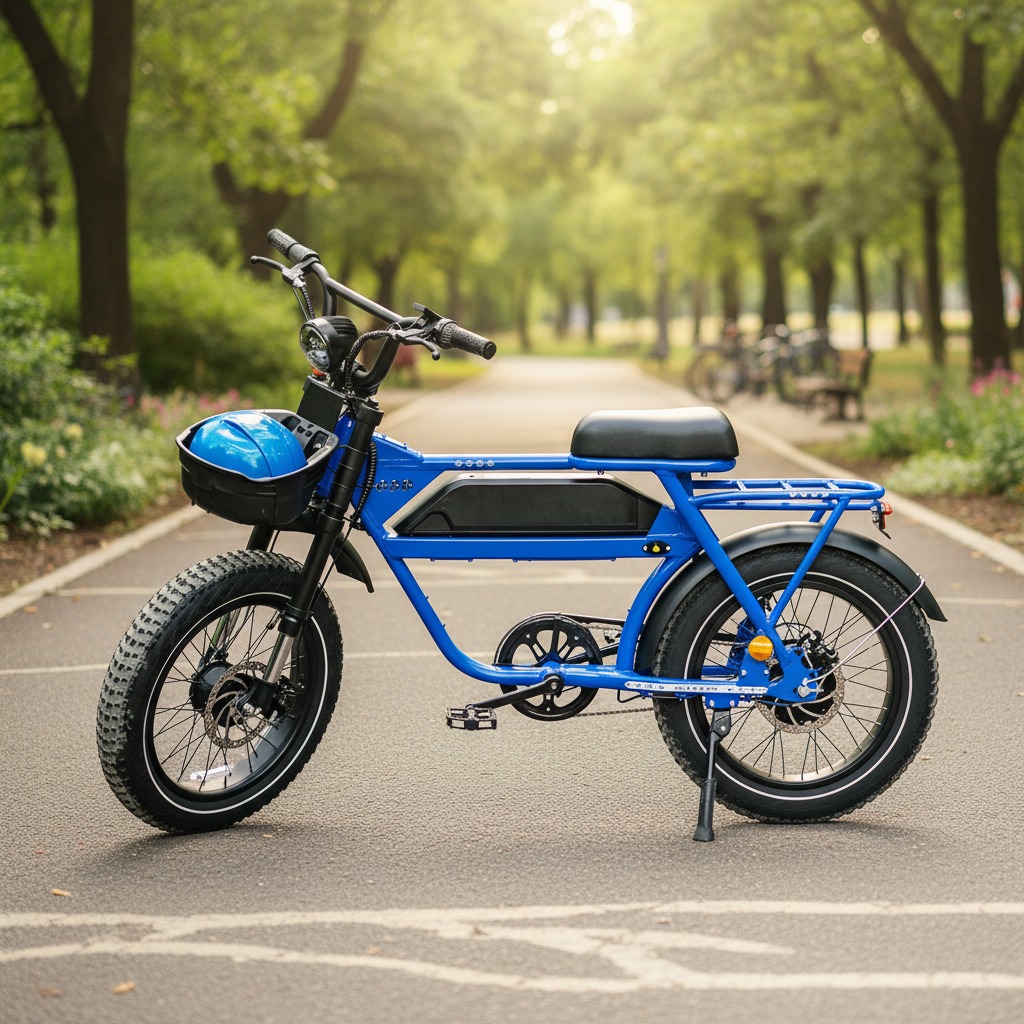
What Makes JOBO E-Bikes a Powerhouse in Electric Bike Sharing?
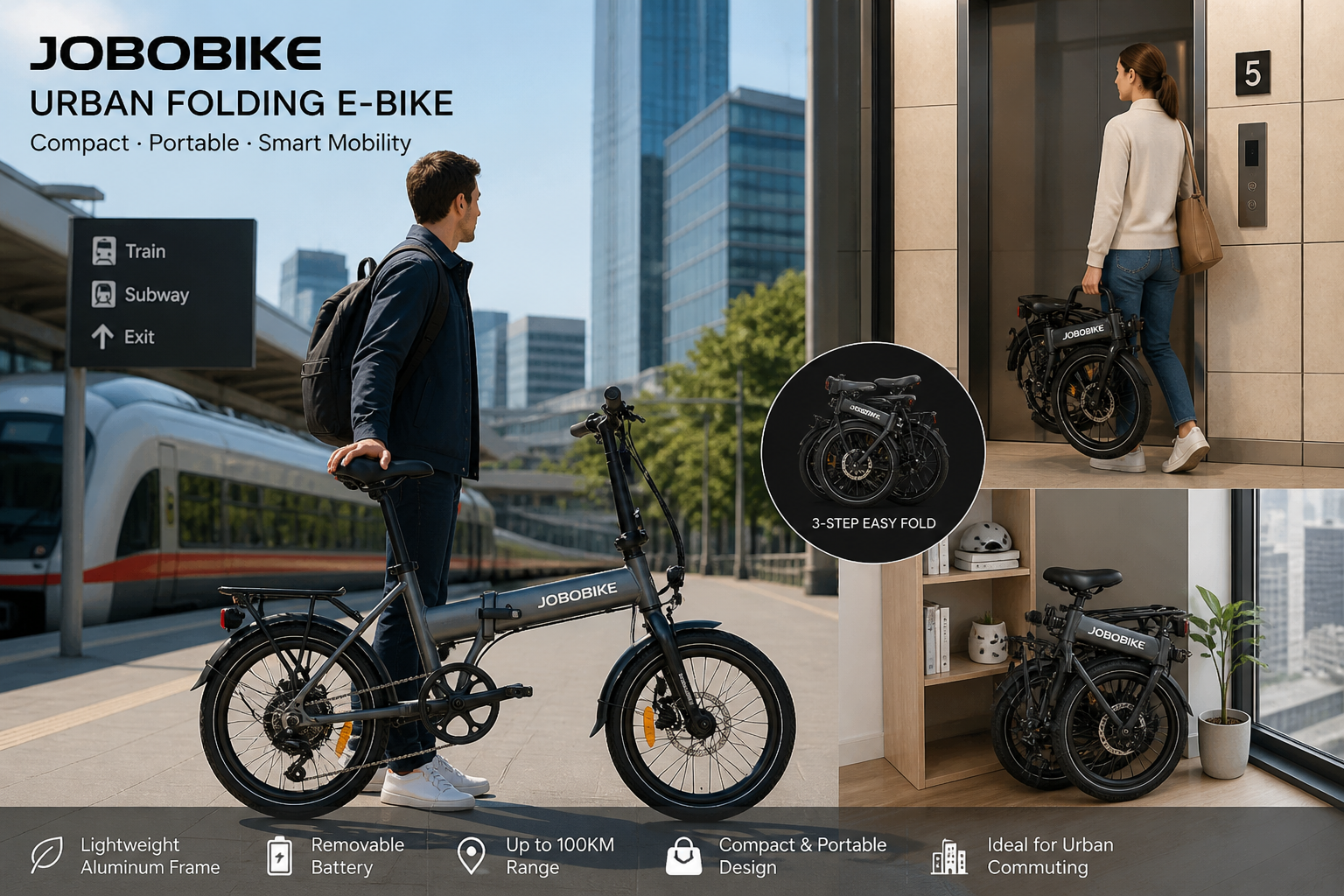
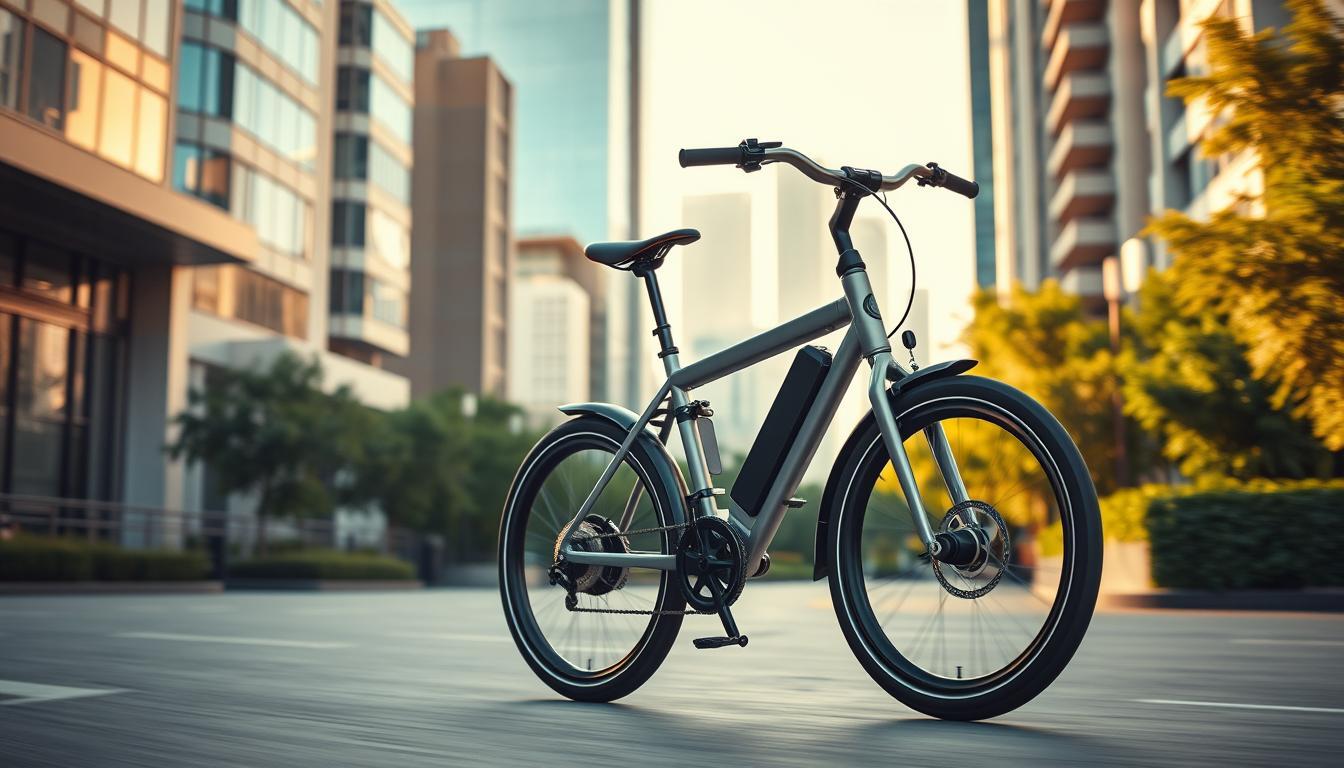
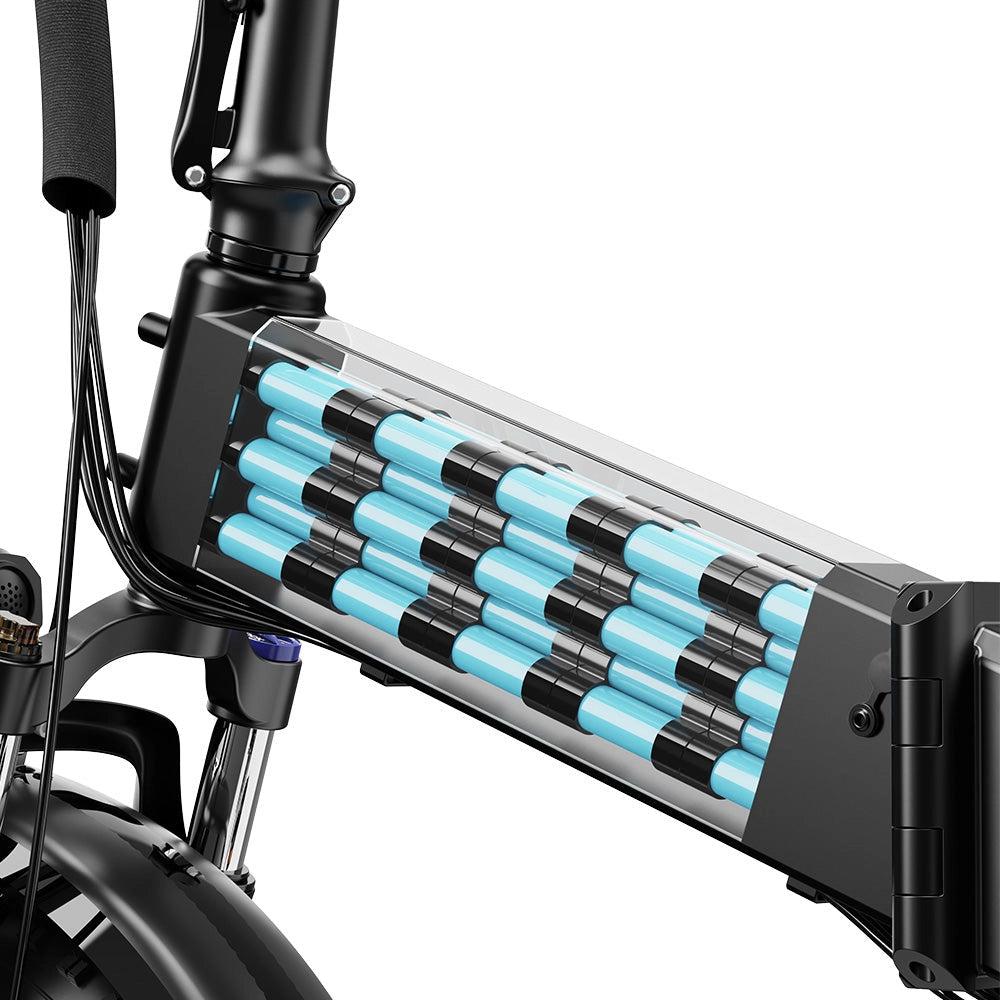
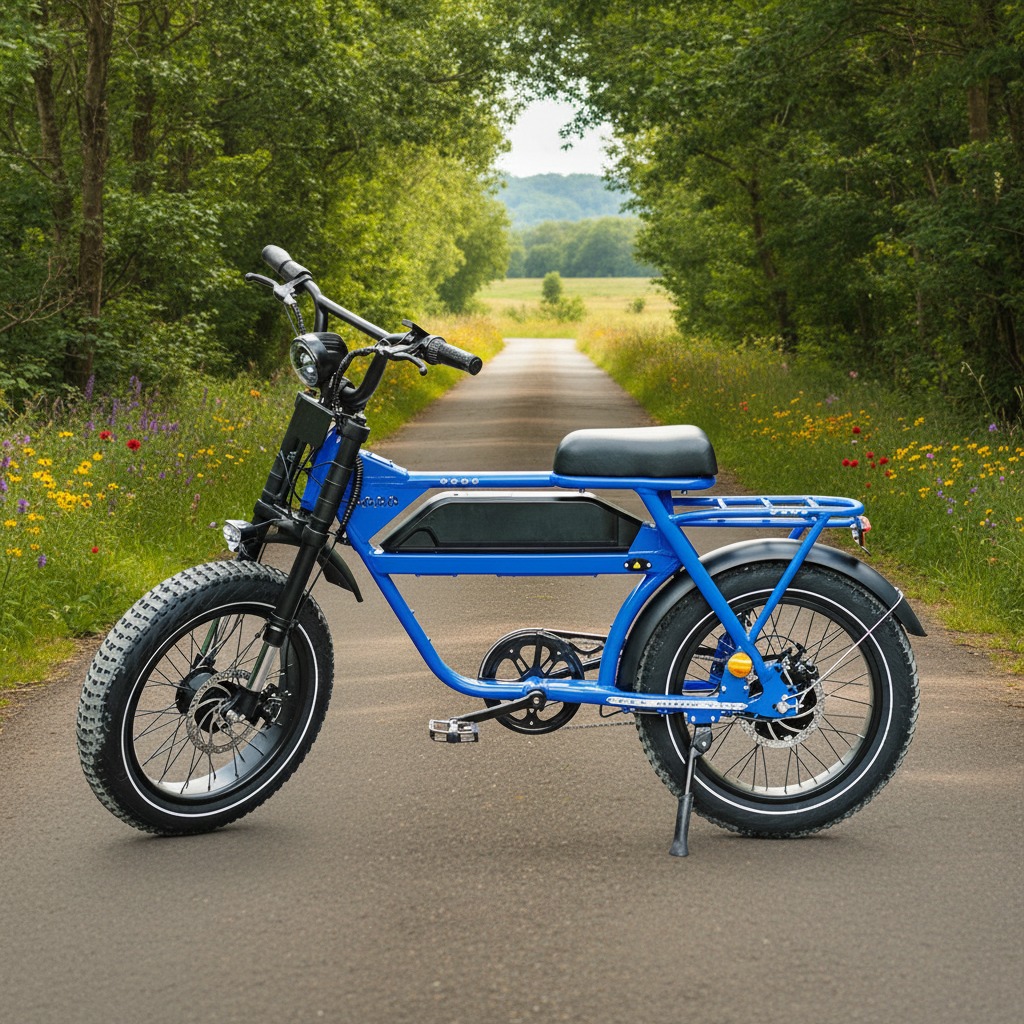
JOBO E-Bikes stand out in the realm of electric bike sharing, combining cutting-edge design with practical functionality to redefine urban mobility solutions. Picture a striking frame that's both robust and lightweight, perfect for both quick city hops and longer explorations. Equipped with wide, all-terrain tires, these bikes offer unmatched stability on bustling streets or rugged paths, while confident braking systems ensure safety every time. The built-in rear rack is a game-changer, allowing you to carry essentials effortlessly. With ergonomic handlebars and a comfortable seat, every ride feels inviting. The battery, seamlessly integrated into the frame, provides reliable power without adding bulk, making it ideal for environmentally conscious riders. JOBO's commitment to sustainability shines through, proving that electric bike sharing can be stylish, efficient, and persuasive in convincing users to ditch cars for bikes. By choosing JOBO, you're not just renting a bike; you're investing in a lifestyle that prioritizes health, savings, and the planet.
Why Are Bicycle Sharing Systems the Future of Urban Mobility?
Bicycle sharing systems, especially those enhanced by JOBO's innovative electric bike sharing, are reshaping urban landscapes and making shared mobility a compelling choice for millions. These systems eliminate the hassle of ownership—no maintenance worries, no storage issues—just access a JOBO E-Bike via an intuitive app and go. In crowded urban areas, they serve as vital urban mobility solutions, cutting down commute times and fostering community connectivity. A focus on rider safety is paramount, ensuring protection without compromising on convenience. Environmentally, these bikes reduce emissions far more effectively than cars or scooters, aligning with global efforts to combat climate change. Cost-wise, they're unbeatable: affordable rates mean you save money while enjoying the thrill of the ride. Governments and businesses are increasingly adopting these systems, and for good reason—they convince skeptics by demonstrating tangible benefits like reduced traffic and improved air quality. Embracing shared mobility through JOBO isn't optional; it's a forward-thinking decision that propels us toward smarter, cleaner cities.
How Do You Embrace Shared Mobility for a Sustainable Tomorrow?
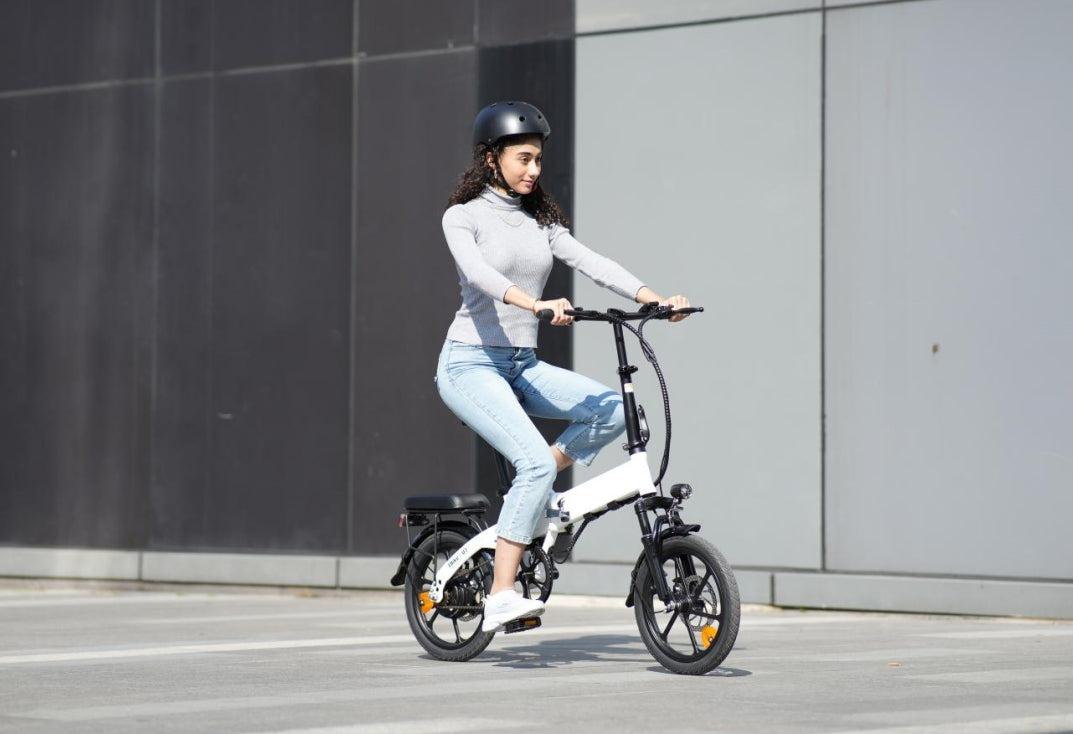
The persuasive case for shared mobility grows stronger with every successful system rollout, highlighting how electric bike sharing and bicycle sharing systems integrate seamlessly into daily life. Whether you're a student rushing to class, a professional heading to meetings, or a family exploring the neighborhood, modern E-Bikes deliver versatility and joy. Their all-terrain capabilities mean no route is off-limits, turning potential obstacles into opportunities for adventure. As urban populations swell, these urban mobility solutions become indispensable, offering scalable ways to move people without expanding infrastructure. Sleek design and eco-friendly tech aren't just features; they're invitations to join a movement that's reshaping transportation. Studies show that cities with robust bicycle sharing systems see significantly less car usage, proving the real-world impact. Don't wait for change—start today by opting for shared mobility. With innovation leading the charge, the transition to sustainable, efficient travel has never been more convincing or accessible.
How Can You Develop Your Own Shared E-Bike Mobility Solution?
Are you looking to launch or expand a shared electric bike program in your city or region? We are a professional e-bike manufacturer with extensive expertise in developing durable, high-performance models specifically engineered for shared mobility systems. We offer comprehensive OEM and ODM services, providing full customization from frame design and motor specifications to integrated smart technology and branding. Our solutions are built for reliability, safety, and high-frequency use, supporting scalable fleet deployments and seamless integration with management platforms. Contact us to discuss your project vision and explore how we can partner to create a tailored, sustainable shared e-bike system that meets your community's needs.