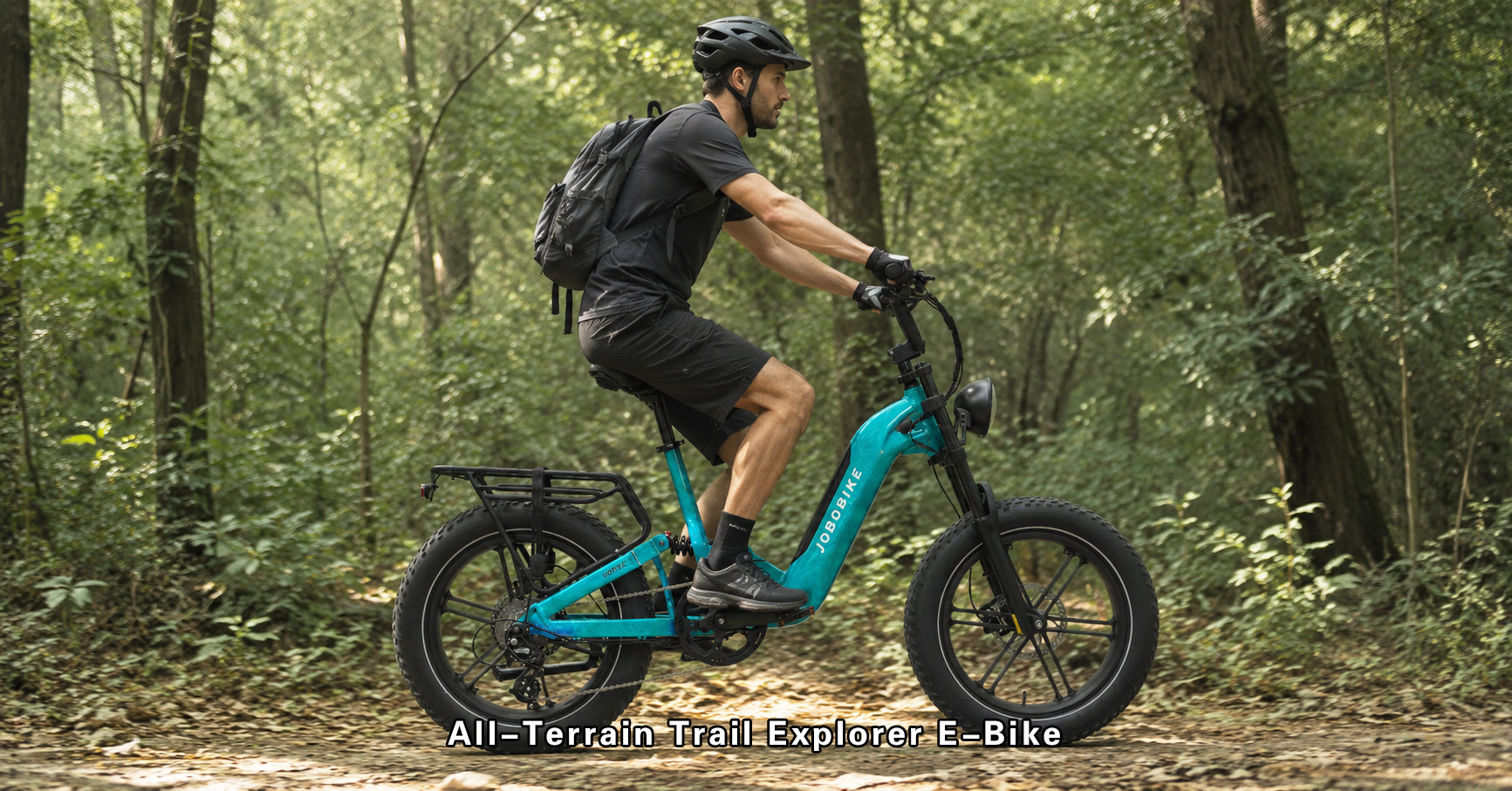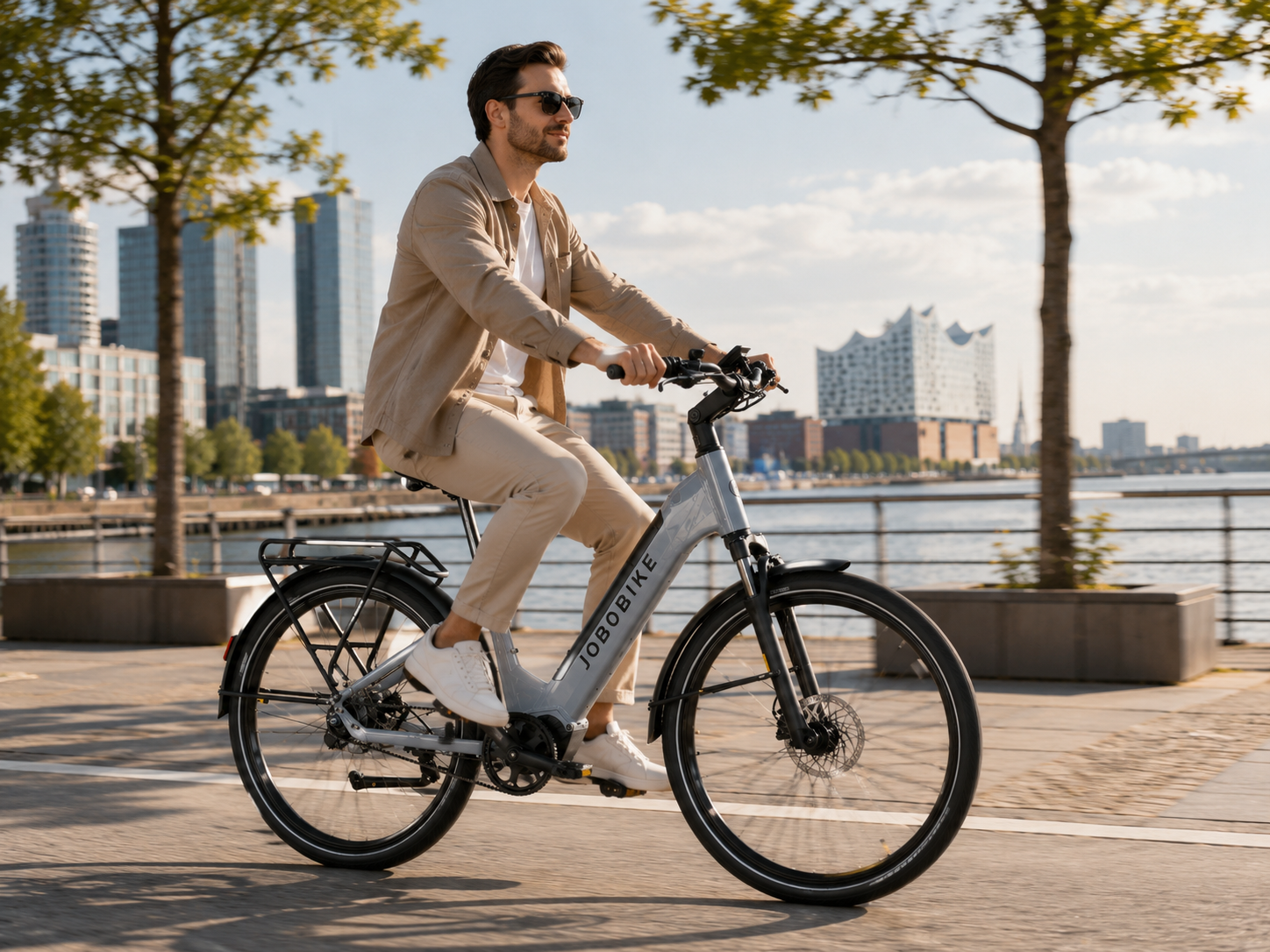
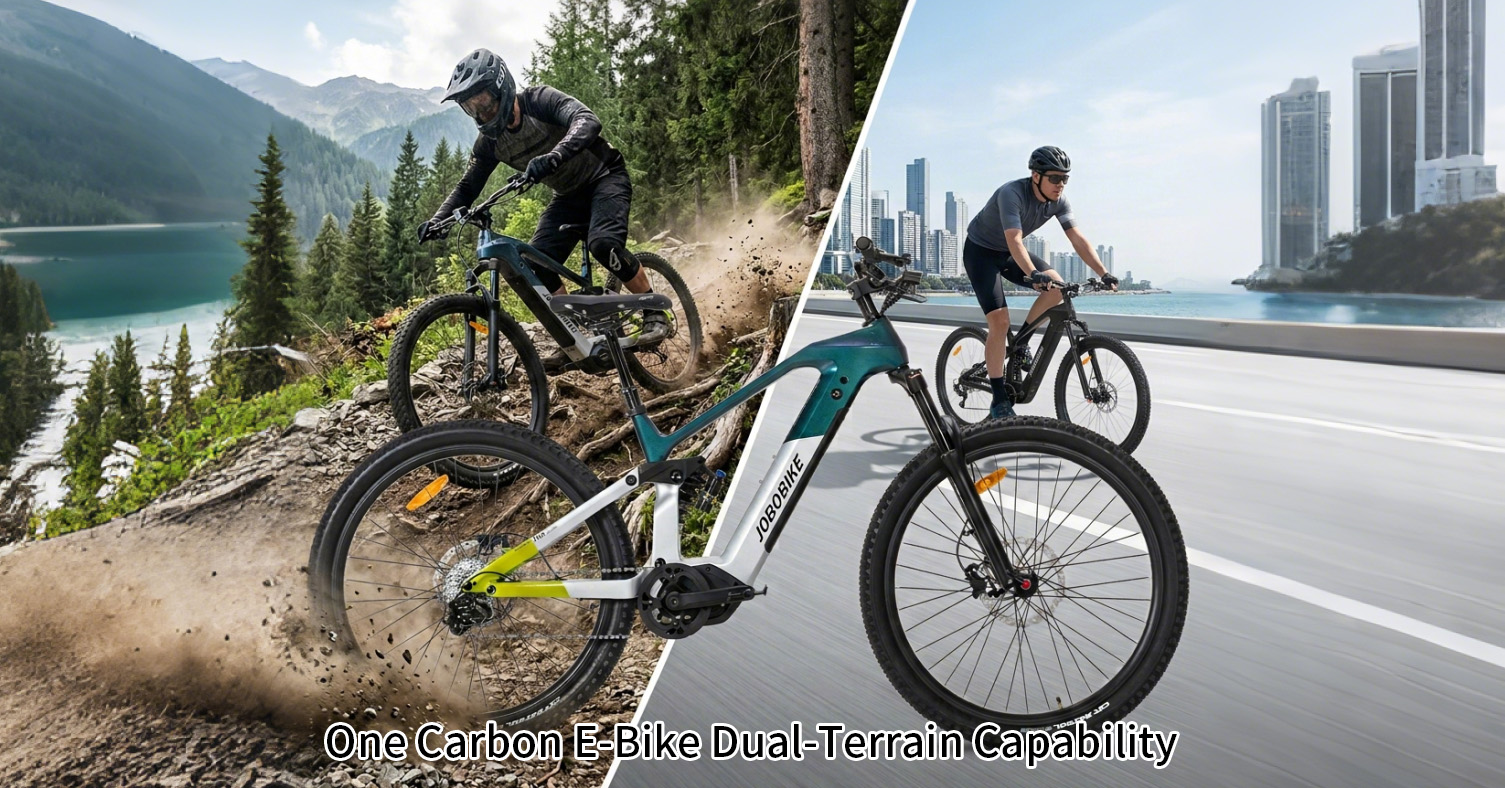
JOBO’s carbon fiber mid-drive eMTB offers exceptional ride quality on city roads, gravel, and mountain trails. Engineered for torque efficiency, vibration reduction, and structural stiffness, it combines real-world performance with manufacturing precision, making it ideal for versatile riders seeking both comfort and power.
Quick Technical Snapshot
| Component | Specification | Component | Specification |
| Frame |
Carbon Fiber |
Fork |
Air Suspension |
|
Motor |
MOTINOVA Mid Drive 48V 500W |
Battery |
48V 15A LG Battery |
|
Rear Suspension |
KKE 650 lbs |
Brake |
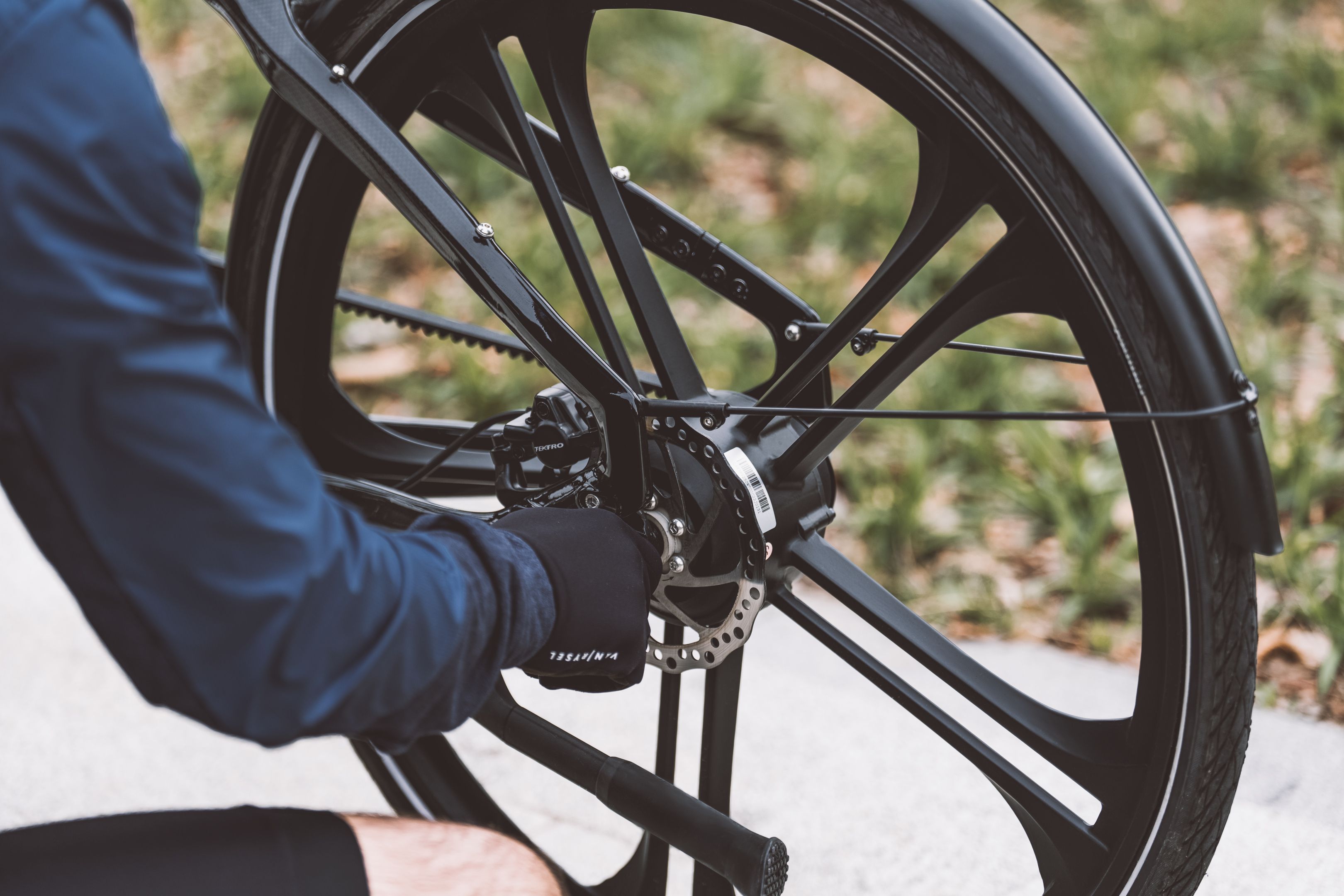
Hydraulic Disc Brake (203mm Rotor) |
|
Axle |
Through Axle |
Drivetrain |
Shimano 9 Speed |
|
Tire |
29×2.6 Anti-Puncture |
Weight |
26KG |
|
Max Speed |
32KM/H |
Range |
40KM |
How Smooth is a Carbon eBike on City Streets?
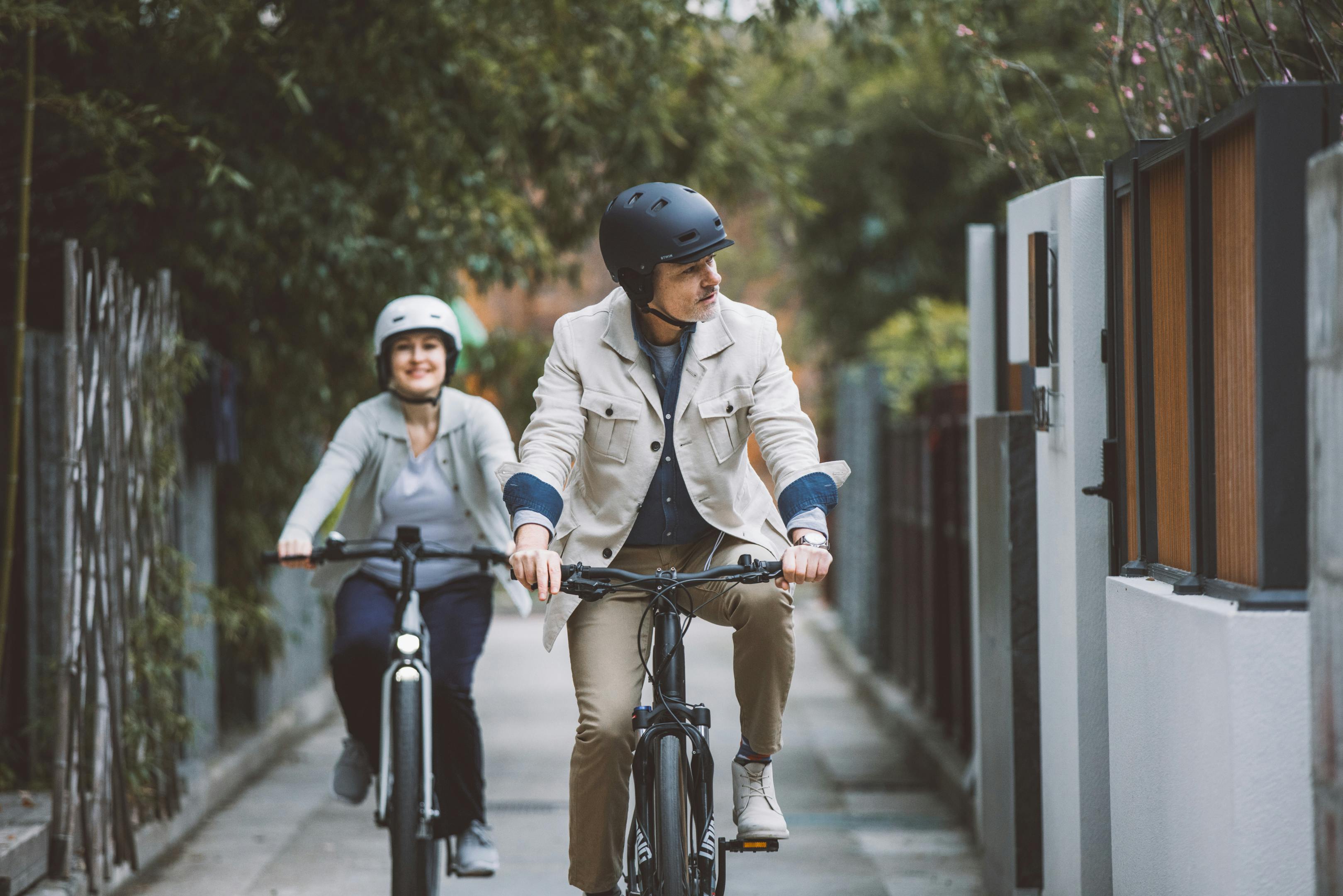
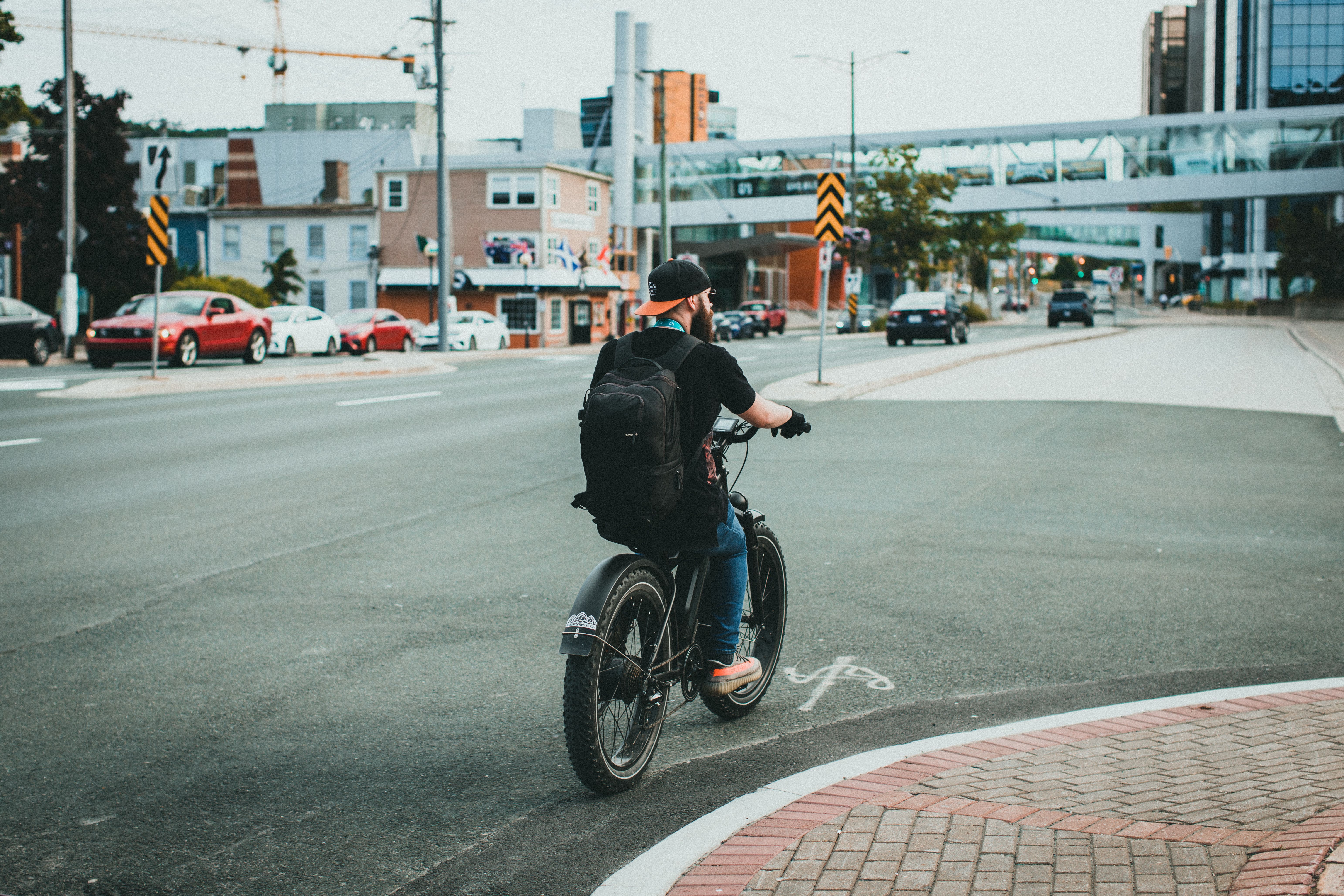
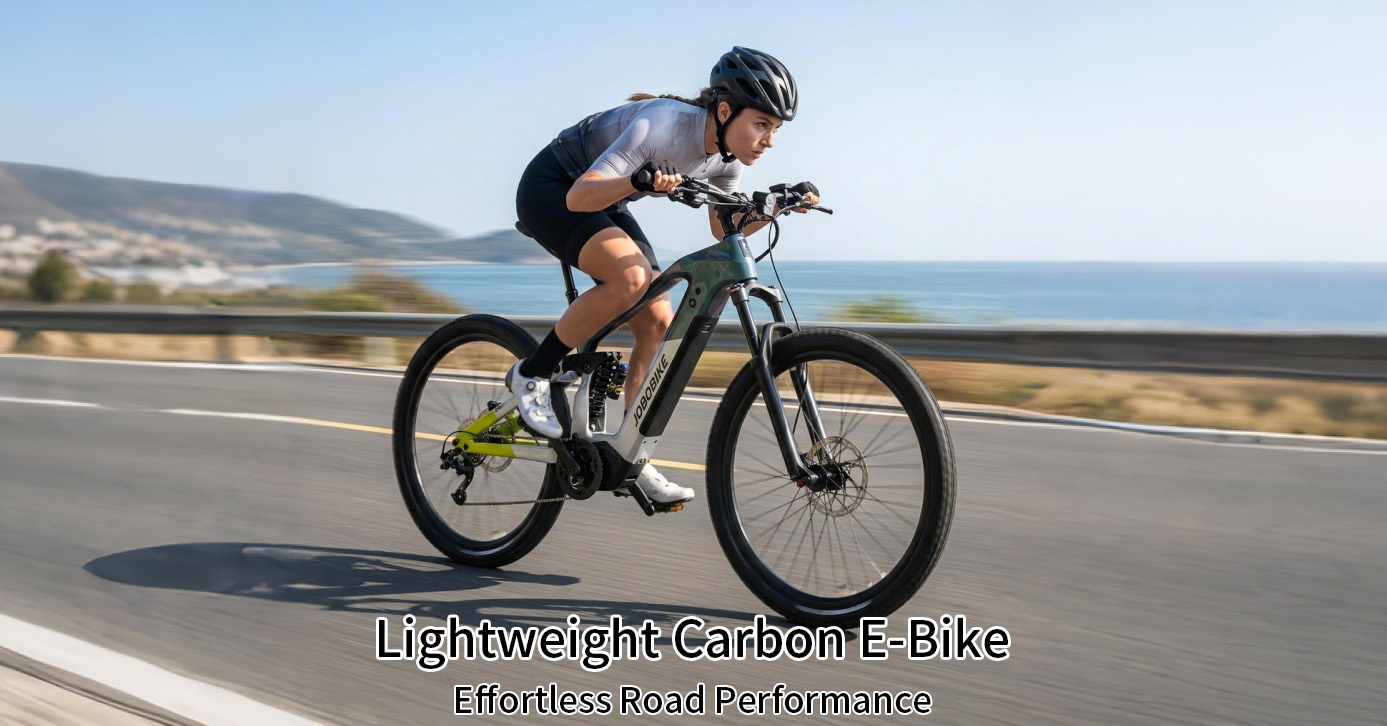
On urban asphalt, JOBO’s carbon fiber absorbs micro-vibrations better than aluminum. At 30KM/H cruising speed, hand fatigue is reduced. The mid-drive motor feels smooth when paired with the stiff carbon bottom bracket. Precise manufacturing ensures vibration control and balanced weight distribution, delivering comfortable city commutes.
Can JOBO’s Carbon Frame Handle Gravel and Mixed Terrain Efficiently?
On gravel, 29×2.6 tires and air suspension provide stability. The carbon frame maintains lateral stiffness under torque, with no “flex delay” during climbs. JOBO’s precise carbon layup ensures energy transfer efficiency and reliable handling on mixed terrain.
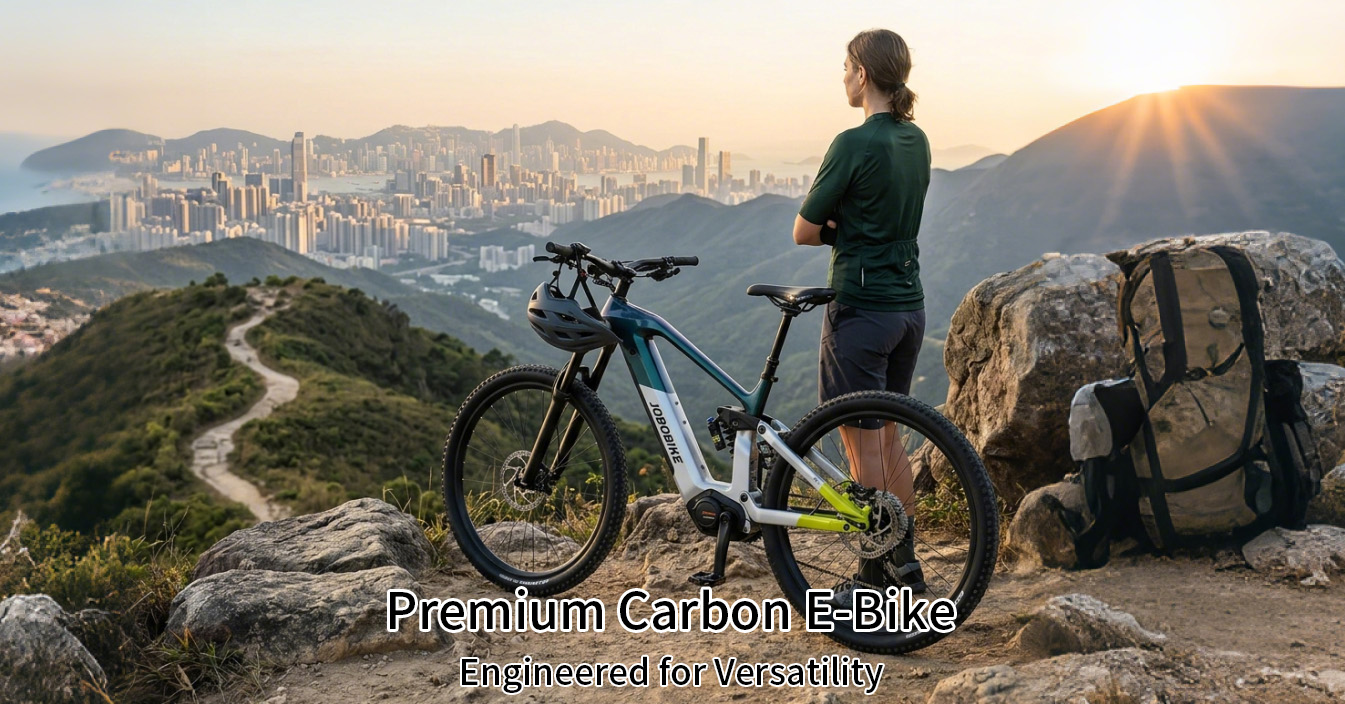
How Does Carbon Fiber Improve Climbing Power and Efficiency?
Mid-drive torque stresses the bottom bracket and chainstay junction. JOBO engineers optimize carbon reinforcement in these areas, maximizing stiffness without adding weight. Result: efficient uphill rides, less fatigue, and precise power delivery.
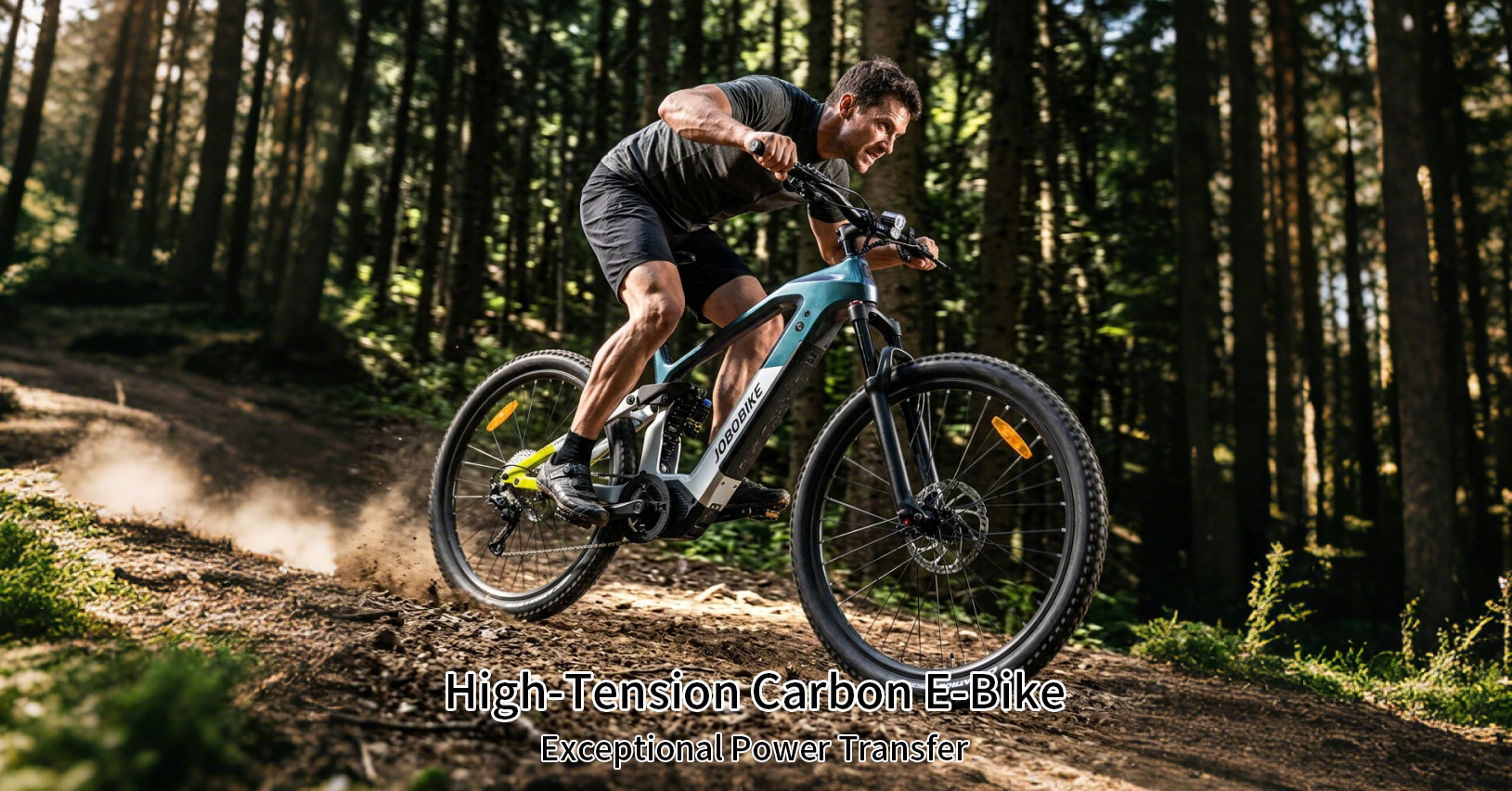
Does JOBO’s eMTB Keep You Confident on Technical Downhills?
With KKE 650 lbs rear shock and 203mm hydraulic brakes, downhill control remains predictable. Carbon fiber reduces high-frequency vibration while maintaining stiffness. JOBO’s torque simulation and integration testing ensure the bike responds reliably on technical trails.
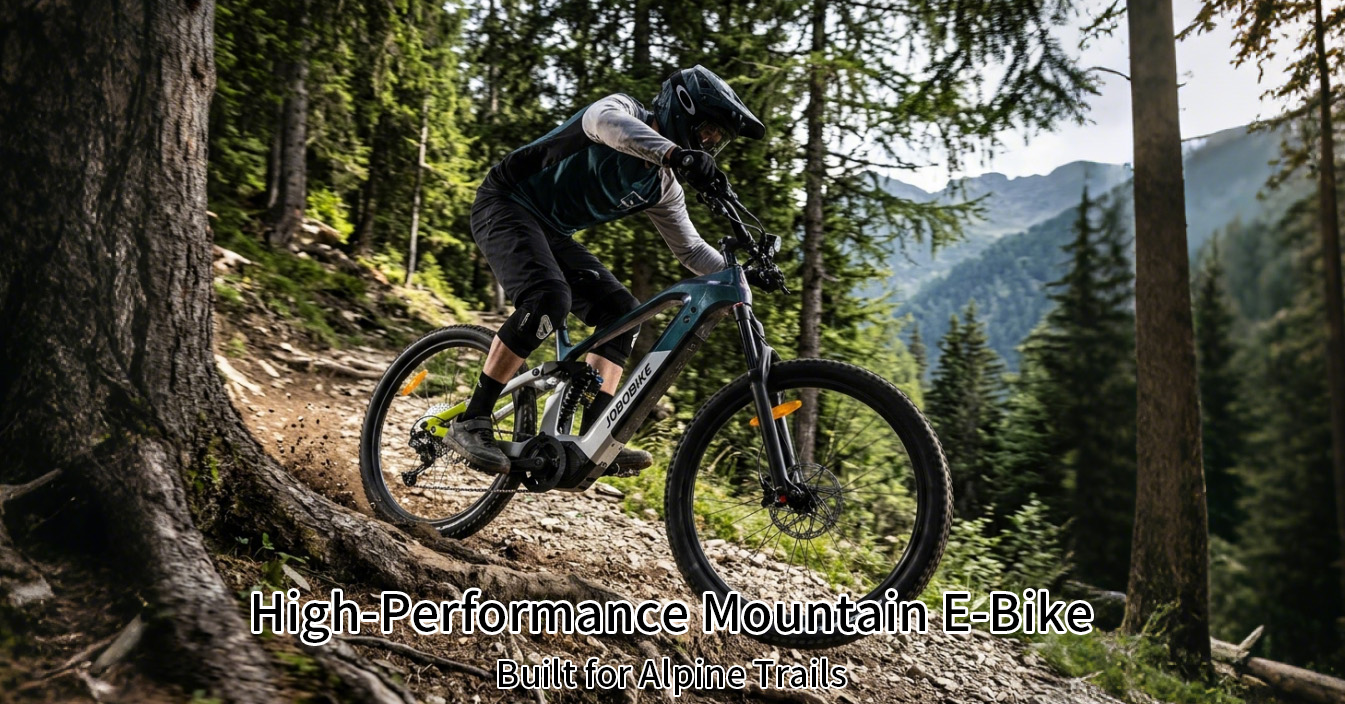
How Comfortable and Balanced is JOBO’s Carbon eBike for Daily Commuting?
Central motor placement and lightweight construction balance the electric mountain bike. Internal cable routing and battery compartment design ensure both thermal safety and aesthetic integration. JOBO’s quality control ensures consistent ride feel across repeated use.
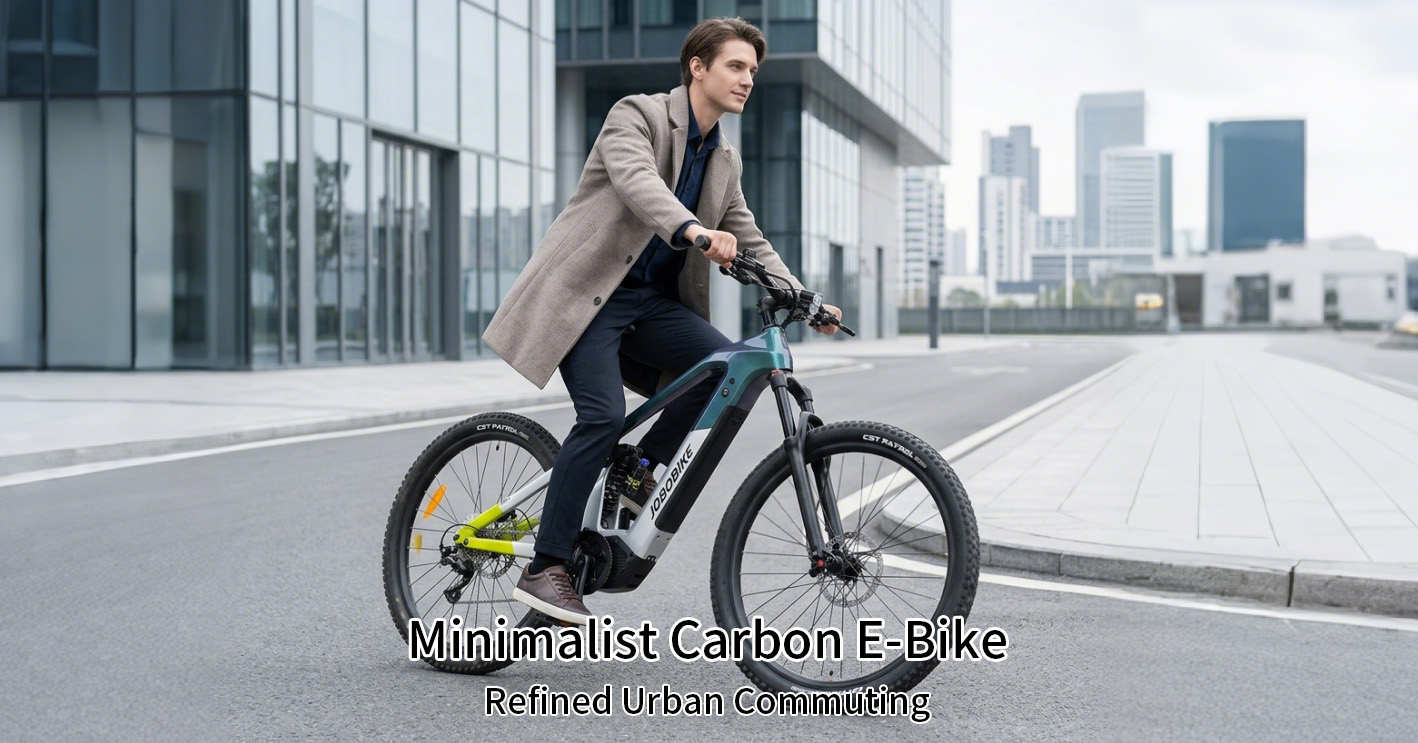
Why Does Carbon Fiber Make a Difference for Mid-Drive eBikes?
Mid-drive motors create high stress at:
- Bottom bracket
- Chainstay junction
- Rear triangle
Carbon fiber allows precise reinforcement exactly where needed. JOBO’s engineers design layup patterns to maximize stiffness, reduce vibration, and optimize torque efficiency—advantages over traditional alloy frames.
How Efficient is JOBO’s 500W Mid-Drive and 720Wh Battery System?
The 48V 500W MOTINOVA mid-drive provides smooth torque for climbing, urban acceleration, and trail transitions. The 48V 15A LG battery (~720Wh) delivers 30–40KM depending on terrain and riding mode. JOBO tunes the system for stability, not just peak output.

Contact & OEM Support
-
📞 Phone: +86 198 8486 5520
-
📧 Email: info@jobobikes.com / sale09@jobobikes.com
-
🌐 Website: https://www.joboev.com
What Do Riders Really Want to Know About Carbon Mid-Drive eBikes? (FAQ)
Q1: What torque can a 500W mid-drive handle?
A: Typically 80–110Nm. JOBO reinforces critical frame junctions to safely manage sustained torque.
Q2: How does carbon fiber handle long-term fatigue?
A: With optimized layup and resin control, carbon maintains structural integrity under repeated stress cycles longer than aluminum.
Q3: Is a 203mm rotor necessary?
A: For mid-drive eMTBs >25KG, it improves braking consistency and heat dissipation.
Q4: What determines real-world range?
A: Total Wh (~720Wh). Rider weight, terrain, and mode affect performance.
Q5: Why is through-axle important?
A: Increases wheel stiffness and alignment precision, enhancing handling under torque and braking loads.
How Does Carbon Fiber eBike Enhance Ride Across Every Terrain?
|
Terrain Type |
Carbon Fiber Advantage |
|
Urban Road |
Reduced vibration, smoother ride |
|
Gravel |
Maintains lateral stiffness under torque |
|
Climbing |
Efficient power transfer |
|
Descending |
Stable braking response |
|
Long Ride |
Reduced fatigue |
What Makes JOBO’s Manufacturing Process Deliver a Premium Ride?
Ride quality depends on integration, not just components. JOBO ensures:
· Precise motor mounting alignment
· Controlled carbon layup density
· Torque stress simulation testing
· Internal cable routing accuracy
· Battery thermal spacing
· Assembly tolerance validation
These steps prevent vibration resonance, premature fatigue, and inconsistent torque transfer, resulting in a refined riding experience.