Understanding the EU E-Bike Factory Landscape
Setting up or partnering with an EU e-bike factory represents a gateway to innovative and sustainable manufacturing in the heart of Europe. As the demand for electric bikes surges across the continent, an EU e-bike factory offers unparalleled access to cutting-edge technology and regulatory compliance. This guide will walk you through the essentials of navigating the e-bike manufacturer ecosystem, exploring European e-bike brands, and leveraging custom e-bike solutions to bring your vision to life. Whether you're an entrepreneur or a business looking to scale, understanding the EU e-bike market is crucial for success.
Step 1: Researching Top E-Bike Manufacturers in the EU
Begin by identifying reputable e-bike manufacturers within the EU, as they adhere to stringent environmental and safety standards. Start with market analysis: review reports on the EU e-bike market to gauge growth trends, which have seen a 15% annual increase due to urban mobility demands. Compile a list of potential partners by visiting trade shows like Eurobike or browsing directories from the European Cyclists' Federation. Focus on factories in countries like Germany, the Netherlands, and Italy, known for their expertise in e-bike assembly in Europe. Evaluate factors such as production capacity, certifications (e.g., ISO 9001), and sustainability practices. For instance, contact manufacturers via their websites or LinkedIn to request capability statements, ensuring they align with your quality expectations. This step typically takes 2-4 weeks and helps narrow down options to 5-10 viable e-bike manufacturers.
Step 2: Evaluating European E-Bike Brands for Inspiration
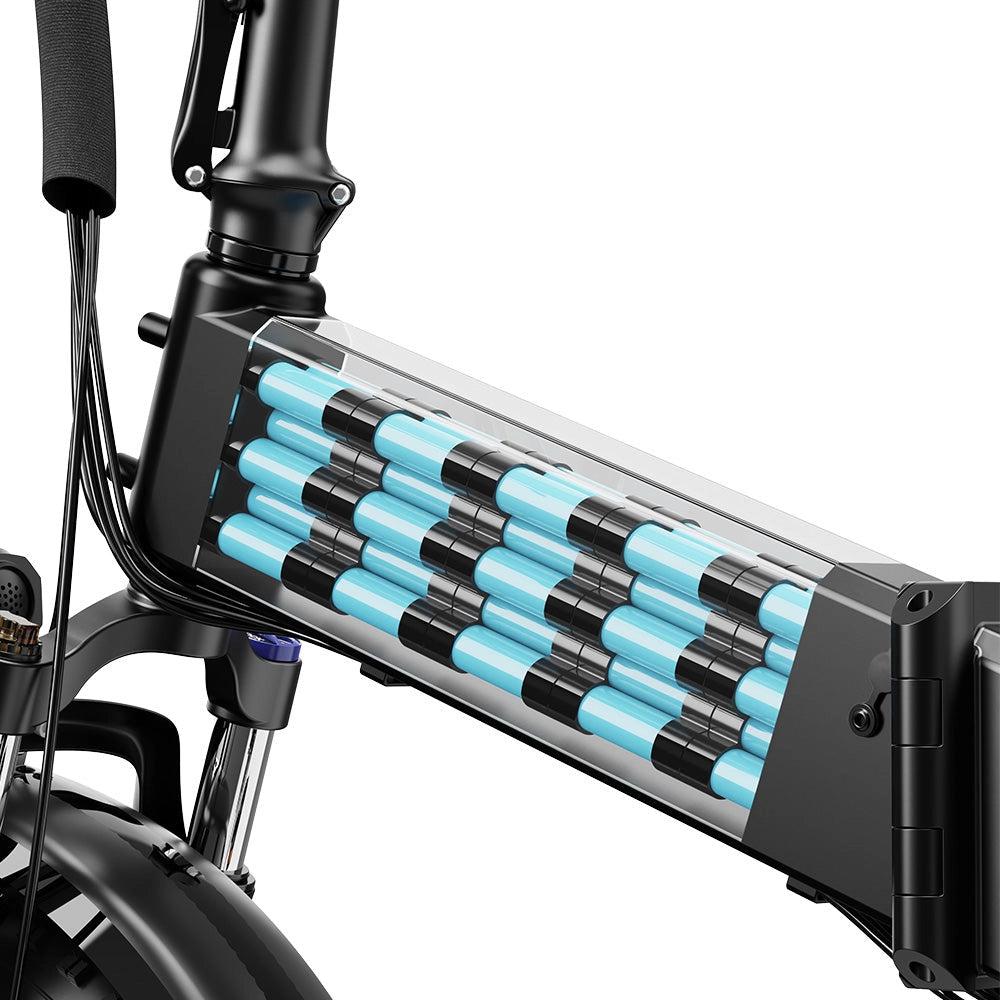
Next, immerse yourself in the world of European e-bike brands to draw inspiration for your designs. Visit flagship stores or online platforms of brands like Specialized, Canyon, or Riese & Müller to study their innovations in battery integration and motor efficiency. Analyze what sets them apart in the EU e-bike market, such as lightweight frames and smart connectivity features. Attend webinars or read case studies from the European Bicycle Manufacturers Association to understand branding strategies. If you're aiming for differentiation, note how these brands incorporate eco-friendly materials sourced locally. Document your findings in a mood board, highlighting elements like ergonomic designs and app integrations. This research phase, lasting about a month, ensures your product stands out among established European e-bike brands while complying with EU directives like the Machinery Directive for safety.
Step 3: Designing Custom E-Bike Solutions
With research in hand, proceed to develop custom e-bike solutions tailored to your target audience. Collaborate with your chosen EU e-bike factory by sharing detailed specifications, including frame materials (e.g., aluminum for durability), motor types (mid-drive vs. hub), and battery capacities (aim for 500Wh+ for extended range). Use CAD software like SolidWorks to prototype designs, then iterate based on factory feedback during virtual meetings. Incorporate features like integrated lights and GPS tracking to meet modern demands in the EU e-bike market. Budget for prototyping costs, which can range from €5,000 to €20,000 depending on complexity. Test prototypes for compliance with EN 15194 standards through third-party labs. This iterative process, spanning 2-3 months, refines your custom e-bike solutions for seamless e-bike assembly in Europe.
Step 4: Navigating E-Bike Assembly in Europe
Once designs are finalized, dive into the logistics of e-bike assembly in Europe. Select a factory with automated lines for efficiency, ensuring they handle sourcing of components like Bosch motors or Shimano drivetrains from EU suppliers to minimize tariffs. Outline a production timeline: from component procurement (4-6 weeks) to final assembly and quality checks (2-4 weeks per batch). Implement lean manufacturing principles to reduce waste, aligning with EU green deal initiatives. Monitor progress with weekly updates and site visits if possible. For scalability, plan for initial runs of 100-500 units to test market response. Address potential challenges like supply chain disruptions by diversifying suppliers. This phase, crucial for the EU e-bike factory operation, ensures high-quality output ready for distribution.
Step 5: Launching and Scaling in the EU E-Bike Market
Finally, launch your product into the vibrant EU e-bike market with a strategic rollout. Develop marketing materials emphasizing your ties to an EU e-bike factory for authenticity, targeting urban commuters via social media and e-commerce platforms like Amazon EU. Partner with local distributors in key markets like France and Spain. Track performance using analytics tools to measure sales and customer feedback, aiming for certifications like the EU Ecolabel to boost credibility. Reinvest profits into R&D for future iterations, exploring trends like hydrogen-assisted e-bikes. By following these steps, you'll not only establish a foothold with your e-bike manufacturer but also contribute to the sustainable growth of the sector. This comprehensive approach positions your brand for long-term success, with the EU e-bike factory at its core.
If you are interested in learning more about establishing manufacturing partnerships with EU e-bike factories or exploring custom e-bike solutions for your business, we welcome your inquiry. We provide comprehensive information about manufacturing capabilities and partnership opportunities for businesses looking to enter or expand in the European e-bike market. Our team is available to discuss how we can support your specific business objectives through our manufacturing expertise and industry connections.