
Why Lightweight Folding Commuter E-Bikes Are Ideal for Modern Urban Mobility
Designed for Fast, Flexible City Travel
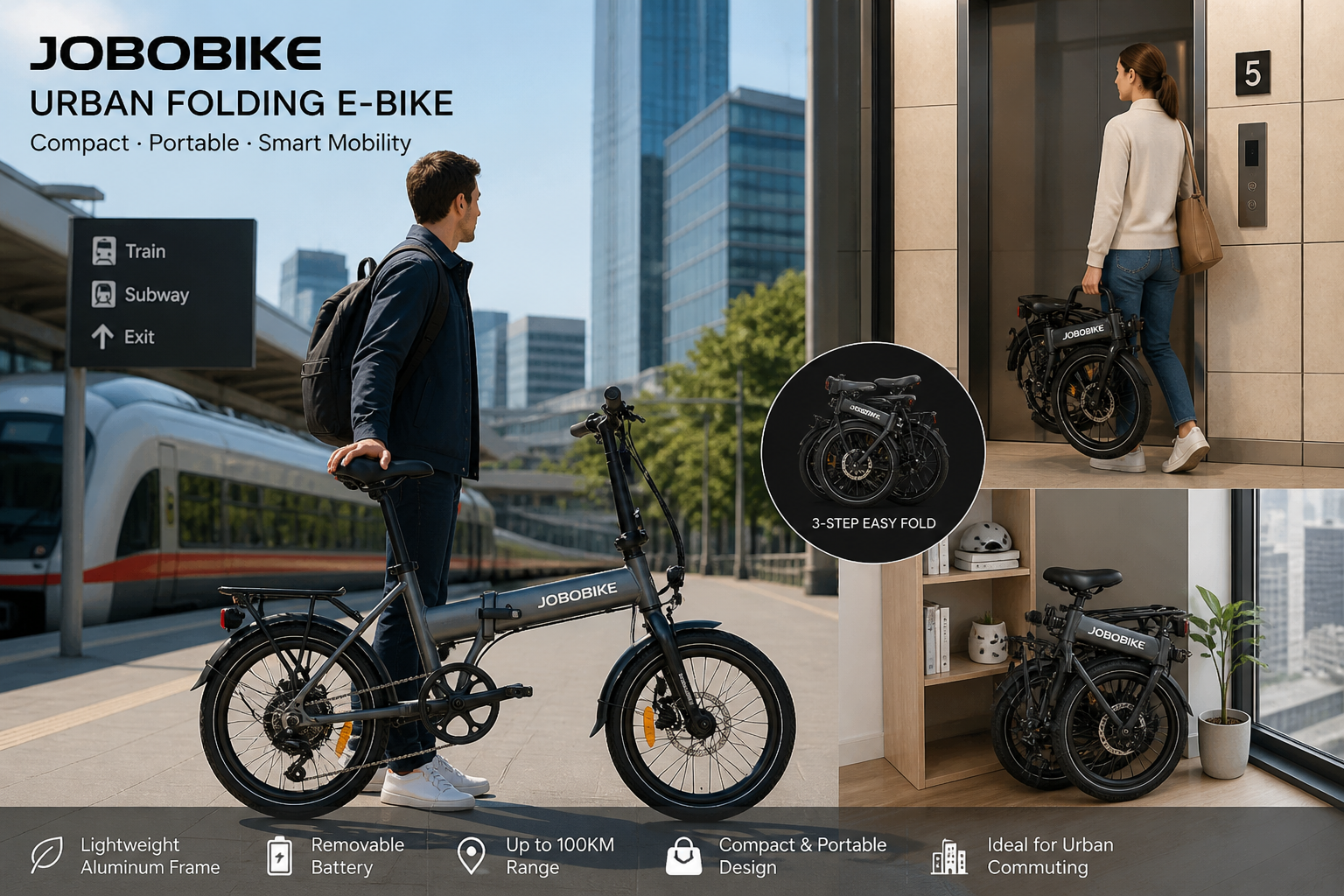
Urban commuters often move between crowded streets, office buildings, metro stations, and limited storage spaces.
A lightweight folding commuter e-bike helps them navigate these environments efficiently by offering:
-
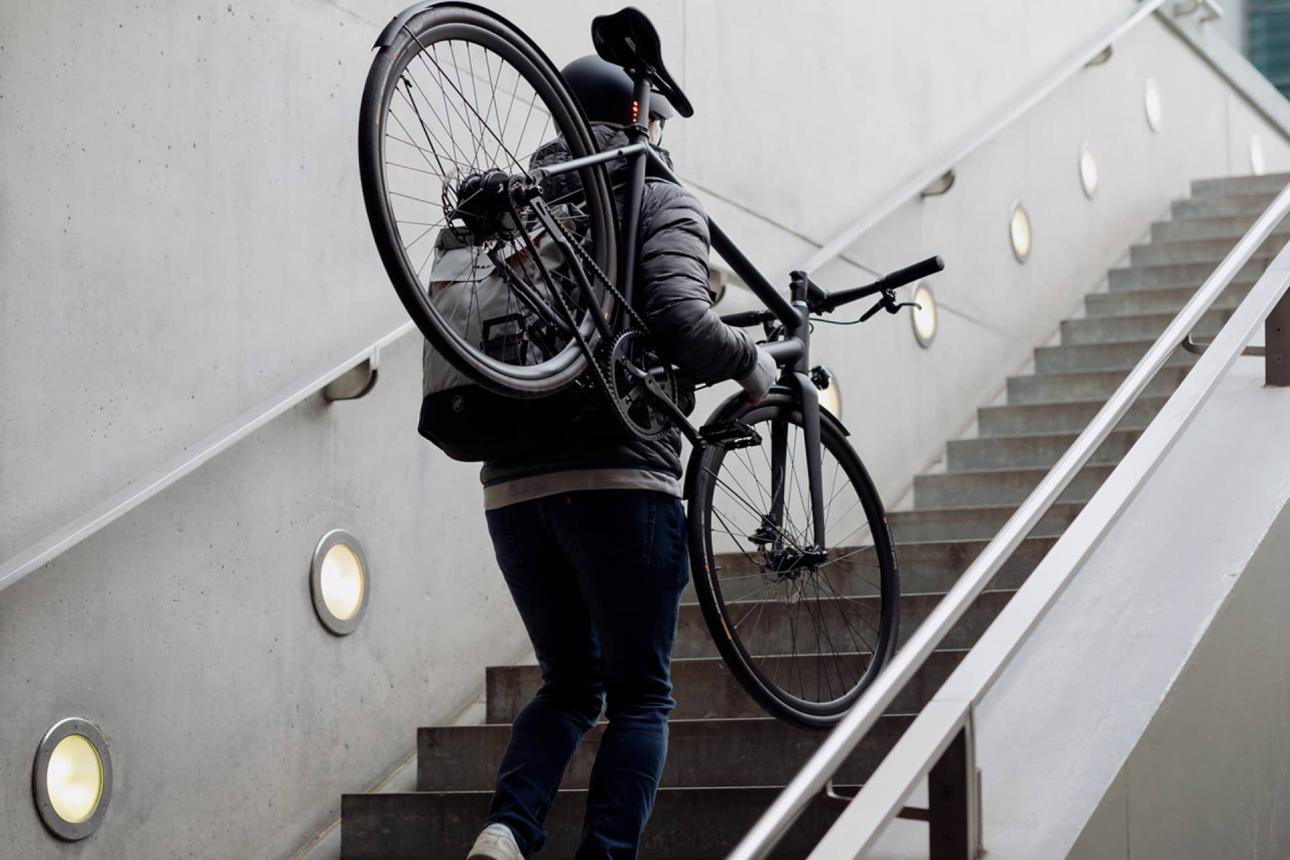
Low overall weight for easy carrying
-
Fast folding mechanisms for multi-modal travel
-
Compact storage suitable for small apartments or workplaces
-
Stable daily commuting performance
For riders who combine walking, public transit, and cycling, weight and foldability directly determine daily usability.
Engineering the Lightweight Structure
Building a light yet durable folding e-bike requires thoughtful material and geometry choices.
Key technical elements include:
-
Aluminum alloy frames (6061/7005) for strength at reduced weight
-
Reinforced hinge hardware made from stainless steel or forged alloys
-
Internal cable routing to avoid snagging during fold-unfold cycles
-
20-inch wheel platforms optimized for city speed and maneuverability
-
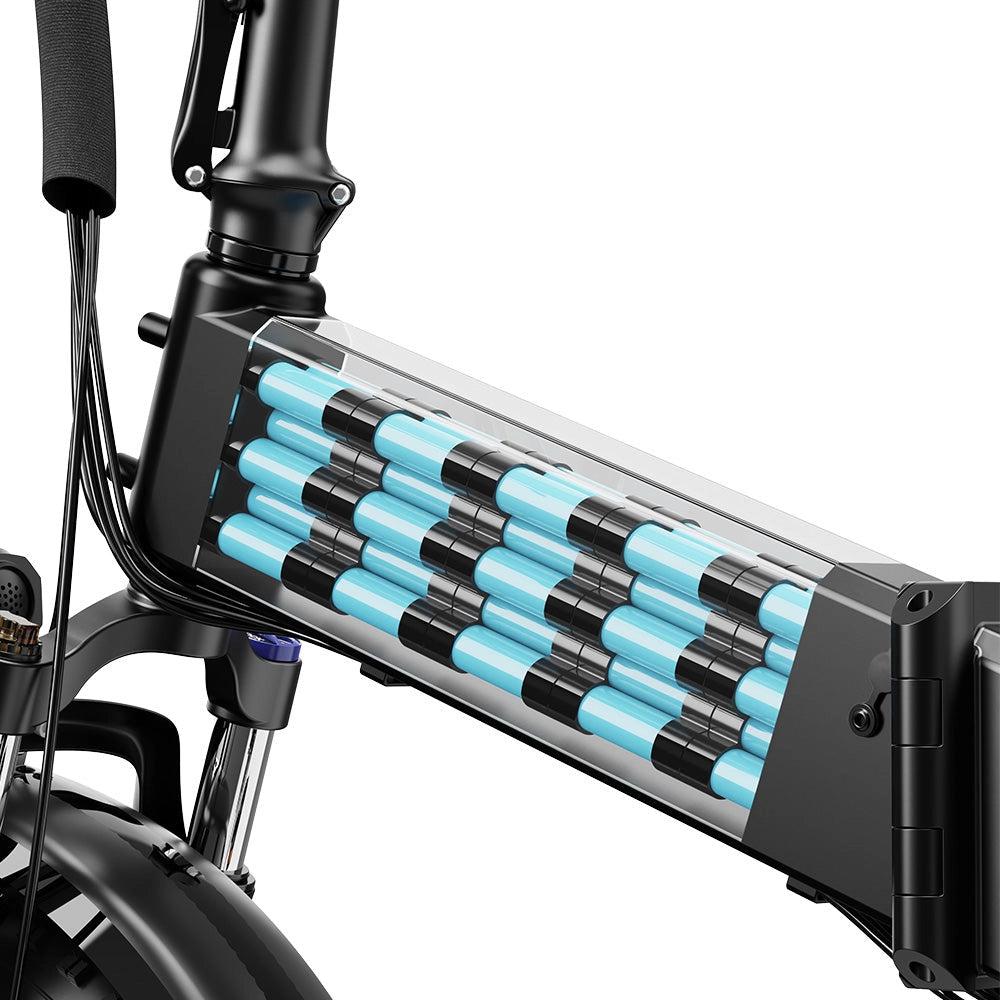
Optimized battery placement to maintain balance while minimizing unnecessary mass
These features allow a lightweight folding commuter e-bike to maintain both structural rigidity and portable convenience.
Folding Mechanisms Built for Daily Commuting
A reliable folding system should remain smooth and secure even after thousands of operations.
Engineering priorities include:
-
Central locking hinge with double-safety latches
-
Handlebar and pedal folding joints that reduce final folded volume
-
8–10 second folding time suitable for busy transportation environments
-
Anti-rotation guides that keep components aligned during folding
These components ensure durability without adding unnecessary weight.
Power Systems Optimized for Urban Efficiency
Commuting demands consistent, predictable power, but not excessive motor mass.
Common configurations for lightweight designs:
-
250W rear hub motors for efficient energy consumption
-
36V or 48V battery systems matched to daily commuting distances
-
Smooth controller profiles designed for stop-and-go traffic
-
Low rolling-resistance tires for high-efficiency city riding
Together, these elements ensure that a lightweight folding commuter e-bike remains both energy-efficient and practical for everyday urban use.
Lightweight vs. Standard Folding E-Bikes
| Feature | Lightweight Folding Commuter E-Bike | Standard Folding E-Bike |
|---|---|---|
| Weight | 18–22 kg | 24–28 kg |
| Portability | Easy to carry | Harder to lift |
| Folded Size | Smaller, compact | Slightly larger |
| Battery Consumption | More efficient | Standard consumption |
| Best Use Case | Multi-modal commuting | Short city trips |
This comparison demonstrates why weight reduction strongly influences usability for daily commuters.
Manufacturing Insight from JOBO ebike
At JOBO ebike, lightweight folding models are developed around durability-first engineering.
Testing includes:
-
Fatigue testing of folding hinges over thousands of cycles
-
Vibration testing to ensure battery and controller stability
-
Real-world commuting simulations with repeated fold-unfold patterns
-
Wet-weather assessments on seals and connectors
The goal is to maintain structural stability while delivering the low weight demanded by city riders and OEM partners.
Best Configurations for Different Commuting Scenarios
1. Metro + Cycling Commuters
-
Under 20 kg total weight
-
Fast folding hinge
-
Carry-friendly frame design
2. Office Workers With Limited Storage
-
Slim folded footprint
-
Quiet motor with sealed electronics
-
Removable battery for indoor charging
3. Cross-City Riders (10–25 km/day)
-
48V battery for increased range
-
Efficient hub motor tuning
-
Lightweight but rigid frame
4. Shared Mobility or Fleet Use
-
Reinforced hinge components
-
Modular wiring for easy maintenance
-
Anti-theft battery locking
What Buyers Should Check Before Purchasing
| Common Issue | Why It Matters | Recommendation |
|---|---|---|
| Weak folding joints | Low durability under daily use | Prioritize reinforced hinge designs |
| Overweight frames | Reduces portability | Choose 18–22 kg models |
| Loose battery housing | Causes vibration and noise | Look for secure lock-in mounts |
| Poor sealing | Affects rainy-day commuting | Verify IP-rated connectors |
| Unstable handling | Imbalanced weight distribution | Ensure battery placement near center |
| Limited spare parts | Slows fleet maintenance | Confirm long-term parts supply |
| Missing certifications | Restricts market entry | Require CE / EN15194 compliance |
Frequently Asked Questions
Q1: Are lightweight folding commuter e-bikes strong enough for daily riding?
Yes. High-quality materials and proper hinge engineering ensure durability even with daily folding cycles.
Q2: Does lighter weight reduce stability?
When the battery and motor are well-positioned, lightweight models remain stable at commuter speeds.
Q3: What is the typical range?
Most models deliver 40–70 km depending on battery size and riding conditions.
Compact Power for the Modern Urban Lifestyle
As commuting patterns evolve, the lightweight folding commuter e-bike offers a practical combination of portability, efficiency, and daily reliability. At JOBO ebike, we continue refining frame design, folding mechanisms, and energy efficiency to support brands developing next-generation commuter platforms.
To explore technical options or discuss OEM customization, visit our homepage or reach our team through the contact page.