2WD City E-Bikes: Smarter Urban Mobility with Dual Motor Efficiency
Why Dual-Drive Makes Sense for City Commuting
Urban commuting often involves frequent starts, sudden stops, and uneven road conditions.
A 2WD city e-bike — powered by both front and rear motors — offers smoother acceleration, enhanced traction on wet surfaces, and better energy efficiency compared with traditional single-motor setups.
For OEMs, the 2WD system represents a key differentiator: it enables higher safety standards, advanced control algorithms, and optimized battery usage across daily riding patterns.
Core Engineering of a 2WD System
A well-calibrated 2WD e-bike integrates both motors under one intelligent control unit.
Key engineering highlights include:
-
Front + rear hub motors (2 × 250–500W) for traction balance
-
Synchronized torque control to avoid wheel slip during acceleration
-
Regenerative braking on the front motor for energy recovery
-
Dual BMS coordination ensuring stable voltage management
-
Lightweight aluminum frame design maintaining urban portability
This architecture creates a ride experience that feels both responsive and stable, especially when navigating city slopes or damp road surfaces.
Comparison: 2WD vs Standard City E-Bike
| Feature | Standard City E-Bike | 2WD City E-Bike |
|---|---|---|
| Motor Type | Single rear hub | Dual front + rear |
| Traction | Rear only | Balanced, all-wheel drive |
| Acceleration | Moderate | Faster, smoother |
| Stability on Wet Roads | Limited | Enhanced grip and control |
| Energy Recovery | Minimal | Regenerative braking enabled |
| Ideal Use Case | Short commutes | Mixed-weather, long-distance city travel |
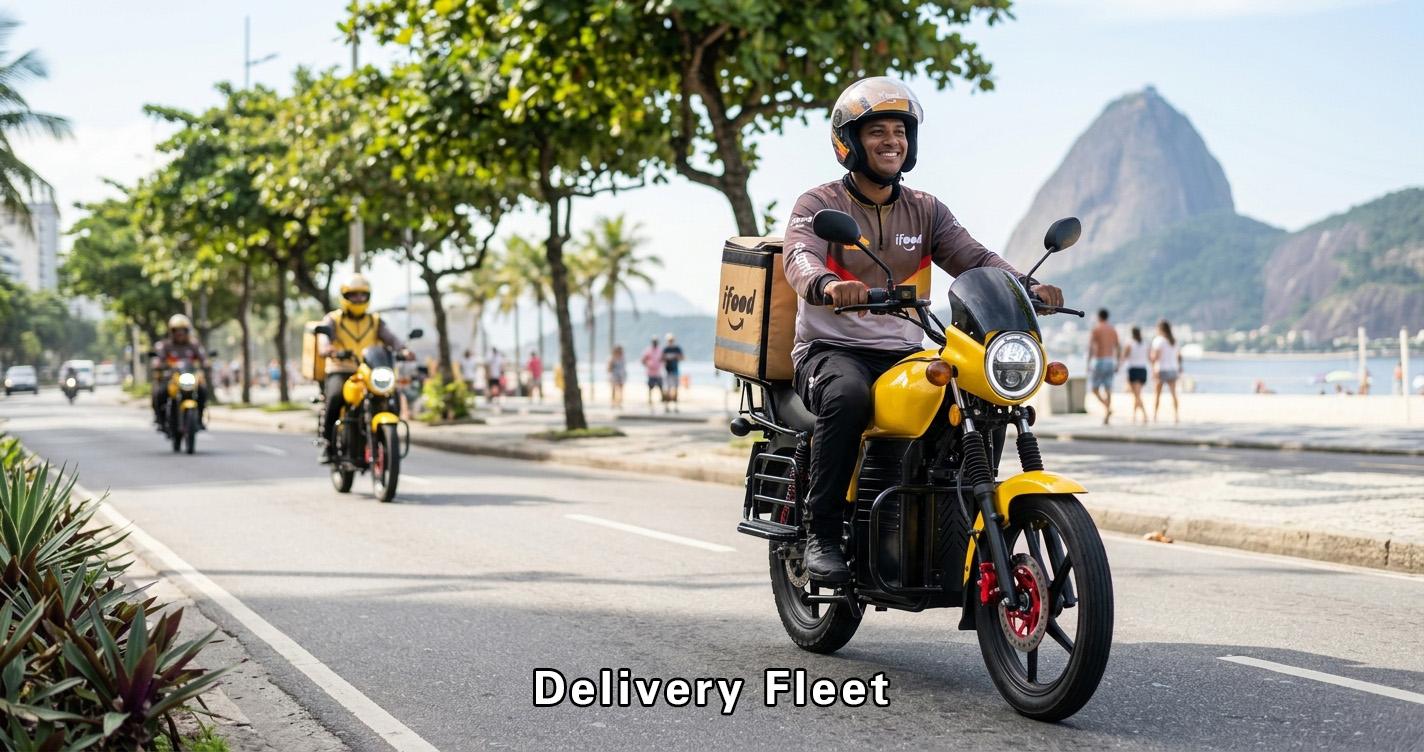
The 2WD configuration gives urban riders the benefits of full-time traction and predictable handling — key advantages for business fleets and delivery operators.
Manufacturing Insight from JOBO ebike
At JOBO ebike, our 2WD city platforms integrate AI-based torque distribution and dual-controller synchronization to maintain a perfect power balance between front and rear motors.
Our design team works closely with OEM clients to customize voltage levels, motor torque profiles, and control interfaces for different regional standards (EU 250W / US 500W).
Each model undergoes urban cycle simulation tests, evaluating stop-start efficiency, heat performance, and regenerative output before production approval.
For fleet buyers or brand owners, this ensures consistency, durability, and regulatory compliance across diverse markets.
OEM Customization Options
| Customizable Component | Available Options | OEM Benefit |
|---|---|---|
| Motor Setup | Dual 250W / Dual 500W | Adjustable to market laws |
| Torque Output | 80–120 Nm combined | Stable climbing and acceleration |
| Battery System | Single or dual 48V 15Ah | Range flexibility |
| Controller Logic | Independent / unified system | Adaptive power balance |
| Frame Material | Aluminum / Carbon Fiber | Lightweight structure |
| Display Interface | Smart LCD / App-connected | Supports fleet tracking |
Through modular design, OEMs can adapt each configuration for different customer groups — from urban commuters to commercial delivery services.
What Buyers Should Check Before Ordering
| Common Issue | Why It Matters | Recommendation |
|---|---|---|
| Unsynchronized motors | Causes drag and energy waste | Require controller calibration report |
| Poor waterproofing | Shortens motor life | Ensure IP65–IP67 standards |
| Excessive weight | Affects maneuverability | Use light alloy frames |
| Overvoltage mismatch | Risks component failure | Verify dual BMS communication |
| Non-compliant wattage | Blocks export | Align with EU/US limits |
| Weak braking system | Unsafe for fleets | Choose regenerative disc brakes |
Frequently Asked Questions
Q1: Are 2WD e-bikes heavier than normal models?
Slightly — about 2–3 kg more, but optimized frame geometry keeps them agile and balanced.
Q2: Can both motors operate at once?
Yes. The smart controller automatically manages torque based on load, slope, and speed, improving efficiency.
Q3: Is the 2WD system safe for rainy conditions?
Absolutely. With balanced traction and waterproof enclosures, it performs reliably on wet city roads.
Redefining Balance in Urban E-Mobility
The 2WD city e-bike is not just an upgrade — it’s a shift toward intelligent mobility that values both safety and performance.
At JOBO ebike, we specialize in developing dual motor systems optimized for real-world commuting, combining endurance with precision control.
To explore our OEM customization programs or request detailed specifications, visit our homepage or contact our team via the contact page.