How B2B E-Bike Platforms Are Reshaping Global Electric Mobility Trade
Connecting Manufacturers and Buyers in a Digital Ecosystem
The rapid growth of electric mobility has made the B2B e-bike platform one of the most important digital tools in the supply chain.
Rather than relying on traditional trade shows or manual outreach, importers and OEM brands now connect directly with verified manufacturers online.
These platforms enable:
-
Global sourcing of e-bike models, batteries, and components
-
Instant product comparison by specification or price
-
Streamlined quotation and order processes
-
Long-term partnerships between factories and distributors
For brands seeking scalable electric mobility solutions, B2B platforms have become a bridge between innovation and supply.
Key Features That Define a Modern B2B E-Bike Platform
A professional B2B platform focuses on more than listings — it integrates data, logistics, and compliance.
The most successful platforms include:
| Function | Description |
|---|---|
| Verified Supplier System | Manufacturers undergo audits for capability, compliance, and delivery performance. |
| OEM & ODM Matching | Buyers can submit customization requirements and receive model-matched proposals. |
| Multi-Currency Quotation Tools | Simplifies international trade with automated price conversion. |
| Product Specification Filters | Enables precise search by motor type, voltage, frame size, or certification. |
| Supply Chain Integration | Supports order tracking and logistics management directly on platform. |
| After-Sales Collaboration | Maintains long-term brand-support relationships beyond single transactions. |
Together, these features make a B2B e-bike platform not only a marketplace but a digital infrastructure for industrial cooperation.
Why Manufacturers and Buyers Benefit Alike
For suppliers, platforms reduce marketing and sales costs while expanding reach.
For buyers, they minimize sourcing risk and speed up project execution.
Supplier Benefits:
-
Global visibility among high-quality distributors
-
Access to OEM/ODM project leads
-
Simplified quotation management
Buyer Benefits:
-
Verified product sourcing
-
Transparent pricing and certification information
-
Easy contact with multiple manufacturers at once
As the electric bike market matures, platforms that integrate data transparency and supply capability will dominate global trade.
Manufacturing Insight from JOBO ebike
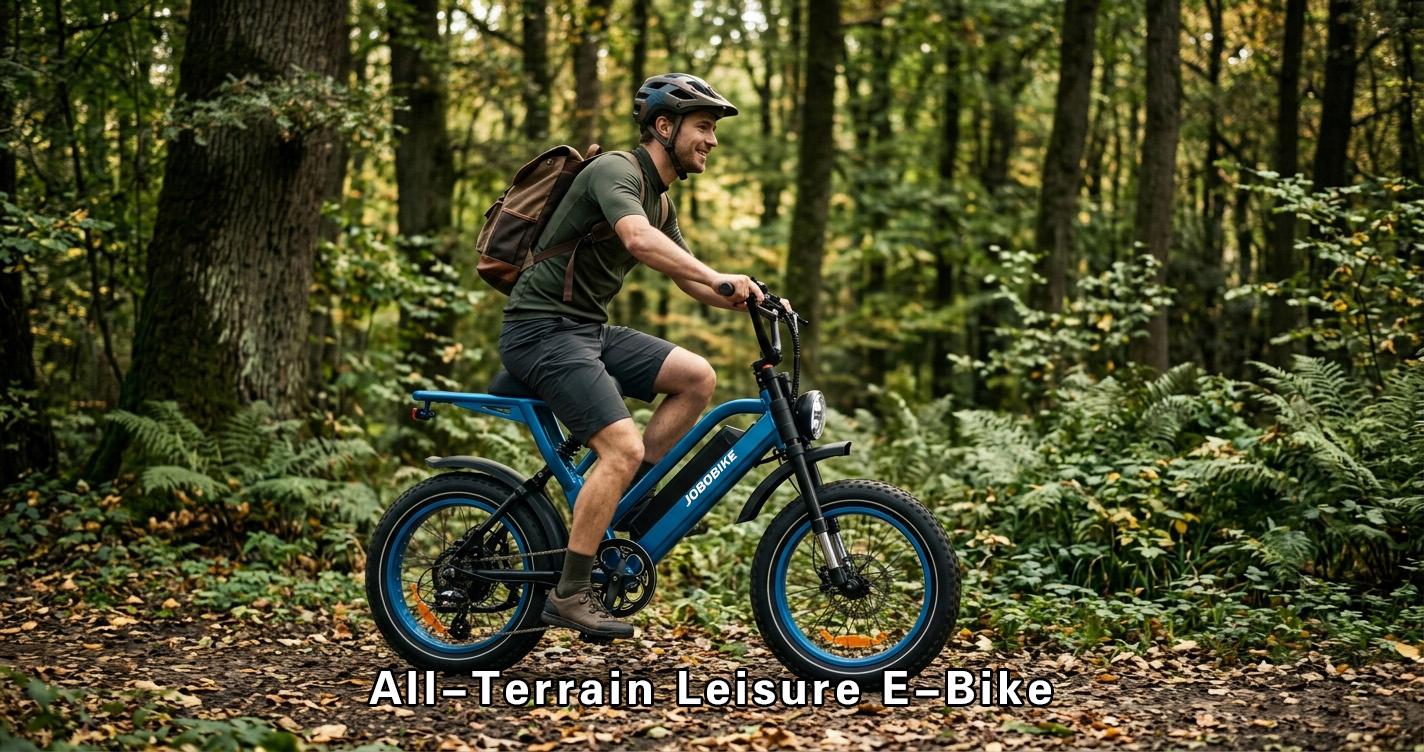
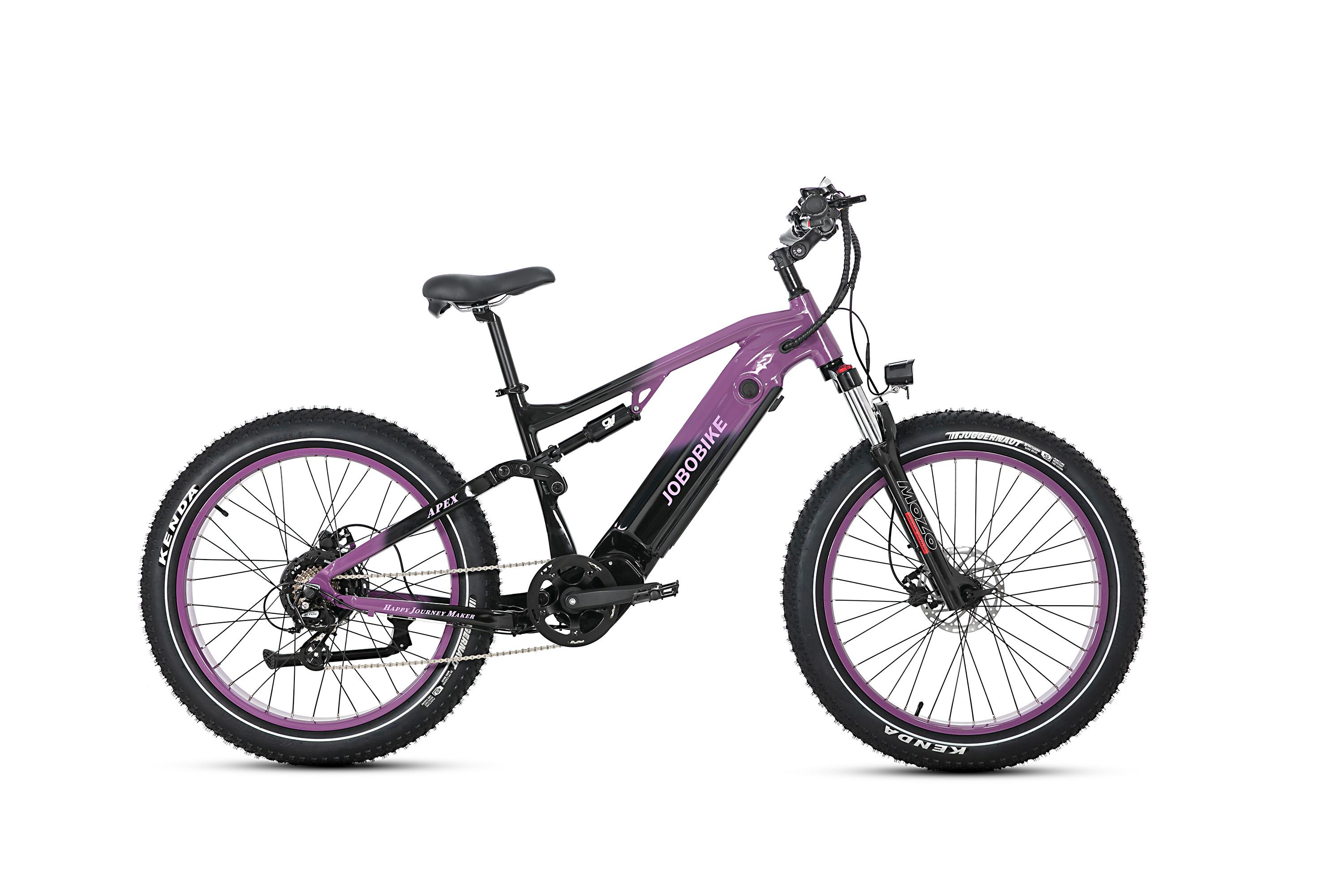
At JOBO ebike, our partnerships with digital B2B networks allow buyers to access customizable e-bike models across commuter, cargo, and mountain categories.
Our engineering teams maintain standardized documentation — including EN15194 and CE certifications — ensuring compliance for overseas OEM clients.
By leveraging B2B digital tools, JOBO ebike supports efficient communication, quoting, and production cycles for partners worldwide.
Evaluating a Reliable B2B E-Bike Platform
| Common Issue | Why It Matters | Recommendation |
|---|---|---|
| Unverified suppliers | Risk of inconsistent quality | Choose platforms with audited manufacturers |
| Poor data accuracy | Leads to product mismatches | Require spec-driven filters and verified specs |
| Limited OEM customization | Restricts brand differentiation | Opt for OEM/ODM-enabled platforms |
| Weak logistics support | Delays international delivery | Ensure integrated shipping & tracking |
| Missing certification info | Hinders import approval | Verify CE / EN15194 compliance |
Frequently Asked Questions
Q1: What’s the difference between a B2B e-bike platform and a marketplace?
A true platform facilitates communication, document sharing, and OEM matching — not just listings.
Q2: Can smaller buyers use these platforms?
Yes, many allow minimum order flexibility or sample requests before full production.
Q3: How do OEM brands benefit most?
By accelerating supplier discovery, quote comparison, and product standardization across multiple factories.
Building Smarter Global Supply Chains
As electric mobility becomes mainstream, the B2B e-bike platform enables faster collaboration between manufacturers, brands, and distributors worldwide.
At JOBO ebike, we actively engage in digital sourcing ecosystems to simplify OEM cooperation, accelerate project turnaround, and strengthen global partnerships.
To learn more about our OEM capabilities or partnership models, visit our homepage or contact us through the contact page.