Introduction to the City Commuter Electric Bike Trend
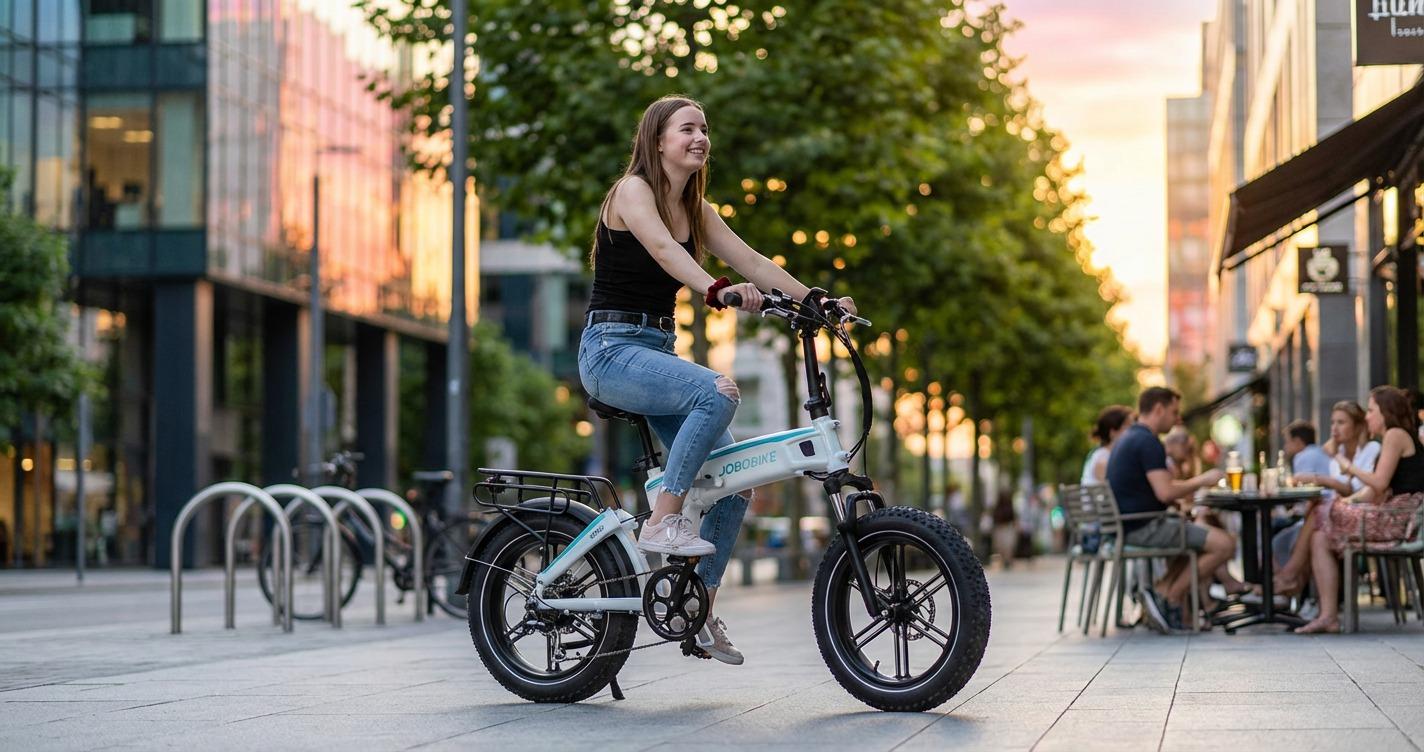
The city commuter electric bike is rapidly becoming a cornerstone of urban mobility, transforming how people navigate bustling cityscapes. As cities worldwide grapple with traffic congestion and environmental concerns, this innovative mode of transport offers a perfect blend of efficiency, sustainability, and style. With advancements in battery technology and lightweight designs, city commuter electric bikes are no longer just a niche option but a mainstream choice for daily commuters. In this trend analysis, we'll explore how these bikes, including standout models like the JOBOBIKE Eddy, are shaping the future of urban travel.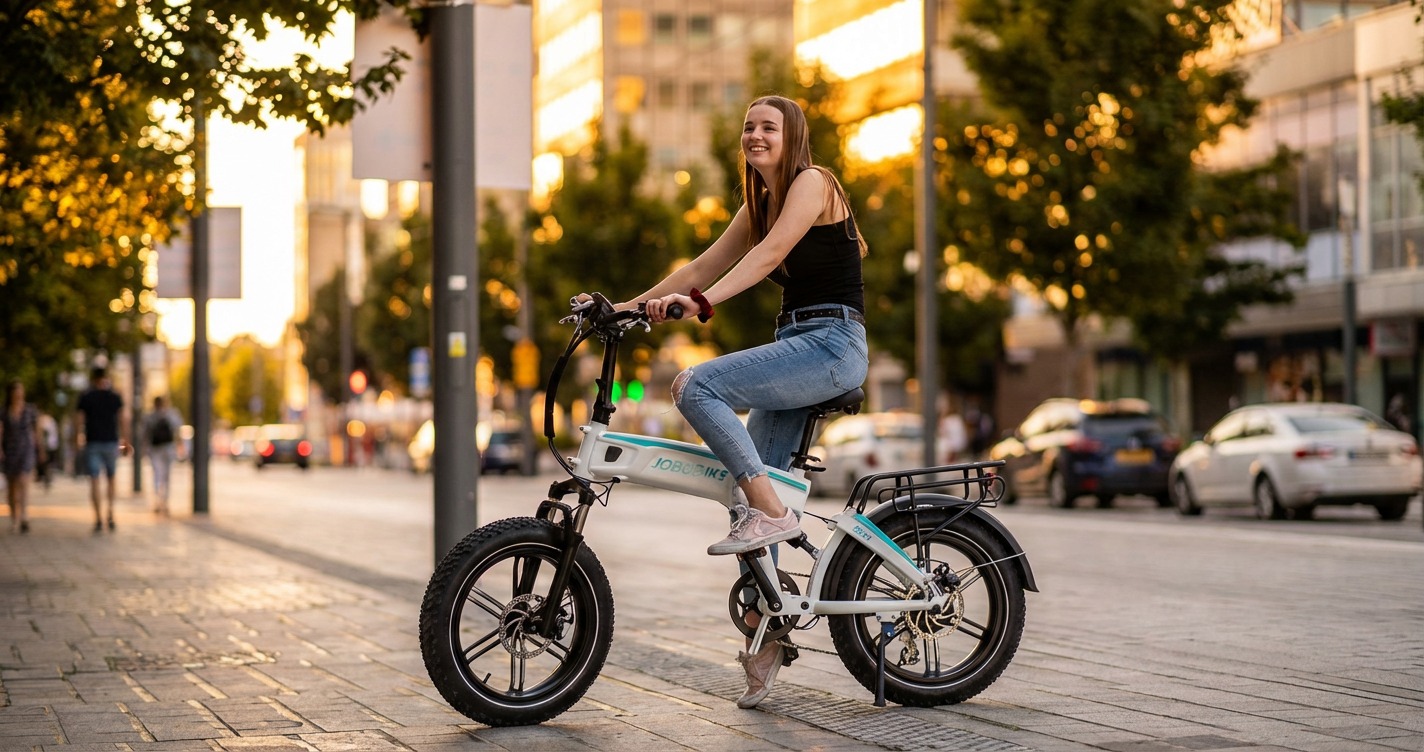
Lightweight Commuter Electric Bike: Agility Meets Efficiency
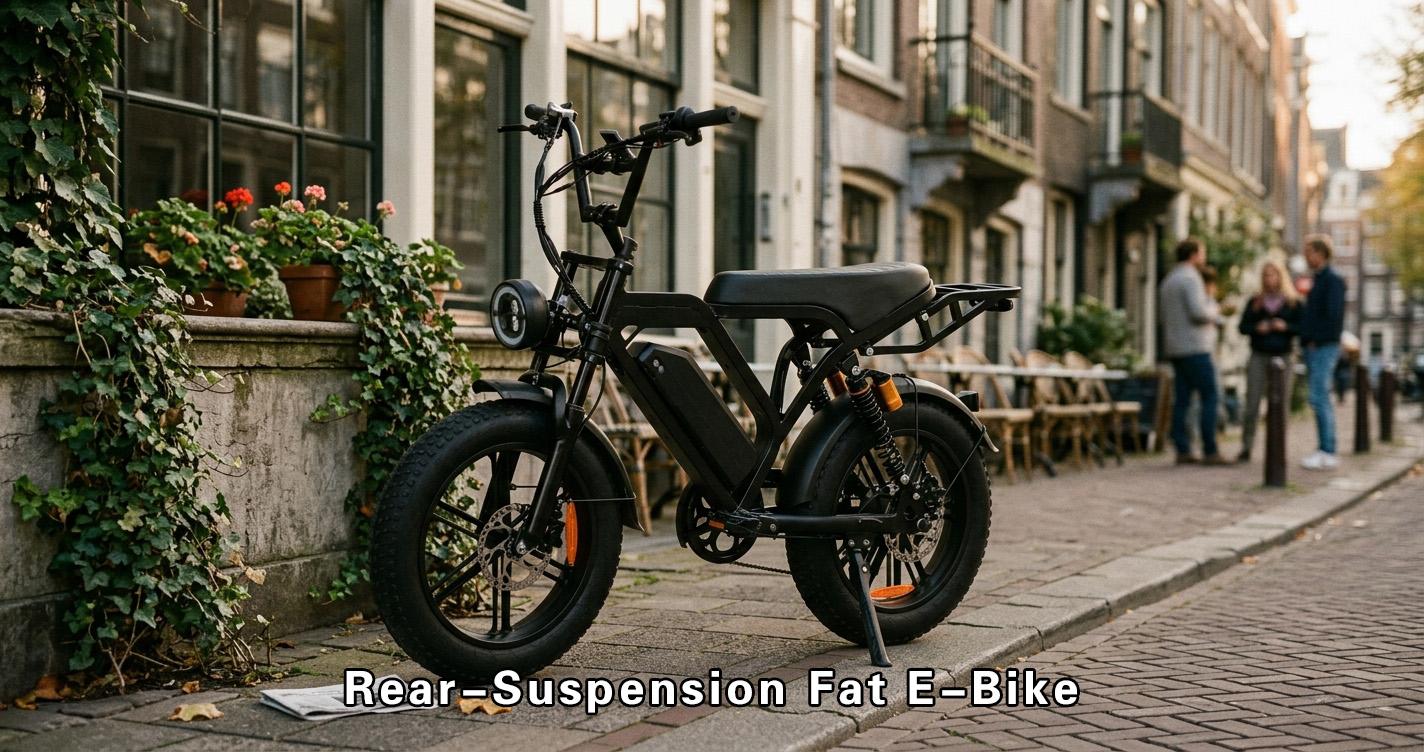
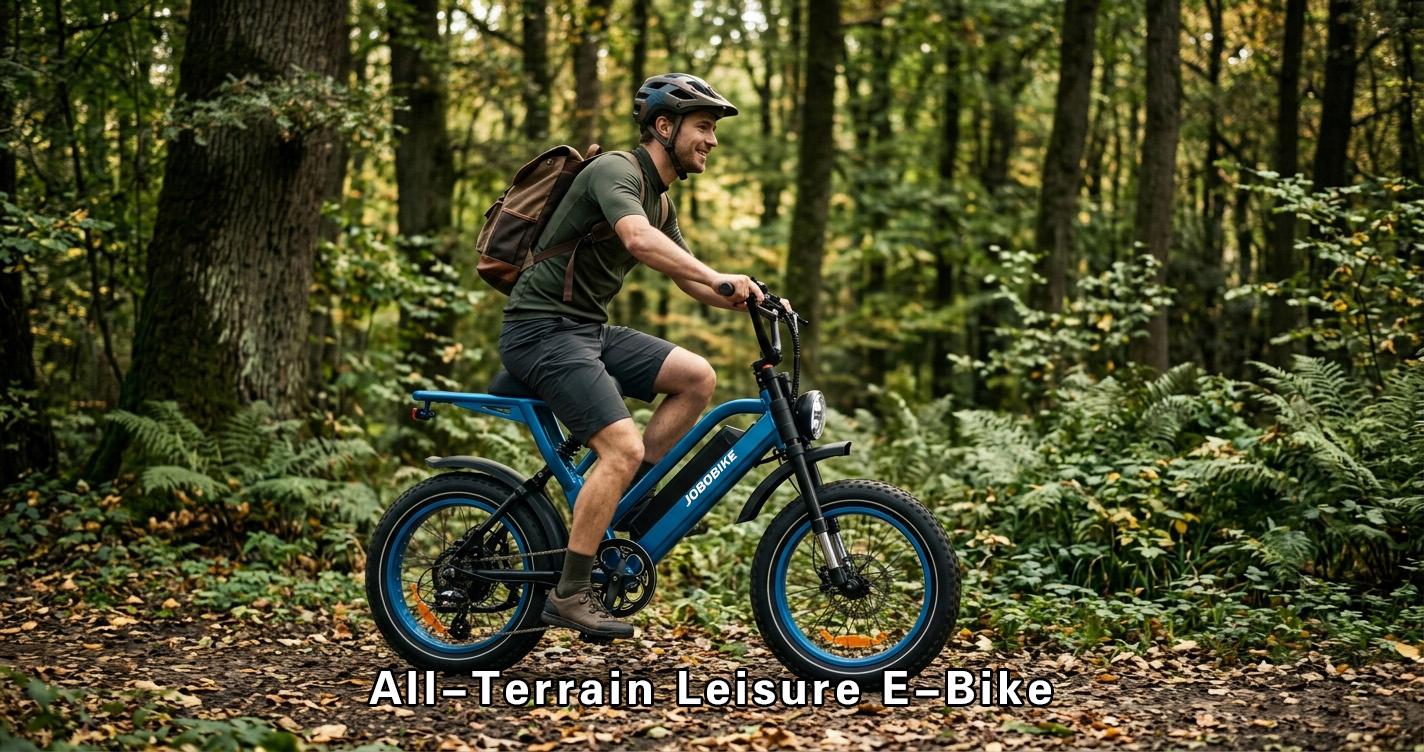
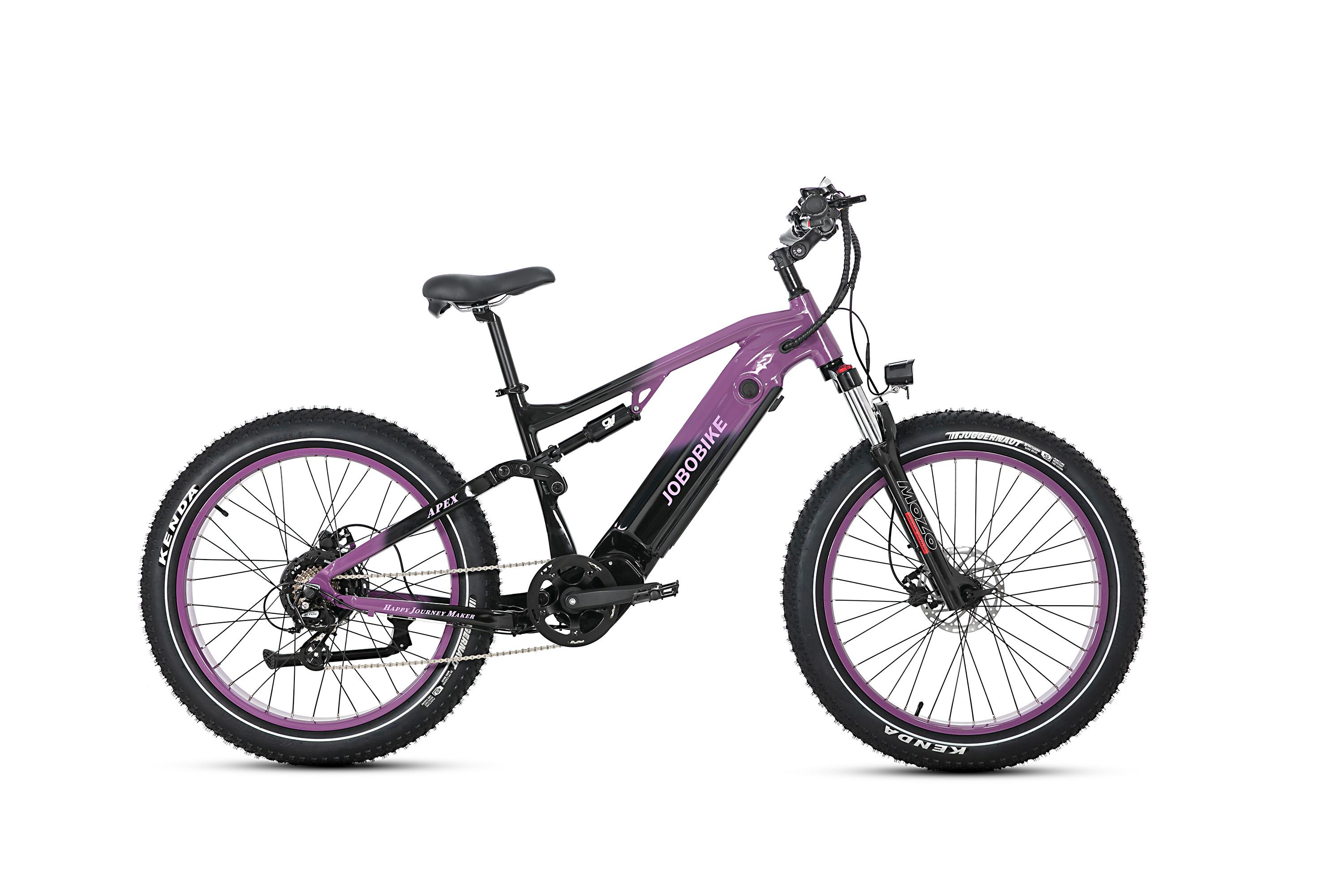
One of the most exciting trends in the city commuter electric bike space is the rise of the lightweight commuter electric bike. These models prioritize portability without sacrificing performance, making them ideal for riders who need to carry their bikes up stairs or store them in small apartments. The Jobobike exemplifies this trend with its sleek frame and robust fat tires that provide stability on uneven city streets, all while keeping the overall weight manageable. Similarly, the JOBOBIKE Eddy's compact design and puncture-resistant tires allow for effortless maneuvering through tight urban spaces. As urban populations grow, the demand for lightweight commuter electric bikes is surging, with manufacturers focusing on materials like aluminum alloys to reduce weight by up to 20% compared to older models. This shift not only enhances rider experience but also promotes eco-friendly commuting by encouraging more people to ditch cars for shorter trips.
Top Electric Bikes for Urban Commuting: Power and Range
When it comes to the top electric bikes for urban commuting, range and power are key differentiators driving current market trends. The long range city commuter electric bike is gaining traction as riders seek options that can handle extended daily journeys without frequent recharges. The Jobobike stands out here, equipped with a powerful electric motor and long-lasting battery that supports seamless travel over longer distances. The JOBOBIKE Eddy complements this with its integrated battery that maintains a streamlined profile while offering an impressive range for uphill commutes and city tours. Industry reports indicate that sales of long range city commuter electric bikes have increased by 35% in the past year, fueled by improvements in lithium-ion batteries that now deliver up to 60 miles per charge. These top electric bikes for urban commuting are also incorporating smart features like app connectivity for route tracking, further enhancing their appeal in a tech-savvy urban environment.
Customizable Commuter Electric Bike: Personalization in Urban Mobility
Customization is another burgeoning trend in the customizable commuter electric bike category, allowing riders to tailor their bikes to personal needs and styles. This personalization trend reflects a broader shift towards individualized urban transport solutions. The Jobobike's ergonomic design with adjustable seating and handlebars makes it a prime example of a customizable commuter electric bike, ensuring comfort for diverse body types. The JOBOBIKE Eddy adds to this with its adjustable handlebars and ergonomic saddle, enabling users to fine-tune their ride for either speedy commutes or relaxed outings. As consumers increasingly value versatility, manufacturers are responding with modular accessories like removable cargo racks and customizable color schemes. This trend is particularly evident in cities like New York and London, where customizable commuter electric bikes help riders adapt to varying weather and terrain, boosting adoption rates among young professionals.
Electric Bike vs Traditional Bike: The Urban Shift
The debate of electric bike vs traditional bike underscores a pivotal trend in urban commuting: the hybridization of cycling. While traditional bikes offer simplicity and exercise benefits, city commuter electric bikes provide assisted power that makes hills and long distances more accessible, especially in flat-out congested areas. Models like the generic sleek electric bicycle with its wide tires and rear cargo rack highlight how electric bikes outperform traditional ones in practicality for daily use, carrying essentials without added strain. Data from recent surveys shows that 70% of urban riders prefer electric options for their time-saving advantages, with the electric bike vs traditional bike comparison often tipping in favor of e-bikes for reducing commute times by 25%. This trend is accelerating the decline of car dependency, promoting greener cities and healthier lifestyles through assisted pedaling that still encourages physical activity.
Future Outlook for City Commuter Electric Bikes
Looking ahead, the city commuter electric bike trend is poised for explosive growth, driven by regulatory incentives for sustainable transport and innovations in motor efficiency. As more cities implement bike lanes and charging infrastructure, models like the JOBOBIKE Eddy will lead the charge in making urban commuting not just practical but enjoyable. With related advancements in the lightweight commuter electric bike, top electric bikes for urban commuting, long range city commuter electric bike, customizable commuter electric bike, and the ongoing electric bike vs traditional bike discourse, the industry is evolving to meet the demands of eco-conscious riders. Ultimately, embracing the city commuter electric bike means investing in a cleaner, more connected urban future.
For those interested in partnering with a manufacturer to bring these innovative urban mobility solutions to your market, we invite you to contact us. As a professional e-bike manufacturer, we specialize in creating customized city commuter electric bikes, including lightweight, long-range, and fully customizable models tailored to your specific branding and commercial needs. Let's collaborate to develop the next-generation e-bikes that will define urban transportation. Reach out today to discuss partnership opportunities and how we can tailor our manufacturing capabilities to support your business goals.