Compact Cargo E-Bikes for Delivery Startups: Efficiency Meets Agility
Why Compact Cargo Bikes Fit Startup Logistics
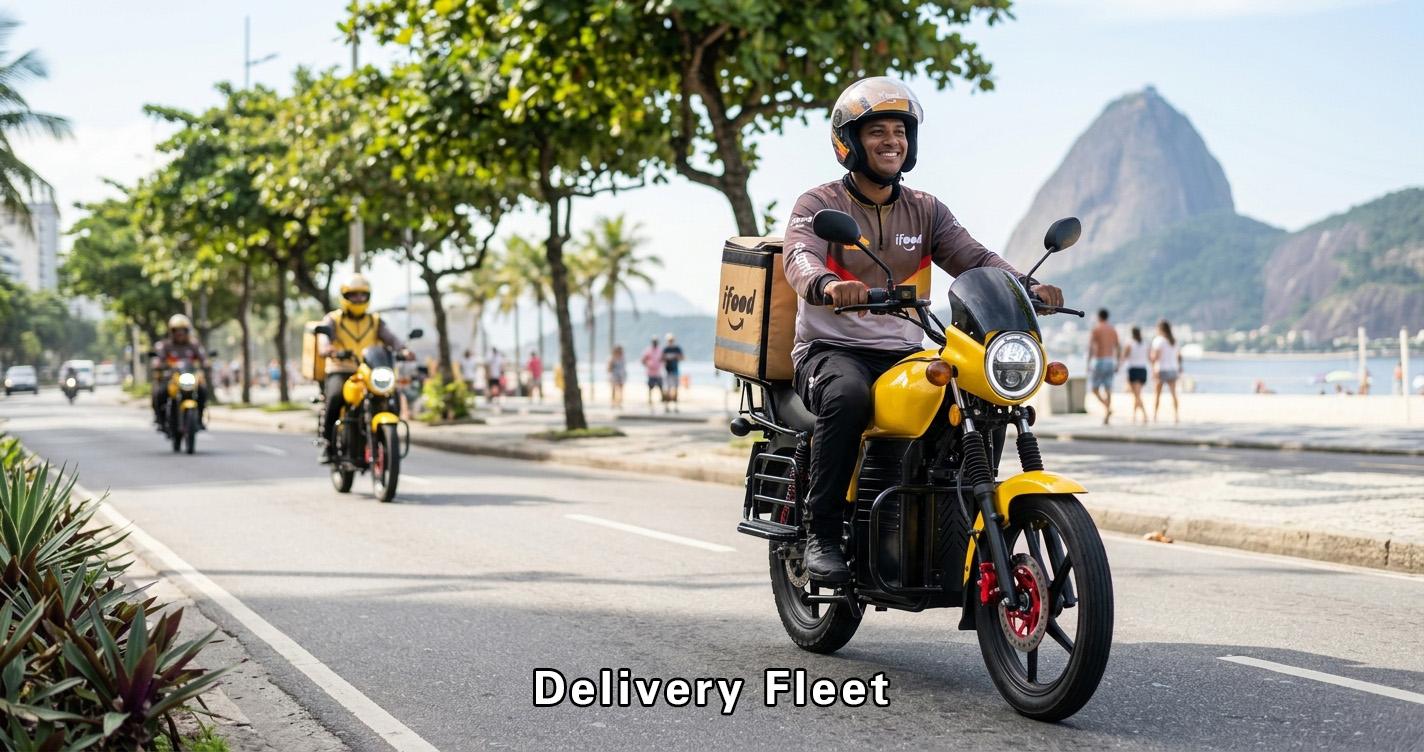
Urban delivery startups often face three immediate challenges: high fuel costs, limited parking, and inconsistent last-mile delivery efficiency.
A compact cargo e-bike offers a perfect middle ground — lightweight, maneuverable, and affordable to operate.
Unlike full-size cargo models, it’s optimized for speed, flexibility, and quick return-on-investment, making it a natural choice for emerging logistics brands or local delivery fleets.
Engineering Compact Power and Balance
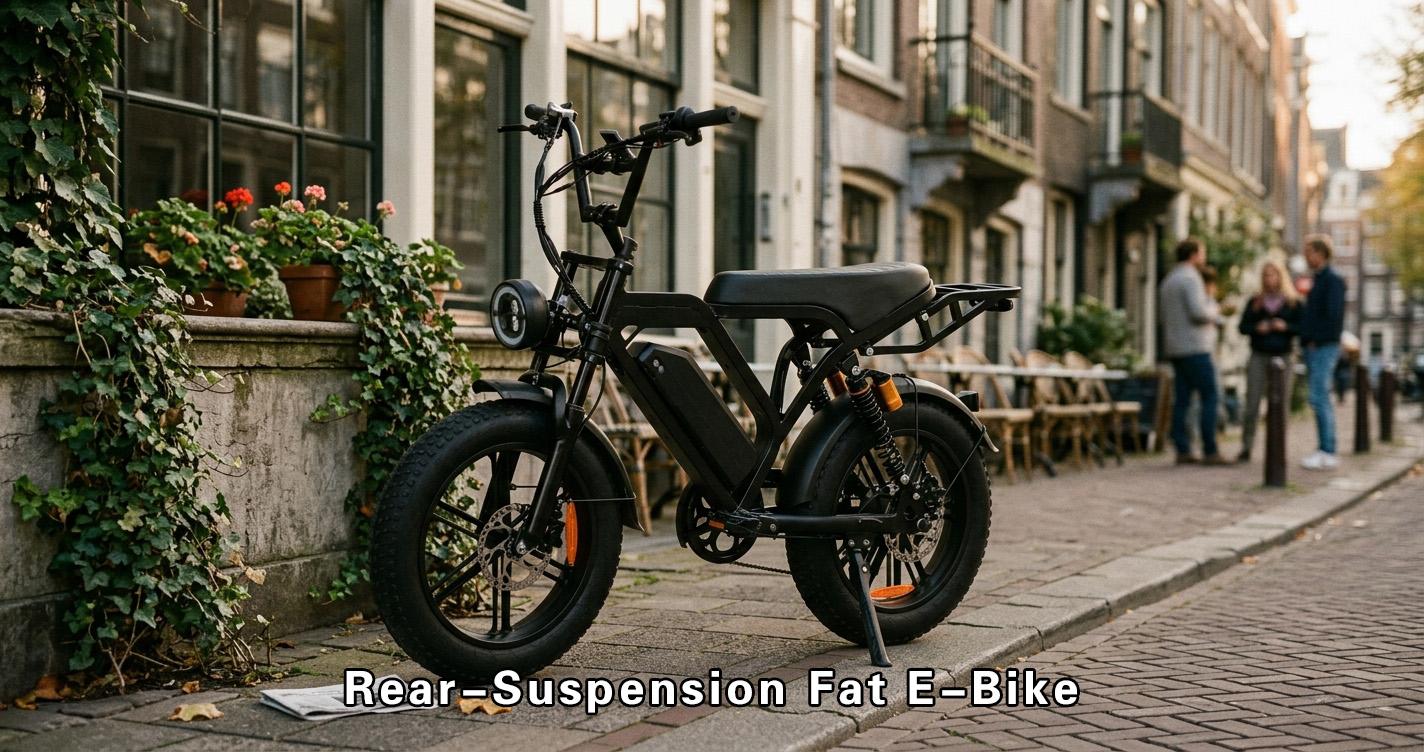
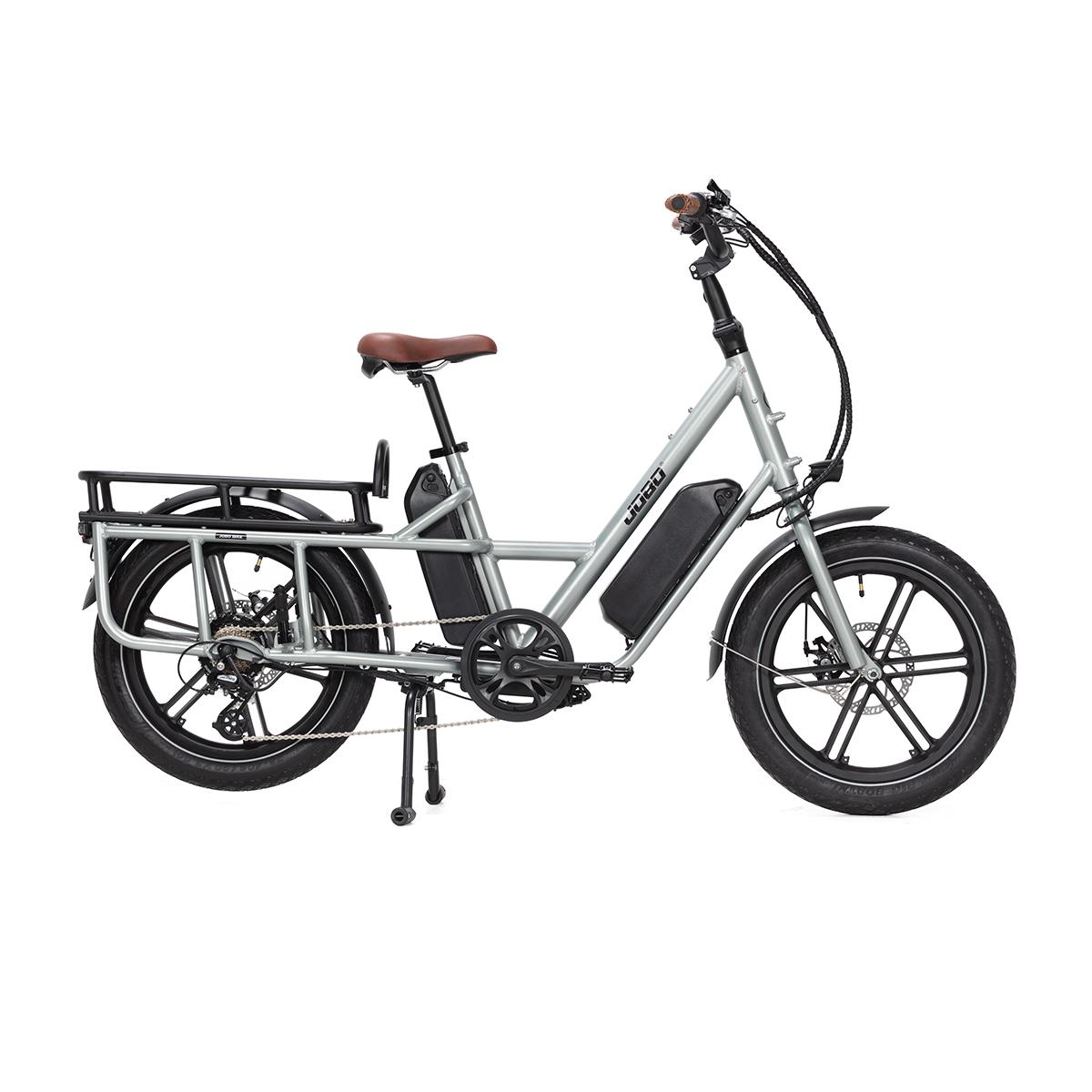
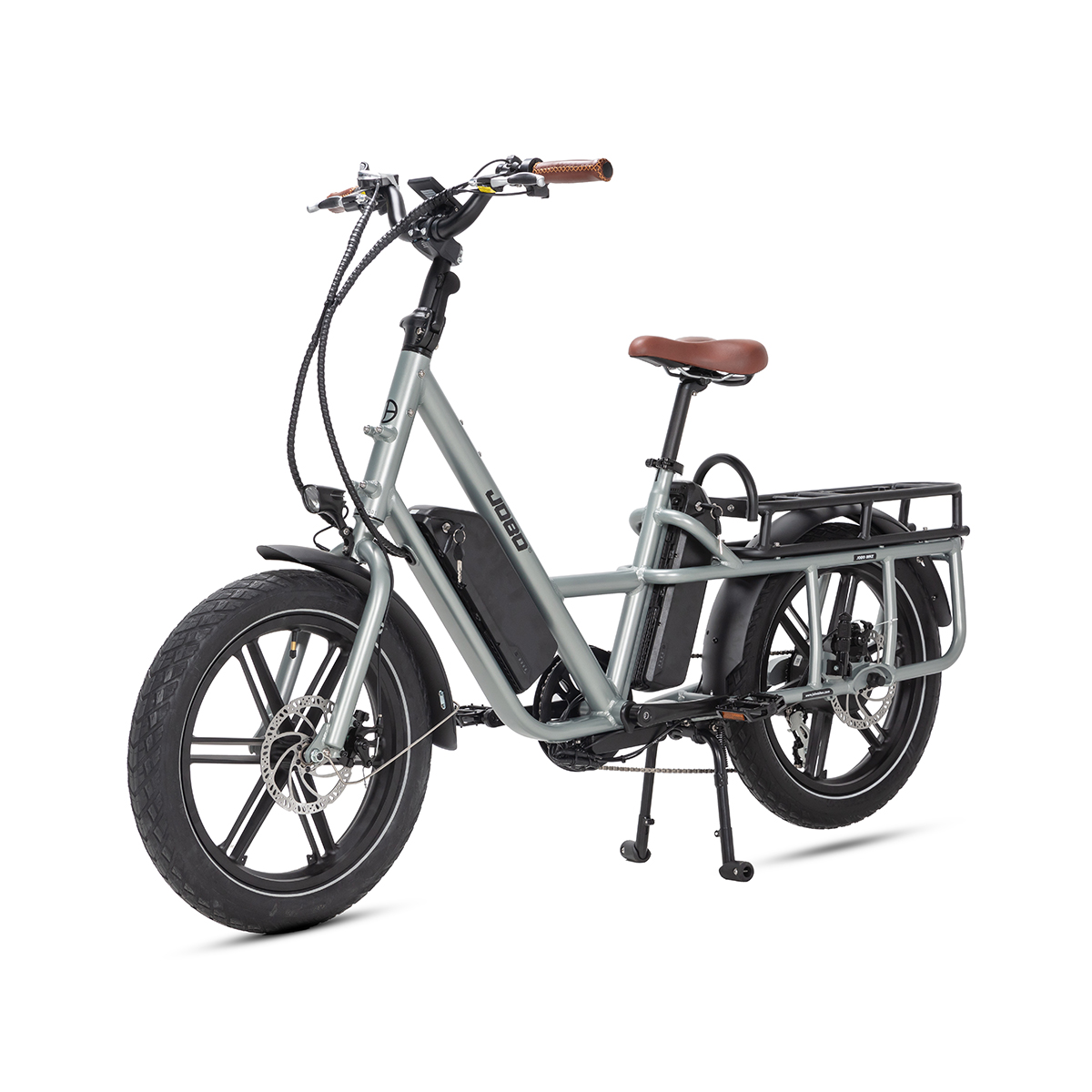
Compact doesn’t mean weak. These bikes rely on frame geometry and smart component placement to maximize payload and rider stability.
Key design features include:
-
Short wheelbase steel/aluminum frame for tight turns and narrow alleys
-
Integrated front + rear racks with a total capacity of 60–100 kg
-
Center-mounted battery to maintain weight balance
-
Reinforced fork and spoke design to handle vibration under load
-
20–24-inch tires for improved acceleration and control
Together, these design elements allow the compact cargo e-bike to deliver like a van — but move like a scooter.
Power System for Urban Stop-and-Go
Startups rely on reliability. Delivery routes require fast acceleration, stable torque, and battery efficiency.
Typical configurations include:
-
48V 500W rear hub motor optimized for 60 Nm torque
-
Removable 14–17Ah lithium battery for shift swapping
-
Smart controller with throttle assist for low-speed maneuvering
-
Hydraulic brakes for fast, stable stops under load
This setup ensures consistency during busy delivery hours while keeping charging downtime minimal.
Compact Cargo vs Full-Size Cargo E-Bike
| Feature | Compact Cargo E-Bike | Full-Size Cargo E-Bike |
|---|---|---|
| Load Capacity | 60–100 kg | 120–200 kg |
| Frame Length | 1.6–1.8 m | 2.0–2.5 m |
| Turning Radius | Tight, city-optimized | Wider, less agile |
| Power Consumption | Lower | Higher |
| Best Use Case | Startups, urban deliveries | Logistics fleets |
| Maintenance | Easy, modular parts | Complex servicing |
For small delivery startups, this size-to-performance ratio means lower total cost of ownership and faster scaling potential.
Manufacturing Insight from JOBO ebike
At JOBO ebike, our compact cargo line is engineered with reinforced short-tail frames, battery accessibility, and multi-rack compatibility for modular use.
We run durability and load-balance testing under simulated city conditions — frequent braking, uneven roads, and heat cycles — ensuring models perform consistently for commercial clients.
With flexible OEM and ODM options, JOBO ebike supports new delivery startups building their first electric fleet with proven reliability.
Recommended Configurations for Startup Fleets
1. Food & Courier Delivery
-
Rear rack + insulated box
-
48V 500W motor
-
60–70 km range
-
Optional dual battery
2. Parcel & Express Service
-
Front + rear rack combo
-
Hydraulic brakes
-
Compact 20-inch wheelset
3. Local Grocery & Pharmacy Delivery
-
Swappable battery design
-
Waterproof cargo enclosure
-
Mid-torque assist for slopes
4. Shared Commercial Fleets
-
Anti-theft lock + GPS tracking
-
Universal mount system
-
Foldable handlebar for storage
What Startups Should Check Before Purchasing
| Common Issue | Why It Matters | Recommendation |
|---|---|---|
| Weak load racks | Fail under heavy daily use | Require reinforced aluminum mounts |
| Low-torque motor | Struggles on slopes | Choose 500W+ hub or mid-drive motor |
| No swappable battery | Downtime between shifts | Opt for removable batteries |
| Inconsistent braking | Safety risk under load | Select hydraulic dual-piston brakes |
| Unbalanced design | Causes frame fatigue | Look for centralized weight geometry |
| Lack of waterproofing | Reduces lifespan | Require IP65+ rated connectors |
Frequently Asked Questions
Q1: Are compact cargo e-bikes suitable for hilly cities?
Yes — models with torque-tuned motors and mid-drive options perform well on inclines.
Q2: How long can one battery last for delivery routes?
Most offer 60–80 km per charge, depending on load and terrain.
Q3: What’s the typical payback period for startups?
Usually 6–9 months of regular use, factoring in savings on fuel and maintenance.
Empowering a New Generation of Delivery Businesses
Compact, reliable, and affordable — the compact cargo e-bike gives startups a powerful tool to compete in the last-mile delivery race.
At JOBO ebike, we focus on providing robust, modular, and easy-to-maintain electric bikes for businesses ready to scale smartly.
To explore OEM configurations or discuss your fleet requirements, visit our homepage or contact us through the contact page.