
ompact Commuter E-Bikes: Efficiency and Comfort in a Smaller Frame
Why Compact Designs Matter for City Riders
In dense urban environments, riders need mobility that’s efficient yet space-saving.
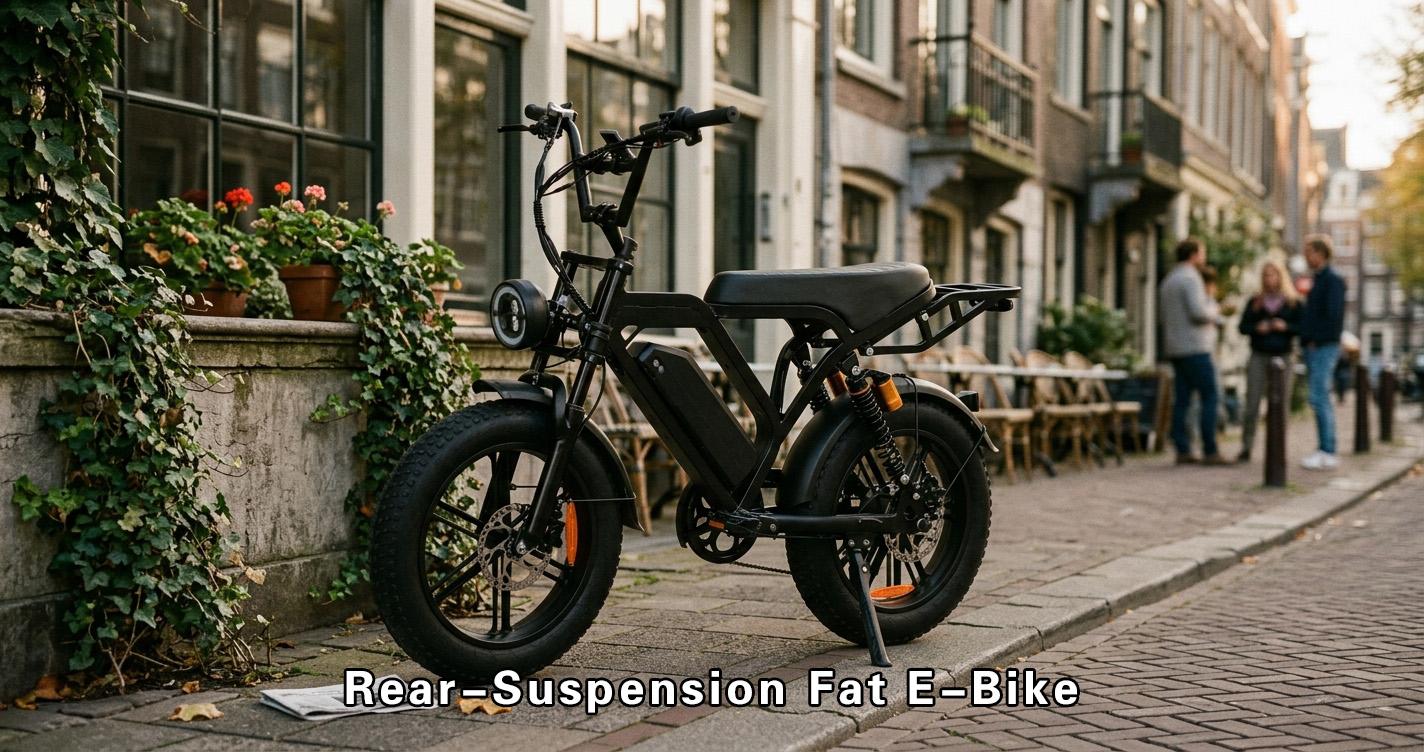
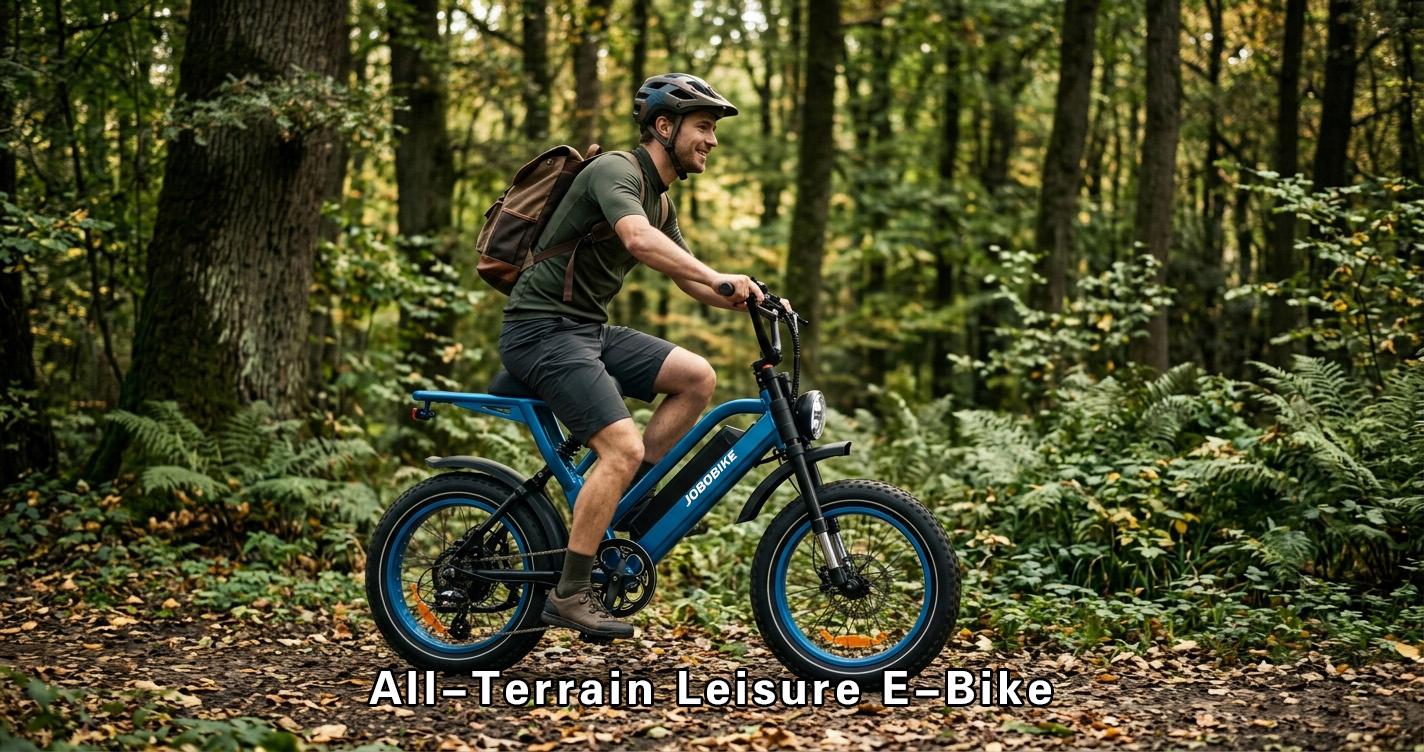
The compact commuter e-bike offers a smaller frame, lighter build, and agile handling — making it ideal for short-distance rides, office commutes, and intermodal transport.
For OEM and fleet operators, compact e-bikes represent an ideal category for urban logistics, shared mobility, and personal commuting markets, where portability and maintenance simplicity are key.
Structural Advantages of Compact E-Bikes
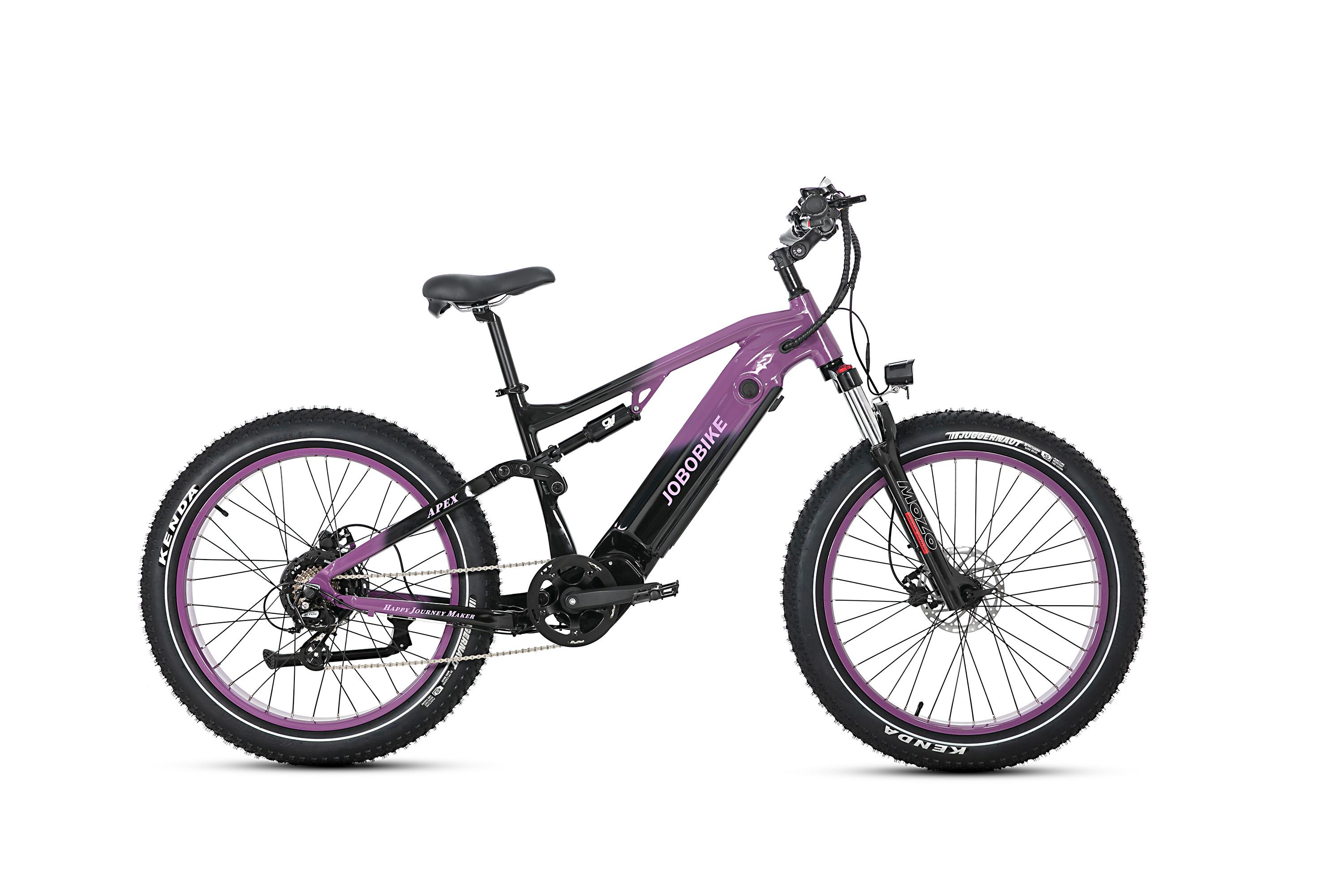
Compact commuter e-bikes are designed around the principles of minimal weight, efficient torque output, and ergonomic control.
Core engineering features include:
-
Small-frame geometry (16–20 inch wheels) for easy maneuverability
-
High-strength aluminum or magnesium alloy for durability under stress
-
Integrated rear hub motor (250–350W) delivering smooth acceleration
-
Low-step design for accessibility across riders
-
Compact lithium battery (36V 7–10Ah) with 40–60 km range
-
Adjustable seat and handlebar height for ergonomic comfort
These elements together create a design that’s easy to carry, store, and maintain — ideal for apartment residents or mixed-mode commuters.
Comparison: Compact vs Standard Commuter E-Bike
| Feature | Standard Commuter E-Bike | Compact Commuter E-Bike |
|---|---|---|
| Frame Size | Full-length 700C frame | Small-frame 16–20” geometry |
| Weight | 22–26 kg | 14–18 kg |
| Maneuverability | Moderate | High (tight turning radius) |
| Storage | Requires stand or space | Fits in small home or office |
| Battery Range | 60–90 km | 40–60 km |
| Ideal Use | Suburban commuting | Urban short-range rides |
Compact models deliver freedom of movement without sacrificing comfort or performance — a critical factor for urban riders.
Manufacturing Insight from JOBO ebike
At JOBO ebike, we specialize in compact electric mobility solutions that combine minimal form factor with high structural reliability.
Our R&D team uses finite element analysis (FEA) to evaluate stress points within small-frame geometries, ensuring each unit passes long-term vibration and load tests.
Compact commuter frames are also optimized for integrated cable routing, heat dissipation, and water resistance, keeping performance consistent even in heavy urban use.
For OEM buyers, JOBO’s compact models can be customized to fit specific use cases — from ride-sharing fleets to private commuters and corporate transport programs.
OEM Customization Options
| Customizable Component | Available Options | OEM Benefit |
|---|---|---|
| Frame Material | Aluminum / Magnesium alloy | Lightweight & durable |
| Motor System | Rear hub / Mid-drive | Performance flexibility |
| Battery Setup | 36V 7–10Ah integrated | Space-saving design |
| Tire Size | 16” / 18” / 20” | Fits local rider profiles |
| Display Unit | LED / TFT Smart Display | Custom brand interface |
| Accessories | Rear rack, mudguard, kickstand | Enhanced commuter function |
Through modular development, OEM partners can easily adapt compact e-bike designs to align with regional standards and branding identity.
What Buyers Should Check Before Ordering
| Common Issue | Why It Matters | Recommendation |
|---|---|---|
| Weak frame welds | Affects long-term safety | Request fatigue test reports |
| Unbalanced weight distribution | Reduces control | Review center of gravity data |
| Overly small battery | Limits range | Choose 8–10Ah capacity |
| No waterproof rating | Reduces reliability | Ensure IP65 compliance |
| Unstable folding joints | Risk in transport | Inspect locking hinge quality |
| Poor component sourcing | Inconsistent output | Select verified OEM suppliers |
Frequently Asked Questions
Q1: How compact can a commuter e-bike be without losing comfort?
Typically, wheel sizes between 16–20 inches maintain riding stability while keeping storage dimensions minimal.
Q2: Are compact e-bikes suitable for tall riders?
Yes — adjustable seatposts and ergonomic handlebar designs ensure comfort across different heights.
Q3: Can compact models be used for corporate or delivery fleets?
Absolutely. Their lightweight design reduces energy use, making them ideal for last-mile logistics and shared mobility services.
Compact Form, Complete Function
The compact commuter e-bike delivers practicality without compromise — merging lightweight engineering, electric performance, and smart ergonomics for today’s urban professionals.
At JOBO ebike, we help OEM partners design commuter bikes that fit real-world city life — compact, comfortable, and cost-efficient.
To explore compact commuter solutions or start your OEM project, visit our homepage or contact our team via the contact page.