Custom E-Bike Solutions: Tailored Design and Performance for Every Brand
Why Customization Matters in the E-Bike Industry
As the global e-bike market grows, competition has shifted from simple performance to brand differentiation.
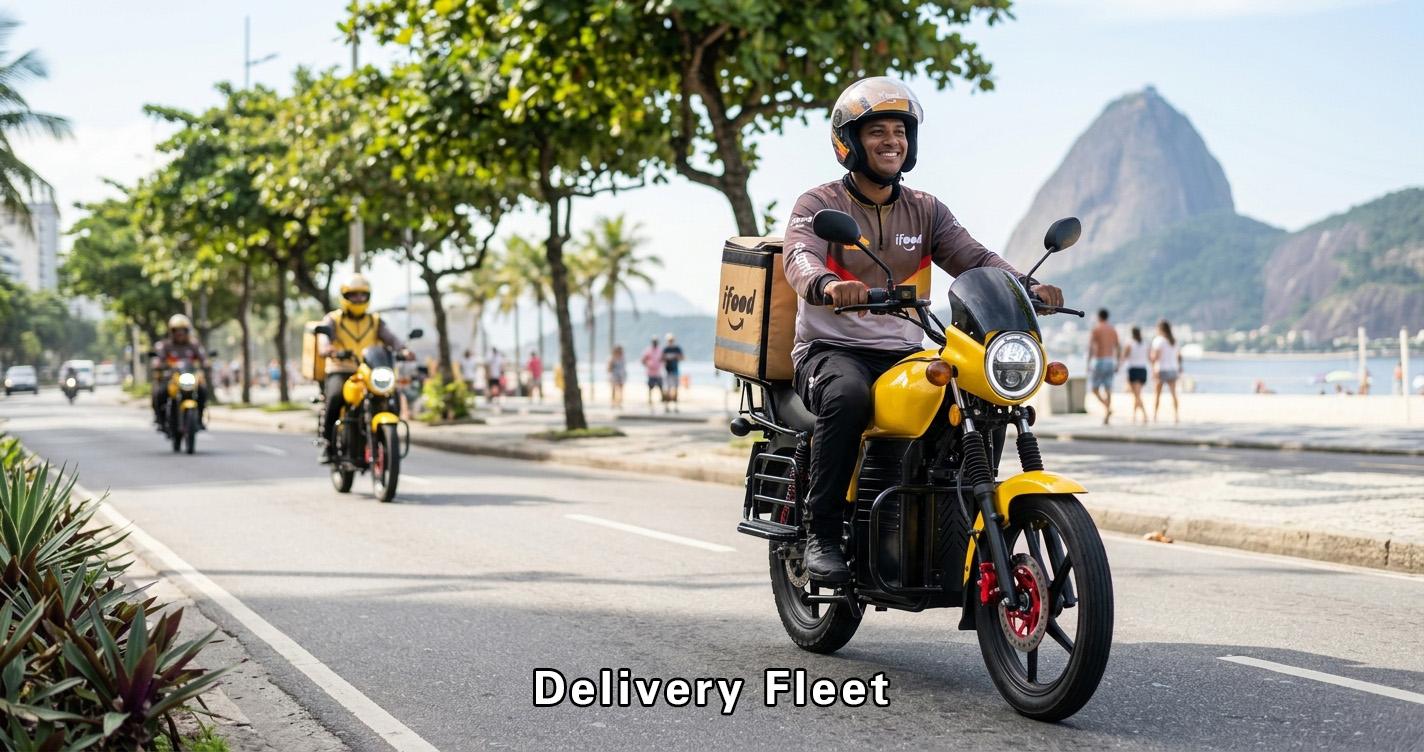
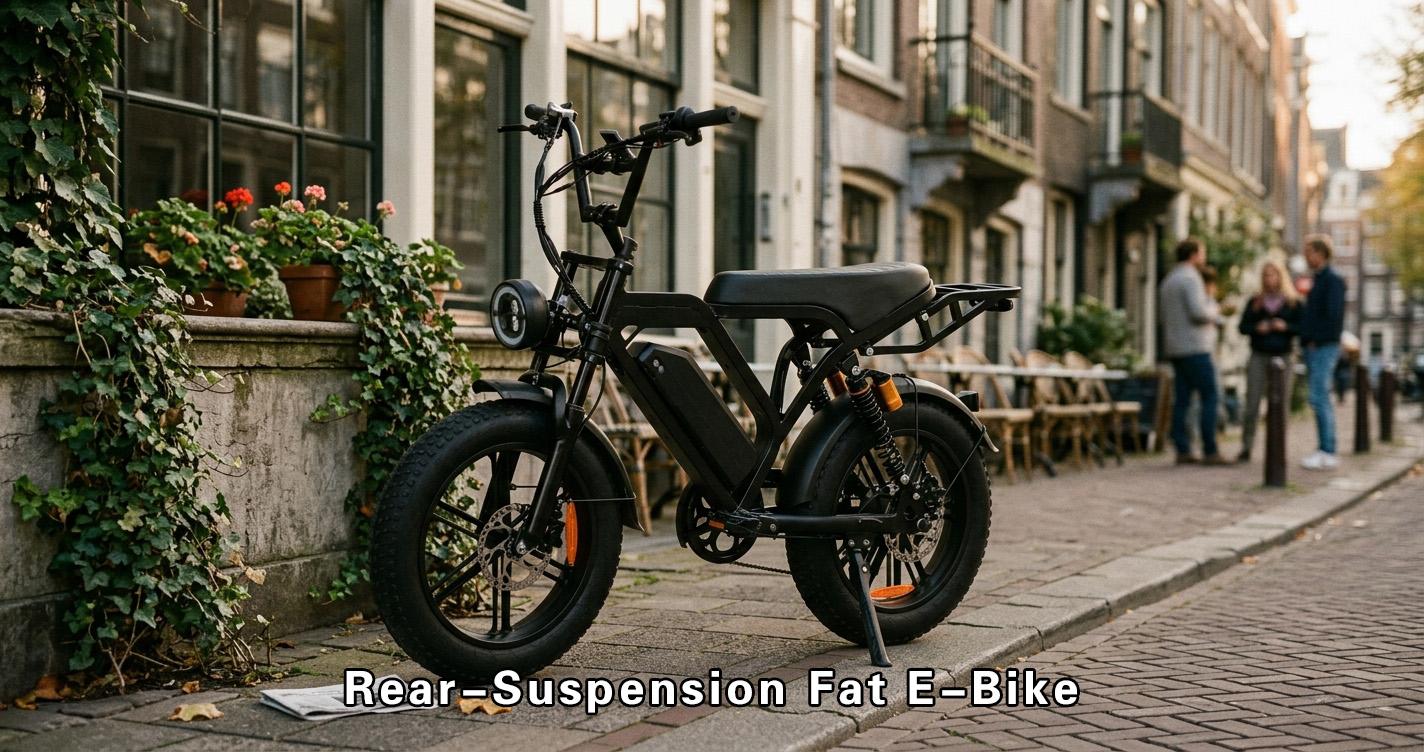
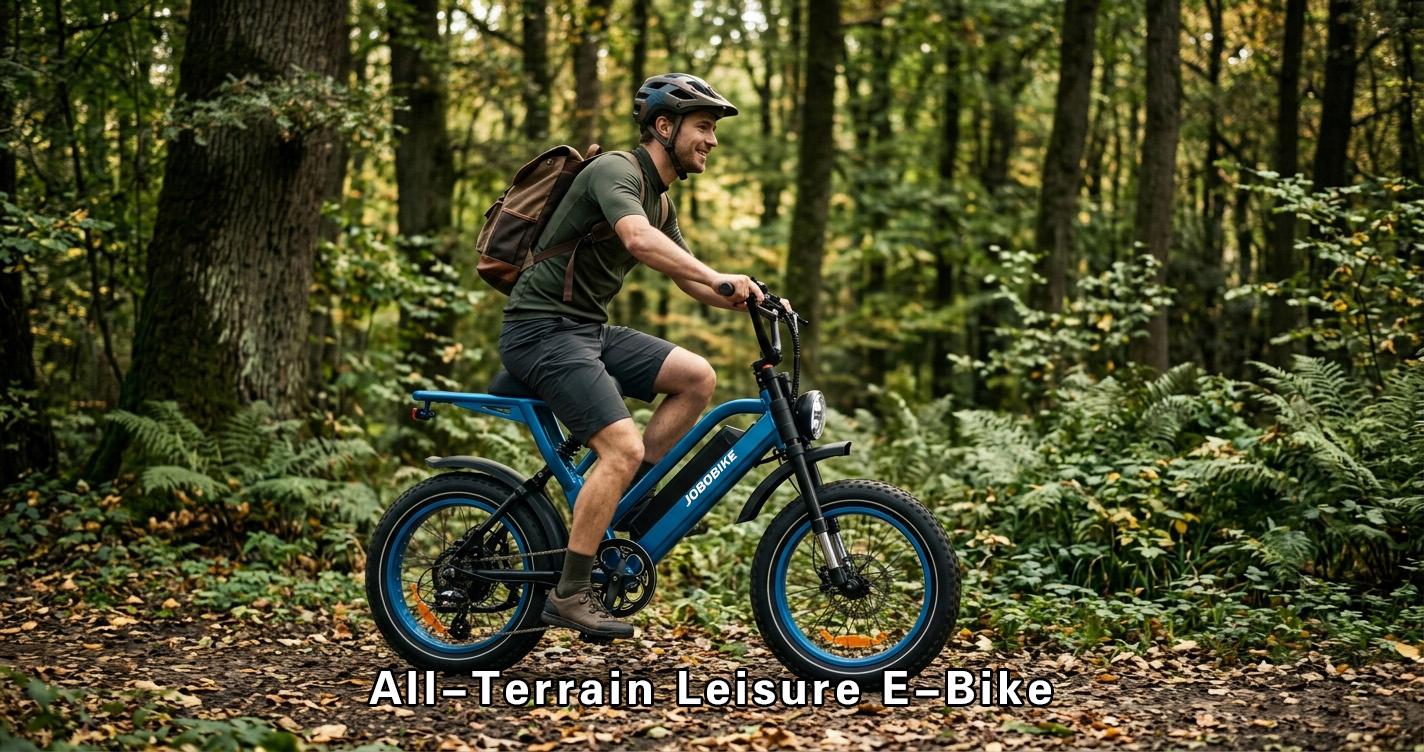
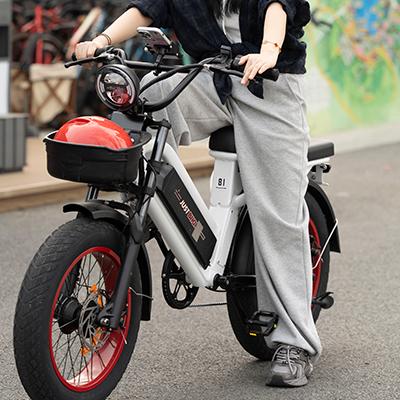
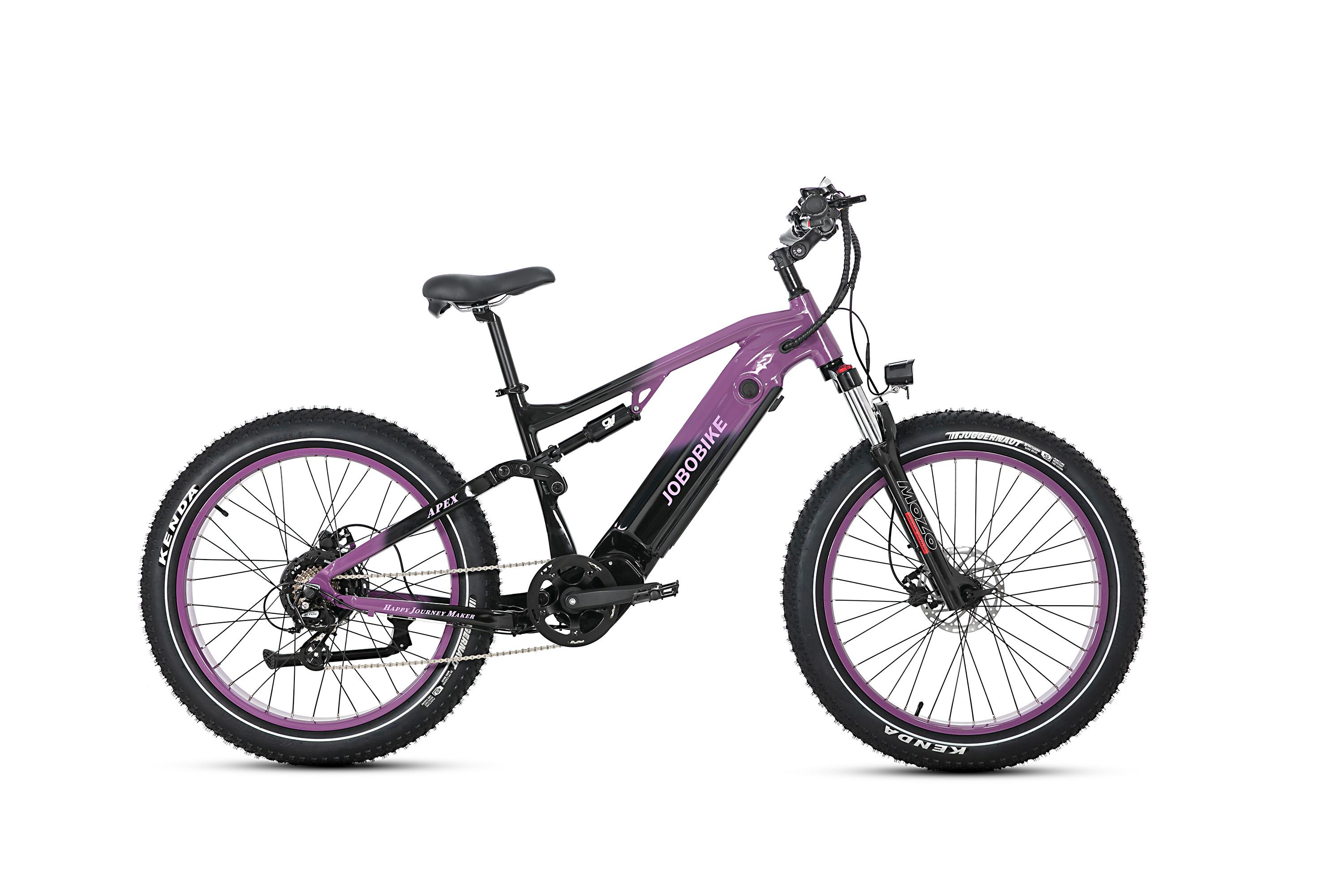
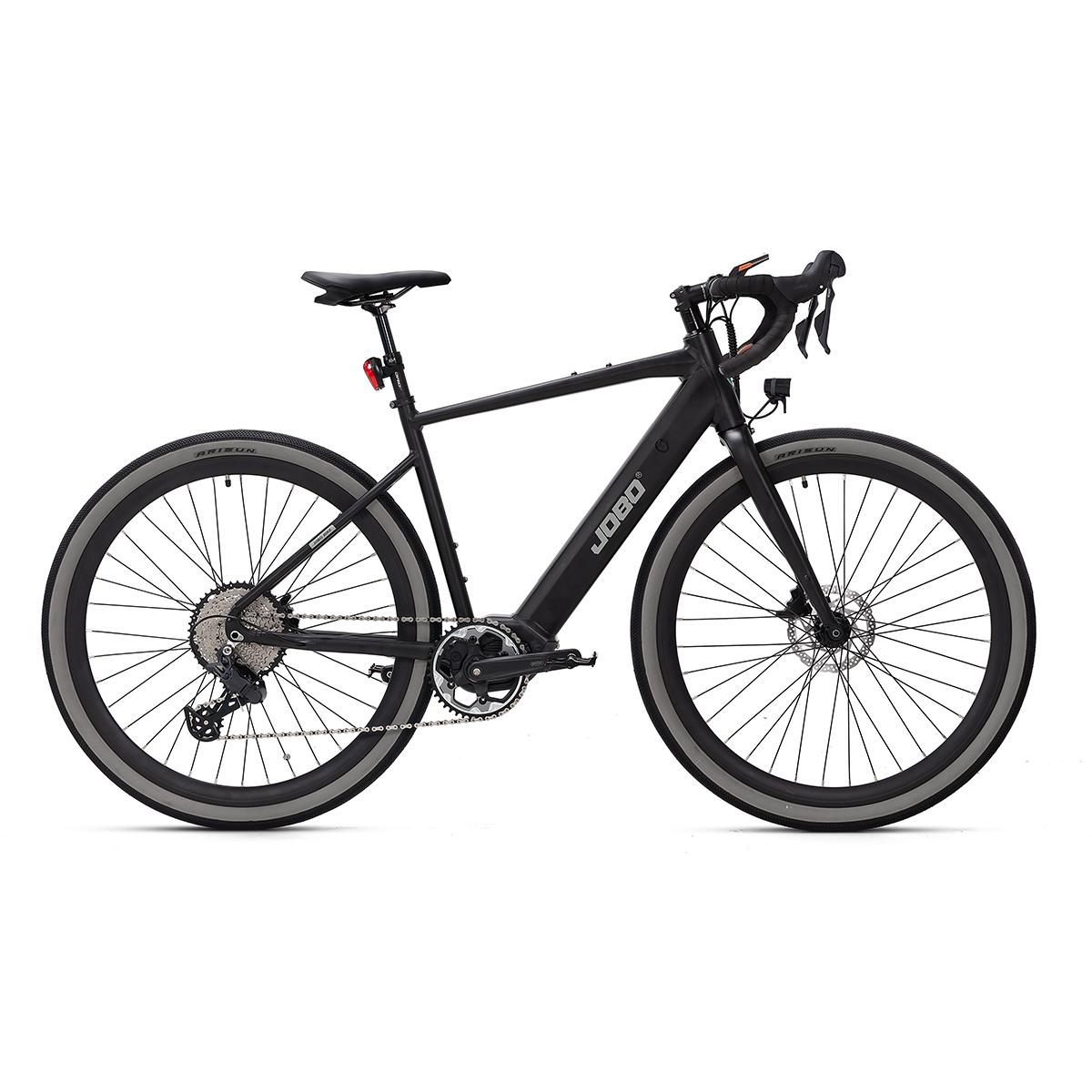
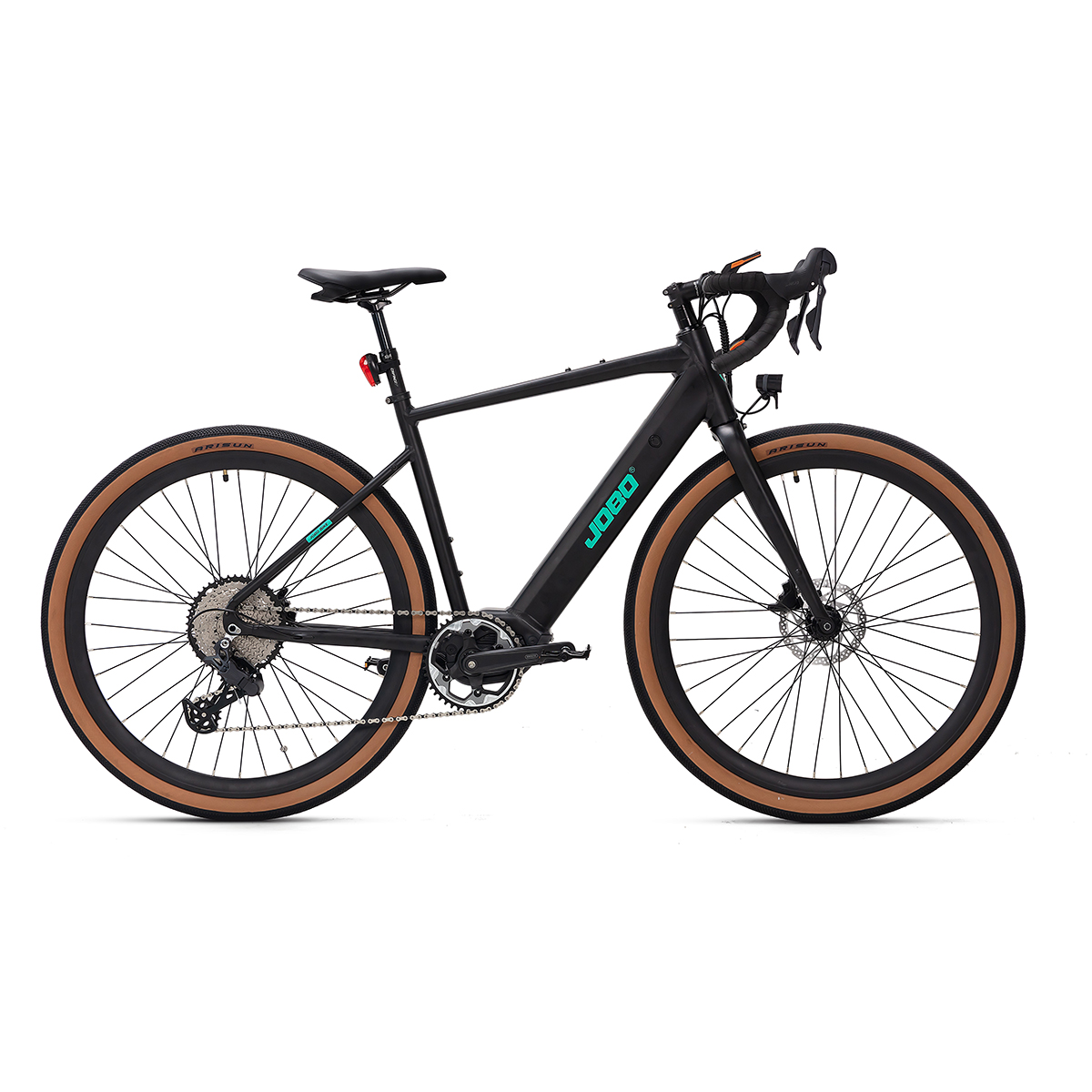
A custom e-bike lets companies define not only design but also how riders experience the product. From frame geometry and motor tuning to aesthetic finishes, customization ensures that each brand builds a unique identity while meeting diverse user needs—commuters, couriers, or leisure riders.
For OEM and ODM partners, custom manufacturing is the bridge between technical innovation and market positioning.
Core Elements of a Custom E-Bike Project
Customization can range from component selection to full-frame development. Key areas include:
-
Frame geometry and material – aluminum, carbon fiber, or steel depending on comfort and stiffness
-
Motor system – hub or mid-drive configuration with torque tuning for different terrains
-
Battery integration – internal, semi-integrated, or removable packs
-
Display and control system – custom UI for brand-specific interface
-
Lighting and wiring design – concealed routing for aesthetics and weather protection
-
Color and branding – powder coating, decals, and embossed logos
A true custom e-bike OEM doesn’t simply assemble components — it aligns engineering decisions with brand storytelling.
The Manufacturing Process: From Concept to Production
| Stage | Description | Brand Involvement |
|---|---|---|
| 1. Product Design & CAD Modeling | Translating design sketches into 3D frame models | Approve geometry & aesthetics |
| 2. Prototyping | Building test units for structural, electronic, and ergonomic testing | Feedback on performance |
| 3. Motor & Battery Integration | Selecting certified systems (Bafang, Ananda, etc.) | Define riding profile & range |
| 4. Testing & Certification | EN15194 and CE compliance verification | Review documentation |
| 5. Mass Production | Controlled assembly with quality inspection | On-site or remote QC |
| 6. Packaging & Logistics | OEM labeling and international shipping | Brand packaging design |
Each phase balances creativity and precision, ensuring every customized e-bike performs consistently across large-scale orders.
Manufacturing Insight from JOBO ebike
At JOBO ebike, customization begins with understanding how the bike will be used — daily commuting, delivery, mountain trails, or long-range touring.
Our engineering team collaborates with clients to define frame geometry, motor pairing, and electrical systems suited to each segment.
Every custom e-bike undergoes fatigue testing, vibration analysis, and full electrical diagnostics, ensuring reliability before mass production.
Through OEM and ODM services, JOBO ebike helps brands bring unique mobility ideas to market quickly and confidently.
Types of Customization for Different Business Models
1. Brand Launch or Rebranding
-
Unique frame molds and colorways
-
Integrated battery and signature design lines
-
Co-branded motor or UI software
2. Fleet and Rental Operators
-
High-durability frame coatings
-
Quick-swap battery systems
-
IoT tracking and anti-theft locks
3. Corporate or Campus Mobility Programs
-
Uniform frame geometry for maintenance efficiency
-
GPS integration and unified charging docks
-
Corporate branding and safety labeling
4. Specialized Performance Models
-
High-torque mid-drive motors
-
Lightweight carbon frames
-
Custom torque sensors and gear ratios
What Buyers Should Check Before Starting a Custom Project
| Common Challenge | Why It Matters | Recommendation |
|---|---|---|
| No clear specifications | Leads to miscommunication | Prepare detailed requirement sheets |
| Weak frame tolerance | Fails long-term tests | Request sample + fatigue reports |
| Limited component compatibility | Restricts upgrades | Use standard interface systems |
| Inadequate testing | Delays certification | Verify EN15194 and CE compliance |
| Overdesign | Raises cost unnecessarily | Balance performance with budget goals |
Frequently Asked Questions
Q1: How long does a custom e-bike project take?
Typically 60–120 days from design confirmation to mass production, depending on component sourcing.
Q2: What’s the minimum order for OEM production?
Usually 50–100 units for standard customization; frame mold changes may require higher quantities.
Q3: Can software or app interfaces be customized too?
Yes — display firmware, app branding, and data dashboards can be developed to fit brand requirements.
Building Identity Through Design and Engineering
In a market crowded with look-alike products, custom e-bikes give brands a technical and visual edge.
At JOBO ebike, we combine precise engineering with creative flexibility, enabling partners to design products that express both performance and personality.
To start developing your next custom e-bike or discuss OEM collaboration, visit our homepage or contact us through the contact page.