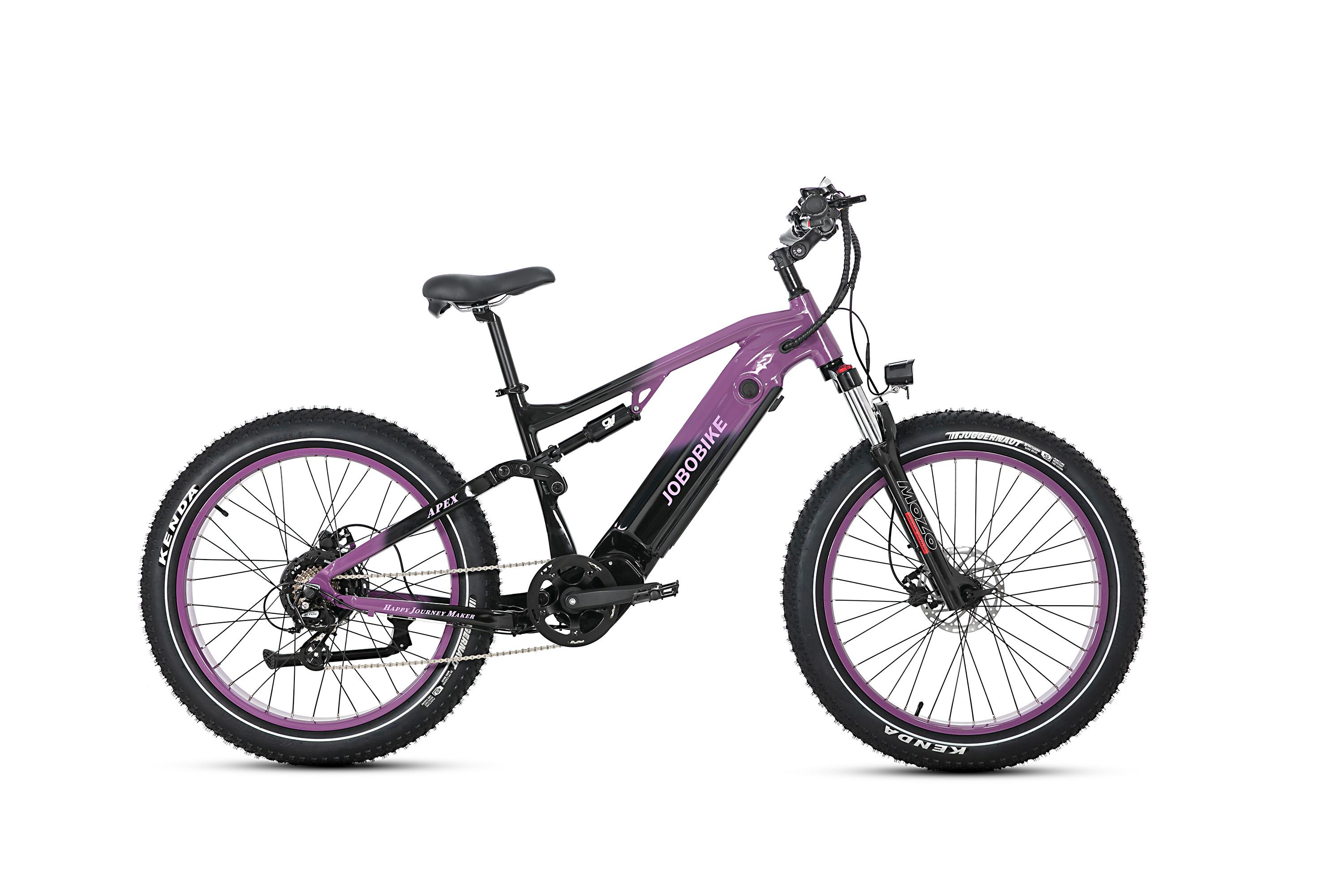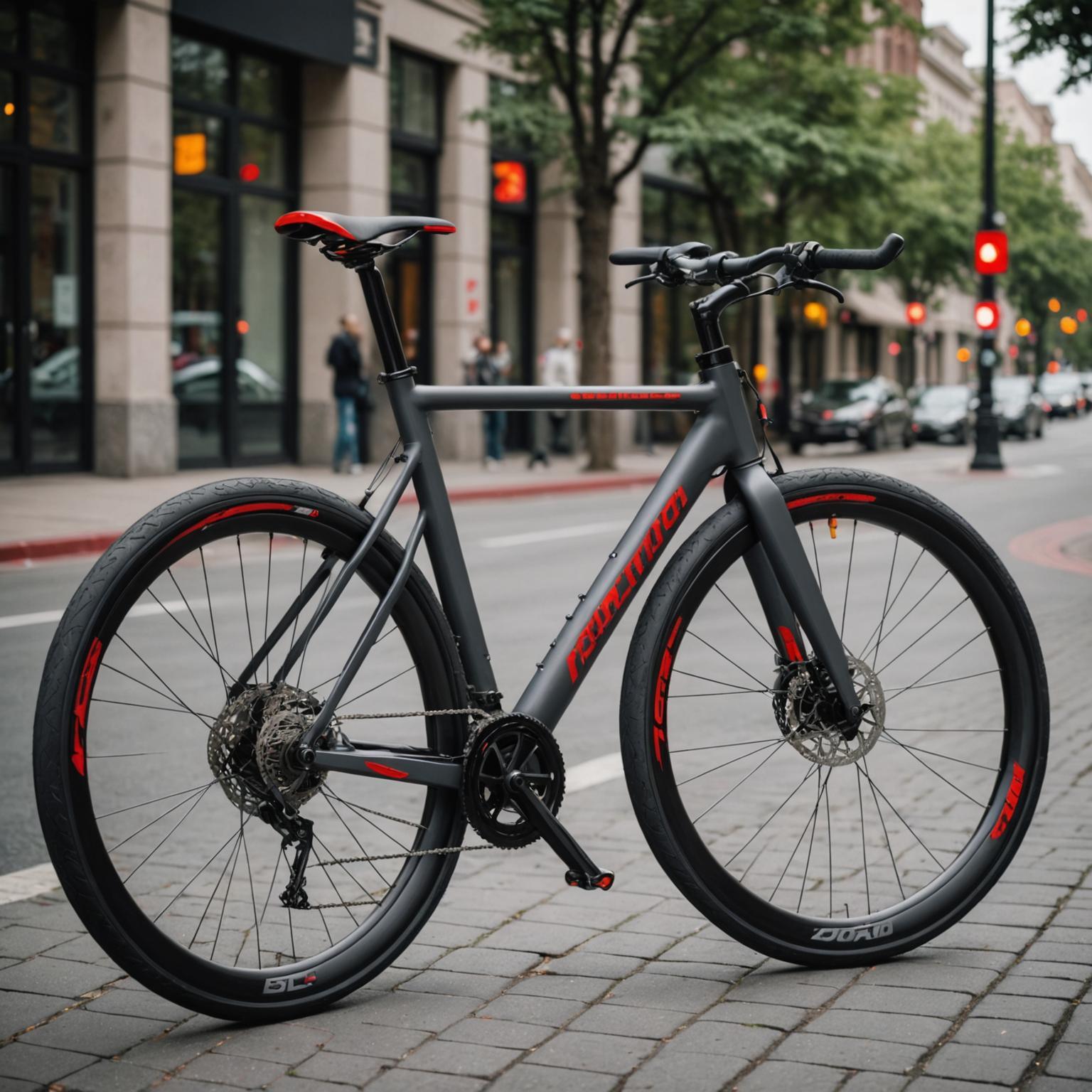
Custom Mid-Drive E-Bikes: Power, Balance, and Tailored Performance
Why Mid-Drive Systems Lead the Future of E-Bikes
For riders and OEM partners alike, the custom mid-drive e-bike has become the gold standard for efficiency and control.
Unlike hub motors that push or pull the wheel, a mid-drive motor applies power directly to the bike’s crankset, creating natural torque distribution and balanced center of gravity.
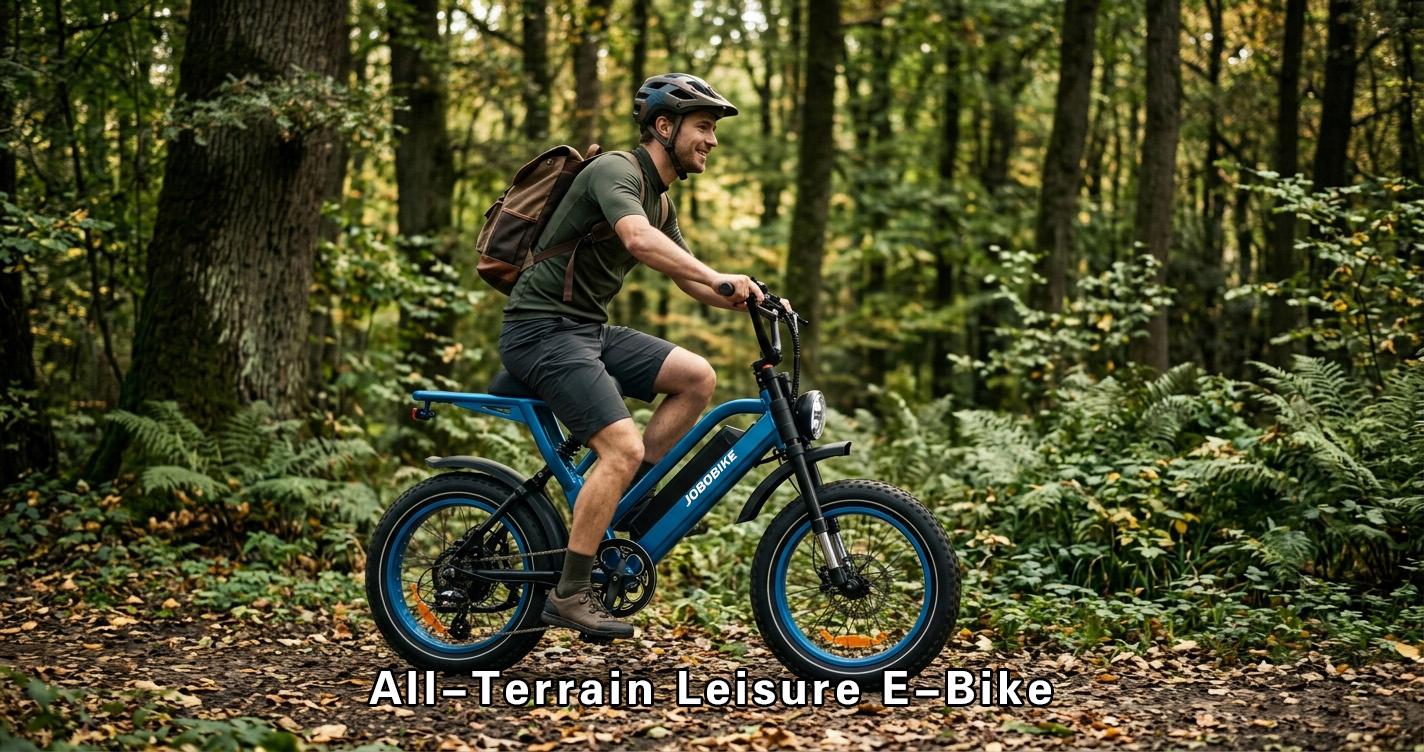
This makes it ideal for mountain trails, cargo loads, and high-end commuter models — where smooth acceleration and climbing power matter most.
The Engineering Advantage of Mid-Drive Customization
A mid-drive setup offers more flexibility for manufacturers to fine-tune the entire system around the frame and drivetrain.
Core engineering aspects include:
-
Motor placement near bottom bracket for optimal weight balance
-
Integrated torque sensors for responsive pedal-assist experience
-
Custom motor tuning (Nm output) to suit road, mountain, or cargo models
-
Heat-dissipation housing for long-distance endurance
-
Direct-drive interface allowing standard cassette compatibility
Customizing these parameters ensures that every model delivers precise handling and long-term durability across varied terrains.
Customization Options for OEM Partners
| Customizable Component | Available Options | OEM Benefit |
|---|---|---|
| Motor Power | 250W, 350W, 500W+ | Match local regulations or terrain |
| Torque Output | 60–120 Nm | Tailored performance for city or mountain |
| Battery Design | Integrated / Removable | Flexibility for frame aesthetics or range |
| Frame Integration | Hidden mount / visible housing | Supports brand identity |
| Controller Software | Adaptive assist, eco/sport modes | Personalized ride feel |
| Display Interface | Branded UI / multilingual support | Reinforces brand consistency |
OEM-level customization turns the motor system into a signature component of each brand’s riding identity.
Manufacturing Insight from JOBO ebike
At JOBO ebike, we specialize in engineering custom mid-drive systems that combine power with mechanical precision.
Our R&D team collaborates closely with motor suppliers (including Bafang, Ananda, and customized proprietary systems) to optimize torque mapping, sensor response, and battery communication protocols.
Each custom mid-drive e-bike undergoes thermal load testing, frame vibration analysis, and powertrain endurance evaluation before entering production.
This ensures stable performance across climates, gradients, and commercial workloads.
Applications Across Different Market Segments
1. High-End Commuter E-Bikes
-
Smooth torque response for urban rides
-
Low noise output
-
Integrated display and sleek design
2. Mountain and Adventure Models
-
80–120 Nm torque rating
-
Dustproof and waterproof enclosures (IP65+)
-
Reinforced frame joints for off-road stress
3. Cargo and Utility Platforms
-
Mid-drive motors sustain torque at low speeds
-
Dual-battery integration for long-distance use
-
Heat management for daily commercial loads
4. OEM Fleet and Brand Launch Projects
-
Modular wiring for faster assembly
-
Unified firmware architecture for all models
-
Simplified after-sales diagnostics
What Buyers Should Check Before Starting a Custom Mid-Drive Project
| Common Issue | Why It Matters | Recommendation |
|---|---|---|
| Overpowered motor | May violate import limits | Verify EU/US wattage regulations |
| Incompatible drivetrain | Causes mechanical stress | Ensure frame-motor fit testing |
| Poor heat management | Shortens motor lifespan | Request thermal simulation reports |
| Unstable torque output | Inconsistent ride experience | Require sensor calibration data |
| Non-modular wiring | Hard to maintain | Opt for quick-connect harness system |
| No certification | Blocks export | Ensure EN15194 and CE compliance |
Frequently Asked Questions
Q1: How does a mid-drive system differ from a hub motor?
Mid-drive motors apply power through the drivetrain, providing higher torque and natural pedal feel, especially uphill.
Q2: What customization level can brands expect?
Nearly every component — from motor torque curve to software interface — can be customized for brand consistency and regional compliance.
Q3: Are mid-drive e-bikes suitable for heavy-duty applications?
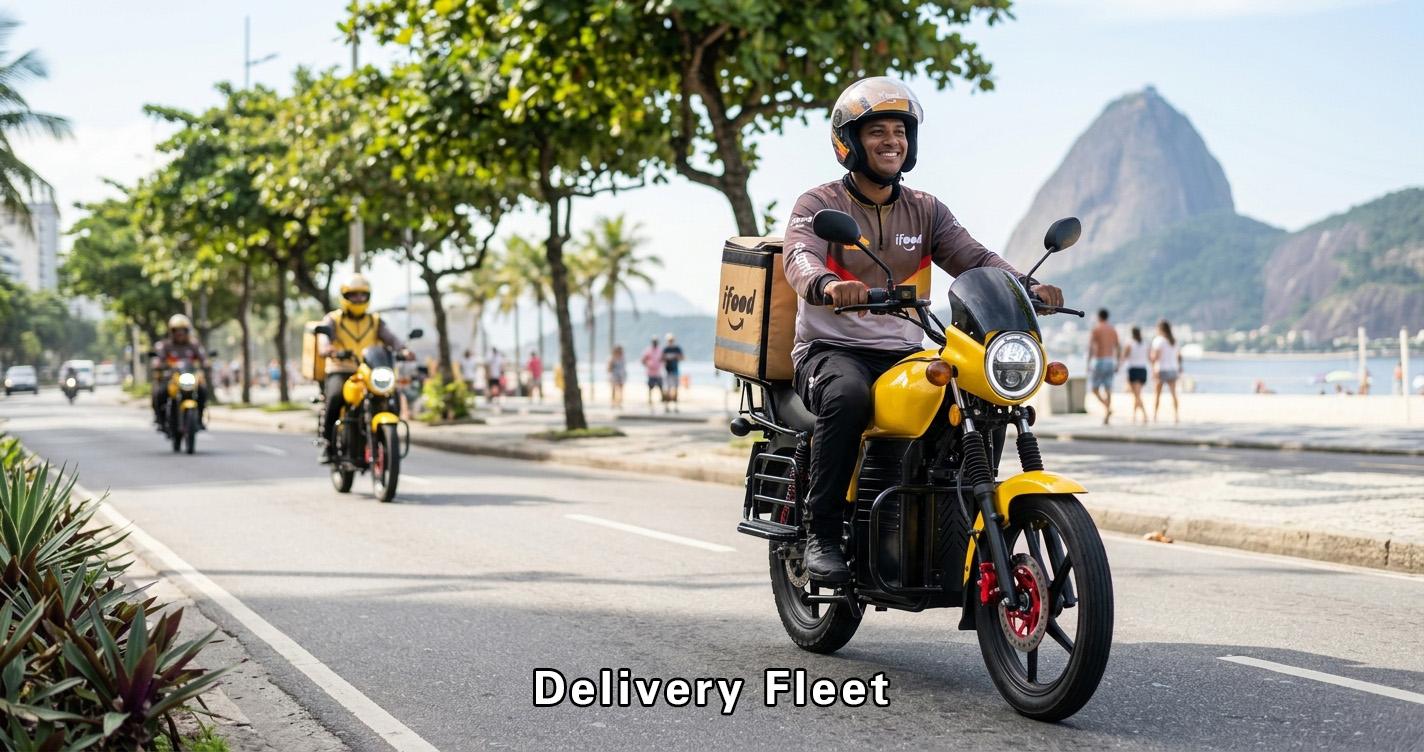
Yes. They maintain high efficiency under load and can handle demanding use cases such as delivery fleets or cargo platforms.
Engineering Power that Fits Every Terrain
A custom mid-drive e-bike represents the balance between power, control, and design freedom — giving OEM brands an opportunity to build products that feel truly premium.
At JOBO ebike, we combine frame engineering with smart motor integration to create high-performance solutions ready for both commuters and professionals.
To explore collaboration or request custom specifications, visit our homepage or contact us through the contact page.