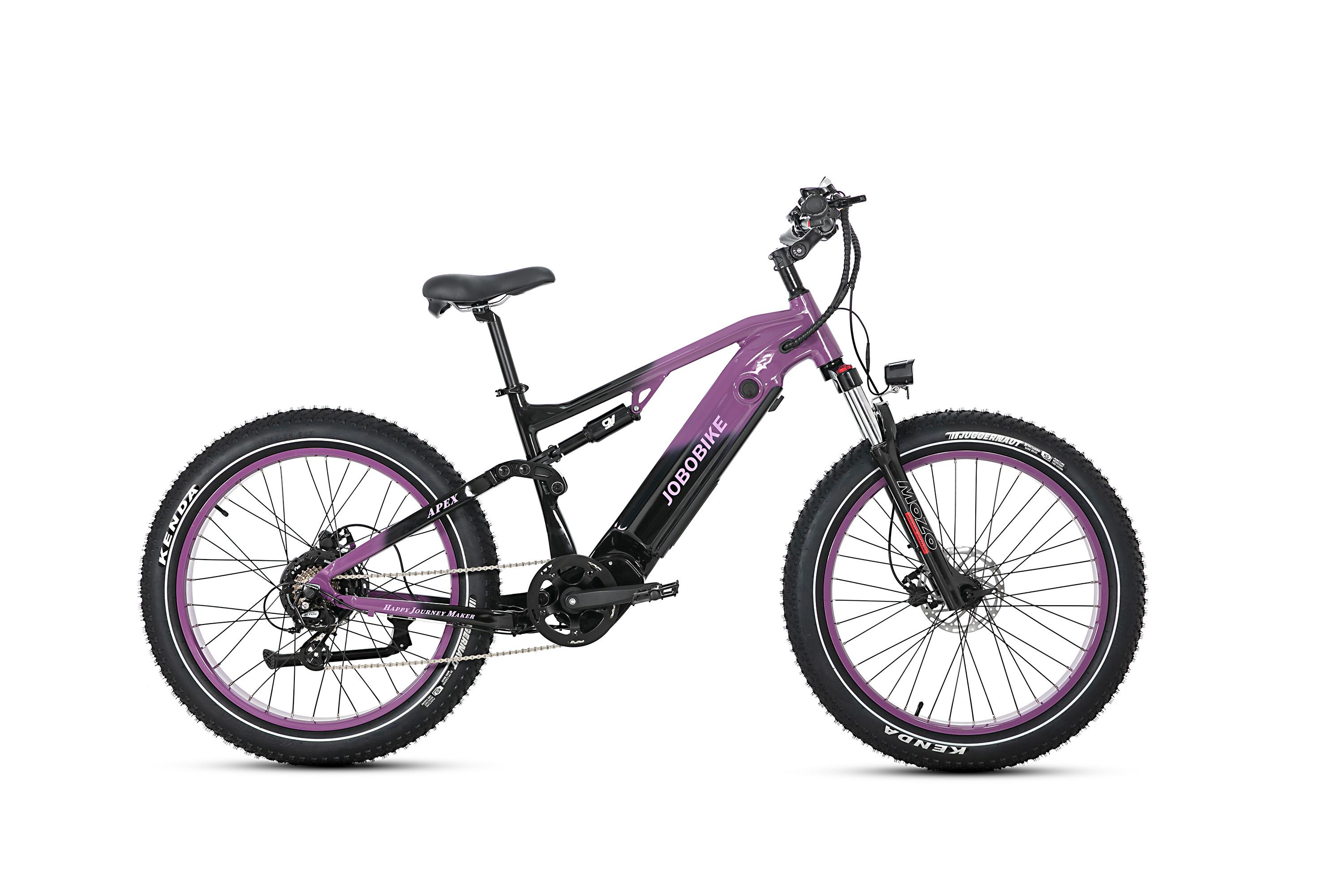

Why Delivery E-Bikes Break Down Faster Than Expected in Daily Operations
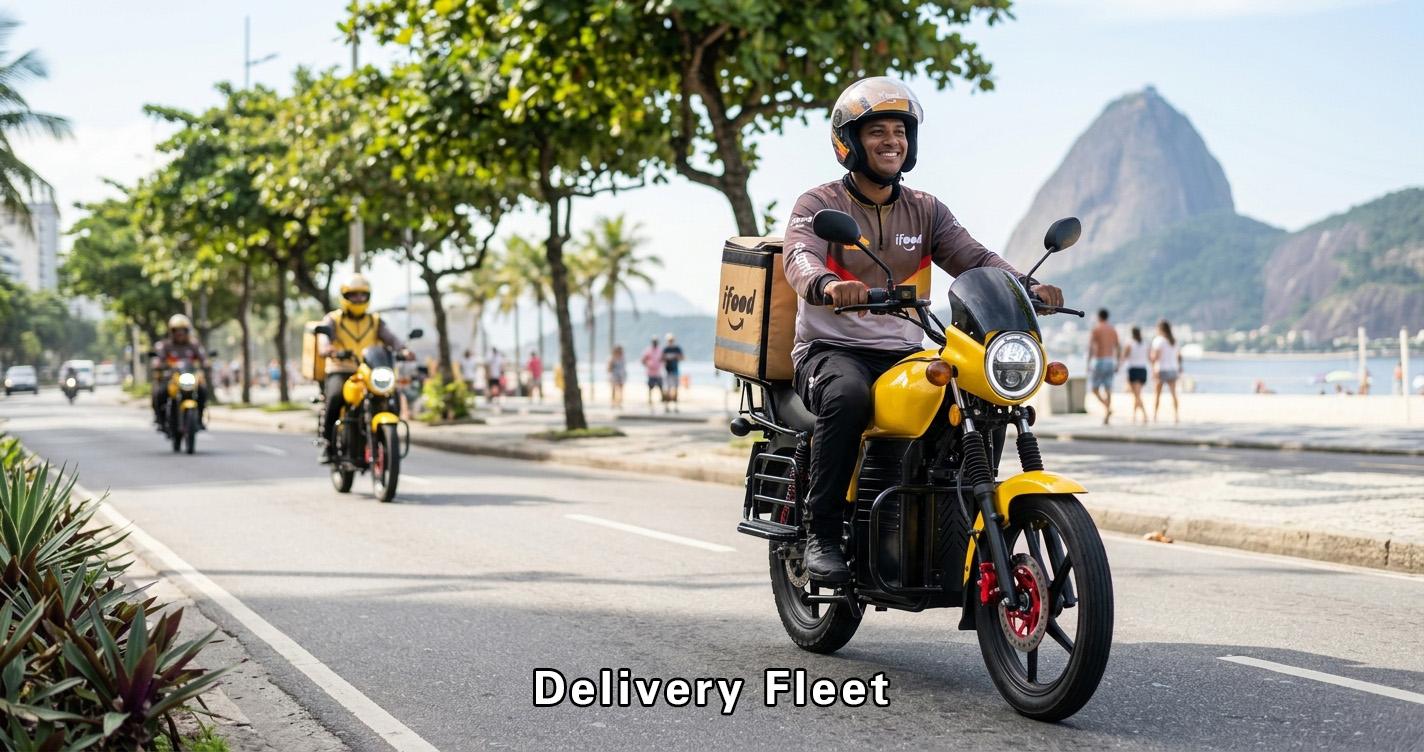
For many delivery businesses, the shift to electric bikes starts with a clear expectation: lower costs, faster routes, and easier navigation in crowded cities. But after a few months of operation, reality often tells a different story.
Brakes wear out faster than anticipated. Motors feel less responsive after repeated stop-and-go usage. Battery range becomes inconsistent across shifts, especially during peak delivery hours. In some cases, frames begin to show early signs of fatigue around high-stress points.
What makes this more frustrating is that these problems don’t usually appear during testing or initial deployment. They only become visible under real delivery conditions—when bikes are used continuously, often for 8–12 hours a day.
At JOBO, we’ve seen that delivery environments are fundamentally different from normal commuting scenarios. As a delivery electric bike manufacturer, we focus specifically on high-frequency usage stress, where constant acceleration, braking, and load variation create cumulative wear on both mechanical and electrical systems.
According to research from urban transport studies supported by the International Energy Agency, high-frequency stop-and-go usage significantly increases energy consumption and mechanical stress in electric mobility systems.
https://www.iea.org
Material Selection and Frame Design for Repetitive Load Cycles
Unlike leisure or commuter bikes, delivery e-bikes must withstand repeated stress cycles throughout the day. Each delivery route includes dozens—sometimes hundreds—of acceleration and braking events.
To handle this, JOBO uses reinforced 6061 aluminum alloy frames, combined with targeted structural reinforcement in high-stress areas.
Key structural design considerations
- reinforced bottom bracket for motor torque resistance
- strengthened rear frame for cargo loads
- optimized welding zones to reduce stress concentration
- anti-fatigue design for repeated load cycles
| Structural Factor | Standard E-Bike | JOBO Delivery Design |
|---|---|---|
| Frame material | standard aluminum | reinforced 6061 aluminum |
| Fatigue resistance | moderate | high-cycle durability |
| Load capacity | 120–140 kg | up to 180 kg |
| Stress reinforcement | minimal | targeted reinforcement |
According to engineering data from the Aluminum Association, fatigue resistance is a key factor in materials exposed to repetitive loading environments.
https://www.aluminum.org
This ensures delivery bikes remain structurally stable even after months of intensive use.
Why Delivery Electric Bike Manufacturers Must Optimize Motor Response
Motor performance in delivery e-bikes is not just about power—it’s about responsiveness.
In real delivery conditions, riders constantly accelerate from a complete stop. If the motor response is too slow, efficiency drops. If torque delivery is too aggressive, it can increase stress on the drivetrain and frame.
At JOBO, motor systems are calibrated specifically for urban delivery patterns.
Motor optimization includes
- smooth torque ramp-up for controlled acceleration
- balanced power output to reduce mechanical strain
- efficient energy consumption during stop-and-go riding
This type of calibration improves both riding comfort and system longevity.
Studies in electric mobility systems show that optimized torque delivery can significantly reduce mechanical wear and improve energy efficiency.
https://www.iea.org/reports
Battery Stability Under Continuous Delivery Operations
Battery performance is one of the most critical factors for delivery fleets. Unlike casual users, delivery riders depend on consistent battery output throughout long shifts.
However, under heavy loads and continuous use, battery systems can experience:
- faster discharge rates
- overheating risks
- inconsistent range performance
JOBO addresses these challenges through system-level battery optimization.
Battery system strategies
- higher capacity battery configurations (48V 15Ah–25Ah)
- thermal management systems for long operating hours
- stable discharge curves under load
- controller tuning for energy efficiency
| Battery Factor | Standard E-Bike | JOBO Delivery System |
|---|---|---|
| Battery capacity | 36V–48V 10Ah | 48V 15–25Ah |
| Range stability | variable | consistent output |
| Thermal control | limited | enhanced management |
| Daily operation time | moderate | extended use capability |
Battery consistency is essential for ensuring predictable delivery schedules.
Case Insight: Reducing Downtime in a High-Density Delivery Fleet
A food delivery operator in Southeast Asia experienced increasing downtime in its electric bike fleet. The main issues included inconsistent battery performance and reduced motor responsiveness after several months of heavy use.
After switching to JOBO, the company requested a delivery-specific optimization.
Our engineering team implemented:
- optimized motor torque calibration
- upgraded battery system with improved thermal control
- reinforced frame structure for repetitive load cycles
Within the next operational cycle, the operator reported a 28% reduction in downtime, along with more stable performance across all bikes.
This improvement allowed the company to maintain consistent delivery schedules and reduce maintenance interruptions.
Why Delivery Applications Require Specialized Manufacturing Approaches
Delivery environments place unique demands on electric bikes that standard designs often fail to meet.
High-frequency usage
Continuous operation increases wear on all components.
Variable load conditions
Different cargo weights affect balance and energy consumption.
Urban riding patterns
Frequent stops and starts create additional stress on motors and frames.
A delivery electric bike manufacturer must design specifically for these conditions rather than adapting general-purpose models.
Frequently Asked Questions
Q: Why do delivery e-bikes wear out faster than regular e-bikes?
Because they operate under higher frequency usage, heavier loads, and more frequent acceleration and braking cycles.
Q: What is the ideal motor power for delivery e-bikes?
Typically between 250W and 750W, depending on local regulations and load requirements.
Q: How can battery performance be stabilized in delivery fleets?
Through higher capacity batteries, thermal management, and optimized controller settings.
Engineering-Focused Manufacturing for Reliable Delivery E-Bike Fleets
As urban delivery systems continue to expand, electric bikes are becoming essential tools for logistics operations. However, their effectiveness depends on how well they are engineered for real working conditions.
JOBO focuses on delivery-specific electric bike design, combining reinforced frames, optimized motor systems, and stable battery performance to support high-frequency logistics operations. Our manufacturing approach ensures durability, efficiency, and long-term reliability for global delivery partners.
To explore our delivery electric bike solutions, visit:
https://www.joboev.com/products
If you are planning to deploy electric bikes for delivery operations, our team is ready to provide technical support and scalable supply solutions:
https://www.joboev.com/contact-us