
Products

JOBO E-BIKE
Compare JOBO city, cargo, folding, mountain, shared and custom electric bikes. Review specifications, use cases, compliance and OEM/ODM options.
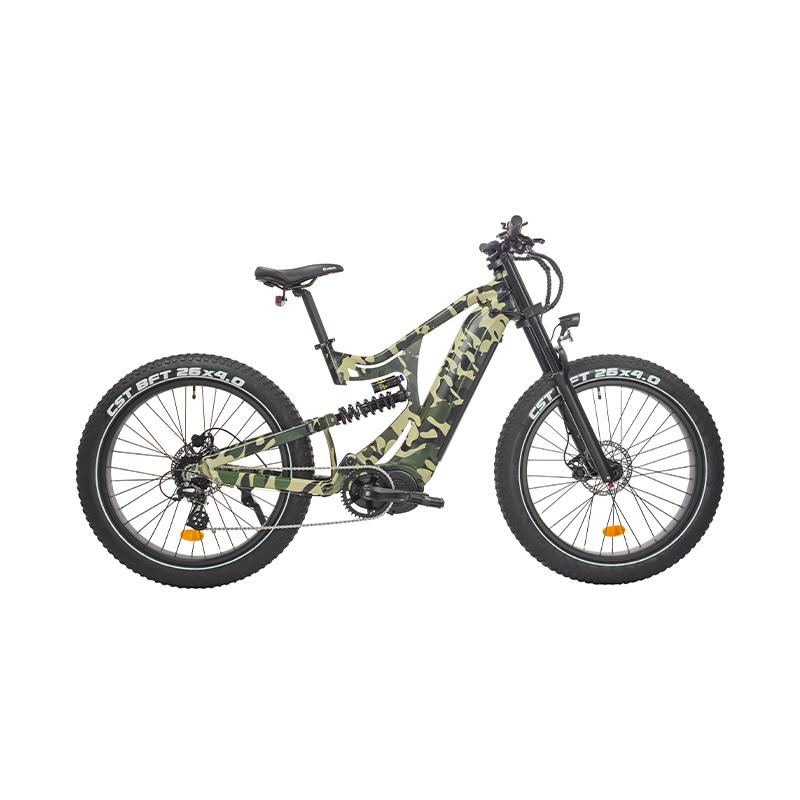
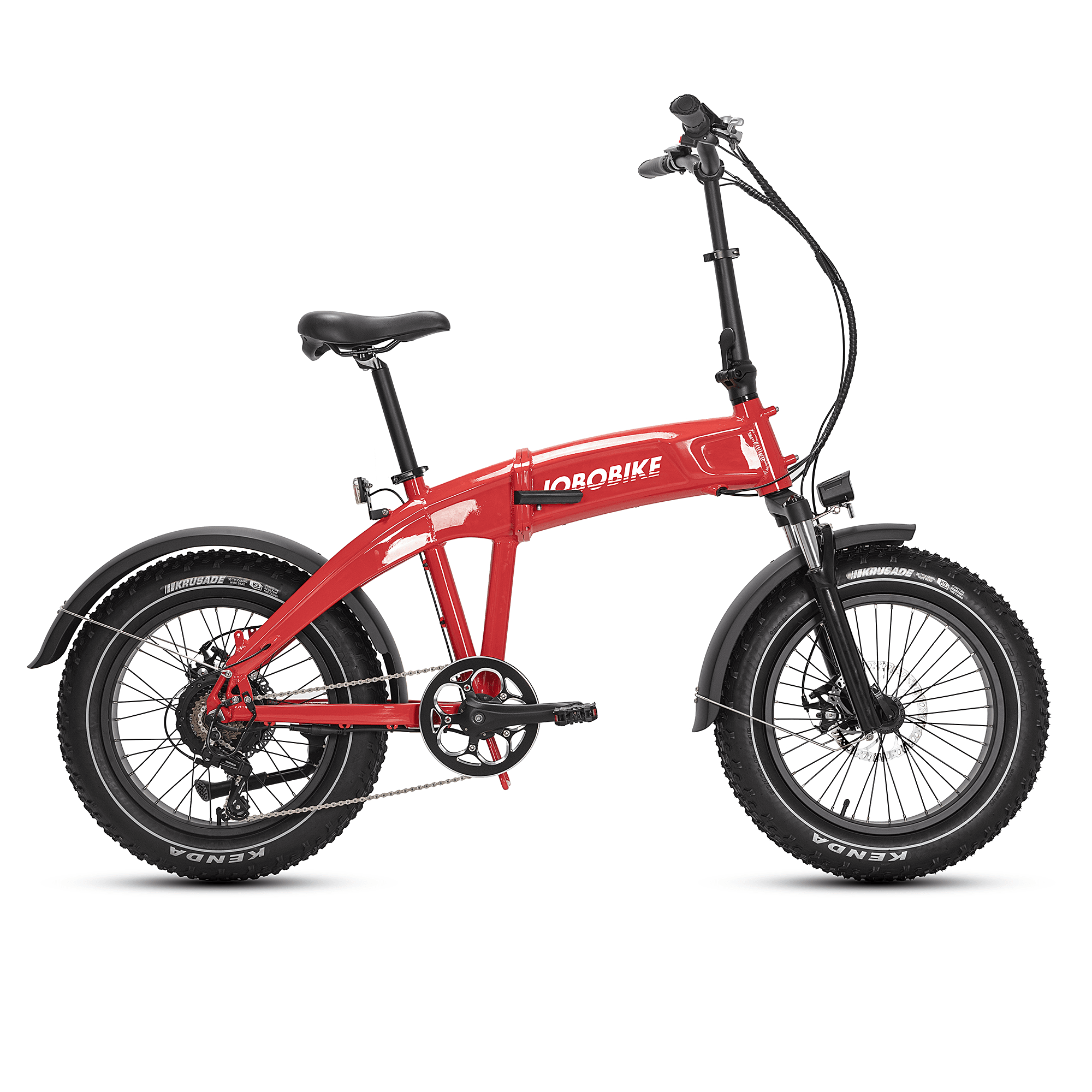
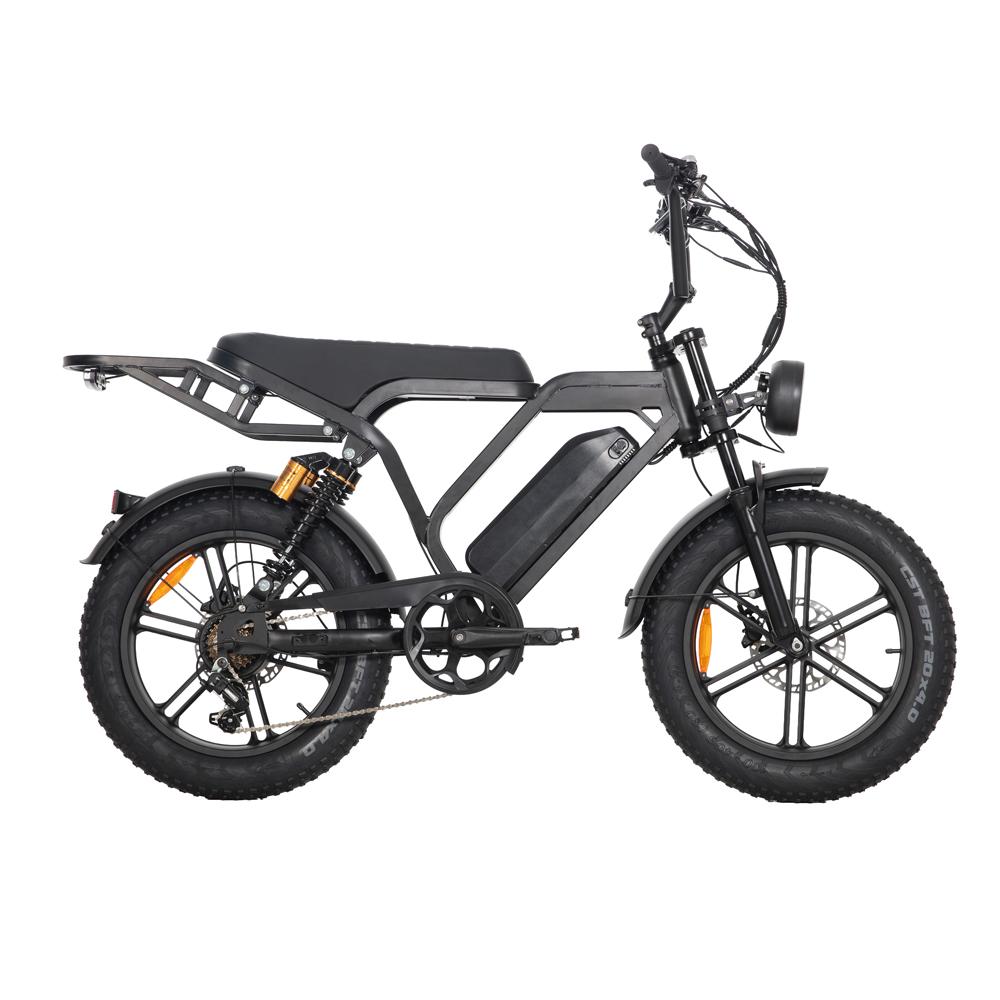
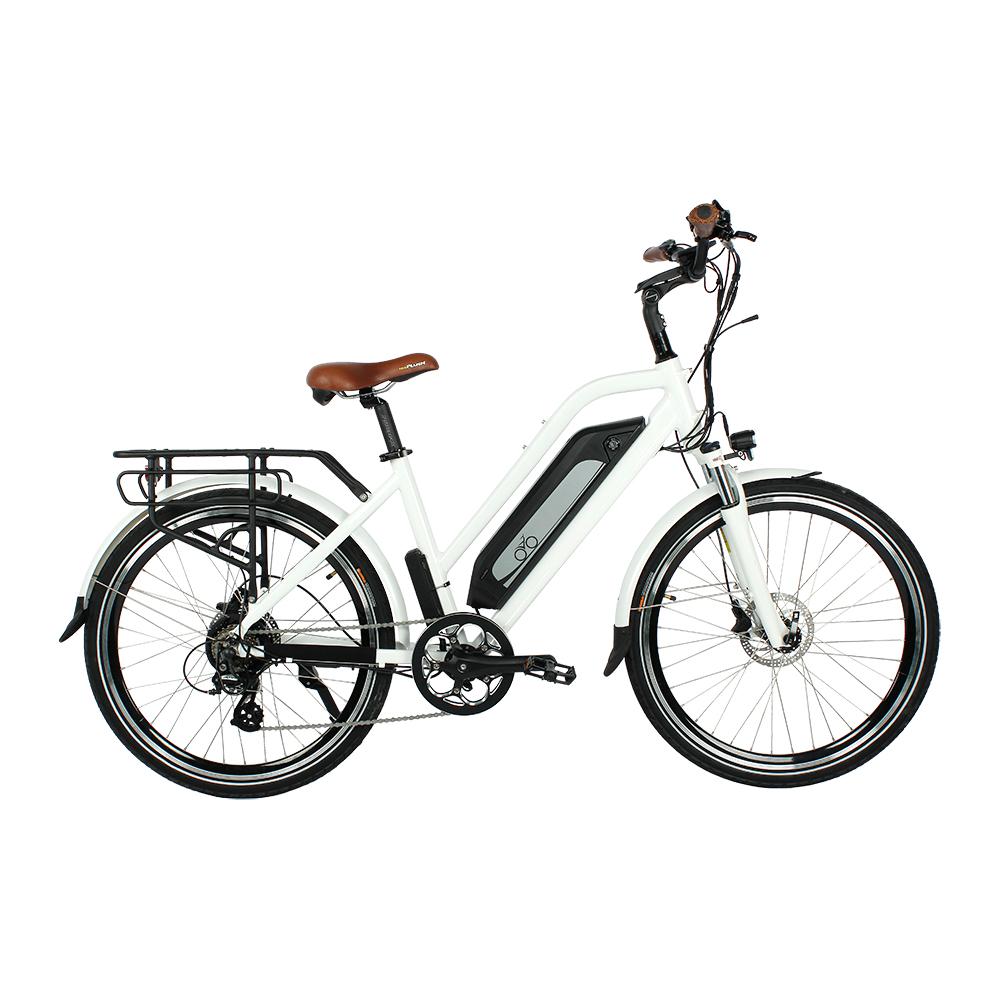
JOBO electric bike buyer's guide
Which electric bike type should you choose?
JOBO develops electric bikes for urban travel, cargo transport, compact storage, trail riding, fleet operation, and branded OEM or ODM programs. Start with the rider, route, load, storage space, and destination-market rules. Then compare the actual model specifications below instead of choosing from appearance or category name alone.
Reviewed by JOBO Product Team · Updated
How to compare electric bike models
A useful comparison keeps the intended journey constant and checks each model against the same requirements. Published range, power, and equipment figures should always be read with their test conditions and market configuration.
- Use and fit: define the route, trip distance, gradients, surface, rider dimensions, cargo or passenger needs, storage limits, and expected riding frequency.
- Electrical system: compare the listed motor, battery, assistance settings, charging arrangement, and service access. Real range changes with load, terrain, temperature, speed, tire pressure, and assist level.
- Safety and compliance: review brakes, tires, lighting, controls, instructions, stated load limits, and available test documents for the specific model. Confirm road-use, import, and certification rules in the destination market.
Can JOBO develop an electric bike for your brand?
JOBO supports OEM and ODM electric bike projects from requirement review through samples and production planning. A useful project brief identifies the destination market, target rider, use case, expected volume, frame platform, motor and battery direction, component level, branding, testing, and delivery needs. The team can then confirm which existing platform or development route fits the project.
- 1.Define the market, user, route, target specification, compliance needs, and commercial goals.
- 2.Review a suitable platform, component options, branding scope, samples, tests, minimum order quantity, and schedule.
- 3.Confirm the approved specification before production, quality control, packing, and delivery planning.
Explore JOBO electric bike categories
Use these category pages to compare models designed around different journeys and operating tasks. Final specifications, equipment, availability, and compliance documents can vary by model and market.
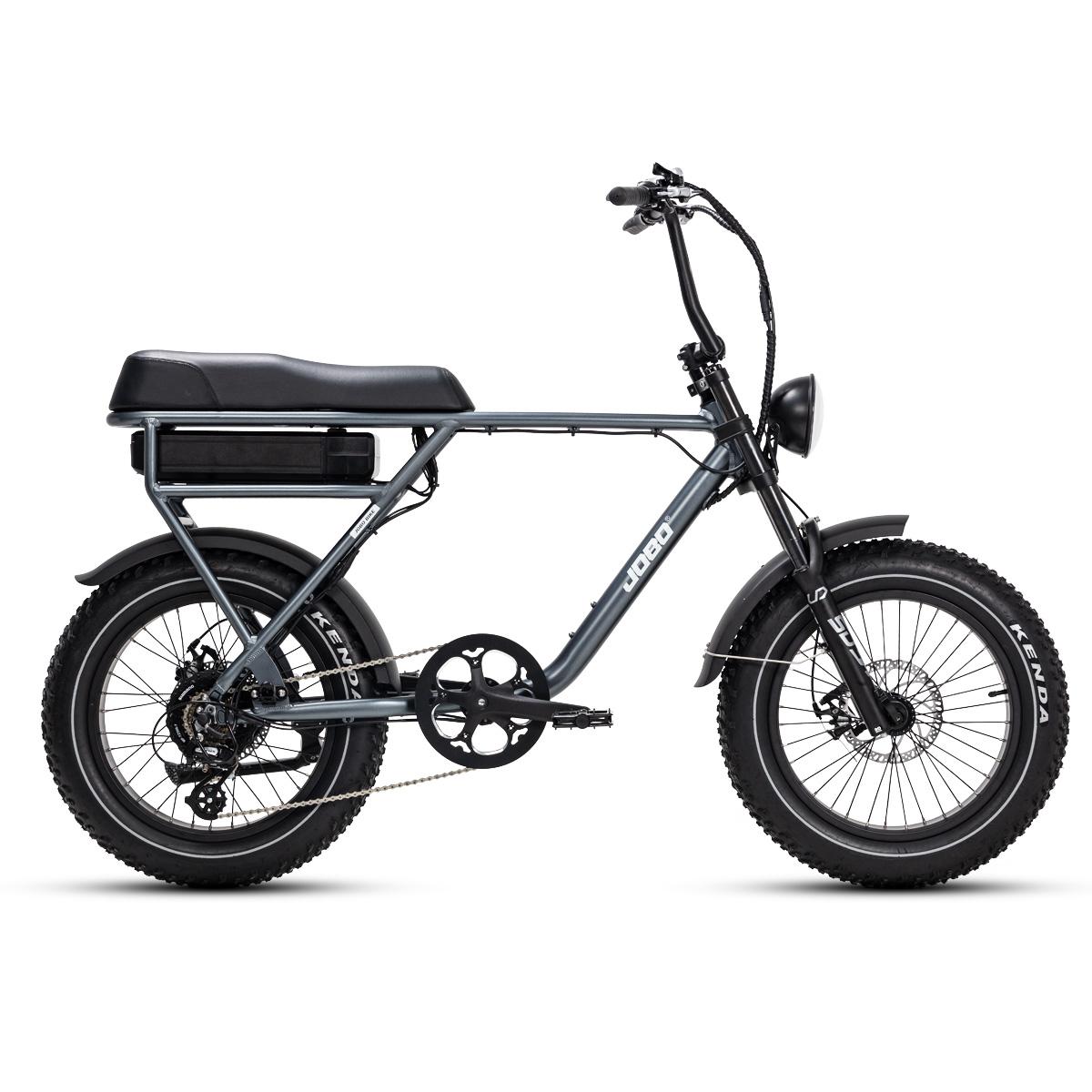
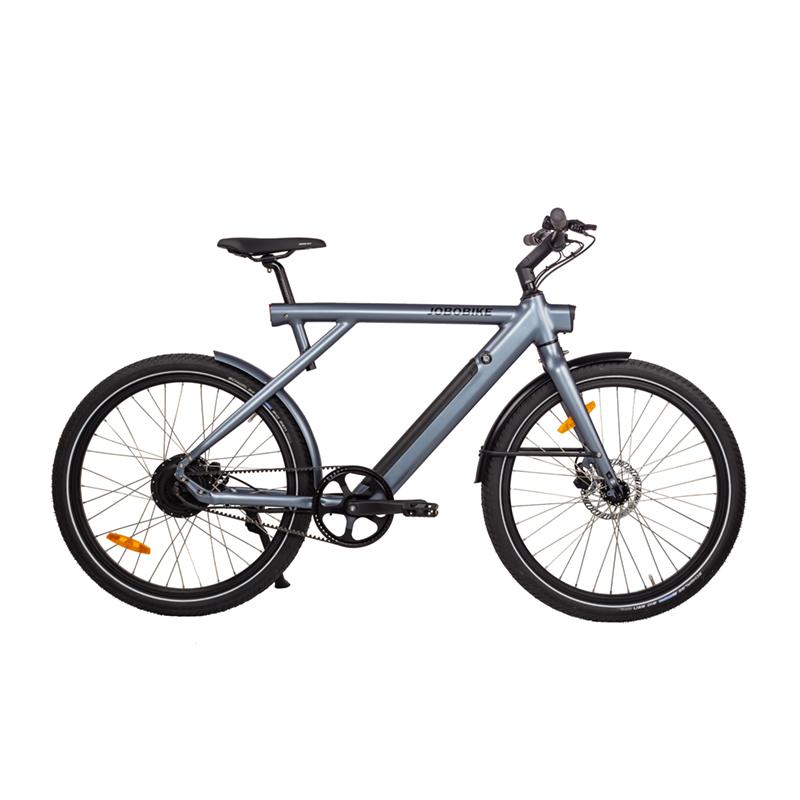
City electric bikes
Everyday urban riding with practical commuter equipment and an upright or balanced position.
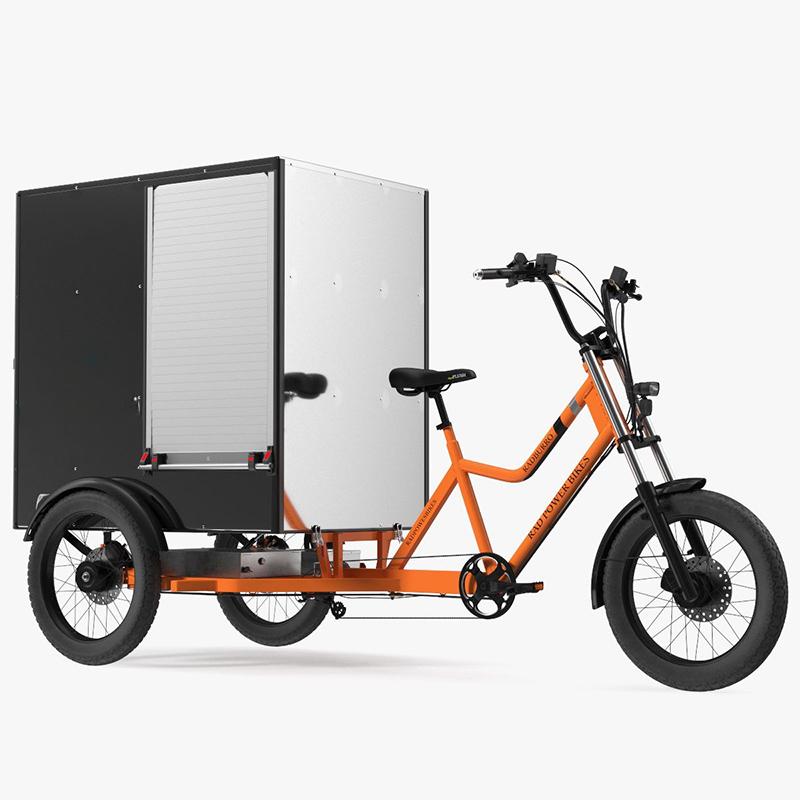
Cargo electric bikes
Utility and delivery platforms where load layout, stability, access, and route conditions matter.
Folding electric bikes
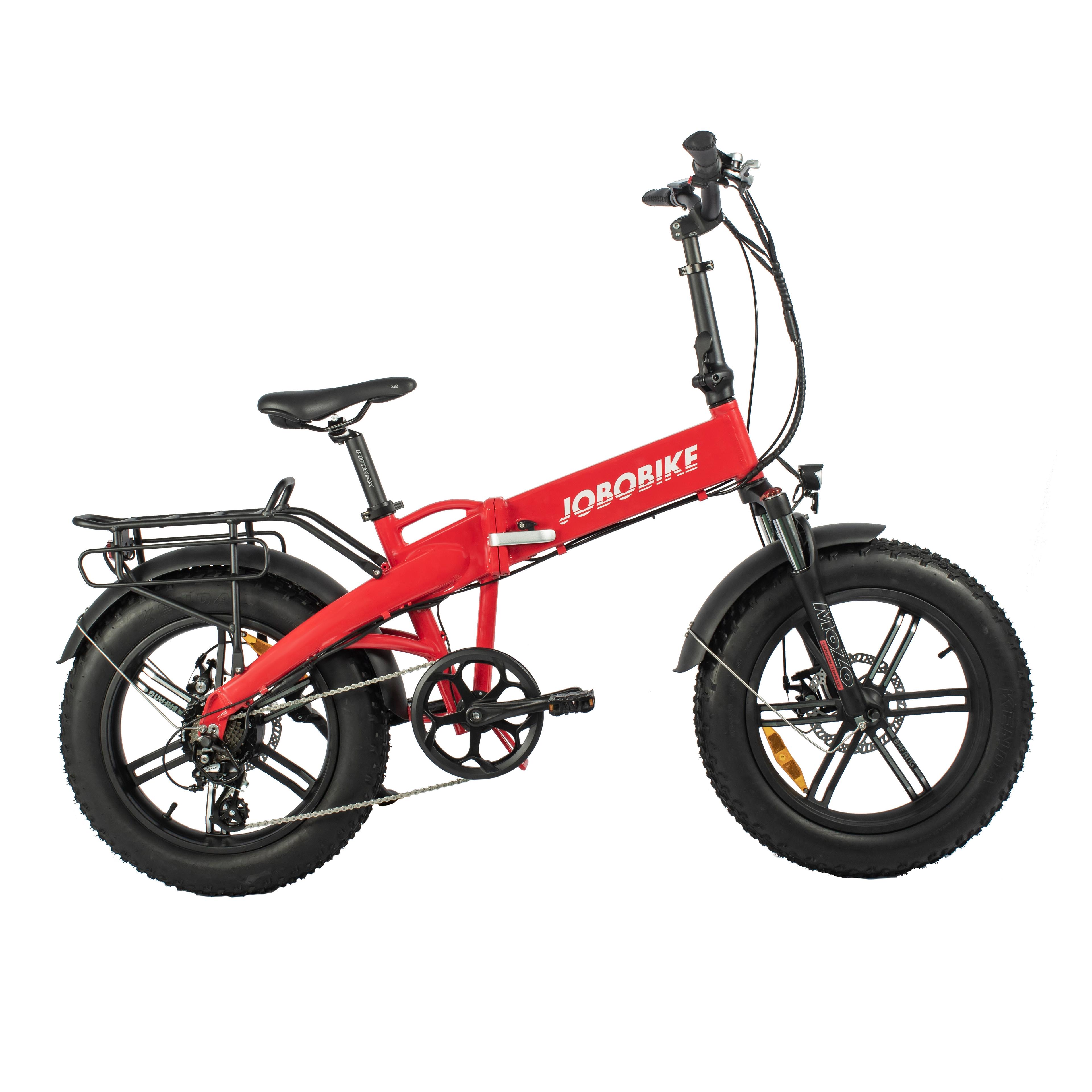
Compact models for storage, vehicle transport, and journeys combined with public transit.
Mountain and off-road e-bikes
Models for trails and mixed surfaces where fit, tires, suspension, braking, and control are central.
Shared electric bikes
Fleet-oriented bicycles developed around durability, battery workflow, locks, and service access.
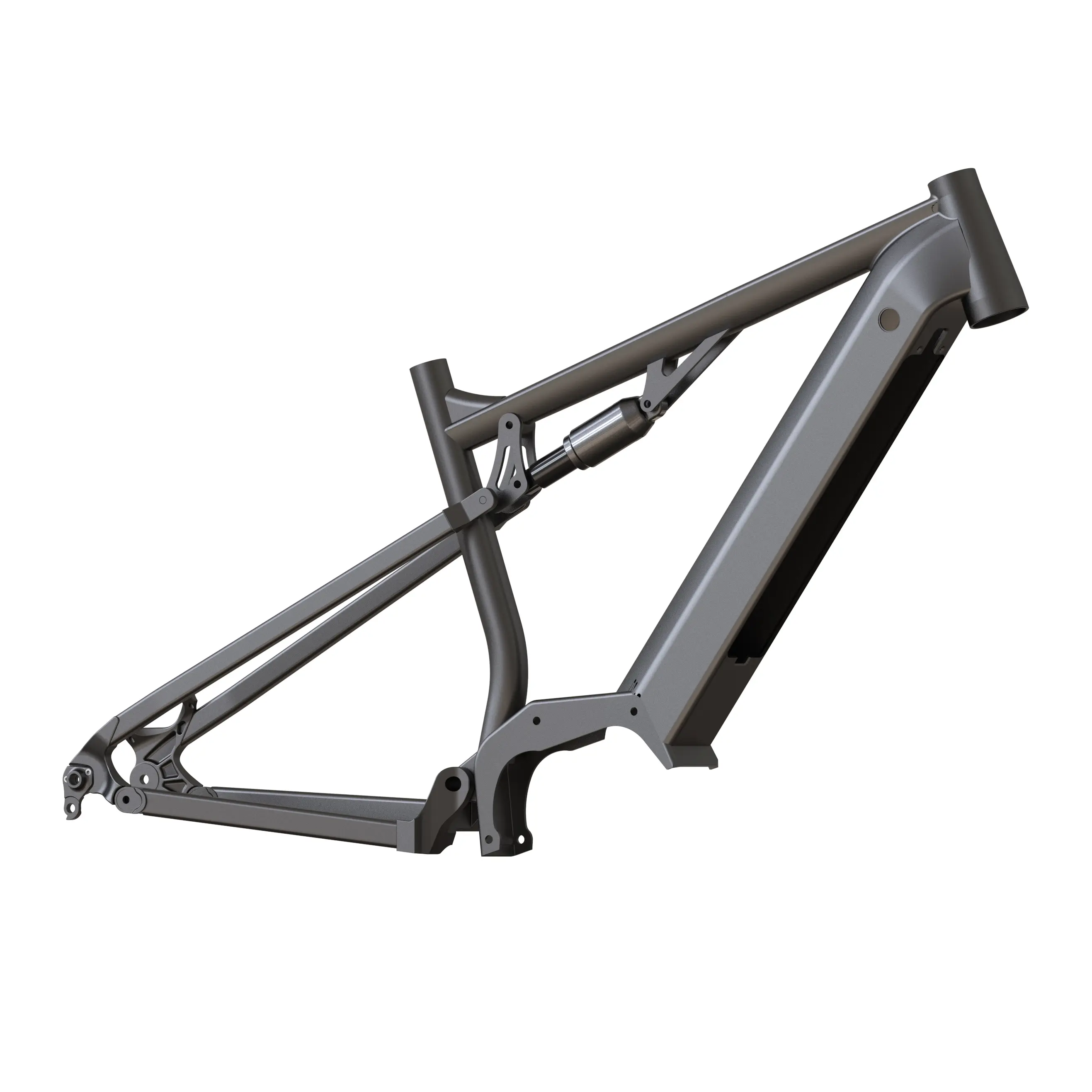
E-bike frames
Frame platforms for brands defining geometry, material, interfaces, finish, and component standards.
Electric bike product questions
- What types of electric bikes does JOBO offer?
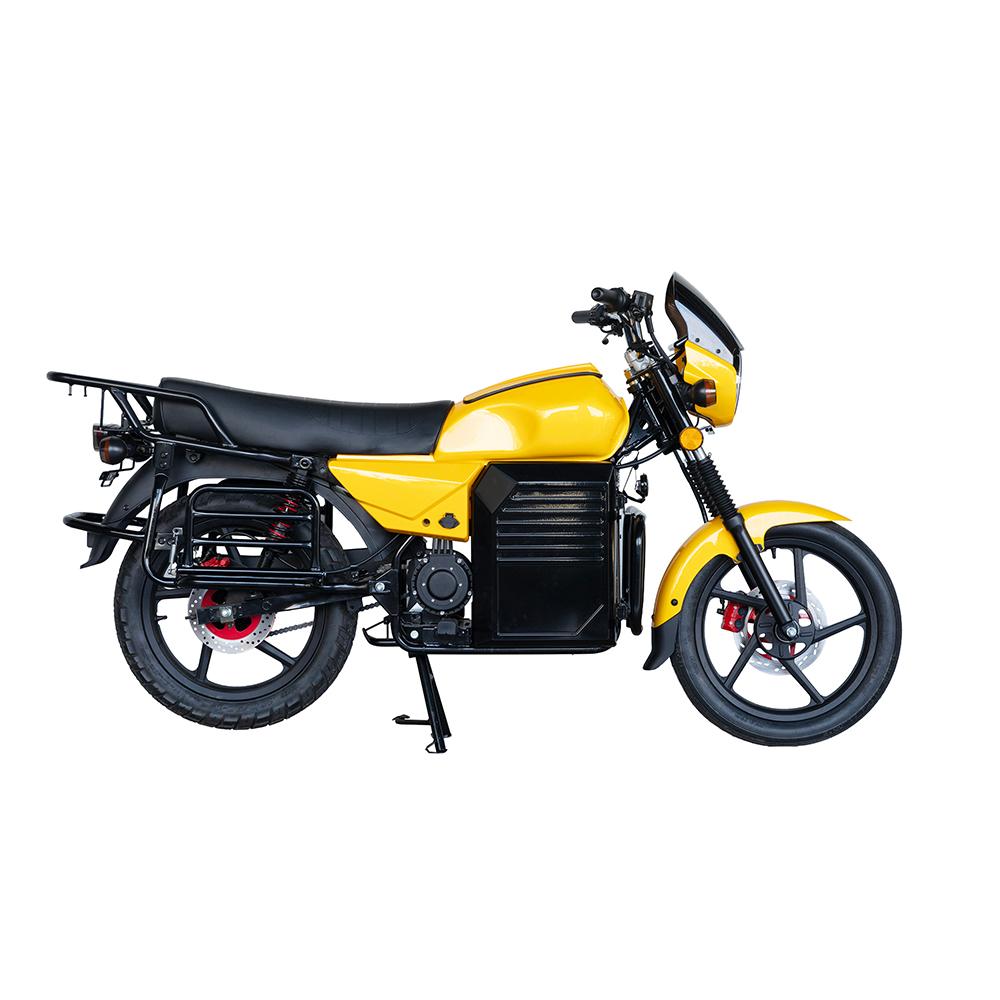
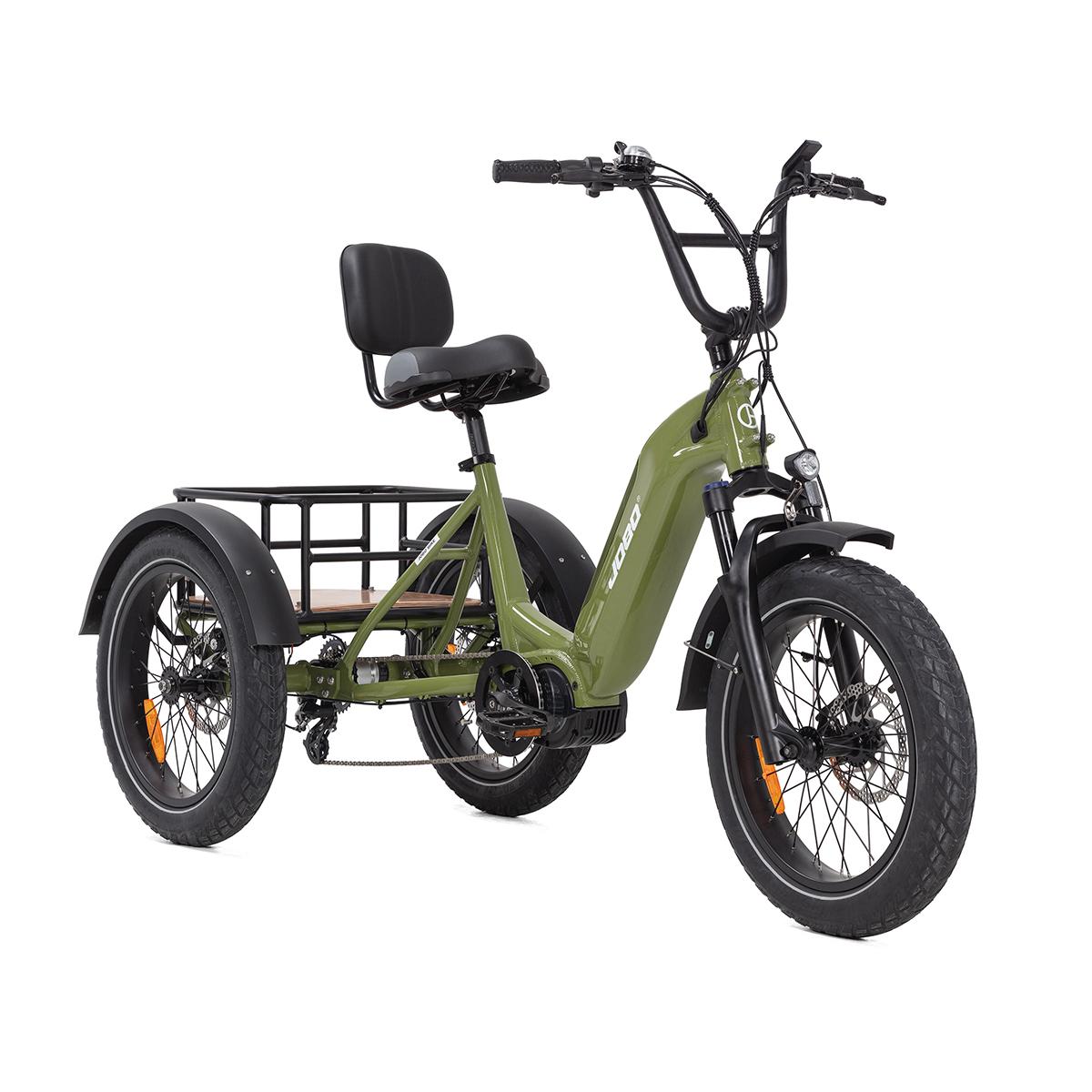
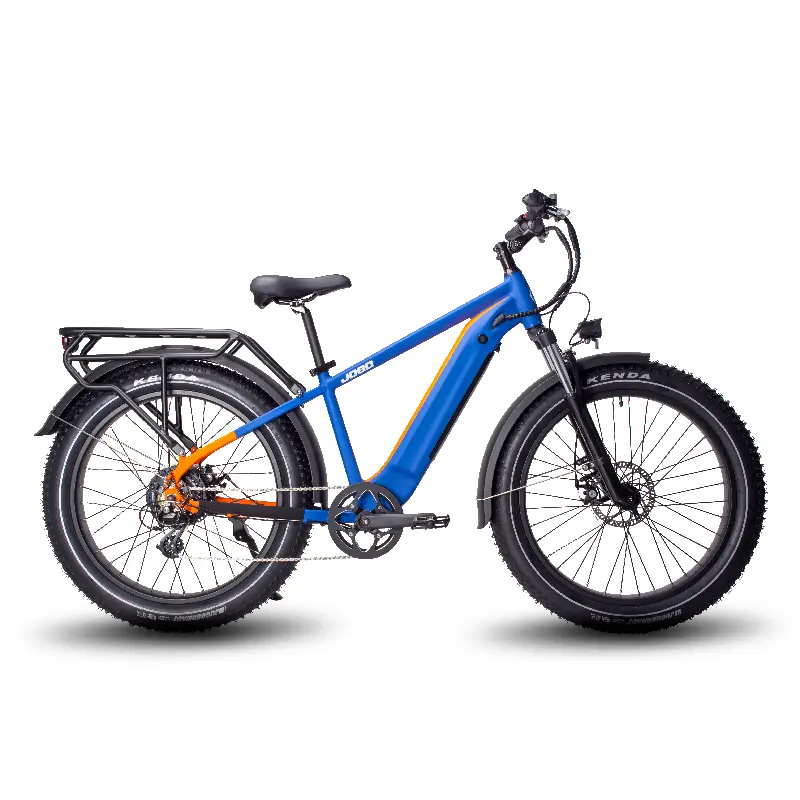
- JOBO's range includes city, cargo, folding, mountain, road, off-road, shared, kids' and three-wheel electric products, electric motorcycles, and e-bike frames. Availability and configuration vary by model and market.
- How should buyers compare e-bike range figures?
- Compare the battery specification and the conditions used for each range figure. Rider and cargo weight, terrain, temperature, speed, tire pressure, stops, and assistance level can materially change real-world range.
- Does JOBO provide OEM and ODM electric bikes?
- Yes. Project scope can include platform selection, frame and component options, colors and branding, samples, testing, production planning, and packing. Feasibility depends on the target specification, market, volume, and schedule.
- How can a buyer confirm certification and compliance?
- Identify the destination market and intended vehicle class first, then request the documents applicable to the exact model and configuration. Requirements can differ by product type, use, and market, so a certificate should not be assumed to cover every variant.