From Sample to Mass Production: How E-Bike Manufacturers Handle Customization
Today’s electric bike buyers don’t want “off-the-shelf.” Whether for fleet deployment, city retail, or last-mile delivery, custom e-bikes are the new standard—and demand is only growing.
But customization doesn’t just happen at the design table. It depends on how well your ebike manufacturer can translate concept into compliant, repeatable, and scalable production.
At Jobo, we’ve built a system that turns brand-specific requests into mass-manufactured e-bikes without sacrificing lead times or quality.
Why Customization Requires a Manufacturing Mindset
Most people associate customization with aesthetics—paint color, logos, maybe packaging. But for manufacturers, true customization means:
-
Adjusting frame geometry or materials
-
Integrating custom drive systems or sensors
-
Complying with specific market regulations (EN15194, CE, UL, etc.)
-
Managing different battery formats or connectors
-
Handling branded firmware or digital controls
-
Creating scalable logistics (drop-shipping, local warehousing)
If your OEM e-bike manufacturer can’t handle these aspects upfront, the cost of error rises quickly in mass production.
Step-by-Step: How Jobo Handles E-Bike Customization
Step 1: Initial Discovery and Spec Alignment
We begin with your core idea—use case, audience, form factor, and region. Then we help you match it to one of our proven Jobo platforms (e.g. cargo, folding, mountain, or city bikes) and adapt specs accordingly.
Typical questions we clarify:
-
Target rider height or geography
-
Torque sensor vs cadence sensor
-
Single or dual battery needs
-
Maximum weight/load rating
-
Branding/paint requirements
Step 2: Sampling & Pre-Series Build
Once specifications are locked, we create 1–3 certified pre-production samples. These bikes are road-tested, certified where needed, and used for packaging or partner validation.
Each sample is documented for:
-
Geometry/fitting feedback
-
Component availability & replacement
-
Electrical compatibility tests
-
Certification prep (EN15194, UN38.3)
Step 3: Tooling, BOM Finalization & Production Slot
We lock in:
-
Final Bill of Materials (BOM)
-
Frame molds (if unique)
-
Branding applications (paint/stickers/logo components)
-
Production timeline + delivery format (FOB, DDP, EU hub)
This phase includes any firmware integration, private label packaging, or QC benchmarking setup.
Step 4: Scalable Batch Production & Fulfillment
Whether you're starting with 300 or 3,000 bikes, our ebike manufacturing system ensures consistency through:
-
In-line QA at frame weld, motor install, and battery mount
-
Post-assembly diagnostics (torque, braking, lighting)
-
Logistics support—via container, EU drop ship, or warehouse delivery
With final assembly capabilities in Poland, we help many clients avoid EU VAT issues and shorten customs delays.
What Customization Looks Like in Real Projects
-
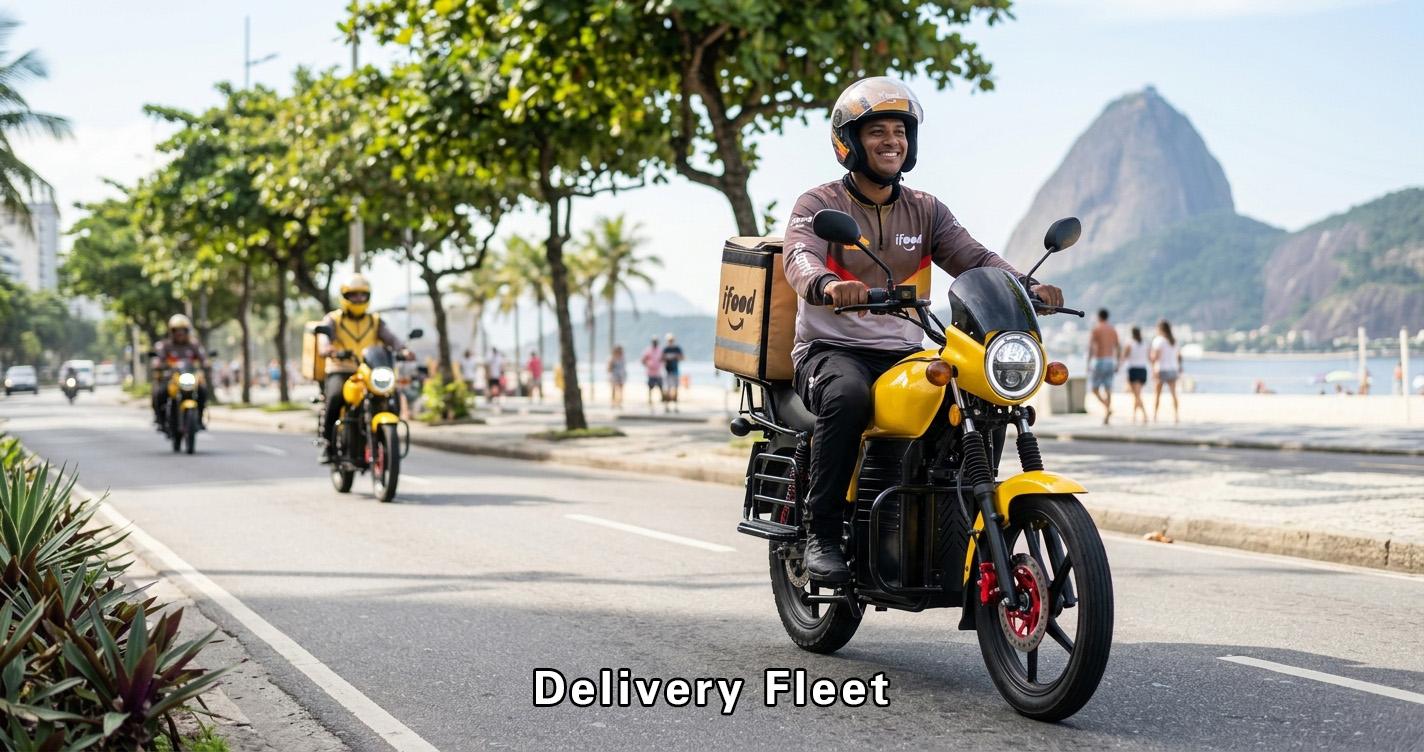
Fleet Buyer: A client requested a cargo e-bike line for food delivery. We adapted our long-tail frame, dual battery layout, and rear rack strength.
-
Retail Brand: A startup needed a compact folding bike line for Gen-Z urban riders. We created neon color finishes, single-button UI displays, and custom packaging with QR-integrated manuals.
-
Government Mobility Program: Specs included throttle-free design, 25km/h limit, EN15194 compliance, and 10-year support on battery housing. Jobo managed the full technical file and batch certification.
FAQ: Common Questions About OEM E-Bike Customization
Q1: Can we start with one model and expand into variants later?
Yes—our frame platforms are modular. We recommend starting with one variant, validating it, then adapting.
Q2: Do you help with battery certifications for Europe?
We handle UN38.3 and integrate into our production flow, including serial tracking and lab documentation.
Q3: How long from sample approval to bulk delivery?
Typically 8–10 weeks depending on component sourcing and delivery location (EU vs FOB Asia).
Customization Is a System—And Manufacturers Make It Work
Great e-bike customization is not just about flexibility. It’s about repeatability, compliance, and speed at scale.
At Jobo, we’ve helped dozens of brands turn early sketches into market-ready e-bikes that comply, perform, and deliver—consistently.
Explore our OEM-ready product categories
Start your custom project with Jobo