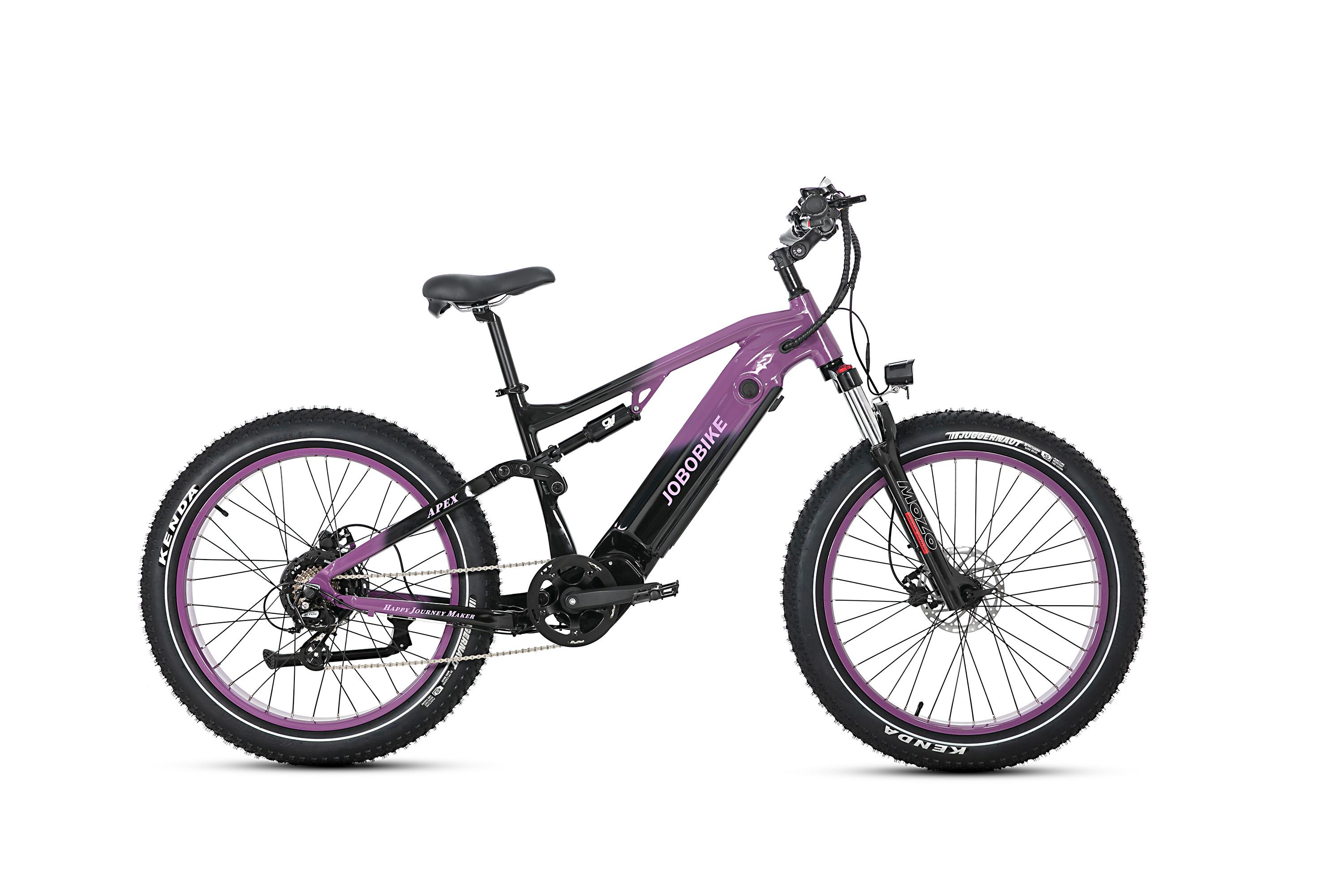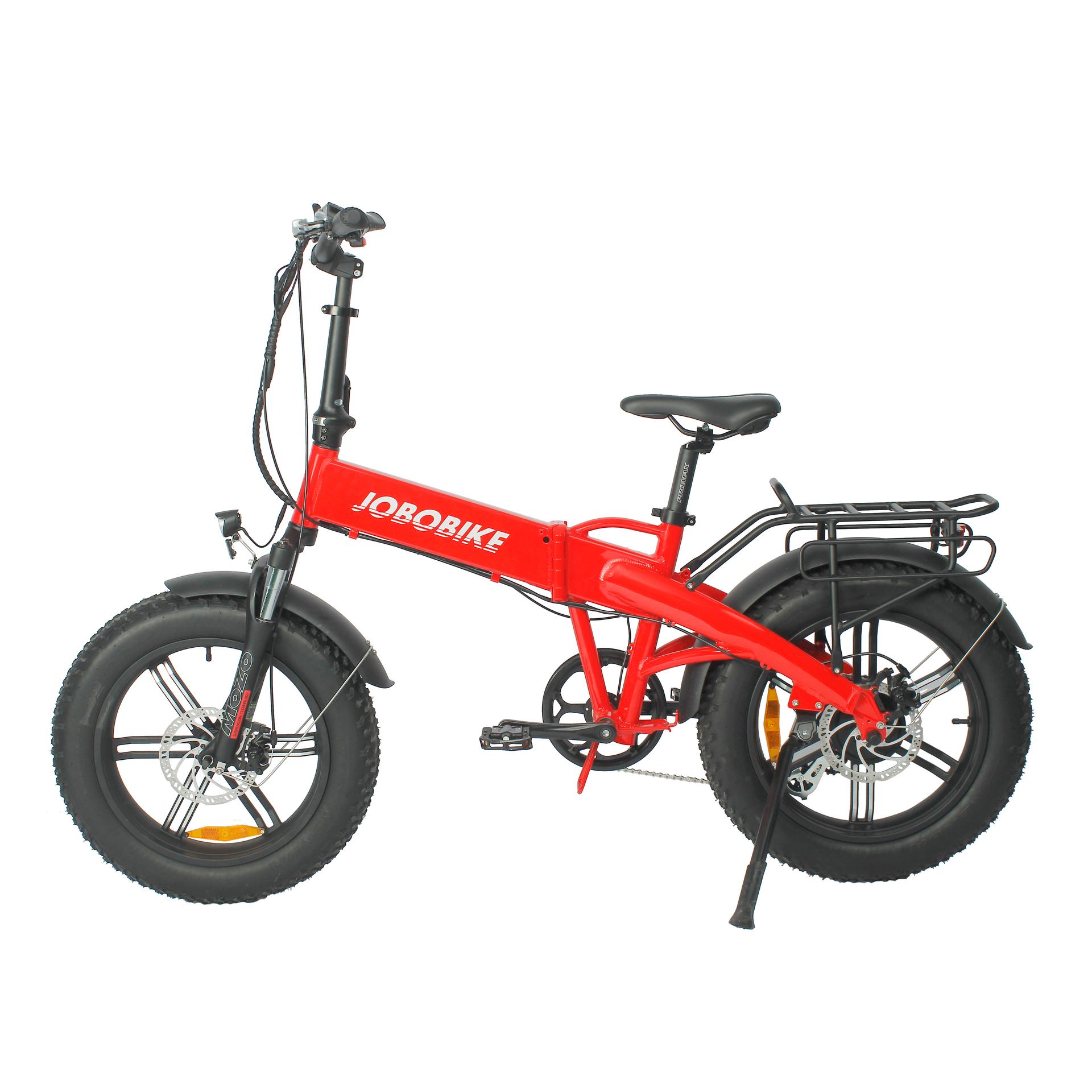
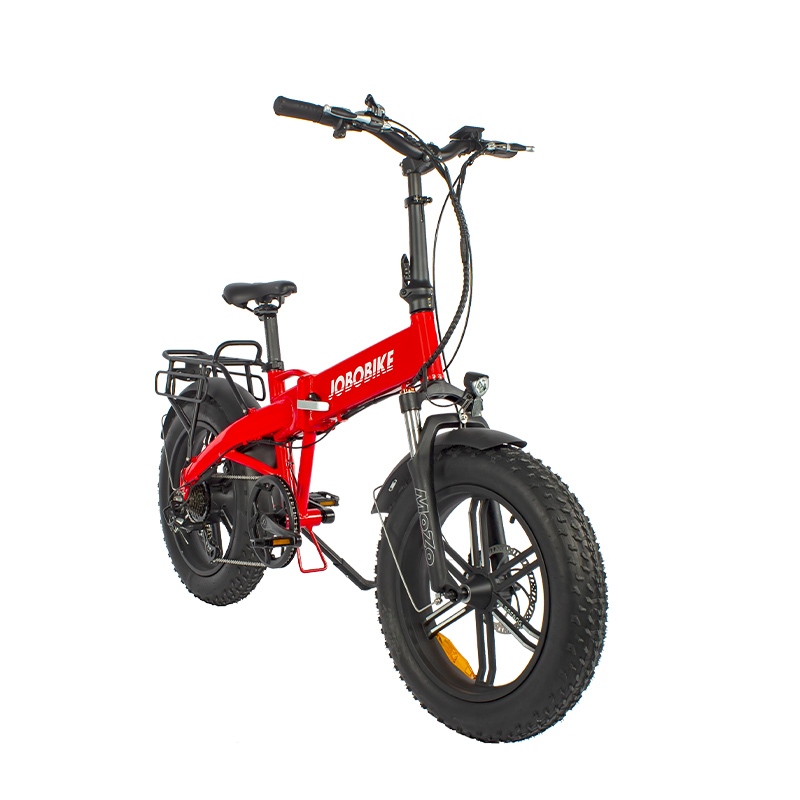
Electric Folding City Bikes: Compact Mobility for Modern Urban Life
The New Standard for Urban Commuting
In today’s crowded cities, mobility means more than speed — it means flexibility. The electric folding city bike answers that need perfectly, offering the convenience of a small footprint with the boost of electric power.
From office commuters and apartment dwellers to shared mobility services, folding e-bikes provide a space-saving, energy-efficient solution for short-to-medium distance urban travel.
Smart Engineering Behind Foldable Design
The challenge for folding bikes lies in maintaining strength while allowing compactness.
Modern engineering solves this with multi-hinge aluminum frames, locking mechanisms, and battery integration that preserve stability.
Key structural features include:
-
6061 aluminum alloy frame with quick-release folding joints
-
Central hinge locking system for rigidity and safety
-
Removable or frame-integrated batteries for easy charging
-
20–22 inch wheels balancing maneuverability and stability
-
Telescopic seat and handlebar for adjustable rider comfort
These features make the electric folding city bike both portable and reliable — ideal for apartments, offices, or public transport connections.
Power and Performance in a Compact Form
While small in size, modern folding e-bikes pack efficient power systems:
-
250–350W hub motors designed for flat urban terrain
-
36V 10–14Ah lithium batteries supporting 40–60 km range
-
Pedal assist + throttle hybrid systems for flexible riding modes
-
Disc brakes and reflective tires for enhanced safety
-
Smart controllers optimizing energy output per riding condition
Together, these ensure riders enjoy comfort and consistency even on longer city commutes.
Folding E-Bike vs. Standard City E-Bike
| Feature | Electric Folding City Bike | Standard City E-Bike |
|---|---|---|
| Portability | Fully foldable | Fixed frame |
| Storage | Fits under desk or in car trunk | Requires parking space |
| Weight | 18–23 kg | 25–30 kg |
| Ideal Use | Urban commutes, apartments | Daily commutes, longer rides |
| Price Range | Moderate | Slightly higher |
| Maintenance | Simple, modular | Standard servicing |
For modern commuters and fleet operators, this portability advantage means easier transport logistics and lower operational costs.
Manufacturing Insight from JOBO ebike
At JOBO ebike, our folding series integrates double-lock folding joints, compact battery layouts, and optimized geometry to prevent frame flex during riding.
Each model undergoes 1,000-cycle hinge durability testing and vibration resistance checks to guarantee structural integrity.
Whether for individual riders or OEM fleet procurement, JOBO ebike delivers foldable mobility that aligns with modern city transport demands.
Use Scenarios: From Personal Commute to Business Fleet
1. Urban Professionals
-
Quick-fold frame for metro or office use
-
Lightweight 20-inch wheels
-
Long battery life for daily travel
2. Apartment or Shared Housing Residents
-
Compact storage footprint
-
Removable battery for indoor charging
-
Minimal maintenance design
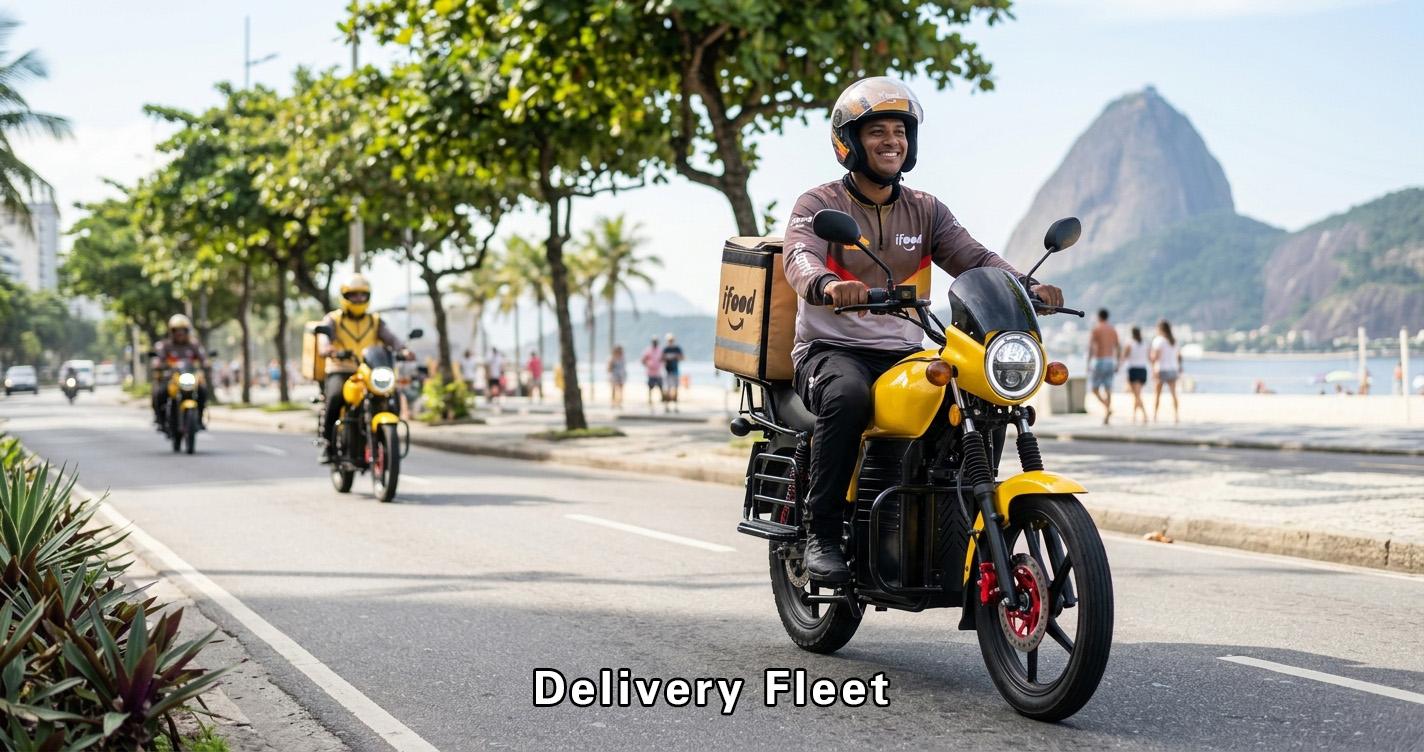
3. Corporate & Delivery Fleets
-
Unified frame standards for easy servicing
-
Modular battery replacement
-
Custom branding options for OEM clients
4. Tourism & Rental Services
-
Durable hinges for frequent use
-
Anti-theft locking systems
-
Easy transport in compact vehicles
What Buyers Should Check Before Purchasing
| Common Issue | Why It Matters | Recommendation |
|---|---|---|
| Weak hinge joints | Reduces frame safety | Choose double-locking hinge systems |
| Short battery range | Limits practicality | Opt for ≥10Ah battery capacity |
| Low-quality brakes | Unsafe in city traffic | Require disc brakes with alloy levers |
| Overly heavy frames | Affects portability | Keep under 23 kg total weight |
| Unstable geometry | Causes frame wobble | Verify rigid frame locking structure |
| No waterproof sealing | Reduces battery lifespan | Ensure IP-rated connectors |
Frequently Asked Questions
Q1: Can folding city e-bikes handle slopes?
Yes, especially with 250W–350W hub motors offering torque assist on moderate inclines.
Q2: How long does folding or unfolding take?
Usually under 20 seconds with modern locking systems.
Q3: Are these bikes suitable for shared or rental fleets?
Absolutely. Their small footprint and simple maintenance make them ideal for shared mobility systems.
Compact, Convenient, and Future-Ready
The electric folding city bike represents a smart evolution in personal and shared urban transport — portable yet powerful, efficient yet elegant.
At JOBO ebike, we focus on building folding solutions that balance mechanical integrity, lightweight design, and energy efficiency.
To explore our foldable e-bike models or OEM partnership options, visit our homepage or contact us through the contact page.