Safe, Spacious, and Smart: Family Cargo E-Bikes Built for Modern Urban Living
Designed for Family Transport in Busy Cities
Urban families today need transport options that are safe, compact, and eco-friendly. A family cargo e-bike meets all three goals by combining the load stability of a cargo bike with the comfort of a passenger vehicle.
It’s ideal for parents carrying children, groceries, or daily essentials—offering a new balance between practicality and sustainability in dense city environments.
Structural Design Prioritizing Safety and Balance
Family models are more than enlarged cargo bikes. Their geometry and frame materials are tuned for passenger comfort and protection.
Key engineering features include:
-
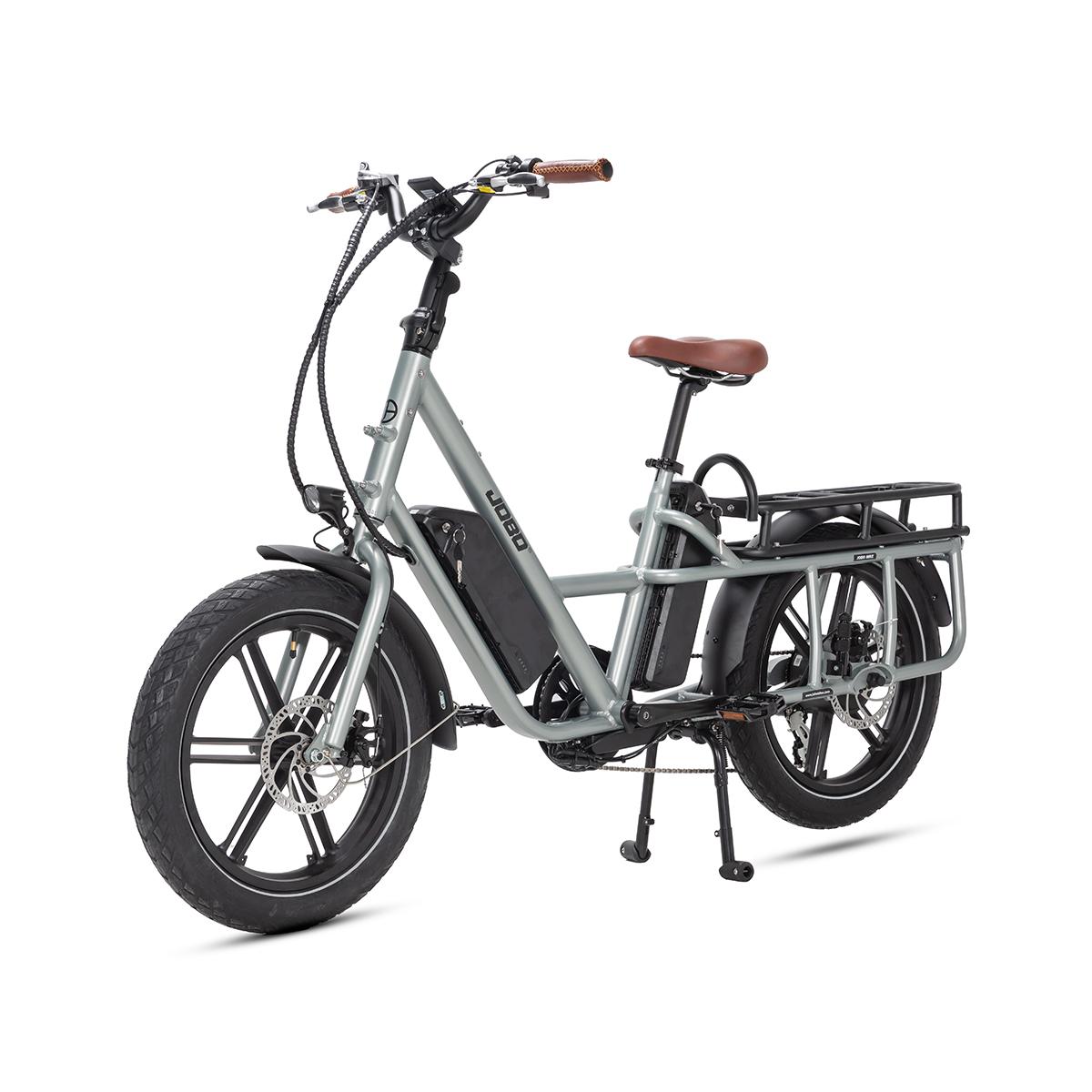
Extended wheelbase and reinforced frame for load distribution
-
Integrated rear seats with child harness support
-
Low step-through design for easy boarding
-
Hydraulic brakes and dual-piston calipers for reliable stopping
-
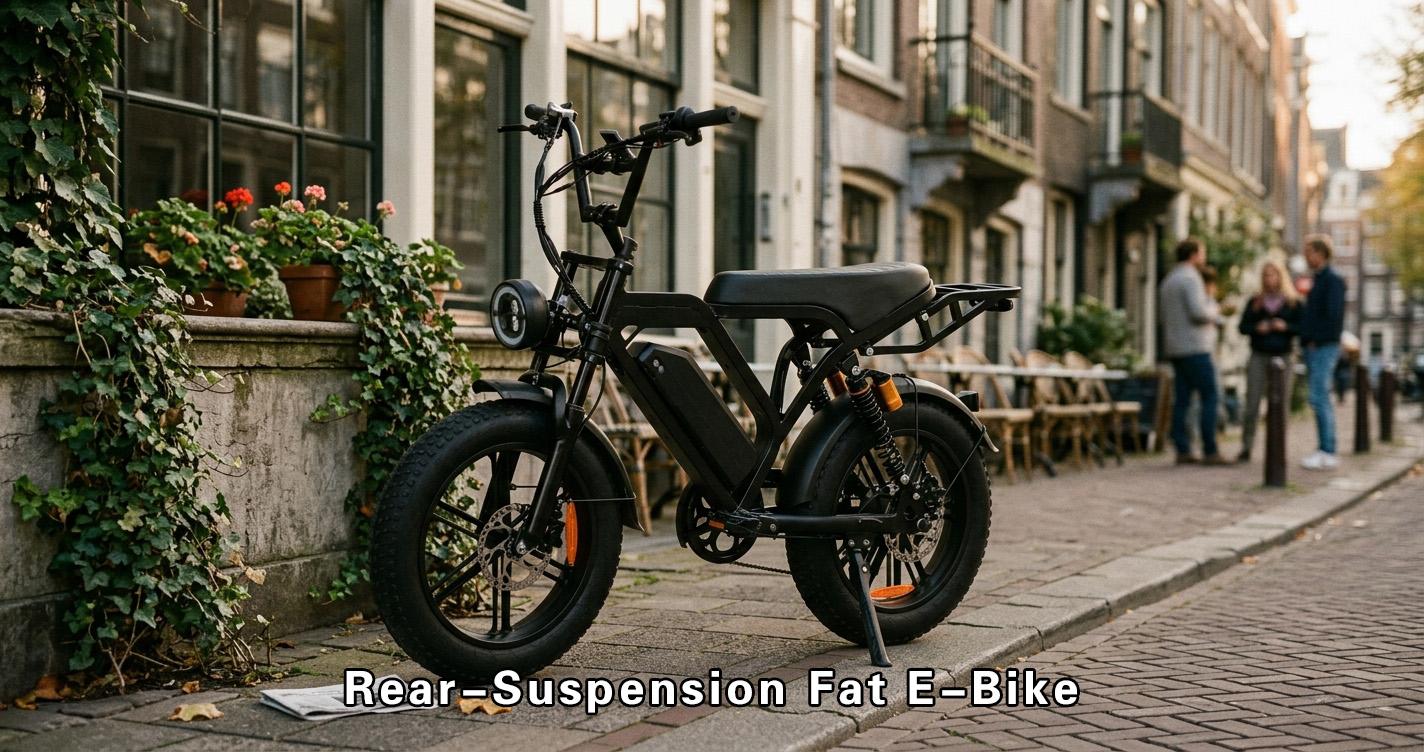
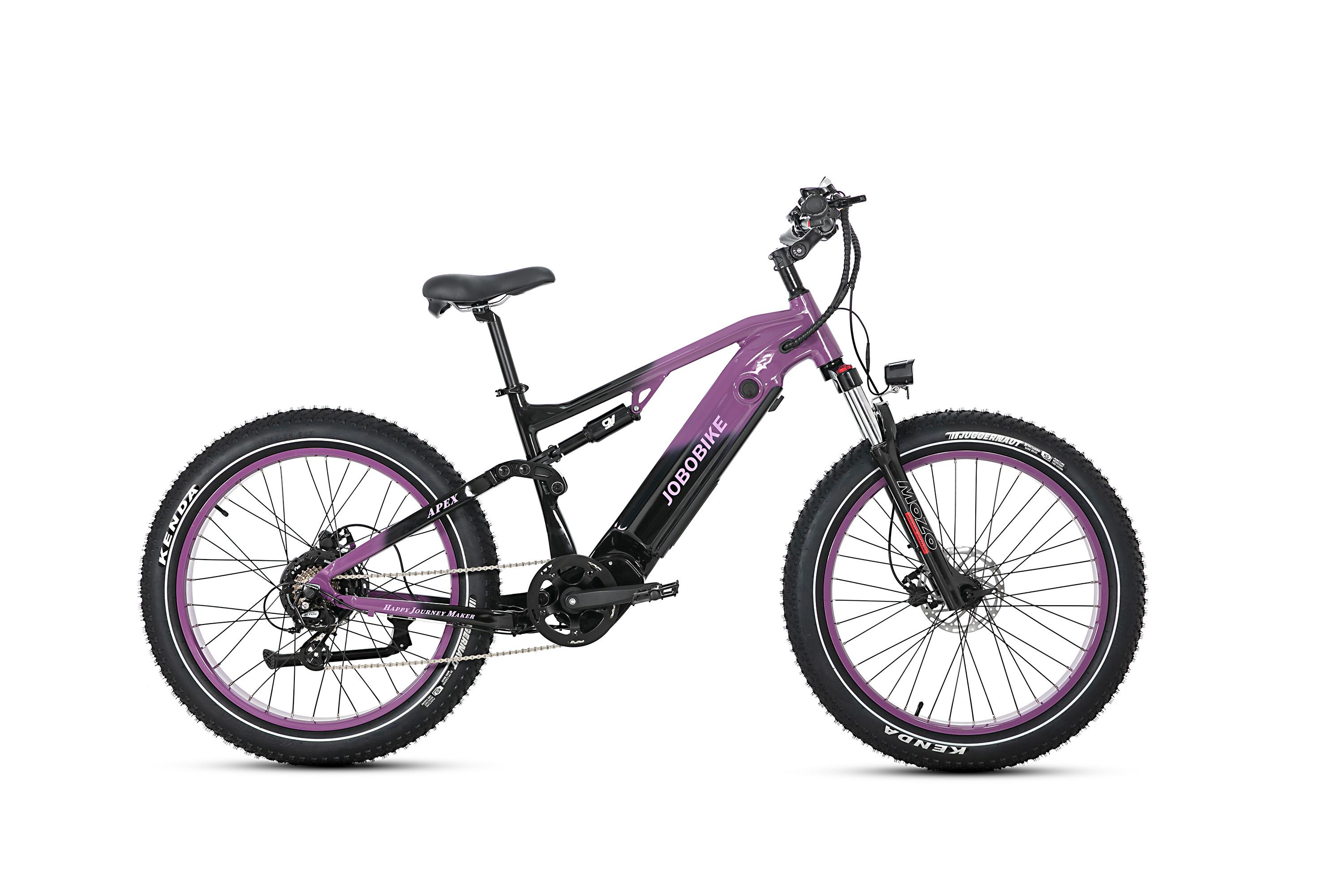
Suspension fork and rear damping for comfort on uneven roads
Together, these components create a riding experience that feels secure even with passengers on board.
Powertrain and Range for Everyday Family Use
The family cargo e-bike emphasizes torque, battery stability, and predictable acceleration.
Most use configurations such as:
-
48V mid-drive or rear hub motors delivering steady torque (45–70 Nm)
-
Dual battery systems (14Ah + 17Ah) for longer school runs or shopping routes
-
Regenerative braking or smart power management to extend range
-
Integrated lighting and sensor systems for enhanced night visibility
This setup ensures the bike performs safely under mixed weights and frequent start-stop conditions.
Family Cargo vs. Traditional Cargo E-Bike
| Feature | Family Cargo E-Bike | Traditional Cargo E-Bike |
|---|---|---|
| Main Purpose | Passenger + Cargo | Cargo only |
| Load Capacity | 100–180 kg total | 120–200 kg cargo |
| Frame Geometry | Extended with low entry | Standard long-tail |
| Safety Design | Child seats, belts, guard rails | Open platform |
| Comfort Features | Suspension, soft saddle, step-through | Utility-oriented |
| Ideal Users | Families, schools, daycare | Delivery, logistics |
This comparison shows how family cargo e-bikes are optimized for people, not just packages.
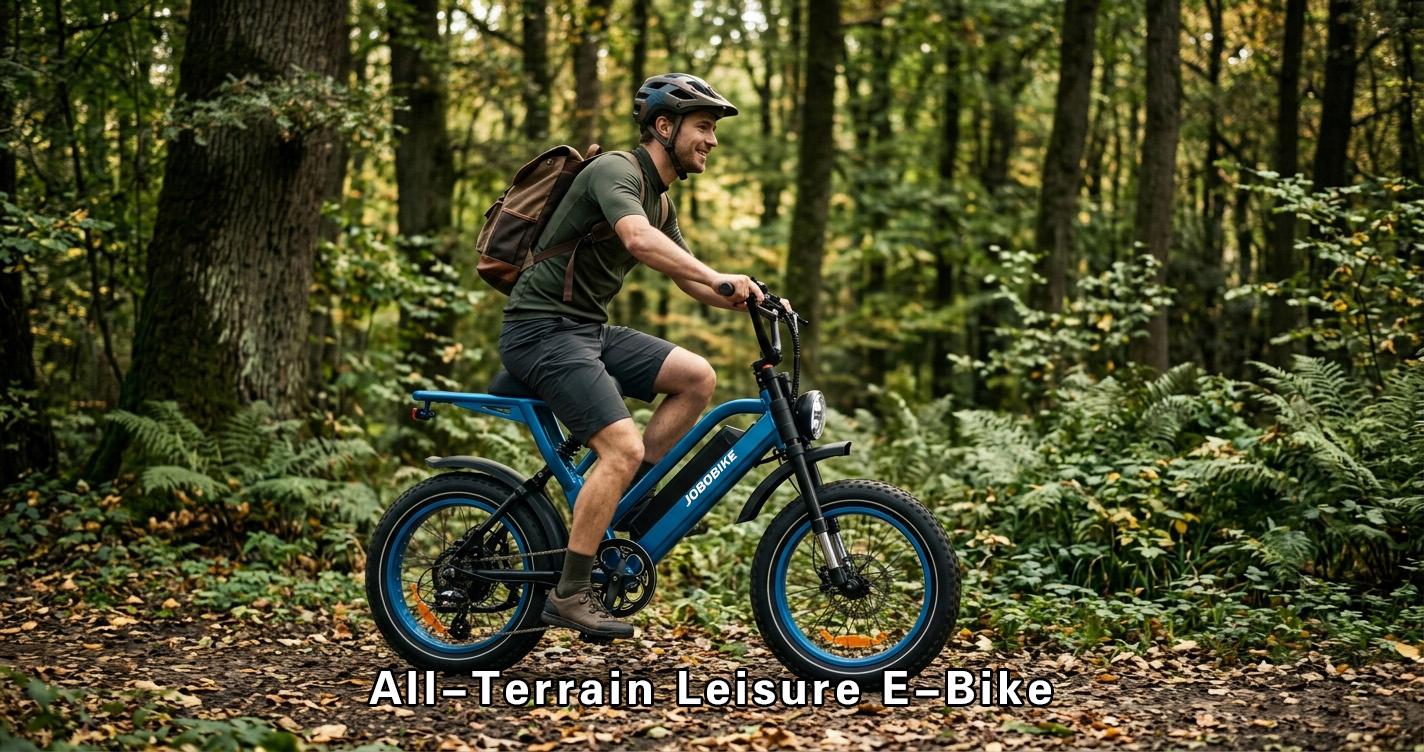
Manufacturing Insight from JOBO ebike
At JOBO ebike, our family cargo series is engineered with reinforced rear racks, double-welded mounts, and child-safe seating compatibility.
We perform load simulations and tilt stability tests to ensure control even when fully loaded.
Each model integrates weather-resistant electrical systems, allowing families to commute safely in all conditions.
Through continuous R&D, JOBO ebike supports OEM and distributor clients in developing dependable, family-oriented product lines.
Recommended Configurations for Family Use
1. Daily School Transport
-
Dual child seat mounts
-
Hydraulic brakes + rear suspension
-
48V 15Ah battery for morning and evening trips
2. Family Shopping & Errands
-
Front cargo rack for bags
-
Extended rear carrier
-
Waterproof battery housing
3. Recreational & Weekend Use
-
Mid-drive motor for smoother hills
-
Soft saddle and backrest
-
Long-range dual battery option
4. Shared Family Use Models
-
Adjustable seats and handlebars
-
Modular rack system
-
Integrated lock and alarm
What Buyers Should Check Before Purchasing
| Common Issue | Why It Matters | Recommendation |
|---|---|---|
| Weak rear frame welds | Reduces safety under load | Choose reinforced double-welded designs |
| Overly tall seat position | Affects stability with kids | Opt for low center geometry |
| No guard rails | Unsafe for passengers | Require side protection frames |
| Inconsistent braking | Dangerous on slopes | Select hydraulic dual-piston brakes |
| Short battery range | Fails long errands | Pick dual-battery setup |
| Poor seat padding | Reduces comfort | Ensure shock-absorbing seat design |
Frequently Asked Questions
Q1: Can a family cargo e-bike replace a car for short trips?
Yes. Many families use it for school, groceries, and daily commutes within 10–20 km.
Q2: Are child seats standardized?
Most use universal mounts (Yepp or MIK system), compatible with multiple accessory brands.
Q3: How much maintenance do they need?
Similar to a regular e-bike: chain lubrication, tire checks, and battery care every few weeks.
A Smarter, Safer Way for Families to Move
With their blend of safety, comfort, and load efficiency, family cargo e-bikes are transforming how families navigate modern cities.
At JOBO ebike, we focus on building dependable frames, smart safety systems, and modular accessories that empower families to travel together with confidence.
To learn more about our family cargo models or OEM collaboration, visit our homepage or reach us through the contact page.