How to Source Components from European E-Bike Suppliers

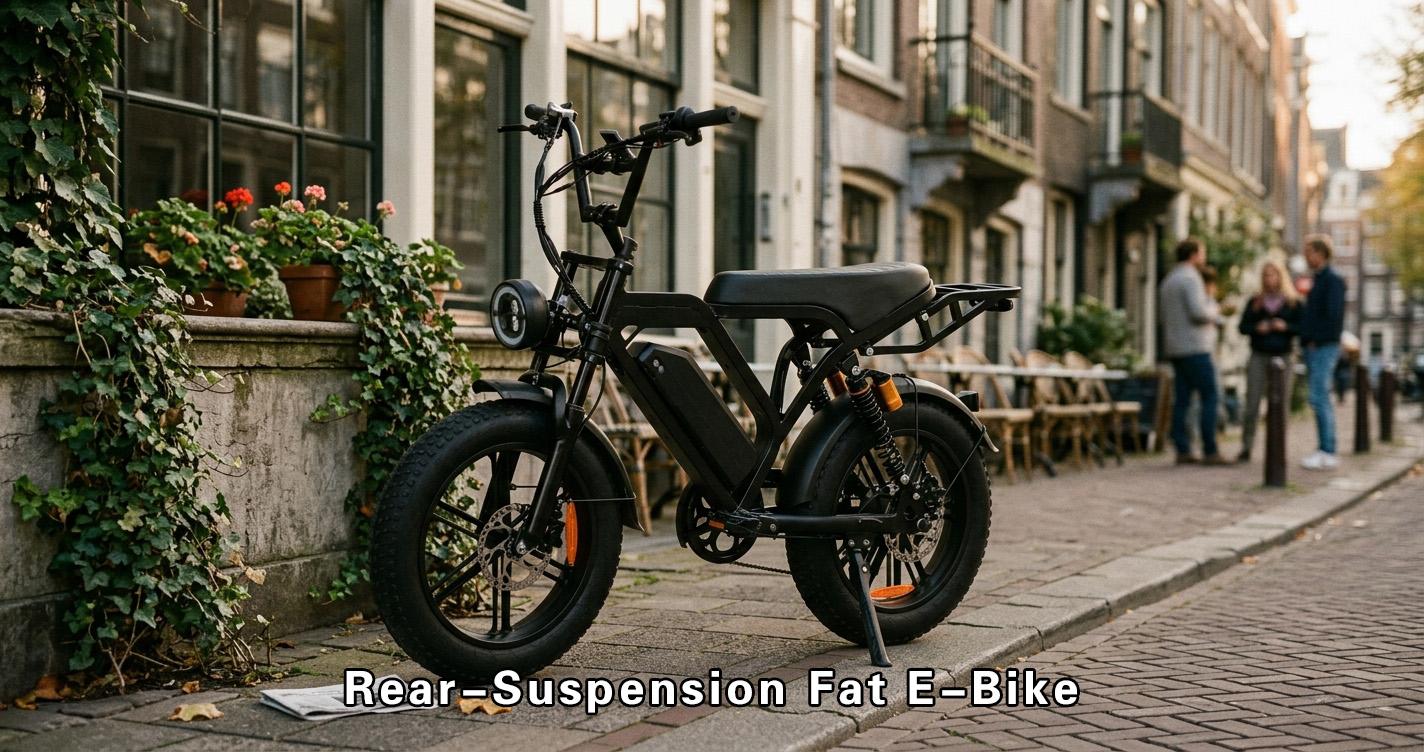
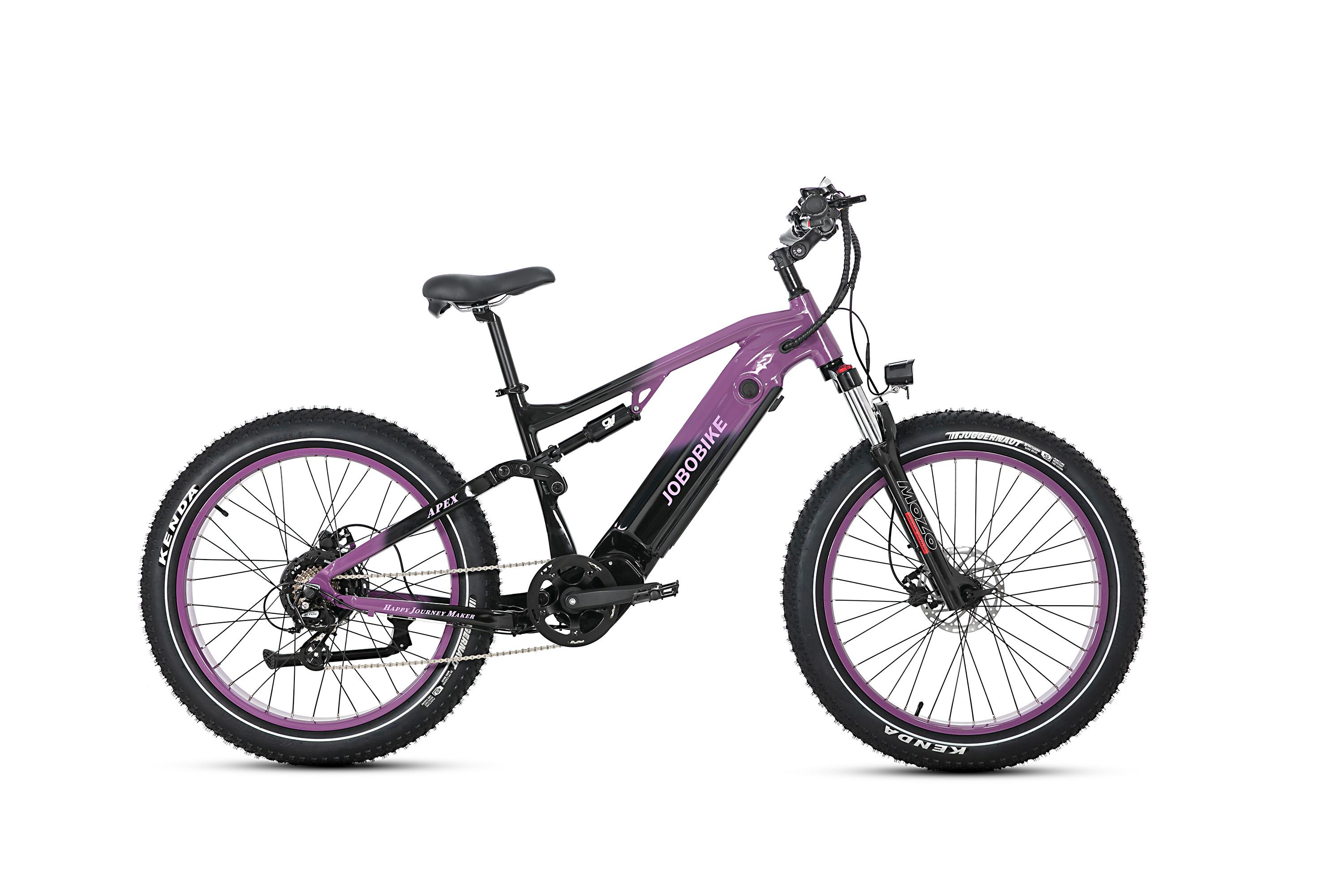
The foundation of successful European e-bike assembly begins with selecting quality parts from reputable e-bike components suppliers Europe. Start by choosing a durable frame that meets EU safety standards, then select a motor system with appropriate power ratings (typically 250W to comply with European regulations). The battery selection is crucial - opt for high-quality lithium-ion batteries from certified suppliers. Additional components like hydraulic disc brakes, all-terrain tires, and integrated lighting systems should be sourced from established European manufacturers. When working with e-bike components suppliers Europe, verify CE certification and ensure all parts come with proper documentation and warranties.
How to Establish Your E-Bike Assembly Workspace
Creating an efficient electric bike production plant setup requires careful planning of your workspace. Designate a well-lit, ventilated area with adequate space for assembly stations. Essential tools include torque wrenches for precise fastener tightening, cable management systems, and electrical testing equipment. Organize your workspace with dedicated areas for frame preparation, electrical system integration, and final quality control. A proper electric bike production plant layout should facilitate a logical assembly flow from component preparation to final testing, ensuring efficiency and quality control throughout the European e-bike assembly process.
How to Execute the E-Bike Assembly Process
The actual European electric bicycle assembly follows a systematic approach. Begin with frame preparation, then proceed to install the motor and drive system. Electrical components require careful attention - properly route and secure all wiring, ensuring connections are weather-resistant and protected from vibration. When installing the battery system, follow manufacturer specifications precisely for mounting and initial charging. The assembly of braking systems, wheels, and steering components must adhere to torque specifications outlined in European standards. Throughout the European electric bicycle assembly process, maintain documentation of each step for quality assurance and future maintenance reference.
How to Conduct Quality Control and Testing
Implementing rigorous testing protocols is essential for electric bike production plant output quality. After assembly, conduct comprehensive electrical system checks, including motor function, battery performance, and control system operation. Mechanical testing should verify brake performance, wheel alignment, and frame integrity. Road testing under various conditions ensures the completed e-bike meets e-bike innovation Europe standards for performance and safety. Document all test results and make necessary adjustments to ensure each bicycle delivers the reliability and performance expected from European-standard e-bikes.
How to Ensure Compliance with European Standards
Understanding and implementing European regulations is crucial throughout the European e-bike assembly process. Familiarize yourself with EN 15194 standards covering electromagnetic compatibility, electrical safety, and mechanical requirements. All components must carry appropriate CE marking, and the final assembly should comply with local regulations in target markets. Regular audits of your electric bike production plant processes help maintain compliance with evolving European standards, ensuring your e-bikes meet the highest safety and quality benchmarks that define e-bike innovation Europe.