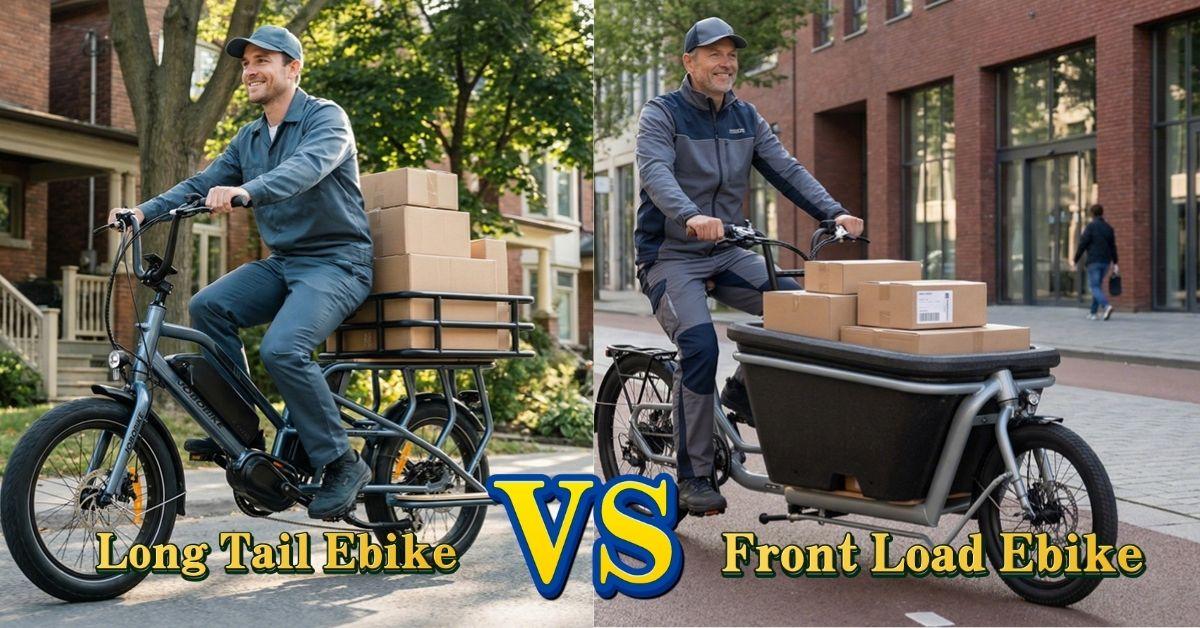
As cities continue shifting toward sustainable transportation, the cargo electric bike is rapidly becoming one of the most practical alternatives to traditional delivery vans and family vehicles. Combining electric assistance with high-capacity load design, cargo e-bikes help reduce emissions, lower operating costs, and improve urban mobility efficiency.
However, choosing the right cargo electric bike depends on several factors, including usage scenario, cargo type, terrain, and long-term durability requirements. This guide explains how to compare cargo e-bike types, helping businesses and riders make smarter, future-ready decisions.
Why Cargo Electric Bikes Are Transforming Urban Transportation
Cargo electric bikes are designed to carry goods or passengers while maintaining maneuverability in dense urban environments. Compared with conventional vehicles, cargo e-bikes provide several advantages:
-
Reduced environmental impact
-
Lower maintenance and operating costs
-
Easier navigation in traffic-heavy city centers
-
Increased flexibility for short-distance logistics
For small businesses, families, and delivery services, cargo electric bikes represent a scalable and sustainable transport solution.
Step 1: Identify Your Primary Usage Scenario
Choosing the right cargo e-bike starts with understanding how the bike will be used daily. Different designs are optimized for different transportation needs.
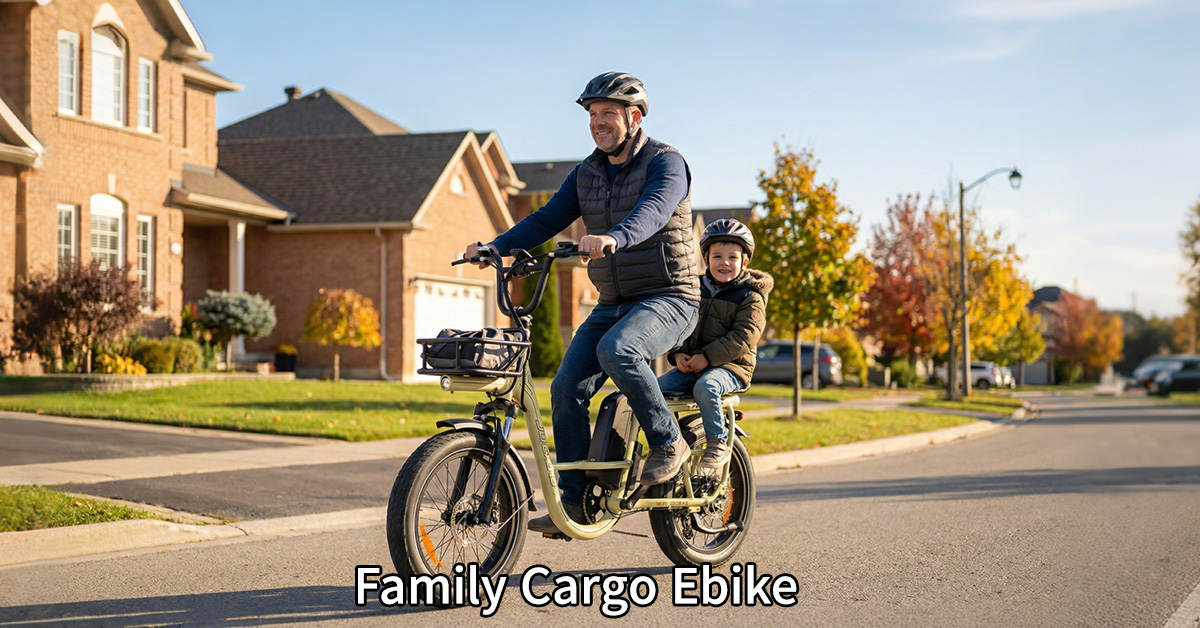
Personal and Family Transportation
A family cargo electric bike is typically designed with passenger safety and comfort as the priority. These models often include reinforced rear seating, protective rails, and extended wheelbases to create stable riding conditions when transporting children or additional passengers.
Family cargo bikes are commonly used for:
-
School transportation
-
Shopping and daily errands
-
Recreational outdoor riding
They emphasize safety features and ride comfort rather than maximum cargo volume.
Small Business and Urban Delivery Use
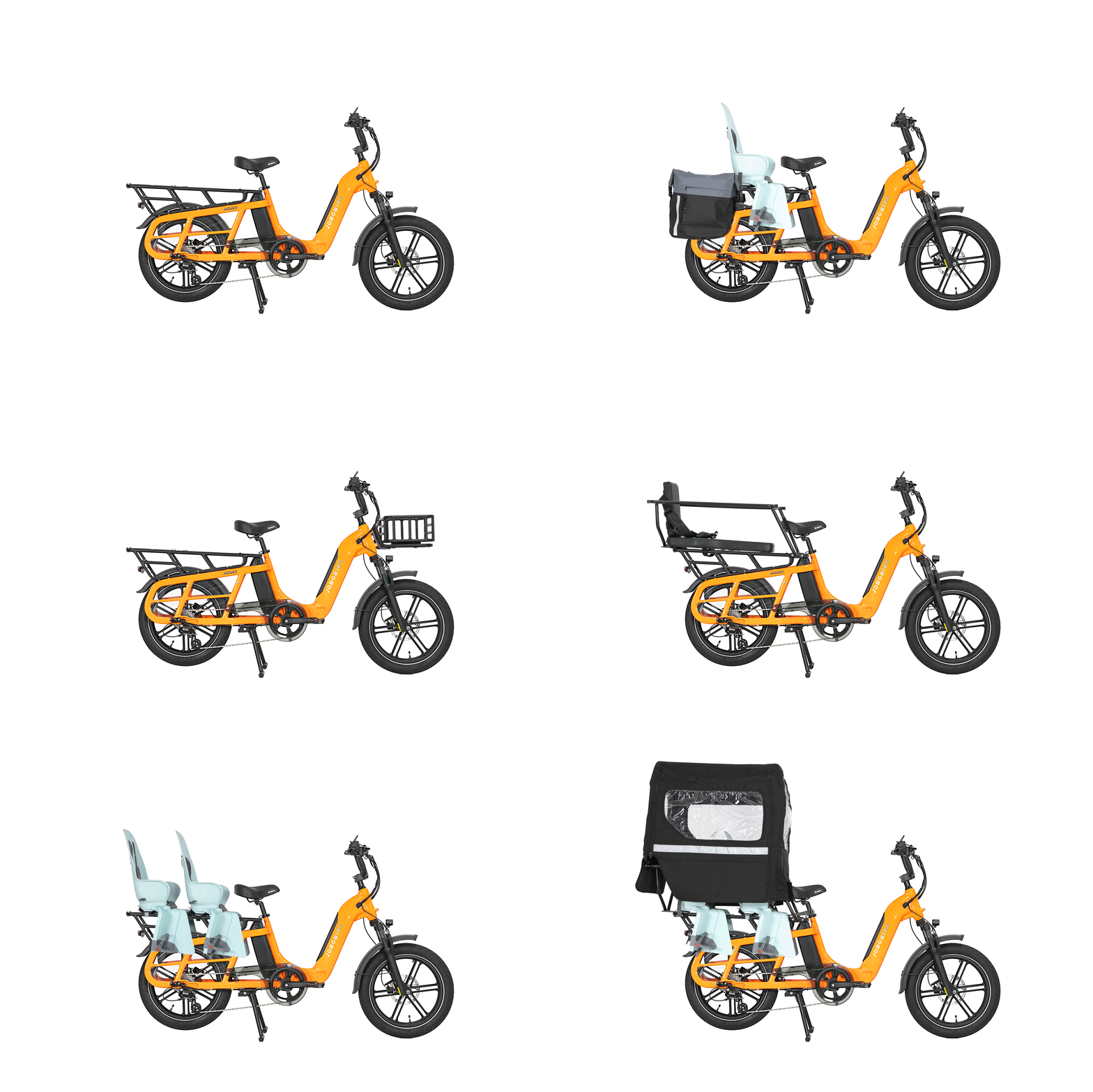
For commercial applications, an electric bike for small businesses offers flexible cargo configurations and helps reduce reliance on fuel-powered vehicles. These models often support modular attachments, allowing businesses to transport different product types efficiently.
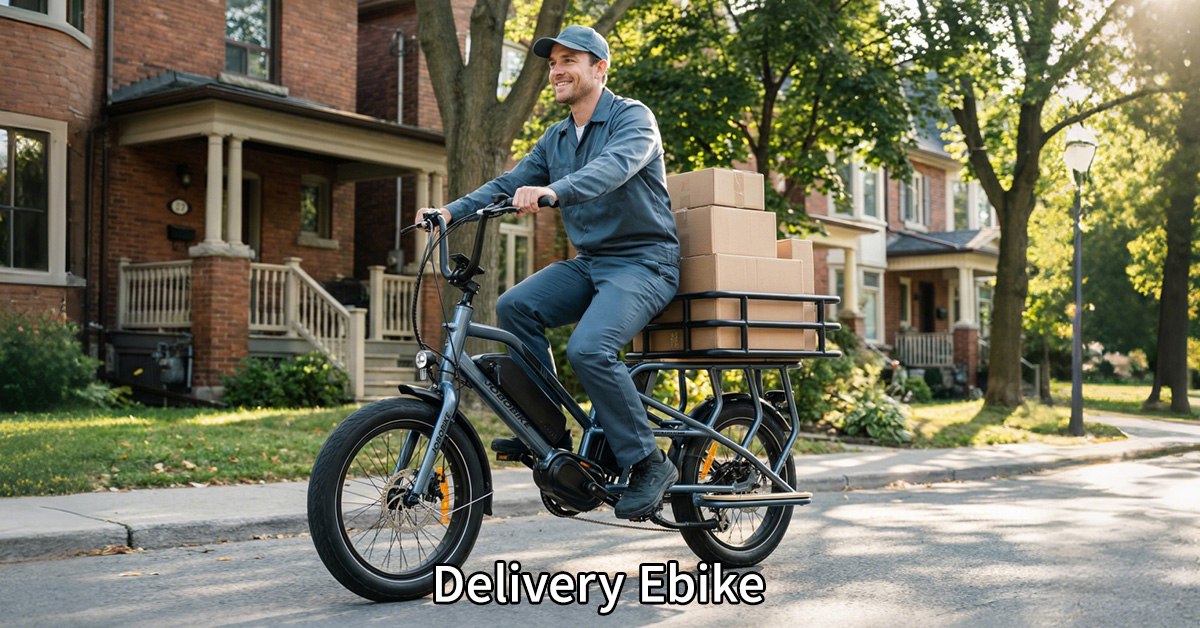
Meanwhile, a delivery cargo e-bike focuses on consistent route operation and endurance performance. These bikes usually prioritize battery efficiency, weather protection, and cargo security for repeated daily use.
Businesses often adopt cargo e-bikes to improve last-mile delivery efficiency while reducing operational costs and emissions.
Step 2: Compare Cargo Electric Bike Structural Designs
Understanding frame design is essential because cargo distribution directly impacts stability, handling, and rider comfort.
Front Load Cargo E-Bike
A front load cargo e-bike positions cargo in front of the rider, allowing direct visual monitoring of transported goods. This design typically provides balanced handling at low speeds and efficient loading accessibility.
Advantages include:
-
Improved cargo visibility
-
Stable urban maneuvering
-
Efficient loading and unloading workflow
Front load cargo bikes are commonly used in courier services and urban retail delivery.

Long Tail and Rear Load Cargo Electric Bikes
Rear cargo designs, often referred to as long-tail cargo e-bikes, extend the rear frame to accommodate passengers or cargo containers. These bikes maintain riding familiarity while increasing carrying capacity.
They are widely used for:
-
Family transportation
-
Mixed cargo and passenger use
-
Urban commuting with moderate load demands
Rear load designs often provide smoother ride quality and improved comfort over uneven road surfaces.
Step 3: Understand Payload and Durability Requirements
Cargo electric bikes are typically categorized into standard and heavy-duty models based on structural strength and load capability.
Standard Cargo Electric Bike
Standard cargo e-bikes focus on balancing load capacity with agility. Their lighter construction allows easier parking, faster acceleration, and improved handling in crowded urban environments.
These models are ideal for:
-
Short-distance transportation
-
Moderate cargo loads
-
Daily urban commuting
Heavy-Duty Electric Cargo Bike
A heavy-duty electric cargo bike is engineered for high-frequency use and heavier payload demands. Reinforced frames, stronger weld structures, and optimized motor support allow these bikes to perform reliably in commercial delivery operations or hilly terrain.
Heavy-duty cargo bikes are often selected for:
-
Fleet logistics operations
-
Frequent heavy load transportation
-
Long working hours and demanding environments
Step 4: Evaluate Motor Performance and Efficiency
Electric assistance plays a crucial role in cargo e-bike performance, particularly when operating under load.
High-quality cargo electric bikes typically prioritize:
-
Stable torque output for hill climbing
-
Smooth power delivery for urban stop-and-go traffic
-
Energy efficiency to maximize riding range
Selecting the right motor configuration improves reliability and reduces long-term maintenance costs, especially in commercial operations.
Step 5: Consider Long-Term Maintenance and Ownership Value
Beyond initial purchase cost, total ownership value is a key factor when selecting cargo e-bikes. Buyers should evaluate:
-
Frame durability and material quality
-
Component compatibility and replacement availability
-
Manufacturing consistency and quality control processes
-
Service support and production reliability
Cargo electric bikes built with precision manufacturing and tested assembly processes typically deliver longer service life and lower maintenance frequency.
Step 6: Choose a Reliable Cargo E-Bike Manufacturer
One of the most important decisions when purchasing cargo electric bikes is selecting a manufacturer with proven production capability. An experienced cargo ebike manufacturer understands how frame geometry, material selection, and motor integration influence real-world performance and rider safety.
Professional manufacturers often provide:
-
OEM and customization solutions
-
Integrated frame engineering and testing
-
Consistent large-scale production quality
-
Long-term supply reliability
Working with a trusted cargo electric bike manufacturer ensures that businesses and riders receive products designed for durability, safety, and long-term efficiency.

Contact & OEM Support
-
📞 Phone: +86 198 8486 5520
-
📧 Email: info@jobobikes.com / sale09@jobobikes.com
-
🌐 Website: https://www.joboev.com
Frequently Asked Questions About Cargo Electric Bikes
What makes cargo electric bikes more efficient than traditional vehicles?
Cargo e-bikes combine electric assistance with compact design, allowing faster navigation through urban traffic while significantly reducing emissions and fuel costs.
Are cargo electric bikes suitable for commercial delivery use?
Yes. Many delivery services adopt cargo e-bikes for last-mile logistics because they provide reliable load capacity, operational flexibility, and reduced operating expenses.
Which cargo electric bike design is best for families?
Family cargo electric bikes typically provide improved passenger safety features, extended seating options, and enhanced riding comfort for daily transportation.
Conclusion
Choosing the right cargo electric bike depends on carefully evaluating usage scenario, structural design, payload requirements, and long-term performance reliability. There is no universal solution—standard models offer flexibility and agility, while heavy-duty designs provide maximum durability for demanding workloads.
As urban transportation continues evolving, cargo electric bikes are becoming essential mobility tools for both individuals and businesses. Partnering with a professional cargo ebike manufacturer helps ensure reliable product quality, scalable customization, and sustainable transport solutions for modern cities.