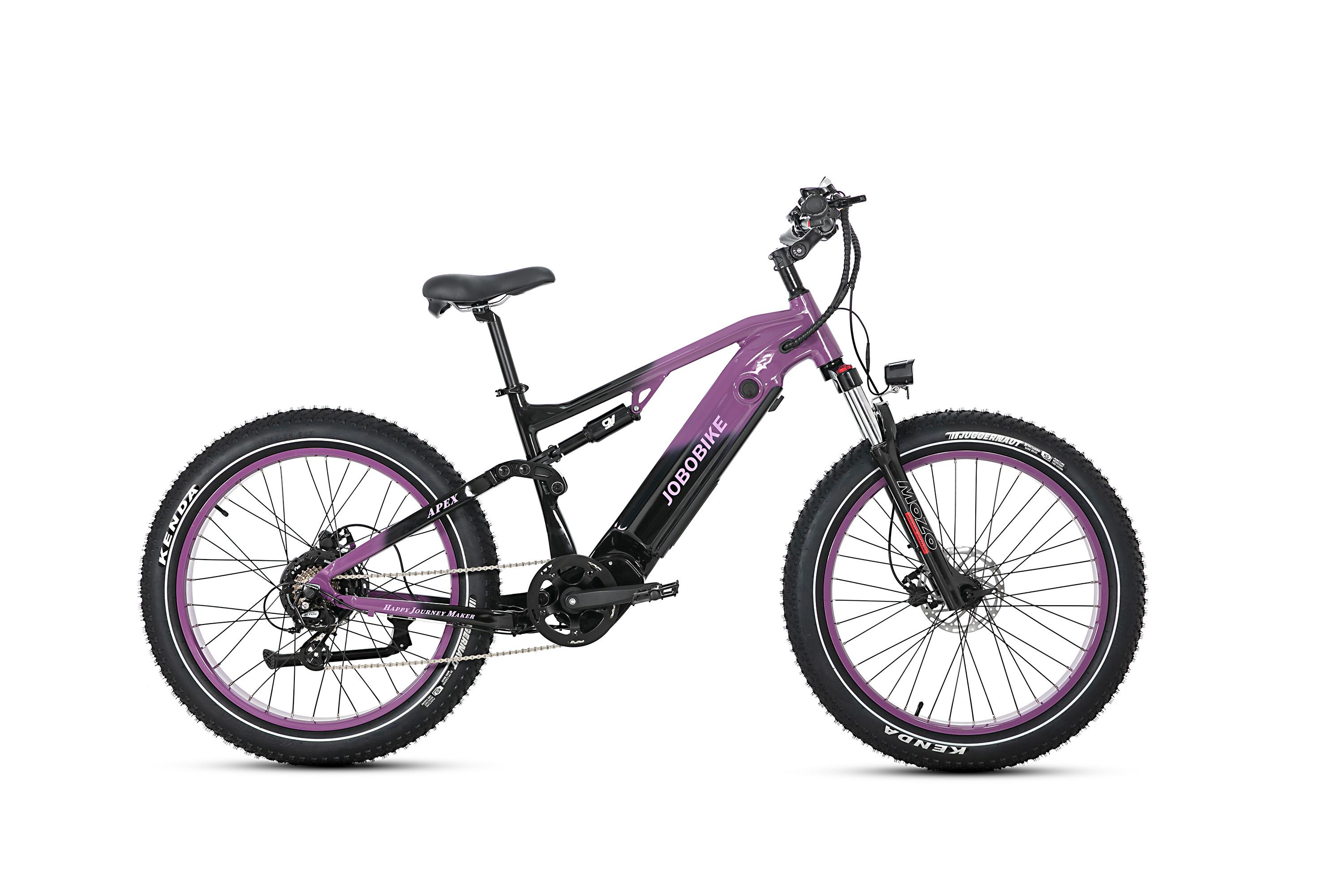
When comparing hub motor vs mid-drive systems in electric bicycles, it's essential to grasp their fundamental differences to choose the right setup for your needs. A hub motor, integrated into the wheel hub, provides direct power to the wheel, making it a popular choice for simplicity and cost-effectiveness. In contrast, a mid-drive motor is mounted at the bike's center, near the pedals, and leverages the bike's gears for efficient power delivery. This hub motor vs mid-drive debate often centers on performance, terrain suitability, and maintenance. For urban commuters and casual riders, hub motors offer straightforward assistance, while mid-drives excel in demanding conditions like steep inclines.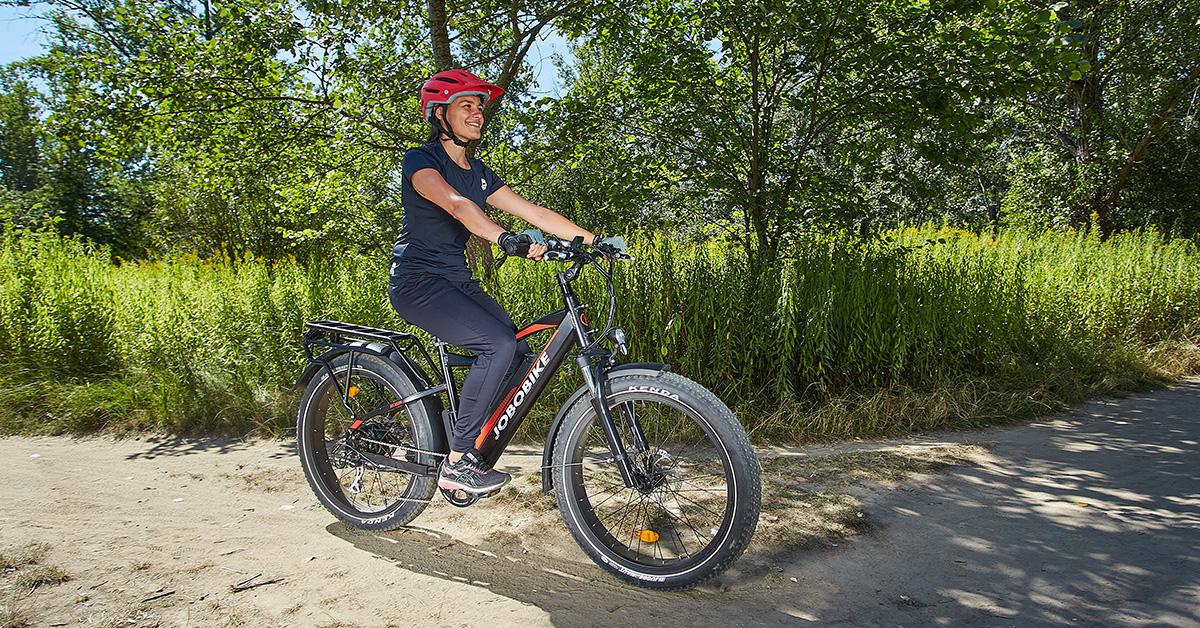
Why Choose Hub Motors for Everyday and Specialized Riding?
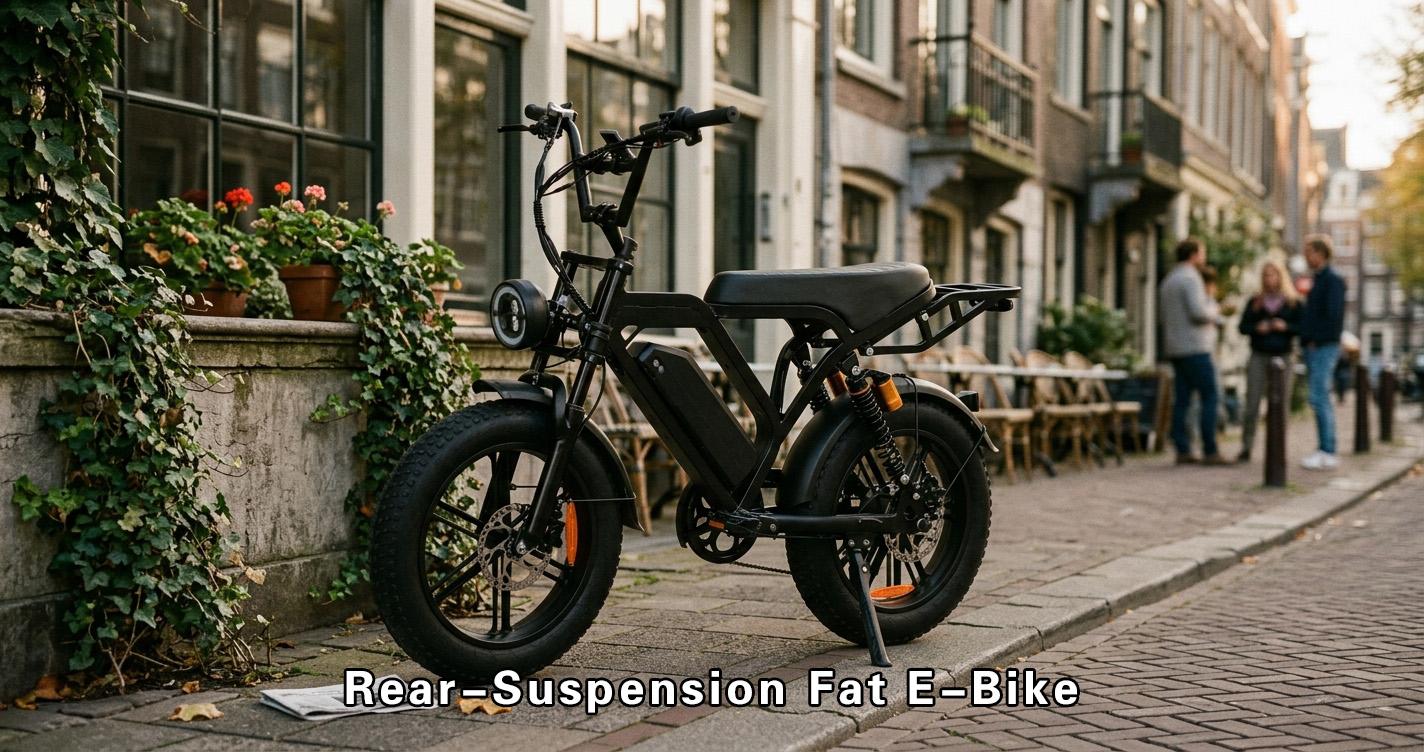
Hub motor e-bikes stand out for their ease of installation and low maintenance, as they don't interact with the bike's drivetrain. A hub motor for mountain bikes can provide reliable torque without the complexity of gear synchronization, ideal for trails where direct wheel propulsion shines. Consider powerful hub motor e-bikes, which deliver instant acceleration and can reach speeds up to 28 mph on flat terrain, according to industry tests from sources like Electric Bike Review. These motors are typically rear-mounted for better traction, ensuring stability on varied surfaces. For those seeking customization, custom hub motor e-bikes allow riders to tailor power output and battery integration to personal preferences, enhancing the overall riding experience.
What Are the Performance Insights and Real-World Applications?
In practical scenarios, fast hub motor e-bikes prove their worth in city environments, where quick starts and regenerative braking—available in some models—extend battery life by up to 20%, as noted in studies by the European Cyclists' Federation. Unlike mid-drives, which can strain the chain and require more frequent servicing, hub motors isolate power delivery, reducing wear on other components. This makes them a favored option for beginners or those prioritizing affordability, with entry-level models starting around $1,500. However, on extremely hilly routes, mid-drives might outperform due to torque multiplication through gears, though hub motors compensate with higher wattage options for comparable hill-climbing ability.
Why Select a Hub Motor E-Bike Like the JOBOBIKE Robin?
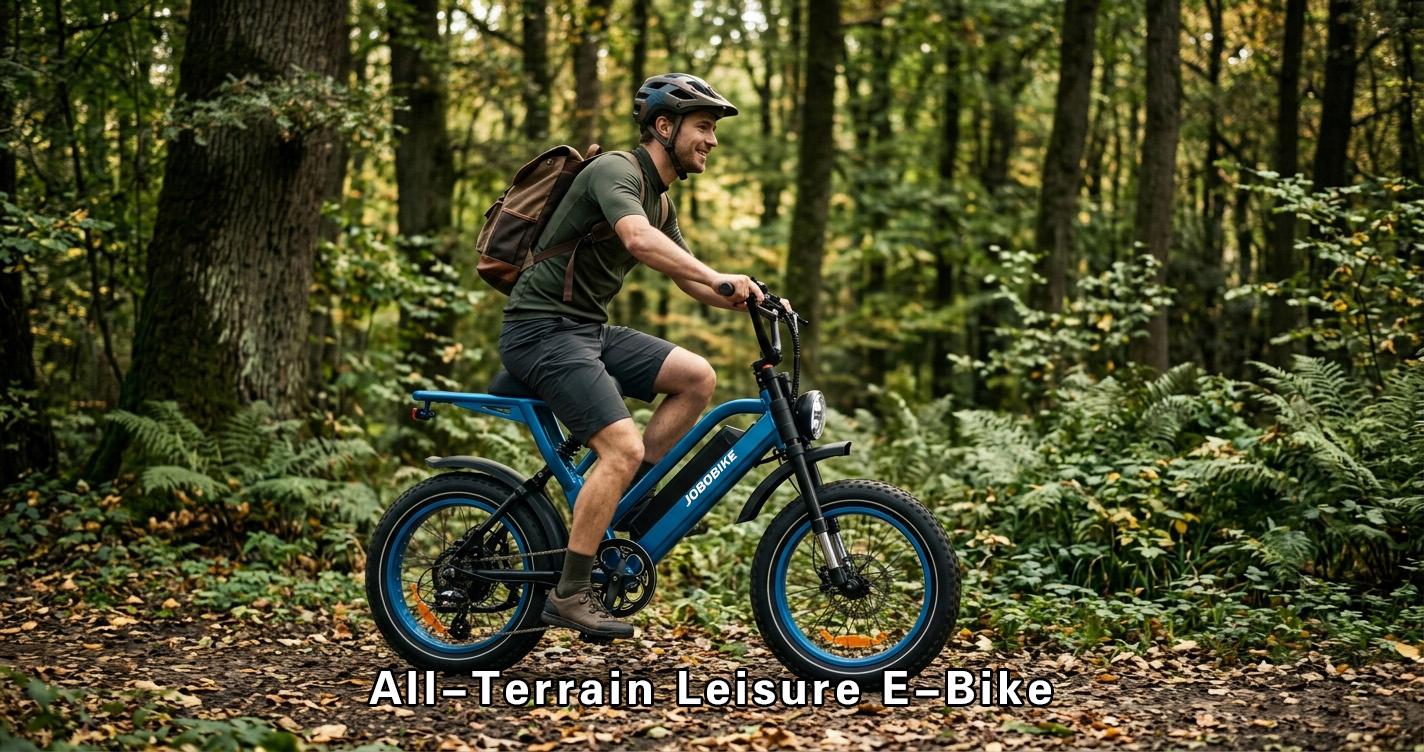
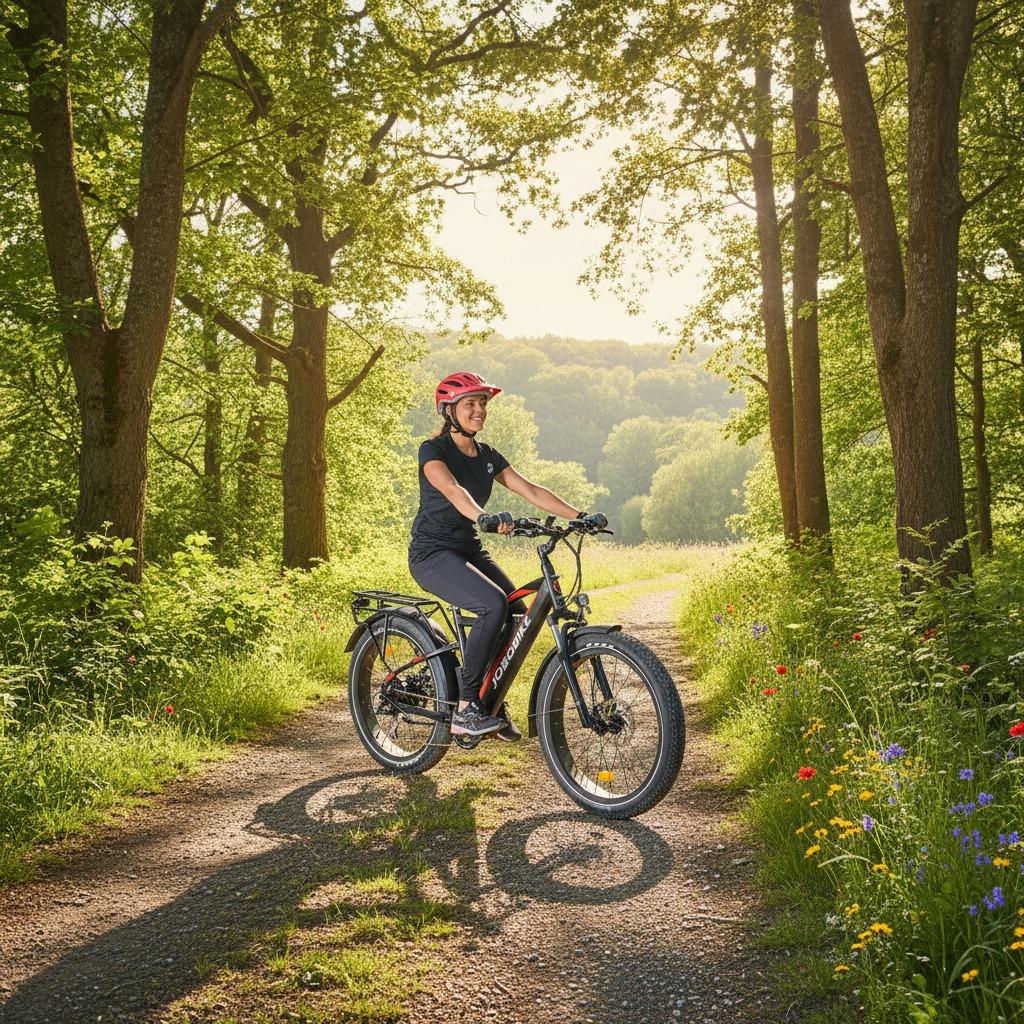
For a prime example of hub motor excellence, look no further than the JOBOBIKE Robin, an innovative electric bicycle blending urban commuting with trail-ready capabilities. Its sleek, modern frame in a striking finish, accented by thoughtful design elements, not only turns heads but also ensures durability on diverse terrains. Equipped with a powerful hub motor, the Robin delivers smooth, effortless power, allowing riders to conquer hills and long distances without fatigue—perfectly embodying the strengths of hub motor e-bikes.
The Robin's robust tires provide superior traction and stability, making it an excellent hub motor for mountain bikes in off-road adventures. Safety features like integrated lighting enhance visibility for nighttime rides, while practical additions offer convenience for carrying essentials. Whether navigating city streets or rugged paths, this custom hub motor e-bike supports eco-friendly travel with a substantial range per charge, based on manufacturer specs. In the ongoing hub motor vs mid-drive discussion, the Robin highlights why hub motors remain a versatile, efficient choice for modern cyclists seeking reliability and style.
Overall, while mid-drives offer gear-dependent efficiency, the simplicity and direct power of hub motors make them indispensable for many riders. With models like the JOBOBIKE Robin, powerful hub motor e-bikes continue to redefine accessible electric mobility.
How Can You Develop Your Own Line of Hub Motor E-Bikes?
Looking to create or source high-quality hub motor electric bicycles under your own brand? We are a professional e-bike manufacturer with expertise in both hub motor and mid-drive systems. We offer comprehensive OEM and ODM services, including full customization of motor specifications, battery integration, frame design, and component selection to meet your specific market needs. Our production capabilities support scalable orders for wholesale and distribution, ensuring reliable quality and timely delivery. Contact us today to discuss your project and explore how we can partner to bring your e-bike vision to life.