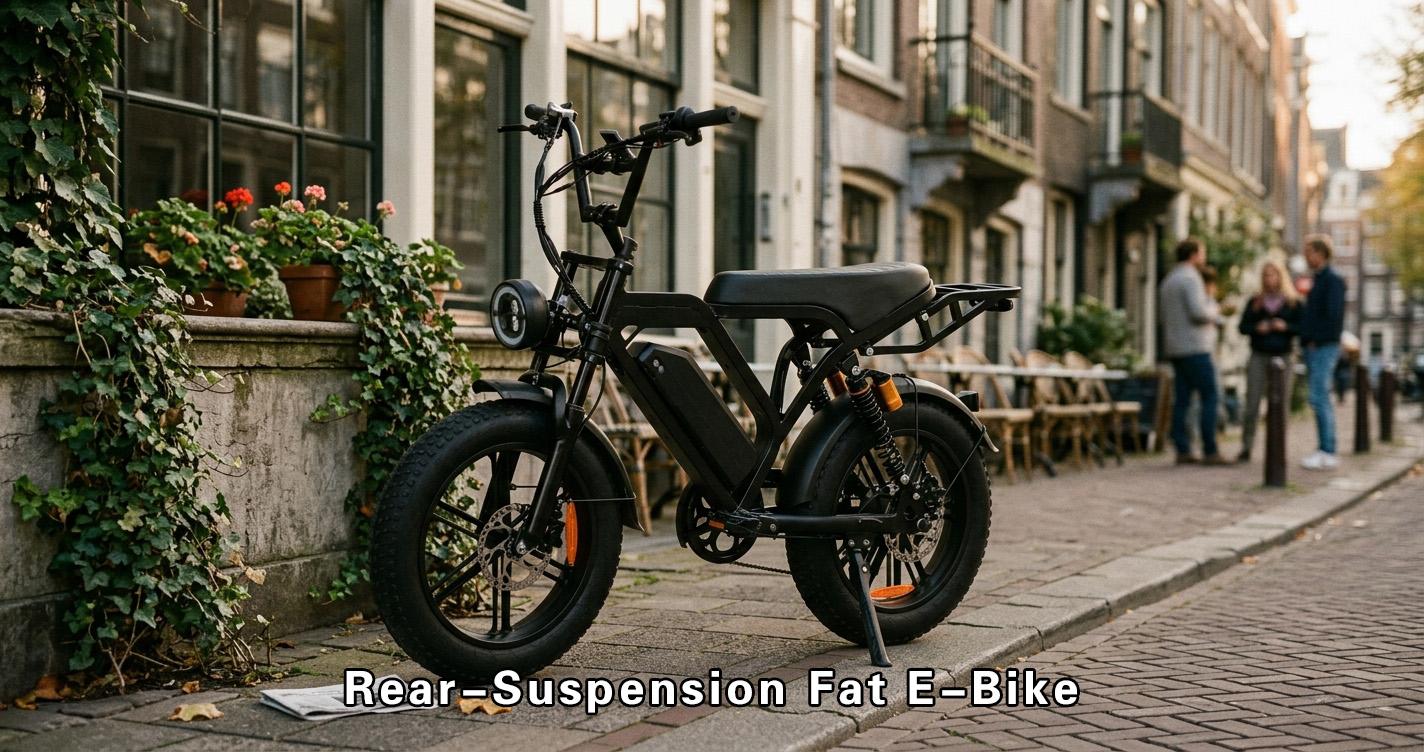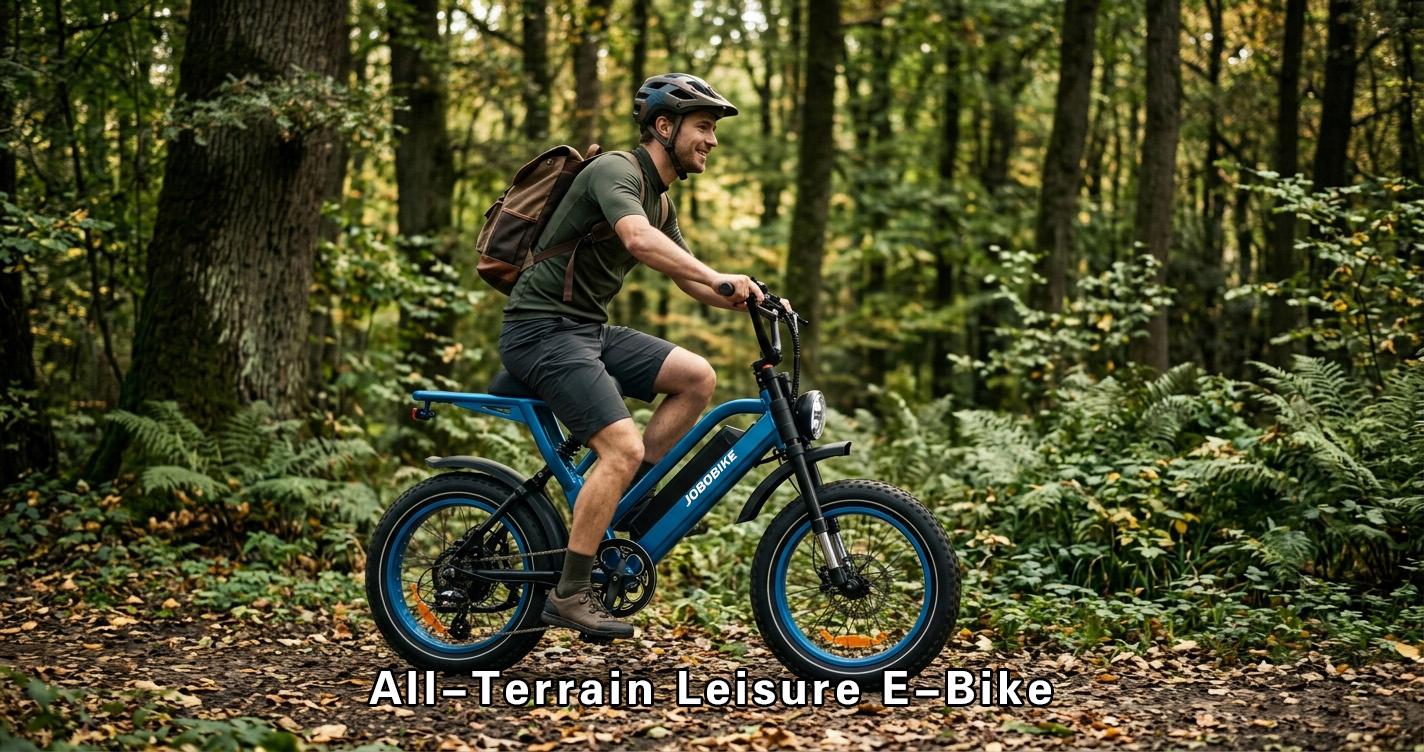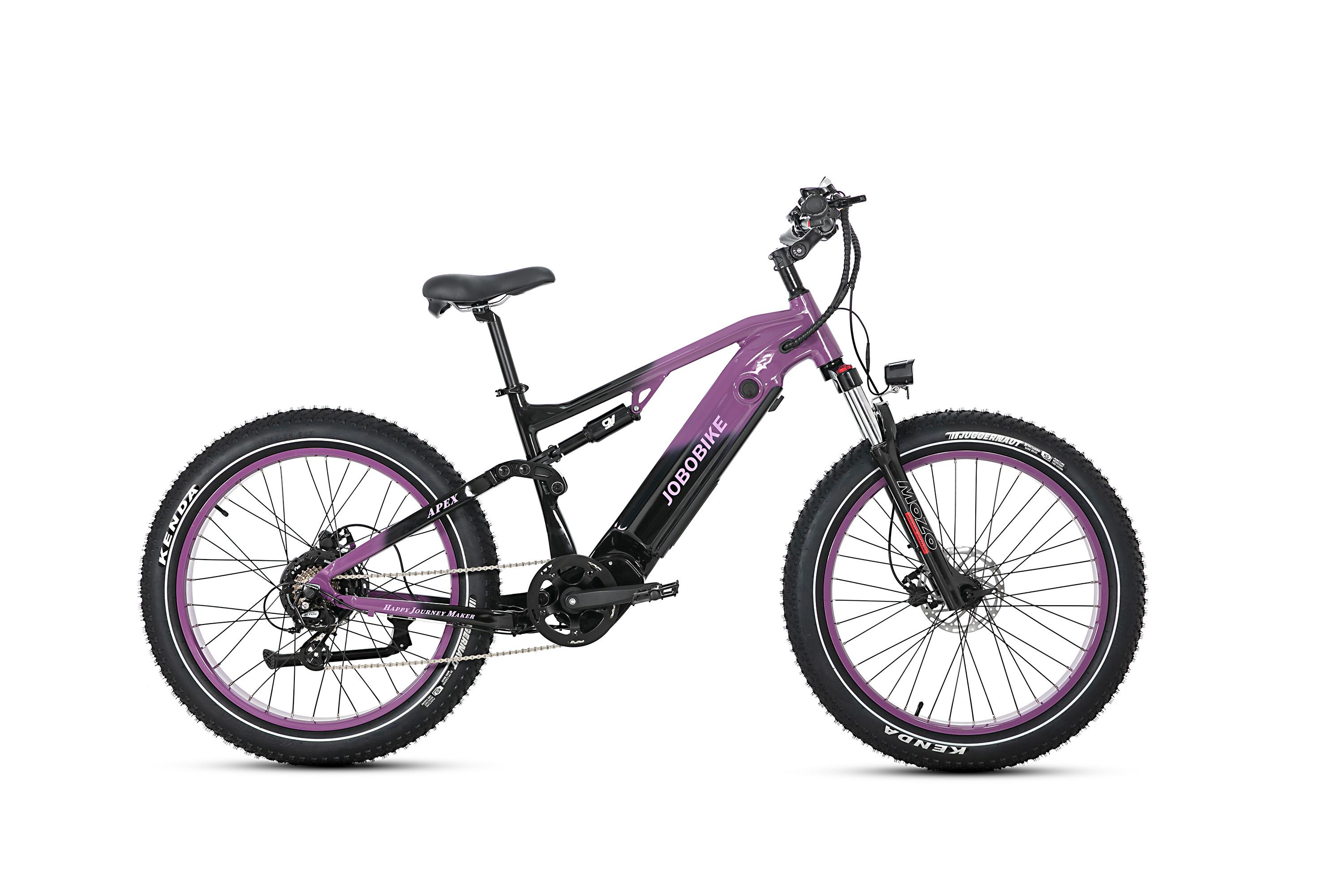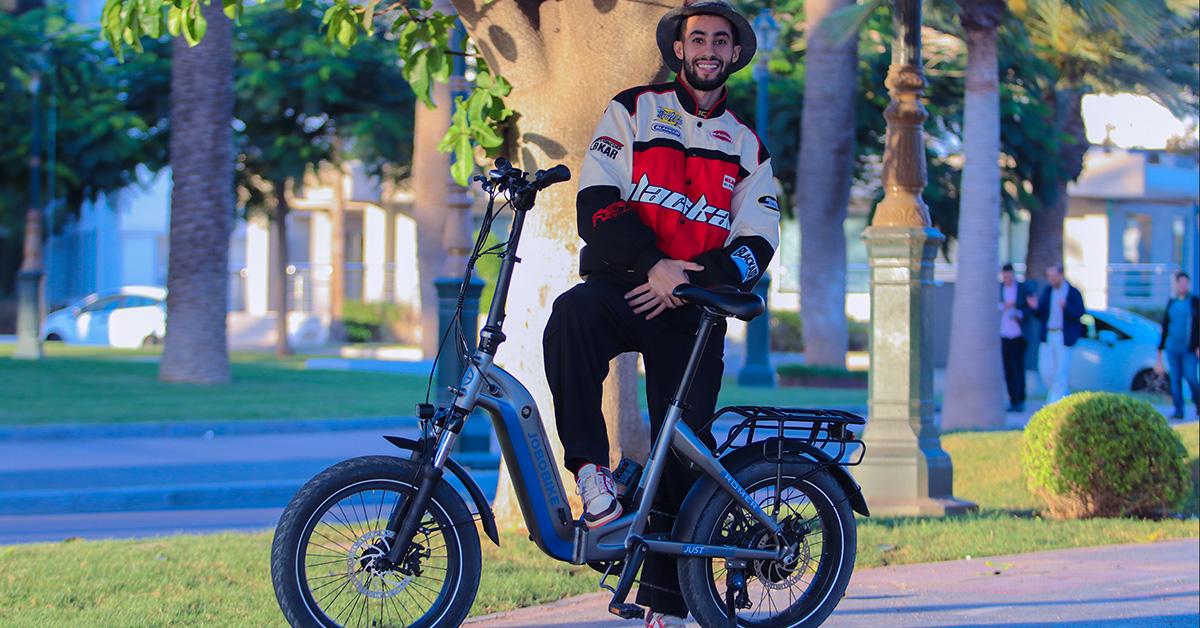
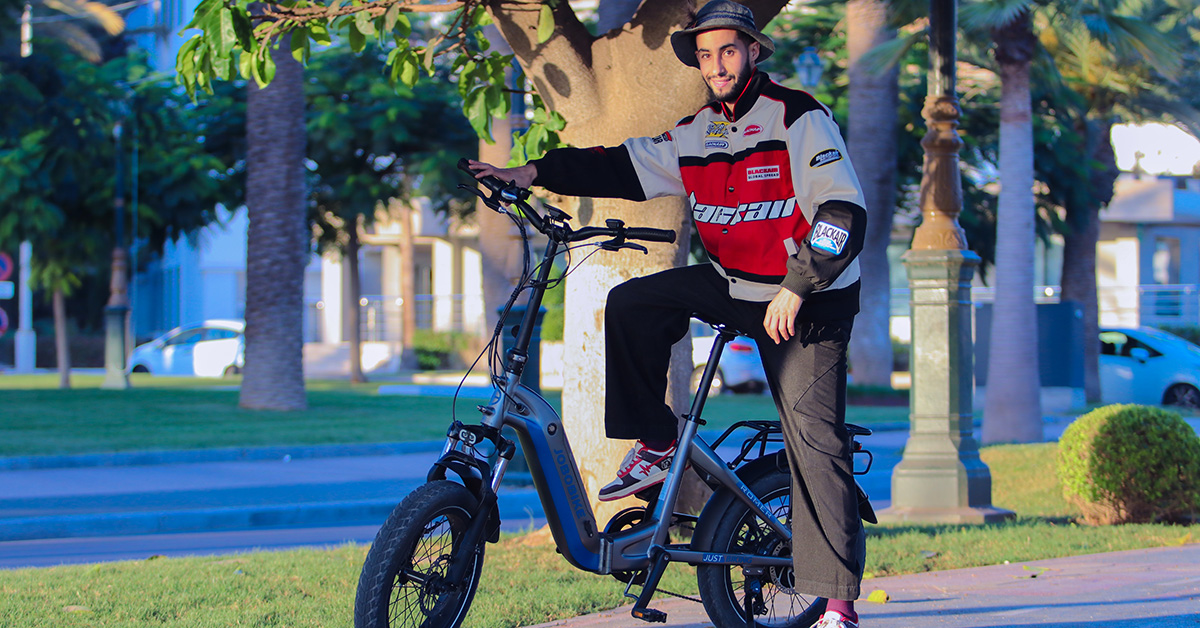
Lightweight Urban E-Bikes: Redefining Portability and Everyday Efficiency
Why Weight Matters in City E-Bikes
City riders value efficiency, portability, and comfort — and lightweight urban e-bikes address all three.
By reducing frame mass while maintaining structural integrity, these bikes deliver faster acceleration, easier handling, and longer battery life thanks to reduced energy consumption.
For OEM brands, lightweight design isn’t just aesthetic — it’s an engineering approach that balances materials, electronics, and ergonomics for real-world usability.
Core Design Principles Behind Lightweight Models
Lightweight e-bikes require precision engineering across every component.
Key elements include:
-
Hydroformed aluminum or magnesium alloy frames for high strength-to-weight ratio
-
Compact mid-drive or rear hub motors (250–350W) to save space and weight
-
Integrated lithium batteries (36V–48V) with hidden downtube design
-
Carbon fork and seatpost for vibration absorption
-
Simplified drivetrain systems (belt or single-speed) to reduce maintenance
Average total weight: 15–19 kg, making them ideal for apartment storage, public transport integration, and office commuters.
Comparison: Lightweight vs Standard Urban E-Bike
| Feature | Standard Urban E-Bike | Lightweight Urban E-Bike |
|---|---|---|
| Total Weight | 22–27 kg | 15–19 kg |
| Frame Material | Aluminum alloy | Magnesium / carbon-aluminum hybrid |
| Motor Power | 350–500W | 250–350W efficient motor |
| Battery Placement | External or rear rack | Integrated downtube |
| Handling | Moderate | Agile and responsive |
| Ideal Use Case | Long commutes | Short-to-medium city rides |
Lightweight builds don’t compromise on performance — instead, they optimize energy transfer and mobility for dense urban environments.
Manufacturing Insight from JOBO ebike
At JOBO ebike, we specialize in developing lightweight e-bike frames that combine strength and mobility.
Our engineering team integrates AI-assisted geometry simulation and finite element analysis (FEA) to ensure structural stability at minimum mass.
Each frame undergoes torsion and vibration testing, ensuring the product can handle daily wear without compromising weight.
We offer customizable drive systems, battery capacities, and handlebar configurations for OEM clients, enabling flexible production aligned with regional regulations and design preferences.
OEM Customization Options
| Customizable Component | Available Options | OEM Benefit |
|---|---|---|
| Frame Material | Aluminum / Carbon / Magnesium | Weight reduction & rigidity |
| Motor Type | Rear hub / Mid-drive | Efficiency or torque priority |
| Battery Capacity | 7Ah–12Ah integrated | Range vs. weight balance |
| Transmission | Belt drive / Single-speed | Maintenance-free options |
| Display Interface | Minimalist LED / App-based | Aesthetic consistency |
| Color & Branding | Custom anodized finish | OEM differentiation |
This modular approach lets manufacturers design bikes that meet their local market demands — from compact commuters to urban fleet solutions.
What Buyers Should Verify Before Ordering
| Common Issue | Why It Matters | Recommendation |
|---|---|---|
| Weak frame welds | Affects durability | Request fatigue test reports |
| Battery overheating | Reduces lifespan | Choose certified BMS units |
| Poor waterproof sealing | Fails in rain | Verify IP65 standard |
| Unbalanced geometry | Affects comfort | Review ergonomic CAD data |
| Low torque output | Slower uphill performance | Select mid-drive 60Nm motor |
| Cheap alloy use | Risk of bending | Demand 6061-T6 aluminum grade |
Frequently Asked Questions
Q1: Are lightweight e-bikes less powerful?
Not necessarily. With optimized torque mapping and efficient gearing, even 250W motors can deliver responsive acceleration in city riding.
Q2: What is the ideal weight for a city commuter e-bike?
Between 15–19 kg, balancing stability and portability for mixed transport use.
Q3: Can lightweight models support larger riders?
Yes, when designed with high-tensile alloys and tested for load-bearing standards up to 120 kg.
Moving Freely Through Every Street
The lightweight urban e-bike embodies effortless mobility — blending structural efficiency with smart design.
At JOBO ebike, we design and manufacture OEM-ready e-bikes that combine agility, comfort, and durability, making everyday commuting both stylish and sustainable.
To learn more about our lightweight urban models or explore OEM production options, visit our homepage or contact our team through the contact page.