What Makes a Reliable Long Range E-Bike for Modern Riders
Why Long-Range Capability Matters
As riders look beyond short commutes, the long range e-bike has become essential for touring, long-distance daily travel, and outdoor exploration. A long-range model is not just a larger battery—it must maintain efficiency, stability, and durability across extended routes, varied terrain, and changing weather conditions.
For businesses and distributors, understanding these engineering principles is key to selecting dependable platforms.
Battery Chemistry and Capacity: The Core of Long Distance Riding
A high-quality long range e-bike typically uses 48V or 52V systems with capacities ranging from 14Ah to 20Ah and above.
However, battery chemistry matters just as much as size.
Common choices include:
-
Lithium-ion NMC cells for high energy density
-
LiFePO4 cells for superior safety and lifecycle durability
-
Samsung/LG 21700 cells for optimized thermal performance
Thermal stability is critical. Higher-capacity packs generate more heat during steep climbs or high-speed segments, making proper heat dissipation channels essential.
Motor Efficiency and Power Management
A large battery alone won’t deliver long range without an efficient motor.
Typical configurations include:
-
250W–500W hub motors for steady energy consumption
-
Mid-drive systems for improved climbing efficiency
-
Optimized controller tuning that reduces peak current draw
Smart current modulation prevents unnecessary discharge, allowing riders to extend distance without sacrificing performance.
Frame Integration and Weight Distribution
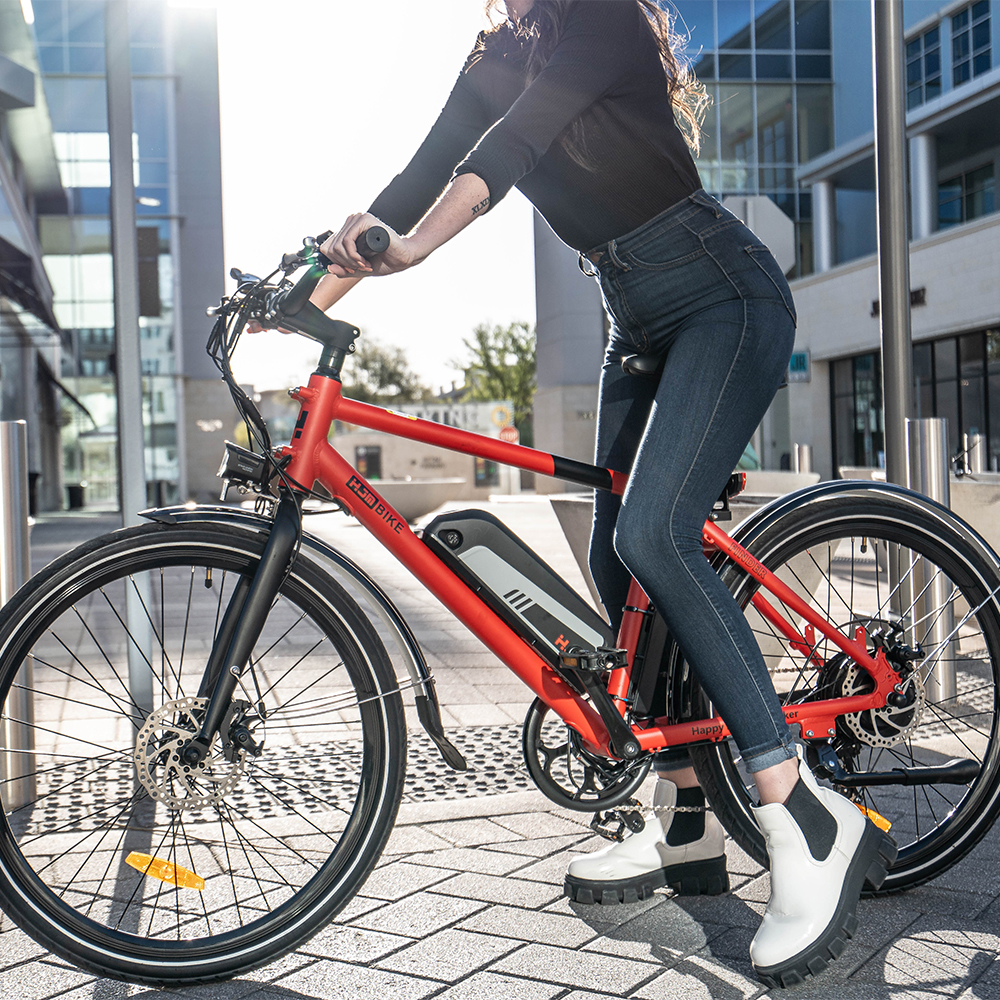
A true long range e-bike must integrate the battery into the frame without compromising handling.
Common engineering practices include:
-
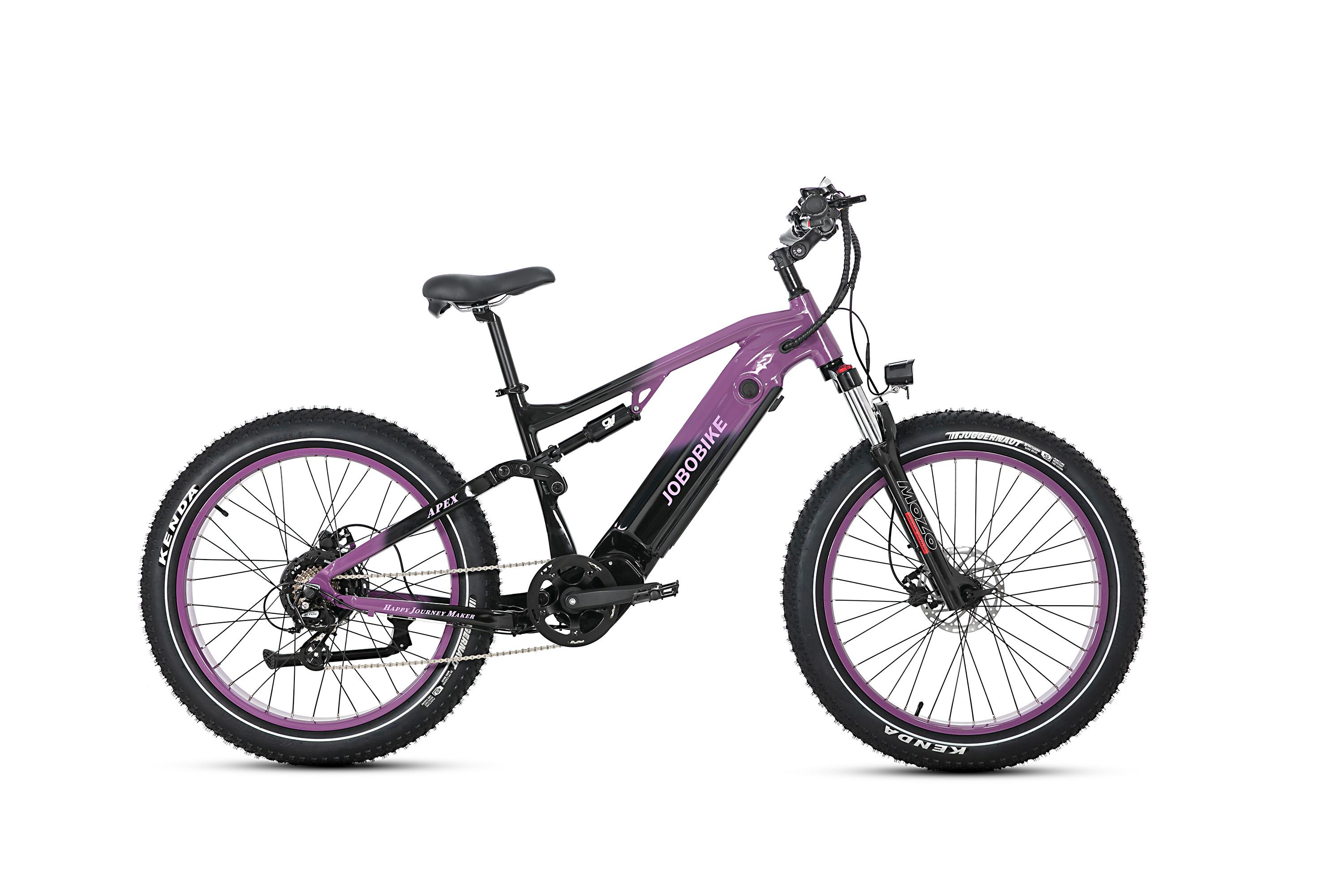
Down-tube integrated battery housings
-
Reinforced frame tubing to compensate for battery weight
-
Low-center-of-gravity layouts for stability on long rides
This ensures that even with a larger battery pack, the bike maintains predictable control on climbs, descents, and long flat sections.
Long Range E-Bike vs. Standard E-Bike
| Feature | Long Range E-Bike | Standard E-Bike |
|---|---|---|
| Battery Capacity | 14Ah–20Ah+ | 10Ah–12Ah |
| Typical Range | 70–120 km | 30–50 km |
| Motor Efficiency | Tuned for endurance | General-purpose |
| Target Riders | Long commuters, touring riders | City commuters |
This comparison shows why long-distance models require upgraded components and engineering beyond standard e-bikes.
Manufacturing Insight from JOBO ebike
At JOBO ebike, development of long-range models focuses on battery integration, energy efficiency, and riding stability.
Each model undergoes endurance tests simulating continuous uphill and long flat-distance riding to evaluate discharge behavior, controller temperature, and torque delivery.
Modular electronics and accessible battery compartments also help with maintenance for fleet or touring applications.
Recommendations Based on Riding Scenarios
1. Long Daily Commutes (20–40 km round trip)
-
48V 15Ah battery
-
Efficient hub motor
-
Straightforward geometry for predictable handling
2. Touring and Weekend Exploration
-
48V 17–20Ah pack
-
Mid-drive system for hilly terrain
-
Hydraulic brakes and wide tires
3. Mixed Urban–Rural Routes
-
Dual-battery option or extended-range single pack
-
Reinforced frame
-
Multi-speed drivetrain
4. Delivery and Commercial Use
-
Long-life battery chemistry
-
Robust heat dissipation
-
Modular battery swap system
What Buyers Should Check Before Purchasing
| Common Issue | Why It Matters | Recommendation |
|---|---|---|
| Overstated range claims | Real range varies by terrain, rider weight, and temperature | Request certified range testing data |
| Insufficient thermal management | Causes battery degradation during long rides | Choose packs with venting or internal cooling paths |
| Low cell quality | Shortens lifespan under high discharge | Select brand-name 18650/21700 cells |
| Weak controller tuning | Increased current draw reduces range | Confirm optimized controller settings |
| Poor battery sealing | Moisture affects pack health | Ensure IP-rated battery housing |
| Heavy overall weight | Affects energy consumption | Look for optimized frame–battery integration |
| Limited spare batteries | Long-range users need replacements | Verify spare pack availability |
Frequently Asked Questions
Q1: What is the realistic range of a long range e-bike?
Most deliver 70–120 km depending on speed, elevation, and payload.
Q2: Are mid-drive motors better for long rides?
Yes, they provide higher torque efficiency on hills, extending usable range.
Q3: Does battery size affect handling?
It can. Proper frame integration is essential for stability and weight balance.
Expanding Distance for Modern Mobility
As riders demand greater independence and route flexibility, the long range e-bike has become a key category for both consumers and professional fleets. At JOBO ebike, we focus on long-distance performance through efficient motors, durable frames, and high-capacity battery integration.
To learn more about our long-range platforms or discuss OEM customization, visit our homepage or contact our team through the contact page.