What Defines a High-Performance Mountain Electric Bike in Modern Off-Road Riding
Built for Terrain Where Regular Bikes Fall Short
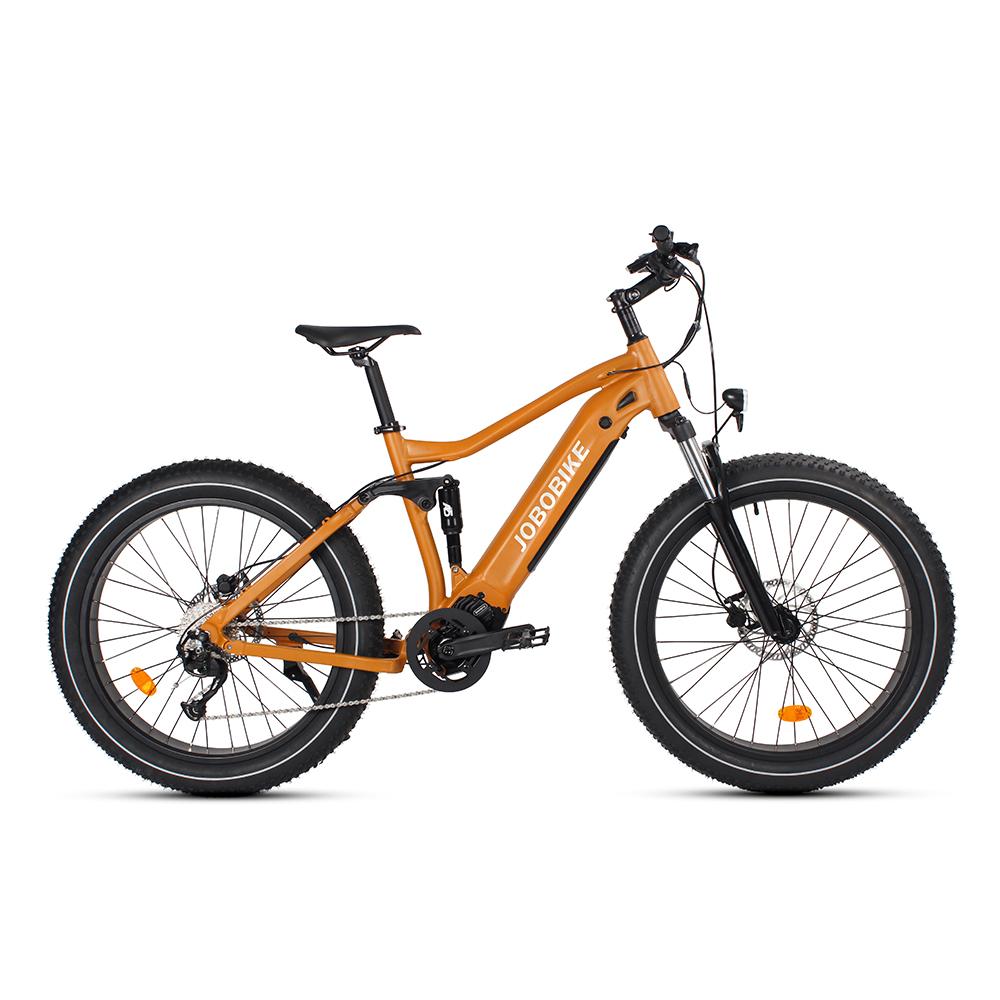
Rocky tracks, steep inclines, loose gravel, and constant vibration require more than standard city-bike construction. A mountain electric bike provides the additional torque, durable frame geometry, and suspension systems that off-road riders depend on.
Unlike commuter models, e-MTBs are designed to maintain stability under aggressive pedaling, uneven terrain, and sudden load changes.
Engineering the Frame for Strength and Flexibility
A reliable off-road model begins with the right frame material. Most e-MTBs use 6061 or 7005 aluminum alloy, chosen for its strength-to-weight ratio and ability to withstand repetitive stress.
Key engineering features include:
-
Reinforced welds at the head tube and bottom bracket
-
Longer wheelbase for stability on downhill runs
-
Internal cable routing to prevent snagging on branches or rocks
-
Tire clearance for 2.1–2.4 inch off-road tires
These elements help the mountain electric bike endure the unexpected impacts and vibrations typical of outdoor trails.
Motor and Power System Requirements
Off-road terrain demands more torque than city riding. E-MTBs commonly use:
-
Mid-drive motors (250–500W) for natural pedaling and hill-climbing
-
High-torque rear hub motors as a cost-efficient alternative
-
48V battery systems providing sustained power on long climbs
Heat dissipation and waterproofing also matter, as off-road environments often include dust, mud, and rapid elevation changes.
Suspension, Braking, and Handling
A true mountain electric bike must integrate components that maintain control across unpredictable terrain:
-
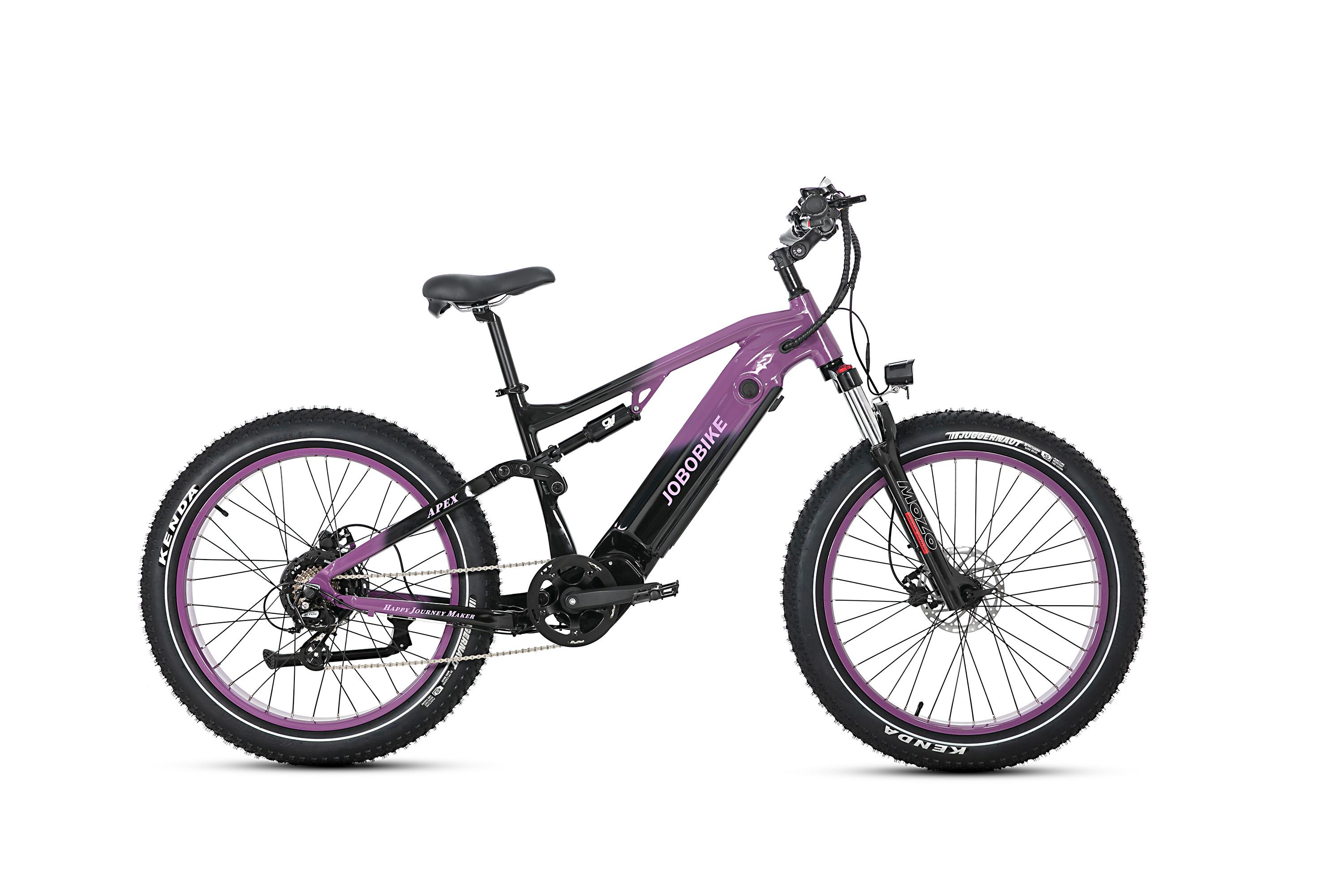
Front suspension forks (80–120 mm travel) for absorbing impacts
-
Optional full-suspension frames for advanced riders
-
Hydraulic disc brakes for consistent stopping on steep gradients
-
Wide handlebars to improve leverage and steering precision
Handling characteristics determine whether the bike feels controlled or unstable when trails become technical.
Mountain E-Bike vs. Standard E-Bike
| Feature | Mountain Electric Bike | Standard City E-Bike |
|---|---|---|
| Terrain Capability | Steep climbs, rocky paths | Smooth city roads |
| Frame Strength | Reinforced, impact-resistant | Light duty |
| Motor Type | Mid-drive or high-torque hub | Low-torque hub |
| Suspension | Front or full | Minimal or none |
| Tires | Wide knobby tires | Narrow commuter tires |
This comparison shows why e-MTBs require higher engineering standards and different component choices than city models.
Manufacturing Insight from JOBO ebike
At JOBO ebike, off-road development focuses on frame durability, trail handling, and torque delivery.
Each prototype is tested on varied terrain to evaluate structural integrity, suspension response, and rider stability.
Electronics are sealed to prevent dust and moisture intrusion, and modular designs ensure components can be serviced without specialized tools.
This approach provides distributors and OEM partners with reliable technical foundations for building off-road product lines.
Recommended Configurations Based on Riding Scenarios
1. Trail Riding (Moderate Terrain)
-
Hardtail frame
-
80–100 mm front suspension
-
Mid-drive or 350W hub motor
Suitable for recreational riders and weekend off-road users.
2. Mountain Touring (Long Distance)
-
48V battery with higher capacity
-
Wide-range gearing system
-
Hydraulic brakes
For riders covering extended rural trails or mixed terrain routes.
3. Technical and Steep Terrain
-
Full-suspension frame
-
High-torque mid-drive motor
-
2.4-inch tires with aggressive tread
Built for experienced riders navigating steep rocks, roots, and switchbacks.
What Buyers Should Check Before Purchasing
| Common Issue | Why It Matters | Recommendation |
|---|---|---|
| Weak head-tube reinforcement | High risk on downhill impacts | Choose frames with reinforced welds |
| Low-torque motor | Poor hill performance | Select mid-drive or high-torque hub motors |
| Insufficient suspension travel | Reduces control on rocky terrain | Use 80–120 mm front travel minimum |
| Weak braking system | Unsafe on steep slopes | Prefer hydraulic disc brakes |
| Limited battery capacity | Short trail runtime | Choose 48V high-capacity packs |
| Poor tire quality | Slips on loose gravel | Use knobby 2.1–2.4 inch tires |
Frequently Asked Questions
Q1: What is the ideal motor type for mountain riding?
Mid-drive motors offer better torque and hill-climbing performance.
Q2: How long does a mountain e-bike battery last on trails?
Depending on terrain and rider weight, typically 40–80 km.
Q3: Are full-suspension models necessary?
Not always. Hardtail models are enough for moderate trails, while full suspension suits technical riders.
Expanding Off-Road Capabilities for Modern Riders
As outdoor sports grow, the mountain electric bike offers brands new opportunities in recreational and adventure sectors. At JOBO ebike, we continue refining frame durability, torque systems, and handling to support partners entering the e-MTB category.
To explore off-road design options or discuss OEM customization, visit our homepage or connect with our team through the contact page.