Off Road Fatbike: Conquer Any Terrain with Ease

Off Road Fatbike: Conquer Any Terrain with Ease

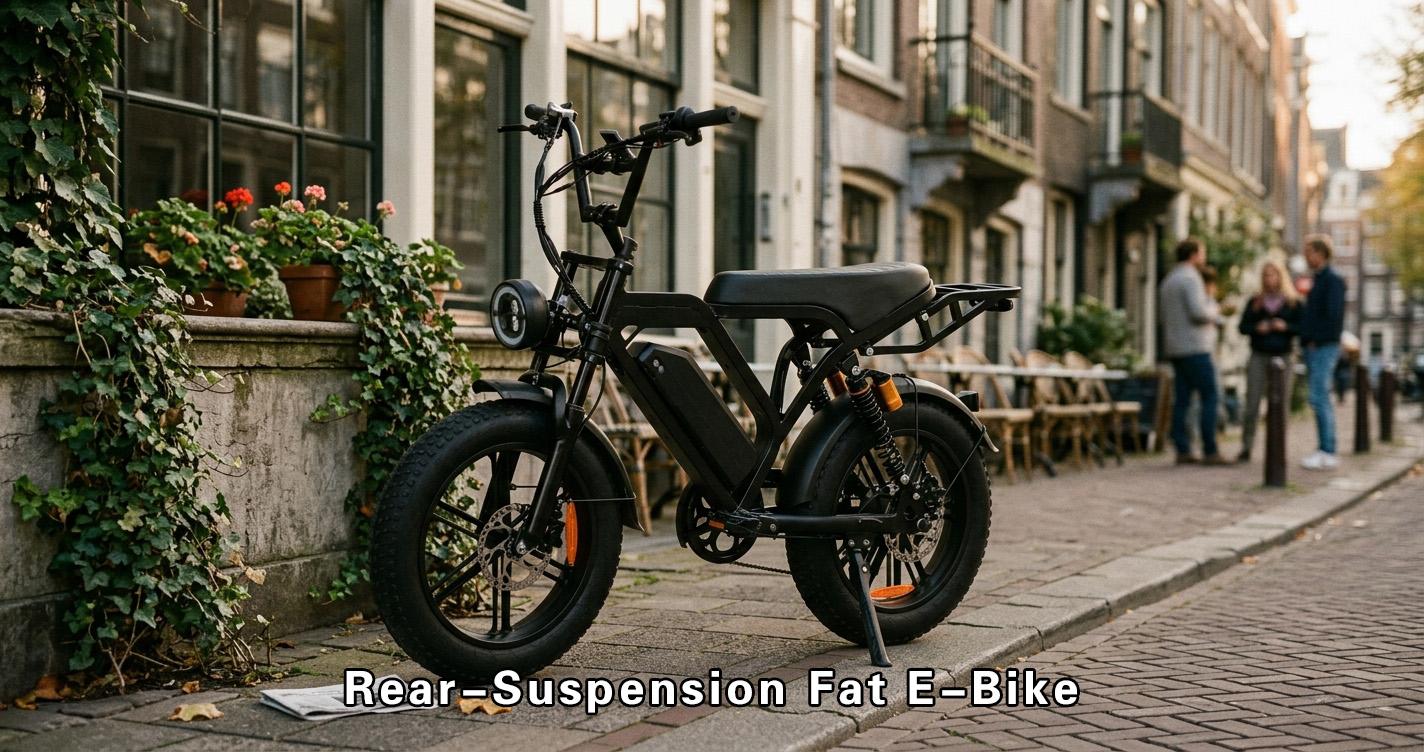
Fatbikes have surged in popularity, opening up a world of new possibilities for trail riders and adventurers alike. Their distinctive, oversized tires are more than just a visual statement; they are the key to unlocking previously unrideable terrain. If you're curious about these wide-tired wonders, you're in the right place. We've compiled answers to some of the most frequently asked questions about the capabilities of a modern off road fatbike and what makes them such a versatile choice for exploration.
What makes an off road fatbike ideal for challenging trails?


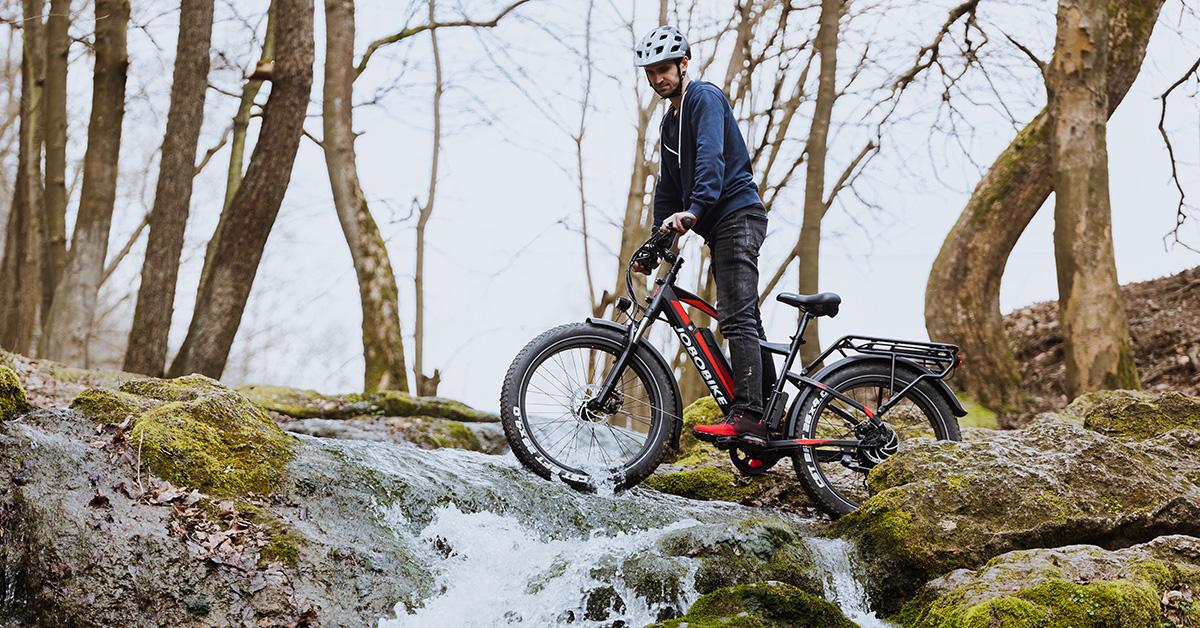
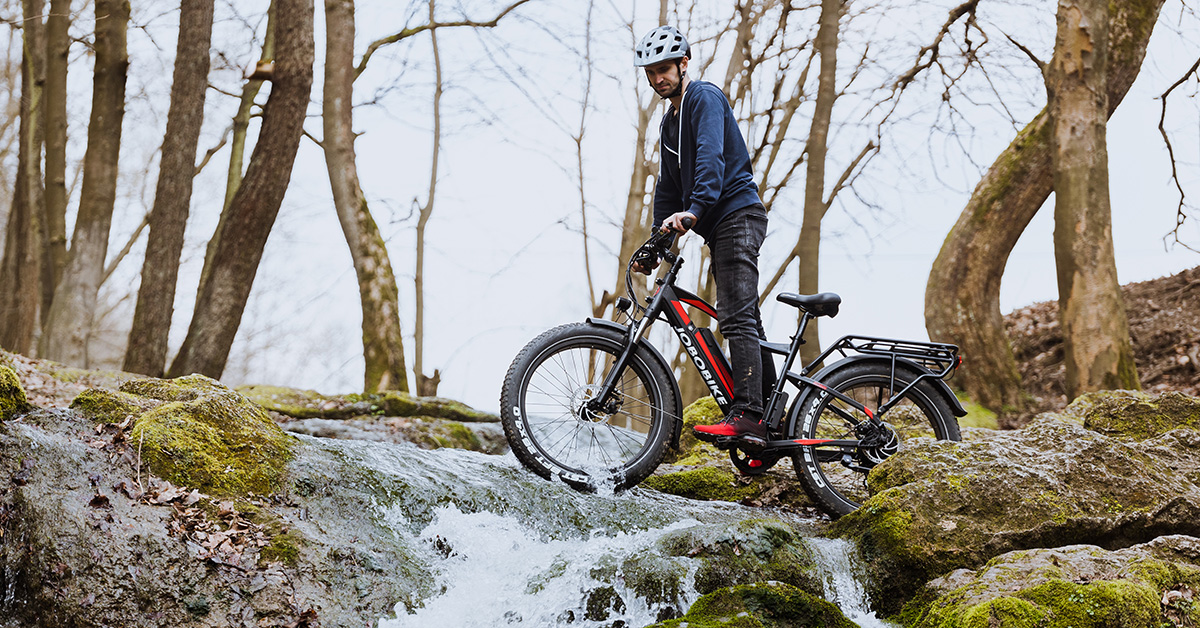
The primary advantage of an off road fatbike lies in its oversized tires, which can be run at very low air pressures. This creates a massive contact patch with the ground, providing incredible traction and stability on loose or unpredictable surfaces like sand, snow, mud, and slick rocks. The large volume of air in the tires also acts as natural suspension, smoothing out bumps from roots and rocks for a more comfortable ride. A model like the Nordbike Xtrail amplifies these benefits by integrating a powerful electric motor, giving you the torque needed to power up steep, technical climbs that would be exhausting on a traditional bike.

How does fatbike terrain performance compare to a standard mountain bike?


While standard mountain bikes are agile and efficient on hardpacked trails, the unique fatbike terrain performance truly shines where other bikes falter. On soft surfaces like a sandy beach or a snow-covered path, a normal bike's tires tend to dig in and get stuck. A fatbike, however, 'floats' on top, allowing you to maintain momentum and control. This superior flotation and grip make it a year-round machine, capable of extending your riding season through the winter months. The exceptional traction also provides a confidence-inspiring experience when navigating challenging descents or off-camber sections of trail.

Is mountain biking with fatbikes a good option for all skill levels?


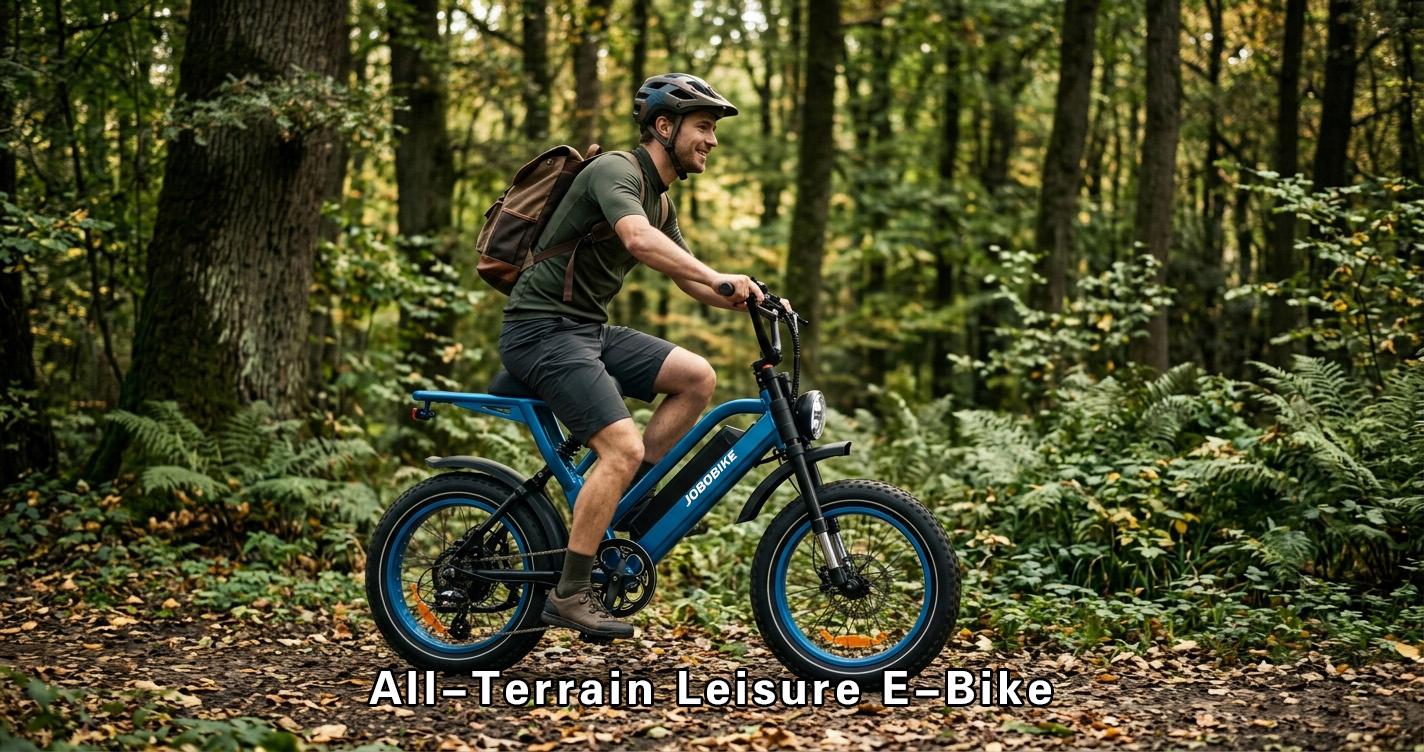
Absolutely. The practice of mountain biking with fatbikes is incredibly inclusive and rewarding for riders of all abilities. For beginners, the inherent stability and forgiving nature of the wide tires help build confidence quickly. They are less likely to get deflected by small obstacles and provide a more planted feel on the trail. For experts, these bikes open up new frontiers for exploration and extreme weather riding. An electric model like the Nordbike Xtrail further levels the playing field, making mountain biking with fatbikes more accessible by providing assistance on grueling climbs, allowing riders to focus on the fun and cover more ground.

What features define a high performance fatbike?


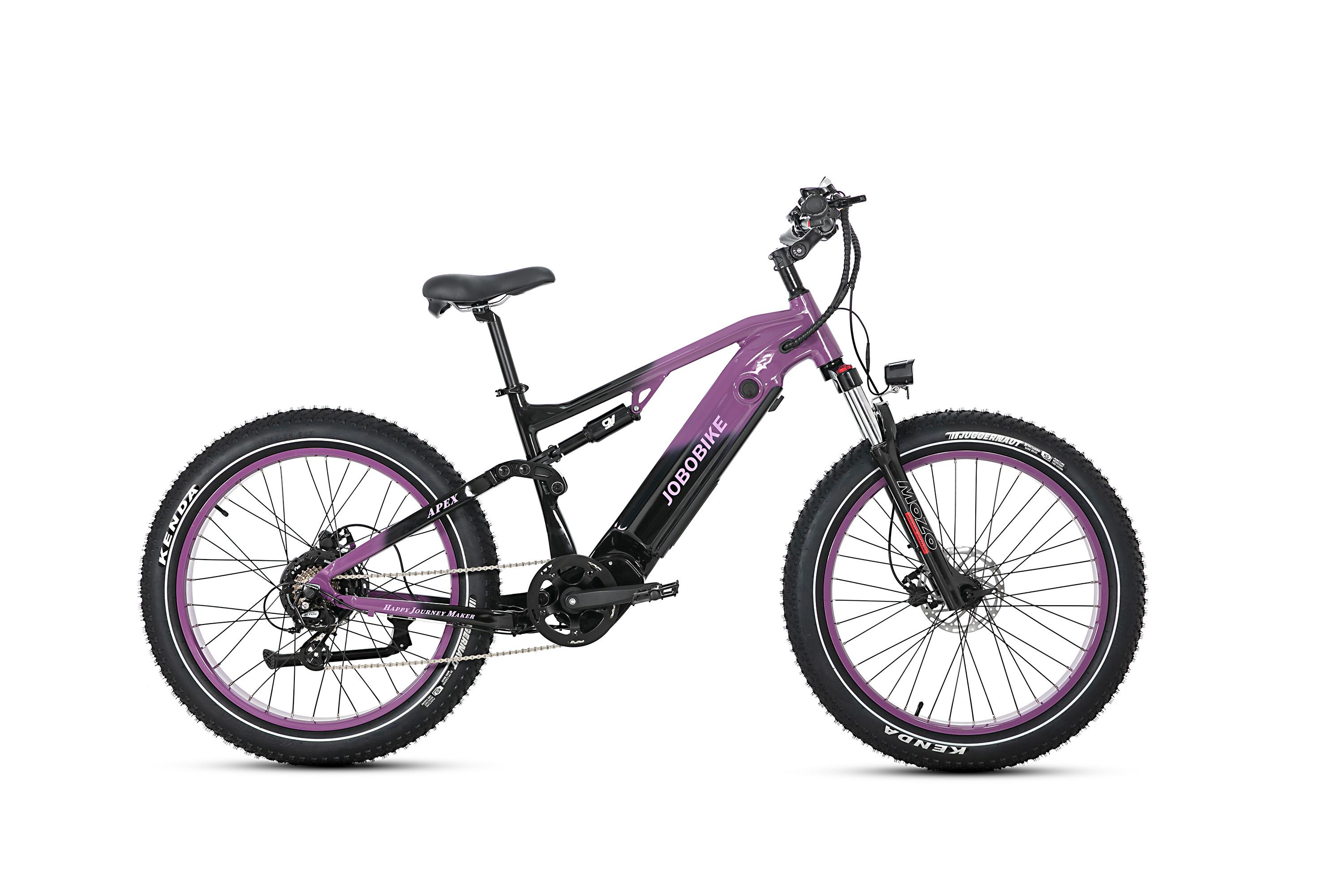
A true high performance fatbike is a symphony of purpose-built components designed for durability and capability. It starts with a robust and well-engineered frame, like that of the Nordbike Xtrail, which can withstand the rigors of aggressive trail riding. Key features include a powerful and reliable motor, a long-lasting battery, and rugged all-terrain tires that offer maximum grip. Furthermore, a high performance fatbike will have quality components, an intuitive control interface, and thoughtful design elements like adjustable handlebars and a rear rack for carrying gear, ensuring it’s ready for any adventure you can dream up.

Are fatbikes suitable for long-distance fatbiking?


Yes, fatbikes are excellent platforms for bikepacking and epic adventures. The comfort provided by the high-volume tires reduces rider fatigue over many miles, which is crucial for long-distance fatbiking. Models equipped with features like the rear cargo rack on the Nordbike Xtrail make it easy to carry all the essentials for multi-day trips. The addition of electric assistance is a game-changer for long-distance fatbiking, helping riders conserve energy, tackle more ambitious routes, and ensure they have the power to get home after a long day of exploring the wilderness.

If you are interested in learning more about our off-road fatbike capabilities or exploring customization and business collaboration opportunities, we welcome you to contact us. We provide comprehensive product specifications for individual customers and detailed technical documentation for potential distribution partners interested in bulk purchasing or wholesale arrangements. Our team is available to discuss how our high-performance fatbikes can meet your specific adventure requirements and business objectives.

Suggested URL Slug: /off-road-fatbike-faq

Publisher
logo
Jinhua JOBO Technology Co., Ltd2025/11/04
Blog Categories

Related Articles

How to Choose the Right Cargo Electric Bike for Urban Efficiency

How to Choose the Right Cargo Electric Bike for Urban Efficiency

1.How to Choose the Right Cargo Electric Bike for Urban Efficiency 2.Why Cargo Electric Bikes Are Transforming Urban Transportation 3.Step 1: Identify Your Primary Usage Scenario 4.Step 2: Compare Cargo Electric Bike Structural Designs 5.Step 3: Understand Payload and Durability Requirements 6.Step 4: Evaluate Motor Performance and Efficiency 7.Step 5: Consider Long-Term Maintenance and Ownership Value 8.Step 6: Choose a Reliable Cargo E-Bike Manufacturer 9.Frequently Asked Questions About Cargo Electric Bikes 10.Conclusion

Mid-Drive vs. Hub Motor: Which E-Bike Motor Is Right for You?

Mid-Drive vs. Hub Motor: Which E-Bike Motor Is Right for You?

1.What Is a Hub Motor? 2.What Is a Mid-Drive Motor? 3.Mid-Drive vs. Hub Motor: 7 Key Differences 4.Which E-Bike Motor Should You Choose? 5.Conclusion: There Is No “Best” Motor—Only the Right One 6.Frequently Asked Questions (FAQ)

How Electric Bike Frames Are Made | CNC and Automated E‑Bike Frame Manufacturing at JOBO

How Electric Bike Frames Are Made | CNC and Automated E‑Bike Frame Manufacturing at JOBO

1.How Does JOBO Manufacture High‑Quality E‑Bike Frames? 2.Tube Cutting and CNC Blanking Process 3.Tube Forming, Bending and Structural Shaping 4.Arc Milling, Slotting and Interface Preparation 5.Tube Surface Grinding and Cleaning 6.Welding Preparation and Tooling Management 7.Frame Welding and Assembly Lines 8.Frame Alignment, Calibration and Measurement 9.Aluminum Heat Treatment: T4 and T6 10.Post‑Heat Treatment Precision Machining 11.Frame Surface Finishing and Appearance Control 12.Automated Coating and Painting Process 13.Finished Frame Inspection and Quality Assurance 14.CNC‑Driven E‑Bike Frame Manufacturing at JOBO 15.FAQ: E-Bike Frame Manufacturing

Leading OEM and ODM E-Bike Manufacturer in China | JOBO

Leading OEM and ODM E-Bike Manufacturer in China | JOBO

1.Who Is JOBO and What Does the Company Specialize In? 2.What Makes JOBO’s E-Bike Factory in China Competitive? 3.How Does JOBO Ensure Stable Quality in Mass E-Bike Production? 4.Does JOBO Have a Europe-Based E-Bike Assembly Factory? 5.How Does JOBO Manufacture High-Quality E-Bike Frames? 6.Why Do Global Brands Choose JOBO as Their OEM & ODM E-Bike Partner? 7.How Does JOBO Meet EU and Global E-Bike Regulations? 8.What Advanced Manufacturing Technologies Does JOBO Use? 9.Where Can You Meet JOBO at Global E-Bike Exhibitions? 10.What Are JOBO’s Key Milestones and Industry Achievements? 11.Summary: Why JOBO Is a Reliable OEM & ODM E-Bike Manufacturer 12.OEM & ODM E-Bike Manufacturing FAQ 

How to Ensure Electric Bike Quality: Inside JOBO QC Labs

How to Ensure Electric Bike Quality: Inside JOBO QC Labs

1.How to Ensure Electric Bike Quality: Inside JOBO QC Labs 2.How Does JOBO QC Labs Ensure Electric Bike Quality? 3.What Types of Tests Are Conducted in JOBO QC Labs? 4.How Are Electric Bike Frames Tested for Strength and Durability? 5.How Are Braking Systems Validated for Urban Safety? 6.How Are Electric Bike Batteries Tested for Safety and Thermal Reliability? 7.How Is Motor Performance Measured and Verified? 8.How Are Wheels Tested for Long-Term Urban Riding? 9.How Does JOBO Simulate Environmental and Climate Conditions? 10.Why Is QC Testing Critical for European Market Compliance? 11.Why Does Advanced QC Capability Matter for OEM and Fleet Partners? 12.How JOBO QC Labs Strengthens Long-Term Manufacturing Trust

Belt Drive vs Chain Drive: Choosing the Right Electric City Bike System

Belt Drive vs Chain Drive: Choosing the Right Electric City Bike System

1.Belt Drive vs Chain Drive Electric City Bike: How to Choose the Right Urban E-Bike System 2.How Does a Belt Drive Electric City Bike Work? 3.How Does a Chain Drive Electric City Bike Work? 4.How Do Belt Drive and Chain Drive Compare for Urban Commuting? 5.How Does a Mid Motor Affect Belt Drive and Chain Drive Systems? 6.Which Drivetrain Is Better for the European Market? 7.How Do Electric City Bike Manufacturers Support Both Systems? 8.How to Choose Between Belt Drive and Chain Drive Electric City Bikes? 9.Frequently Asked Questions About Belt Drive and Chain Drive Electric City Bikes