Off-Road Touring E-Bikes: Power, Stability, and Endurance for Every Terrain
Why Off-Road Touring E-Bikes Are Rising in Demand
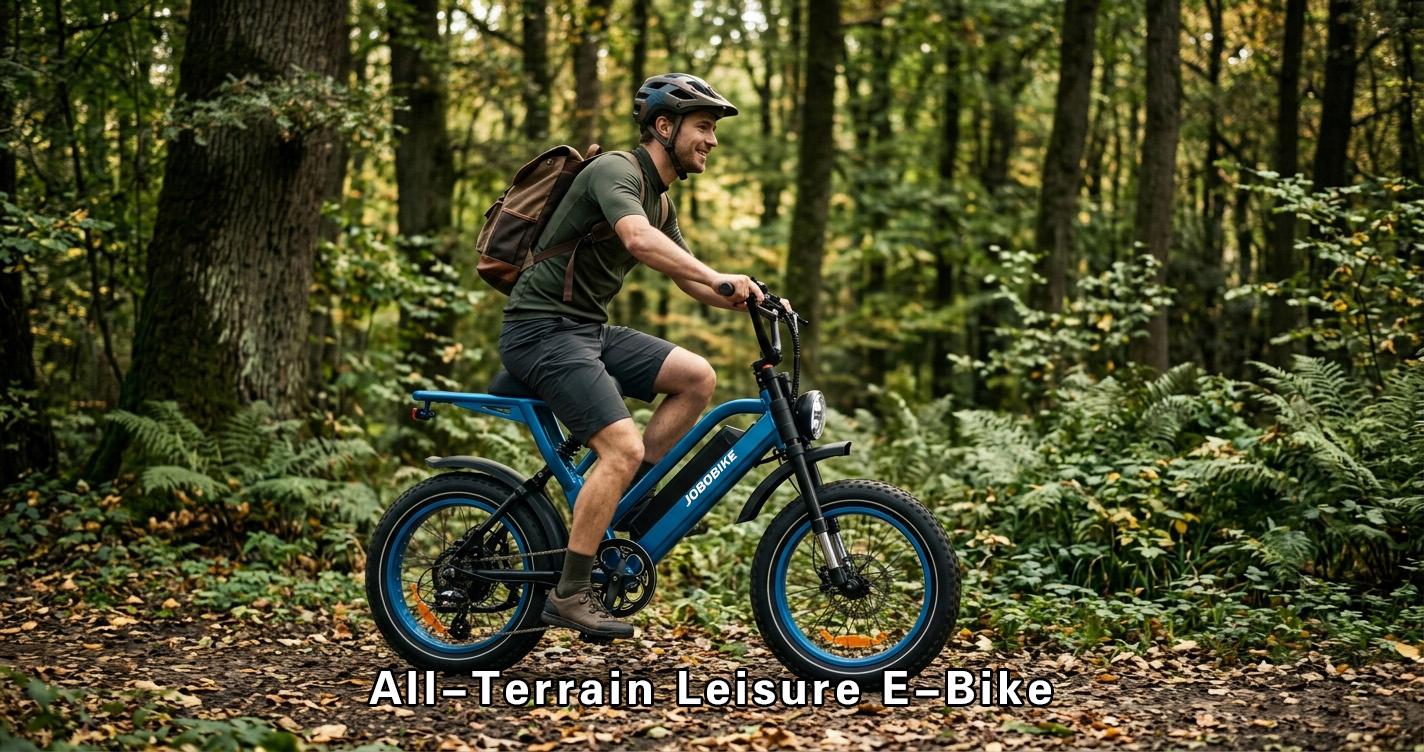
Adventure riders and professional fleets are shifting toward off-road touring e-bikes for their unmatched combination of endurance and terrain control.
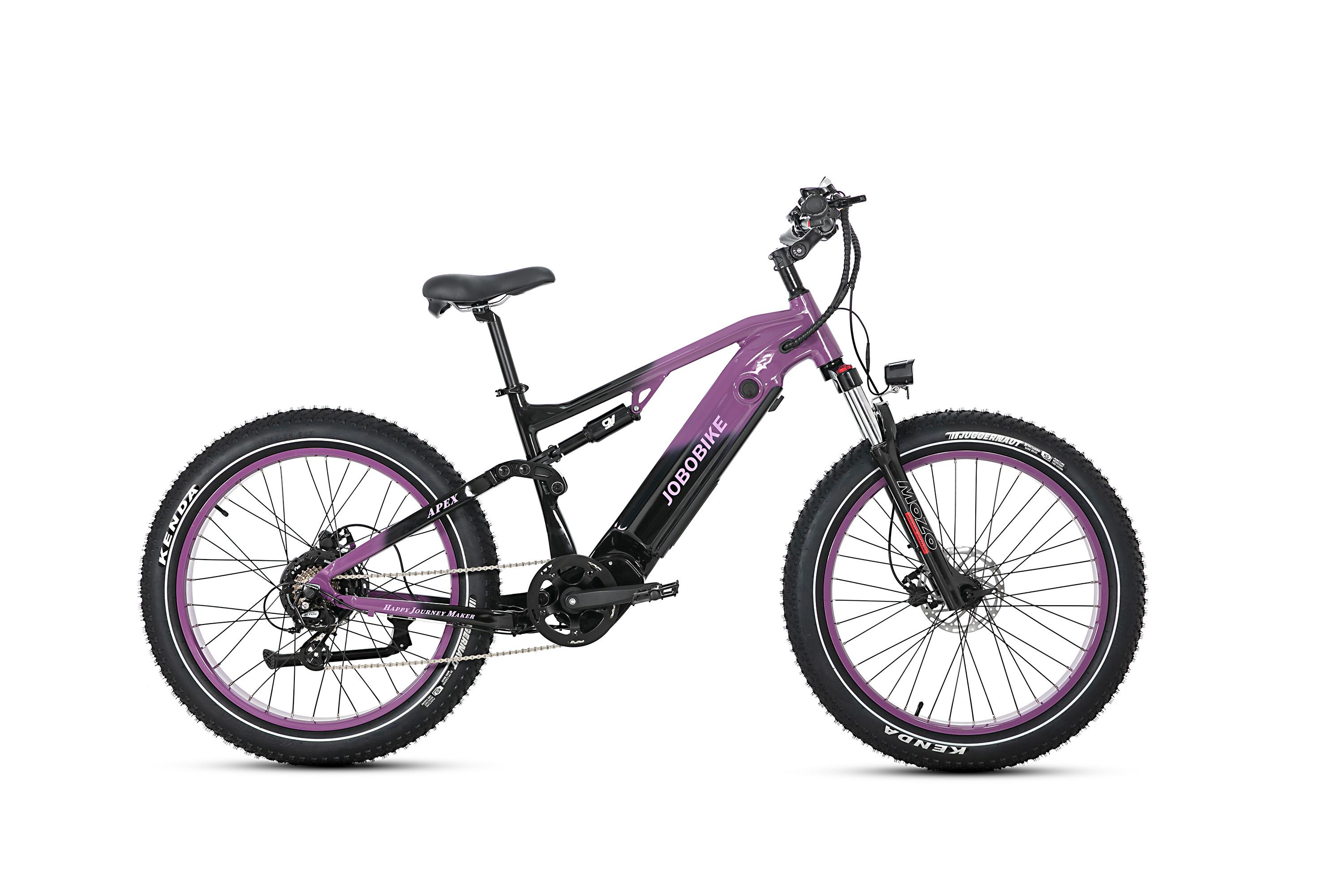
These models go beyond traditional touring geometry, integrating mid-drive motors, reinforced suspension, and dual-battery configurations capable of supporting 100–160 km rides on rocky trails or steep gradients.
For OEM brands, this segment represents a fast-growing market where design, strength, and efficiency converge.
Structural Design for Off-Road Durability
Off-road touring e-bikes must handle constant vibration, mud, and elevation change — all while keeping power delivery stable.
Engineers focus on:
-
Hydroformed aluminum or carbon-alloy frames for lightweight strength
-
130–150 mm travel suspension forks for shock absorption
-
Mid-drive motors (80–120 Nm torque) with integrated torque sensors
-
Dual 48V 15Ah+ battery setup for extended travel distance
-
Sealed cable routing & IP65 protection against dust and water
-
Puncture-proof off-road tires with deep tread design
These systems ensure stable handling and mechanical integrity under heavy load or continuous off-road operation.
Comparing Touring vs Off-Road Touring E-Bikes
| Feature | Standard Touring E-Bike | Off-Road Touring E-Bike |
|---|---|---|
| Terrain Capability | Paved roads, mild slopes | Gravel, forest, mountain trails |
| Motor Torque | 60–80 Nm | 80–120 Nm |
| Suspension System | Basic front fork | Full suspension / long travel |
| Battery Capacity | 720–1000 Wh | 1000–1600 Wh (dual setup) |
| Tire Design | Narrow touring tires | Wide all-terrain tires |
| Frame Reinforcement | Standard geometry | Strengthened welds and headtube |
Off-road models thus combine power and resilience, making them ideal for adventure tourism, rental fleets, or cargo in rural conditions.
Manufacturing Insight from JOBO ebike
At JOBO ebike, we design off-road touring e-bikes that merge technical precision with endurance-tested reliability.
Our R&D team collaborates with component suppliers to optimize torque response, frame geometry, and suspension calibration based on terrain profiles.
Each prototype undergoes off-road simulation testing, including vibration fatigue and waterproof endurance evaluation, ensuring every model meets real-world demands.
OEM partners benefit from flexible configuration options that align with regional regulations, rider expectations, and branding objectives.
OEM Customization Options
| Customizable Component | Available Options | OEM Benefit |
|---|---|---|
| Motor System | 500W–1000W mid-drive | High torque for climbs |
| Battery Pack | Dual 15Ah–20Ah | Extended range on trails |
| Suspension Setup | Adjustable front/rear | Terrain-specific tuning |
| Brake System | Hydraulic disc (180–203mm) | Stable control downhill |
| Frame Material | Aluminum / Carbon Alloy | Strength-to-weight optimization |
| Display Unit | Smart LCD / IoT compatible | Real-time diagnostics |
| Tire Type | All-terrain puncture-proof | Improved traction and safety |
These options allow each OEM to build adventure-ready e-bikes tailored to specific regional needs and branding standards.
What Buyers Should Check Before Ordering
| Common Issue | Why It Matters | Recommendation |
|---|---|---|
| Inadequate torque rating | Limits uphill performance | Ensure ≥80 Nm mid-drive motor |
| Weak frame welds | Causes instability off-road | Request fatigue testing reports |
| Poor waterproofing | Damages electrical system | Verify IP65–IP67 certification |
| Overly heavy setup | Reduces agility | Use balanced geometry design |
| Unstable power management | Causes voltage drops | Demand smart BMS synchronization |
| Low tire quality | Decreases traction | Choose off-road rated compounds |
Frequently Asked Questions
Q1: How far can off-road touring e-bikes travel on one charge?
Typically between 100–160 km depending on terrain, rider weight, and assist level — aided by dual-battery setups.
Q2: Are mid-drive motors better for off-road use?
Yes. They deliver more consistent torque and balance, essential for uneven or steep trails.
Q3: Can OEMs request frame or motor co-branding?
Absolutely. JOBO ebike provides full OEM/ODM options, including custom frame geometry, decals, and firmware integration.
Built for Riders Who Go Beyond the Road
The off-road touring e-bike embodies freedom, endurance, and precision engineering — designed for those who push past boundaries.
At JOBO ebike, we combine dual-battery range, terrain-ready suspension, and torque-optimized motors to deliver OEM-ready solutions for global mobility brands.
To discuss your custom off-road project or explore technical specifications, visit our homepage or reach us through the contact page.