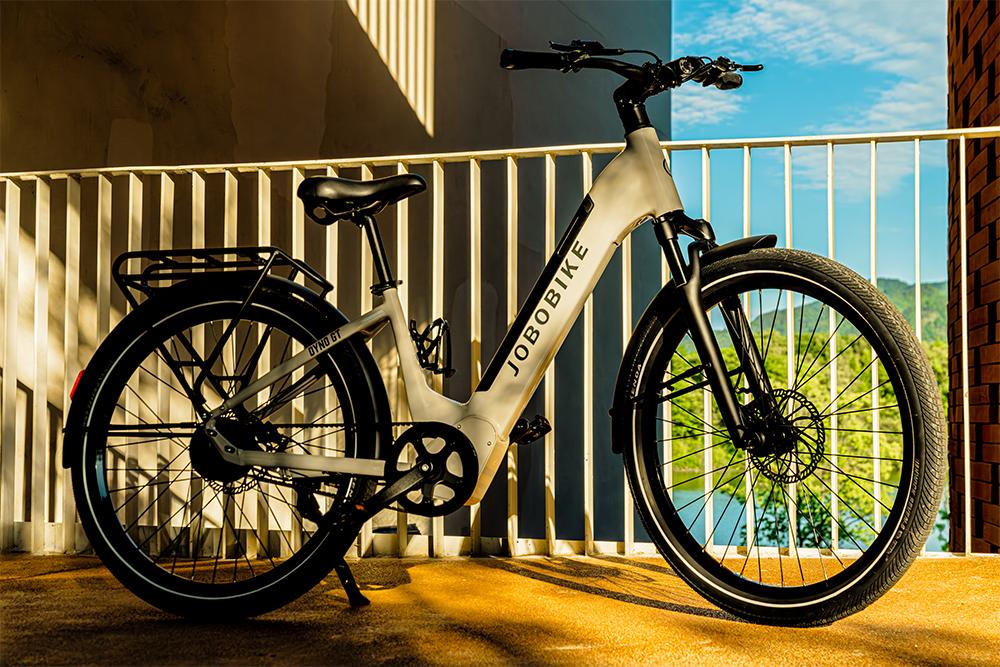
The electric bicycle market is experiencing an unprecedented surge in popularity, with consumers seeking greener, healthier, and more convenient modes of transportation. Within this booming industry, a specific niche is rapidly gaining traction: the lightweight e-bike. For businesses aiming to capitalize on this trend, partnering with a specialized lightweight e-bike OEM (Original Equipment Manufacturer) is the most strategic path to market. This approach allows brands to leverage expert manufacturing capabilities, innovative designs, and streamlined production processes, enabling them to launch high-quality products without the immense overhead of building a factory from the ground up. Choosing the right partner is crucial for creating a product that is not only light and efficient but also reliable and appealing to the modern rider.
Why Lightweight E-Bikes are Dominating the Market
The demand for lightweight electric bikes stems from a clear set of user-centric advantages. First and foremost is portability. Urban dwellers, who often live in apartments without ground-floor storage, value a bike that can be easily carried up stairs or taken onto public transport. A lighter frame makes the bike less of a burden and more of an integrated part of daily life. This portability is further enhanced in models designed for compact storage, such as folding bikes that can be stowed in a car trunk or under an office desk. Beyond convenience, a lower weight significantly improves the riding experience. Lightweight e-bikes handle more like traditional bicycles, offering greater agility and responsiveness. This makes navigating busy city streets, weaving through traffic, and maneuvering tight corners feel more natural and secure. Furthermore, reduced weight translates to better battery efficiency. The motor has less mass to propel, allowing for a longer range on a single charge or the use of a smaller, lighter battery pack to achieve a target range, further reducing overall weight in a virtuous cycle.
Choosing the Right Lightweight E-Bike OEM Partner
Embarking on a partnership with a lightweight e-bike OEM is a decision that can define a brand's success. An OEM is responsible for the entire manufacturing process, from sourcing raw materials to final assembly, allowing your brand to focus on marketing, sales, and customer engagement. The key benefit is immediate access to specialized expertise. Designing a truly lightweight yet durable e-bike requires a deep understanding of material science, component integration, and advanced engineering. An established OEM has already navigated the steep learning curve, refined its processes, and built a reliable supply chain. This translates into significant cost savings on research and development, tooling, and facility management. It also drastically reduces the time-to-market, enabling a brand to seize market opportunities quickly. When vetting a potential partner, it's essential to look for a demonstrated track record in producing innovative and high-quality electric bikes, ensuring they can deliver a product that aligns with your brand's vision and quality standards.
Innovations in Lightweight E-Bike Design and Technology
A proficient manufacturer showcases its capabilities through its product designs. For instance, a versatile folding electric bike, finished in a striking green, can exemplify modern design blended with ultimate functionality. Such a bike would feature sleek geometric lines and a sturdy yet light frame, ensuring both aesthetics and durability. Key to its lightweight nature is the seamless integration of a powerful yet compact electric motor into the rear hub, providing smooth assistance without adding excessive bulk. Pairing this with a high-capacity, quick-charge battery ensures long-lasting power for daily adventures. On the other end of the spectrum, a sleek city bike with a sophisticated matte grey finish can embody urban elegance and performance. This design philosophy emphasizes a streamlined, minimalist look with precision-engineered components. Features like integrated drop handlebars for aerodynamic positioning, a comfortable ergonomic saddle, and robust hydraulic disc brakes for reliable stopping power demonstrate a commitment to both form and function. A capable lightweight e-bike OEM can offer this level of design diversity, from practical folding models to high-performance urban racers, all built on a foundation of quality and innovation.
From Concept to Consumer: How an OEM Partnership Streamlines Success
The journey from an idea to a market-ready product is complex, but an OEM partnership makes it manageable and efficient. The process is collaborative. A brand brings its vision, target audience insights, and design requirements to the table. The OEM provides the engineering expertise, manufacturing infrastructure, and supply chain management to bring that vision to life. This synergy allows for a high degree of customization. A brand can specify everything from the frame's color and finish to the specific components used, ensuring the final product perfectly reflects its identity. Advanced features, such as a digital display mounted on the handlebars for real-time updates on speed and battery life, can be incorporated to meet the expectations of today's tech-savvy consumers. By entrusting the manufacturing complexities to a specialized partner, your business can concentrate its resources on building a strong brand presence and creating an exceptional customer experience. This division of labor is a proven formula for success in the competitive cycling industry.