Urban Commuter Folding E-Bikes: The Smart Solution for Daily City Travel
The New Age of Efficient City Mobility
The modern city rider faces a unique challenge — navigating dense traffic while saving both time and space.
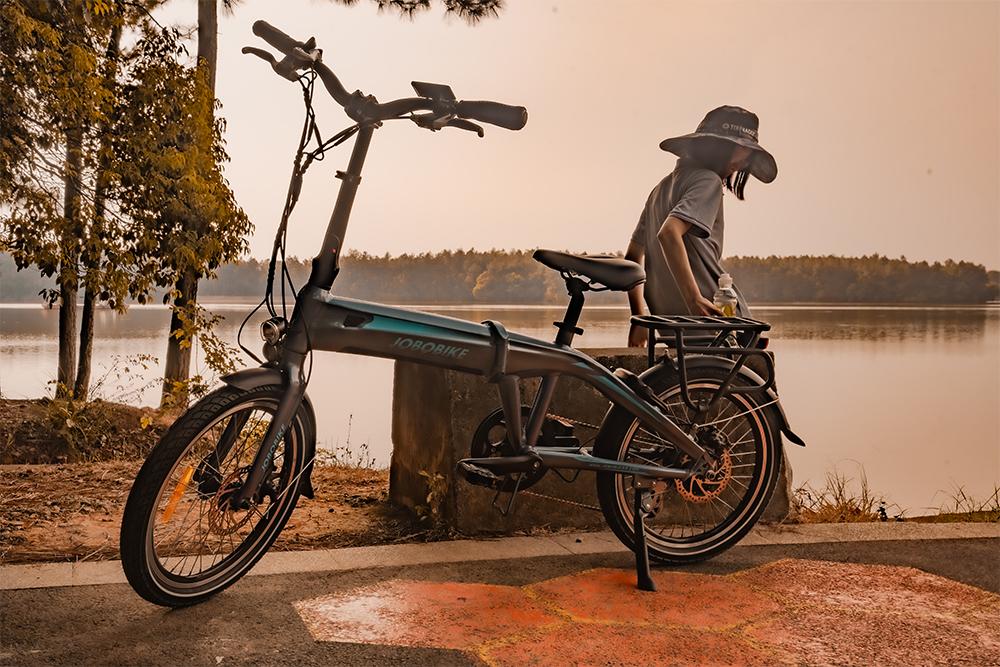
The urban commuter folding e-bike meets this demand with an ideal combination of power, portability, and practicality.
Lightweight, energy-efficient, and easy to store, it’s become a go-to choice for office workers, apartment residents, and companies offering last-mile commuting solutions.
Smart Folding Design for Compact Living
City life means limited space — both at home and at work. That’s why folding bikes are designed to move seamlessly from the street to your apartment or office corner.
Key structural innovations include:
-
Precision-engineered aluminum folding frame with reinforced central hinge
-
Magnetic locking system for stable folded form
-
Integrated handle or trolley wheel for effortless transport
-
Ergonomic adjustable seatpost and handlebars for multiple rider heights
-
Hidden internal wiring for a cleaner look and protection against wear
This structure ensures the urban commuter folding e-bike is not only portable but durable enough for daily use.
Powertrain and Performance for Everyday Commutes
Electric folding bikes used for commuting demand a careful balance between acceleration and efficiency.
Core power configurations include:
-
36V 250–350W hub motor optimized for stop-and-go city riding
-
10–14Ah lithium battery offering 40–60 km range
-
Smart torque-assist controller that adapts to rider effort
-
Front and rear disc brakes for consistent braking in traffic
-
Fast-charging system enabling 80% charge in under 2 hours
For both individuals and fleets, these systems ensure smooth performance with minimal downtime.
Commuter Folding vs Standard Folding E-Bikes
| Feature | Urban Commuter Folding E-Bike | Standard Folding E-Bike |
|---|---|---|
| Primary Use | Daily city commuting | Casual or travel use |
| Frame Design | Reinforced hinge & commuter geometry | Lightweight leisure frame |
| Range | 40–60 km | 25–40 km |
| Motor Type | Torque-assisted hub | Basic pedal assist |
| Weight | 18–23 kg | 16–20 kg |
| Ideal User | Office professionals, fleets | Occasional riders |
This table shows why commuter-specific models outperform traditional folding e-bikes in stability and reliability.
Manufacturing Insight from JOBO ebike
At JOBO ebike, our commuter folding series is designed with urban ergonomics, durable locking joints, and integrated electrical protection.
We conduct frame fatigue tests (20,000+ cycles) and waterproof testing (IP65) to ensure long-term safety under daily use.
By combining commuter-level power systems with compact designs, JOBO ebike enables OEM partners to create efficient, portable solutions tailored to modern urban lifestyles.
Ideal Use Scenarios for Urban Commuters
1. Office & Business Commuting
-
Foldable frame for public transport
-
Quick folding under 20 seconds
-
Lightweight structure for easy carrying
2. Apartment & Shared Living Residents
-
Compact storage design
-
Detachable battery for indoor charging
-
Low noise motor for daily use
3. Corporate Fleet Programs
-
Unified frame specs for maintenance
-
Branding customization for business fleets
-
Optional anti-theft tracking integration
4. Tourism & Rental Operators
-
Durable hinges for frequent folding
-
Multi-user compatibility
-
Quick-swap battery system
What Buyers Should Check Before Purchasing
| Common Issue | Why It Matters | Recommendation |
|---|---|---|
| Weak central hinge | Causes instability | Choose reinforced double-lock system |
| Limited battery range | Affects daily commuting | Select 10Ah+ battery capacity |
| Overly heavy frame | Reduces portability | Keep below 23 kg |
| Low-torque motor | Poor hill performance | Opt for 250W+ motor with torque assist |
| Weak brakes | Unsafe in city traffic | Require front and rear disc brakes |
| Poor waterproof sealing | Limits durability | Ensure IP65 protection |
Frequently Asked Questions
Q1: How long does folding or unfolding take?
Typically 15–20 seconds with a quick-lock hinge system.
Q2: Are commuter folding e-bikes suitable for long-distance rides?
Yes, up to 60 km per charge, depending on battery capacity and terrain.
Q3: Can companies use them for employee commuting programs?
Absolutely — their portability and low maintenance make them ideal for fleet-based urban transport initiatives.
Mobility That Fits Modern Urban Life
The urban commuter folding e-bike is a symbol of smart design — portable, efficient, and ready for real-world commuting challenges.
At JOBO ebike, we develop folding commuter bikes that merge advanced engineering with everyday practicality, helping partners build mobility solutions for the next generation of city transport.
To explore OEM opportunities or review our commuter folding lineup, visit our homepage or contact us through the contact page.