Why Urban Folding E-Bikes Are Redefining City Mobility
Compact Solutions for Modern City Life
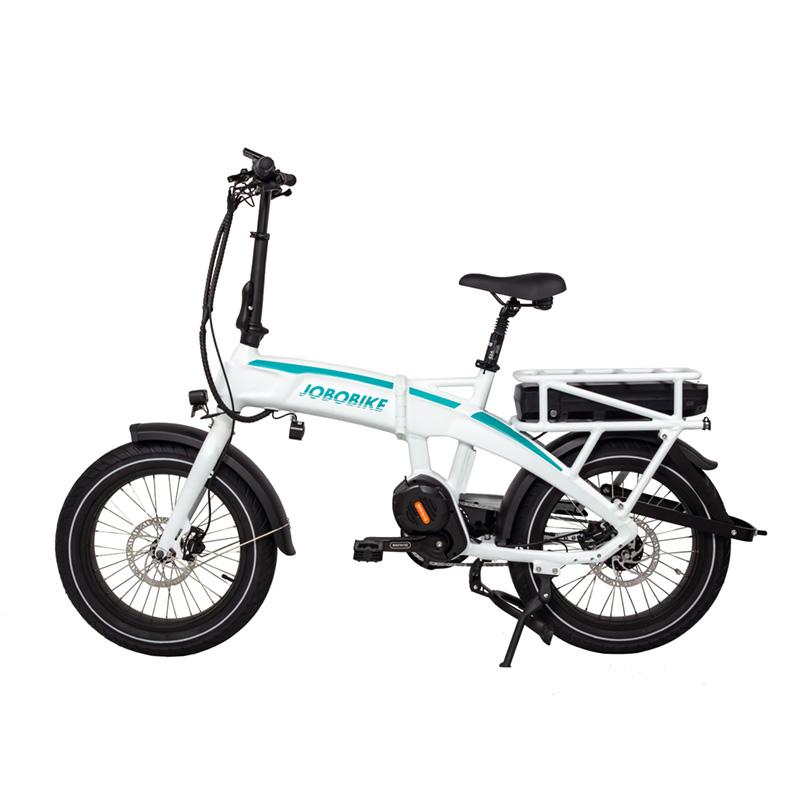
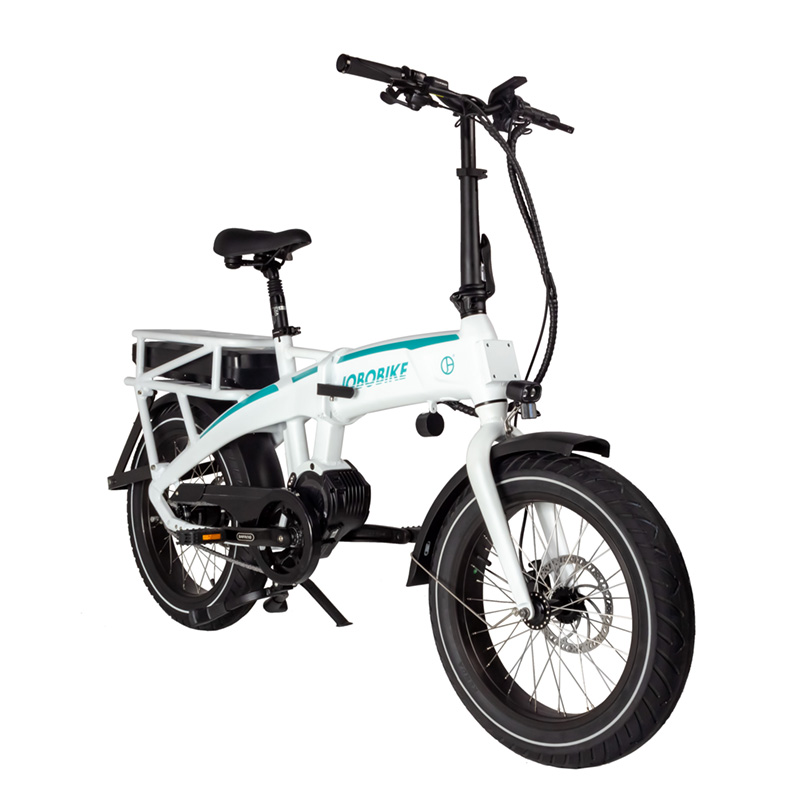
Crowded streets, limited parking, and mixed travel routines have made the urban folding e-bike one of the most practical mobility options for today’s commuters. Its greatest advantage lies in portability: riders can fold it within seconds, carry it into elevators, bring it onto trains, or store it in small apartments without dedicated parking space. For brands and distributors, this category meets rising consumer demand while offering versatile applications across different urban environments.
Engineering the Folding Structure
A reliable folding design requires more than a simple hinge. Most high-quality models use 6061 aluminum alloy for light weight and rigidity, paired with reinforced stainless-steel pivot points to prevent fatigue during repeated folding. The ideal folding system completes in 8–10 seconds and locks securely to ensure stability on the road.
Typical configurations include:
-
20-inch wheels for maneuverability
-
36V battery systems for urban ranges of 40–60 km
-
Rear hub motors for low-maintenance performance
-
Internal cable routing to avoid snagging during folding
These elements help the urban folding e-bike maintain strength while offering the compactness city riders need.
Urban Folding E-Bike vs. Standard City E-Bike
| Feature | Urban Folding E-Bike | Standard City E-Bike |
|---|---|---|
| Storage | Highly compact when folded | Requires dedicated space |
| Portability | Easy to carry on public transit | Limited portability |
| Weight | Generally lighter | Often heavier for stability |
| Ideal Use | Multi-modal commuting | Direct point-to-point riding |
This comparison highlights why the urban folding e-bike has become a preferred choice for short-distance commuters and users with small living or working spaces.
Manufacturing Insight from JOBO ebike
At JOBO ebike, development of folding models focuses on precise hinge alignment, long-term durability, and balanced weight distribution. Each frame undergoes fatigue testing across thousands of folding cycles to ensure consistent performance. Modular components—such as easily replaceable controllers, batteries, and cables—simplify maintenance for fleet operators and OEM clients.
This approach helps brands accelerate product development while maintaining consistent quality across batches.
Product Recommendations Based on Use and Environment
Choosing the right folding e-bike depends heavily on where and how it will be used:
1. Mixed Commuting (Metro + Riding)
-
Lightweight frame (20–22 kg)
-
Fast single-fold mechanism
-
Removable battery for indoor charging
Suitable for office workers who need to carry the bike frequently.
2. Short-Distance Daily Travel
-
Higher comfort geometry
-
Slightly larger battery for stability
-
20-inch wheels for city terrain
Ideal for riders traveling 3–6 km each day.
3. Multi-Location Users (Office, Home, Retail Areas)
-
Compact triple-fold design
-
Reinforced hinges
-
Quiet motor and smooth tires
Perfect for users who fold/unfold the bike multiple times in a day.
4. Sharing or Rental Platforms
-
Stronger frame structure
-
Tool-free maintenance components
-
Replaceable battery modules
Designed for high-frequency use and simplified servicing.
What to Check Before Purchasing
Below is a practical table summarizing the most common issues brands encounter when sourcing urban folding e-bikes, why they matter, and how to avoid them during procurement.
| Common Issue | Why It Matters | Recommendation |
|---|---|---|
| Weak folding joints or hinges | Loose or unstable hinges reduce safety and shorten product lifespan. | Choose models tested for 5,000–10,000 folding cycles to ensure long-term durability. |
| Bulky folded dimensions | A light bike can still be inconvenient if it folds into a large shape that doesn’t fit public transit or office spaces. | Confirm the folded size matches target users’ daily environments (elevators, metro, office desks). |
| Excessive overall weight | Many riders cannot comfortably lift bikes over 23–25 kg, reducing true portability. | Select weight ranges according to user profile; ideal range is 20–22 kg for most commuters. |
| Non-removable battery | Limits charging flexibility for apartment or office users and complicates maintenance. | Prioritize removable battery systems for urban markets where indoor charging is common. |
| Lack of required certifications | Markets like the EU require CE/EN15194; missing certifications delays sales and customs clearance. | Ensure the supplier provides complete and verified CE / EN15194 documentation. |
| Complicated maintenance structure | Integrated parts make repairs slow and increase fleet operational costs. | Choose models with modular design, allowing quick component replacement. |
| Unclear spare parts supply | Delayed replacements can interrupt fleet operation or damage brand reputation. | Confirm supplier provides a spare parts list and maintains reasonable stock levels. |
Frequently Asked Questions
Q1: How compact can a folding e-bike be after folding?
Most models fold to approximately 90 × 70 × 40 cm, suitable for offices and apartments.
Q2: Is a folding e-bike durable enough for daily riding?
Yes. Reinforced frames and hinges allow long-term use even with repeated folding.
Q3: What is the typical charging time?
A 36V 10Ah battery usually charges in 4–5 hours.
Compact Mobility for a Changing Urban Landscape
The rise of the urban folding e-bike reflects a shift toward flexible, space-saving transportation. At JOBO ebike, we continue refining folding mechanisms, frame structures, and rider ergonomics to support brands developing their next-generation city mobility products.
To explore technical details or discuss OEM customization, visit our homepage or contact our team directly through the contact page.