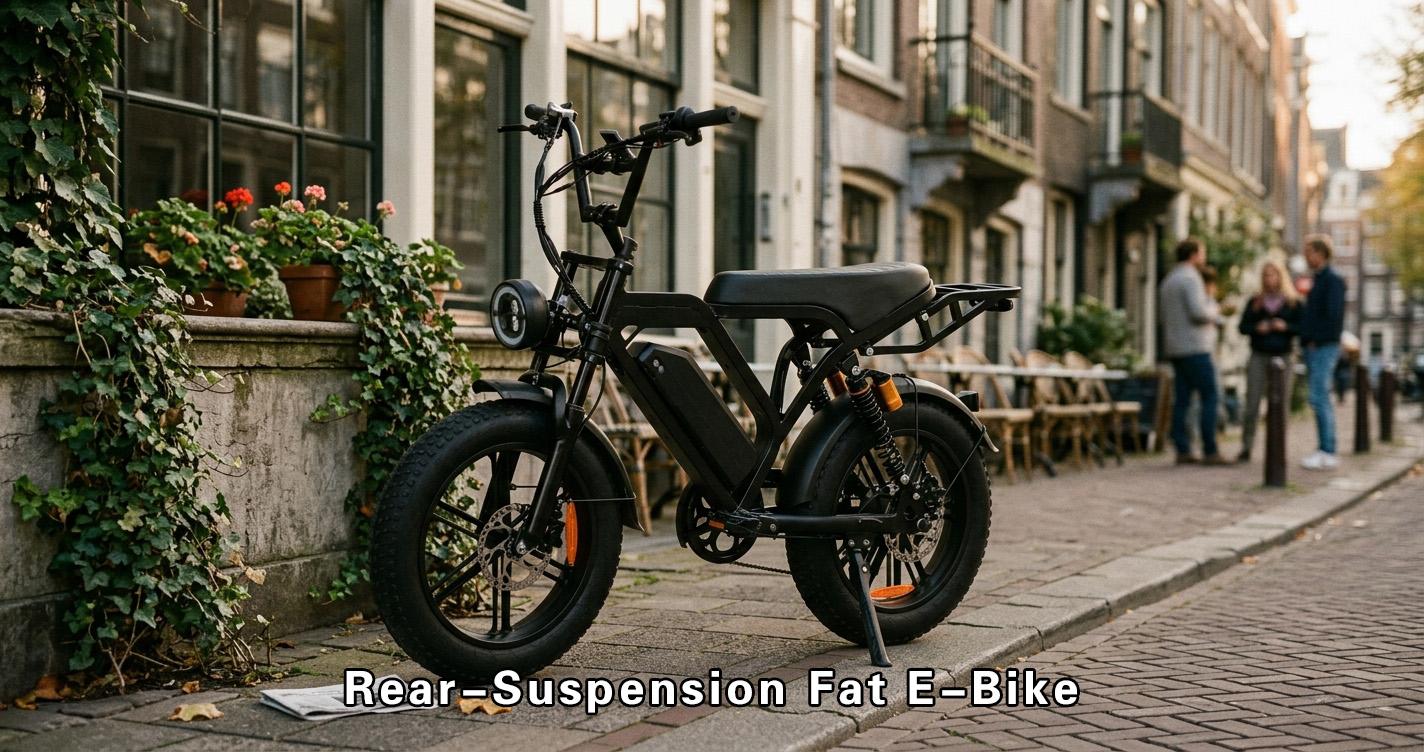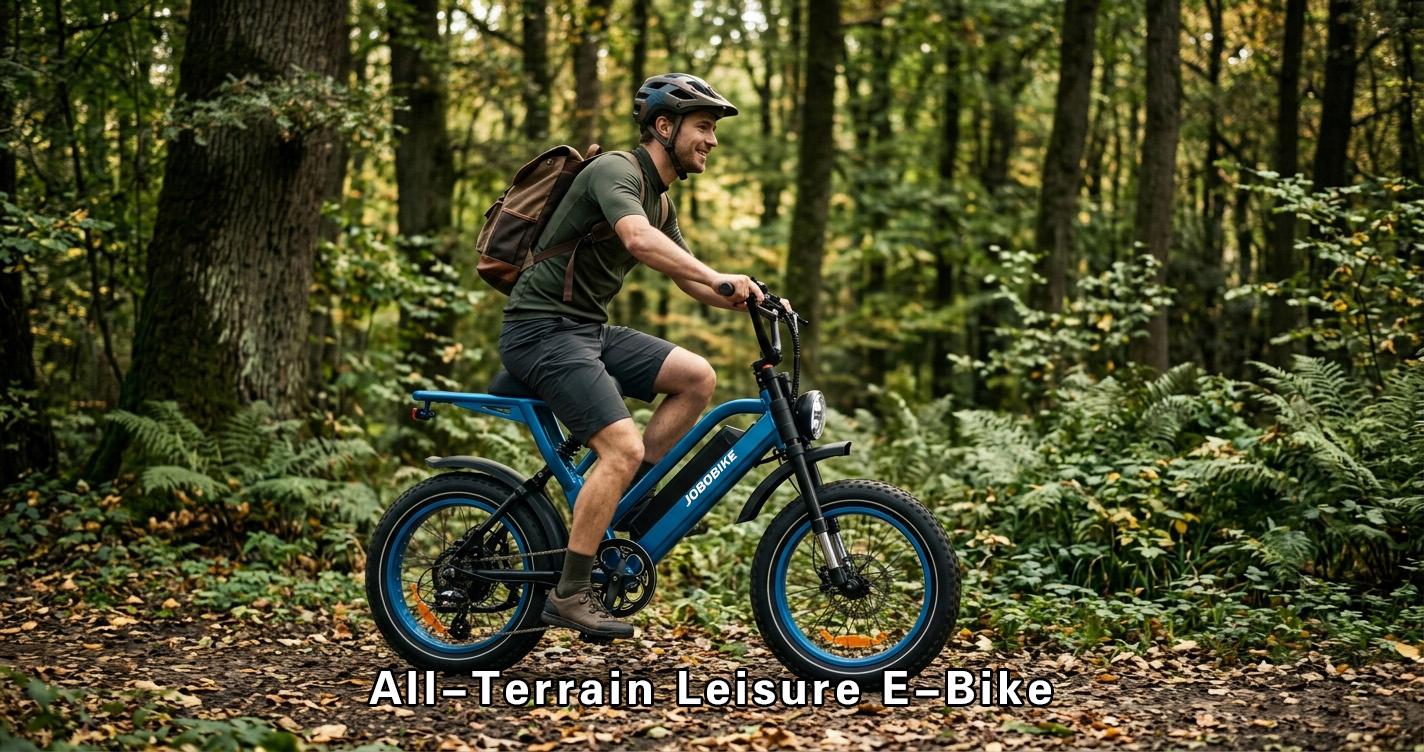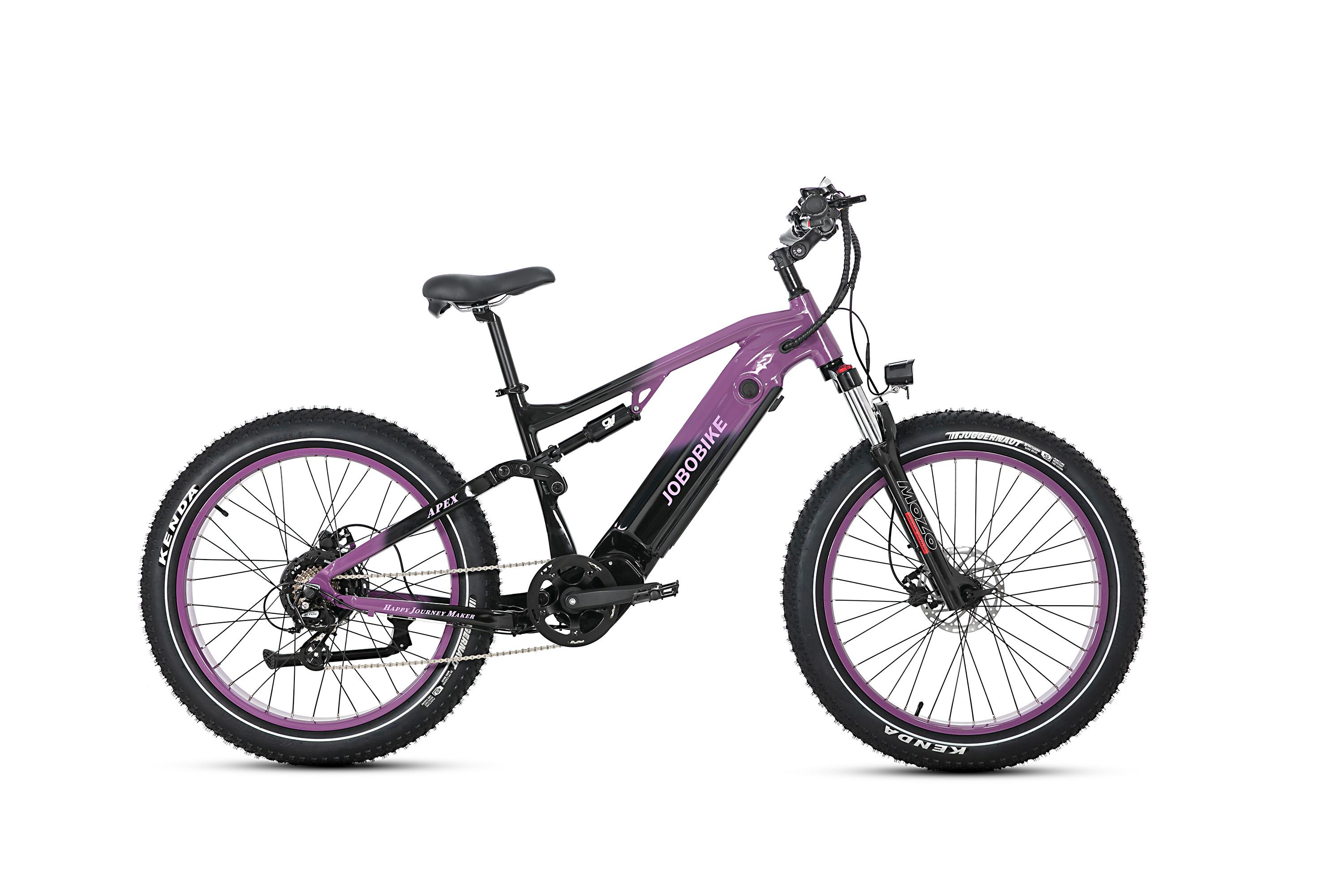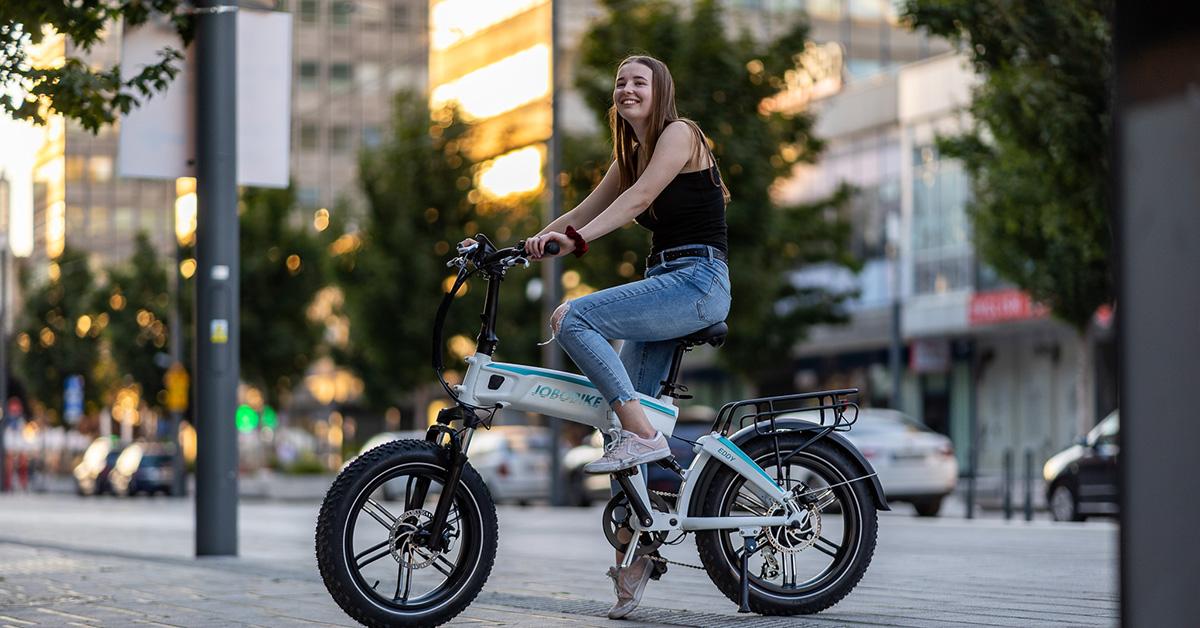
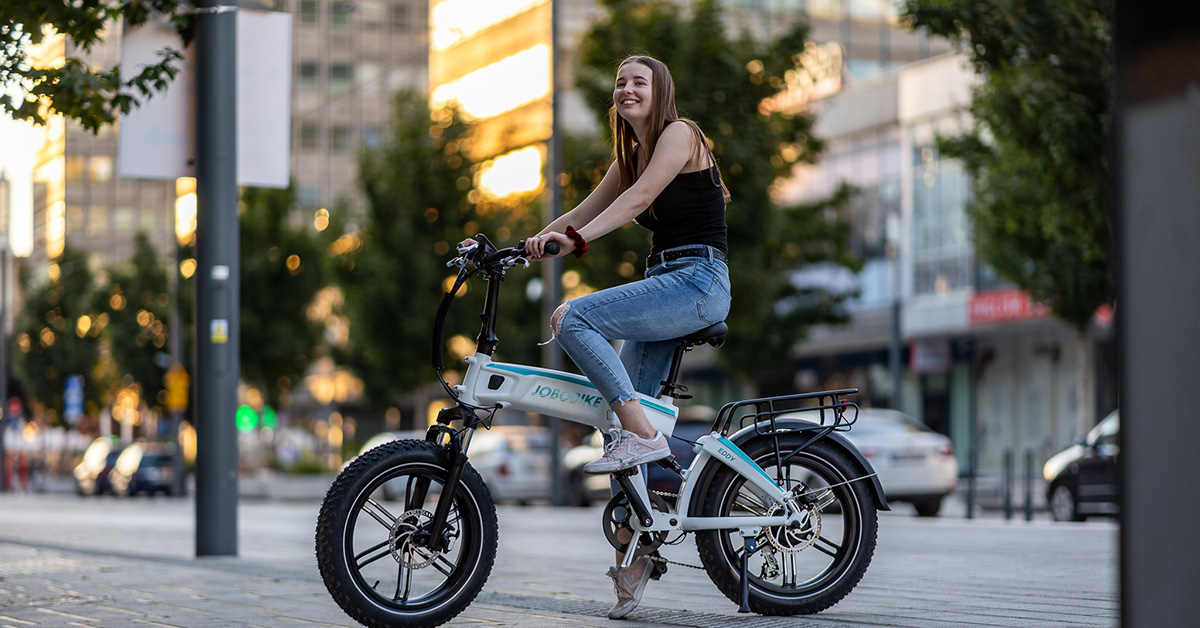
Urban Mini E-Bikes: Compact Power for the Next-Generation City Rider
The Rise of Compact Electric Mobility
As cities grow denser and parking becomes scarce, urban mini e-bikes are emerging as the perfect bridge between walking, cycling, and public transport.
With smaller frames, simplified drivetrains, and high-efficiency motors, these bikes redefine personal mobility for crowded urban spaces.
For OEM manufacturers, mini e-bikes offer an opportunity to serve both individual commuters and fleet operators seeking low-maintenance, space-saving designs.
Key Features That Define an Urban Mini E-Bike
The goal of a mini e-bike is to deliver practicality without sacrificing performance.
Typical design features include:
-
Compact 14”–16” wheelbase for agility and balance
-
Lightweight aluminum or magnesium alloy frame (≤17 kg)
-
Integrated rear hub motor (250–350W) for smooth city acceleration
-
Foldable handlebar and pedals for easy indoor storage
-
Built-in lithium battery (36V 7–10Ah) supporting 40–60 km range
-
Smart LCD display or app connectivity for mode control and data tracking
Together, these features make mini e-bikes perfect for short commutes, apartment storage, and portable use in city environments.
Comparison: Mini E-Bike vs Standard City E-Bike
| Feature | Standard City E-Bike | Urban Mini E-Bike |
|---|---|---|
| Frame Size | Full-size commuter geometry | Compact 14–16” design |
| Weight | 22–26 kg | 14–17 kg |
| Battery Range | 60–90 km | 40–60 km |
| Storage | Requires parking | Fits in small spaces |
| Handling | Stable but wide | Agile and easy to maneuver |
| Ideal Use Case | Long-distance commute | Short-range, dense urban rides |
Mini models excel in tight environments like city centers, subway access points, or shared mobility docks — areas where standard e-bikes often feel oversized.
Manufacturing Insight from JOBO ebike
At JOBO ebike, we design urban mini platforms that combine precision engineering with real-world usability.
Our R&D team optimizes frame geometry, torque response, and folding mechanics to ensure that even compact models maintain full ride comfort.
We perform stress simulation, joint fatigue testing, and IP65 waterproof verification to guarantee long-term durability.
For OEM partners, JOBO offers both ready-to-produce templates and custom frame tooling, allowing brand differentiation across regional markets.
OEM Customization Options
| Customizable Component | Available Options | OEM Benefit |
|---|---|---|
| Motor Type | Rear hub / Mid-drive | Efficiency vs torque |
| Frame Material | Aluminum / Magnesium | Weight optimization |
| Battery Setup | 36V 7–10Ah integrated | Space-efficient design |
| Folding Mechanism | Handlebar / Mid-frame | Portability enhancement |
| Wheel Size | 14” / 16” | Adjusts to rider type |
| Display System | Smart LED / App-integrated | Digital control interface |
These modular configurations let OEMs adapt mini e-bikes for commuting, rental, or short-trip fleet markets, maximizing return on engineering investment.
What Buyers Should Verify Before Ordering
| Common Issue | Why It Matters | Recommendation |
|---|---|---|
| Weak hinge durability | Reduces product lifespan | Request folding cycle tests |
| Small motor torque | Limits uphill performance | Choose ≥40Nm torque rating |
| Low battery quality | Reduces range consistency | Verify certified cell supplier |
| Frame vibration | Affects comfort | Ensure FEA stress analysis |
| Unsealed wiring | Risk under rain | Require IP65 waterproofing |
| Overweight frame | Defeats portability purpose | Keep ≤17 kg target weight |
Frequently Asked Questions
Q1: Are mini e-bikes suitable for long commutes?
They are optimized for short-to-medium urban distances (5–15 km) but can support longer rides with higher-capacity batteries.
Q2: Can OEMs request folding or non-folding versions?
Yes. JOBO provides both options, depending on the target use — portable for commuters or fixed-frame for fleet stability.
Q3: Are they legal for road use in the EU and US?
Yes. Our models comply with EN15194 and Class 1–3 e-bike standards, ensuring safe export and registration.
Compact Mobility, Big Potential
The urban mini e-bike demonstrates how compact engineering can create smarter, more flexible city mobility.
At JOBO ebike, we help OEM partners build mini e-bikes that deliver practicality, power, and long-term reliability — ready for modern riders and urban fleets alike.
To explore customization options or start your OEM production project, visit our homepage or reach us via the contact page.