Why Choose a Fat Tire E-Bike Over a Standard Model?

Why Choose a Fat Tire E-Bike Over a Standard Model?

The world of cycling has evolved dramatically, moving beyond simple pedal power to embrace electric assistance. While standard e-bikes have become a common sight, the fat tire electric bike has carved out a unique and powerful niche, offering a completely different riding experience. Unlike their thinner-tired cousins, these rugged machines are built to handle virtually anything thrown their way, providing a blend of stability, power, and all-terrain capability that standard bikes simply cannot match. This comparison will delve into what sets these impressive bikes apart.

Standard E-Bike vs. Fat Tire E-Bike: The Stability Showdown

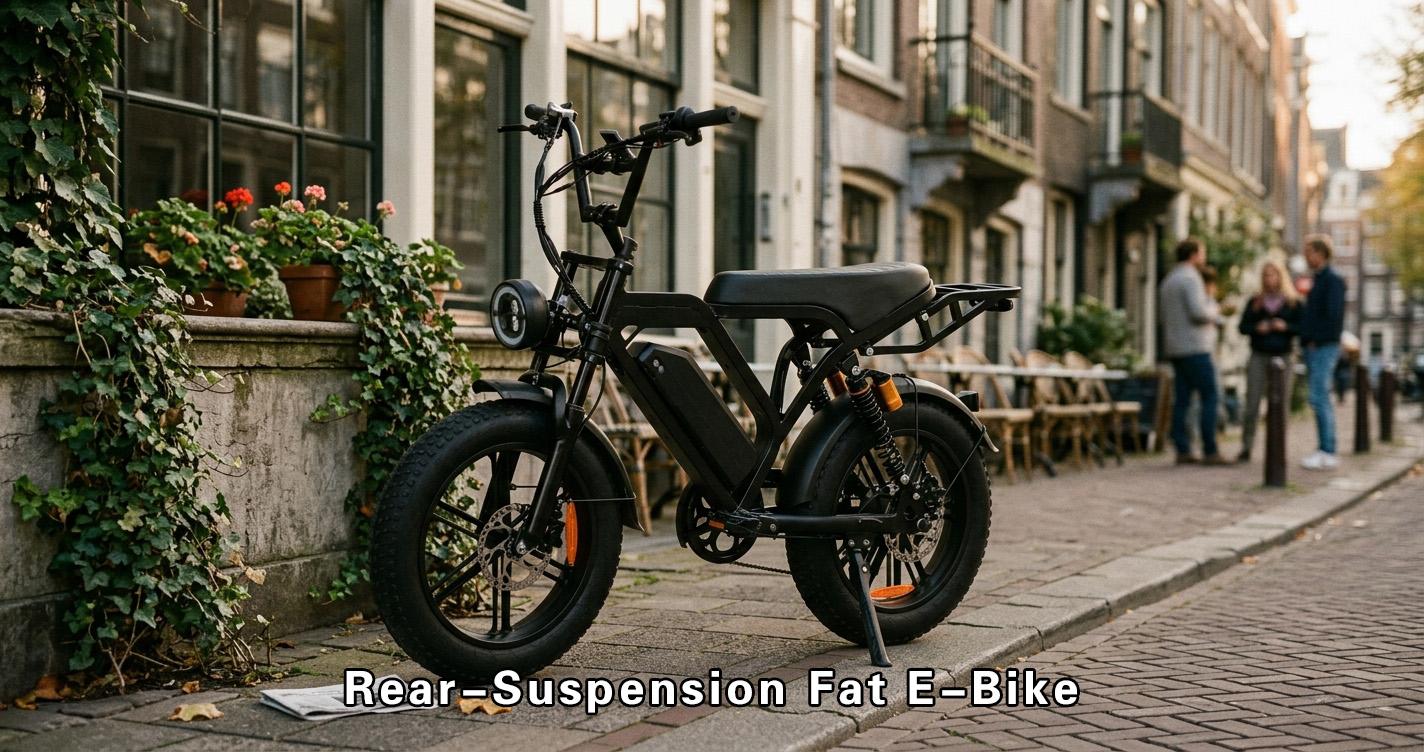
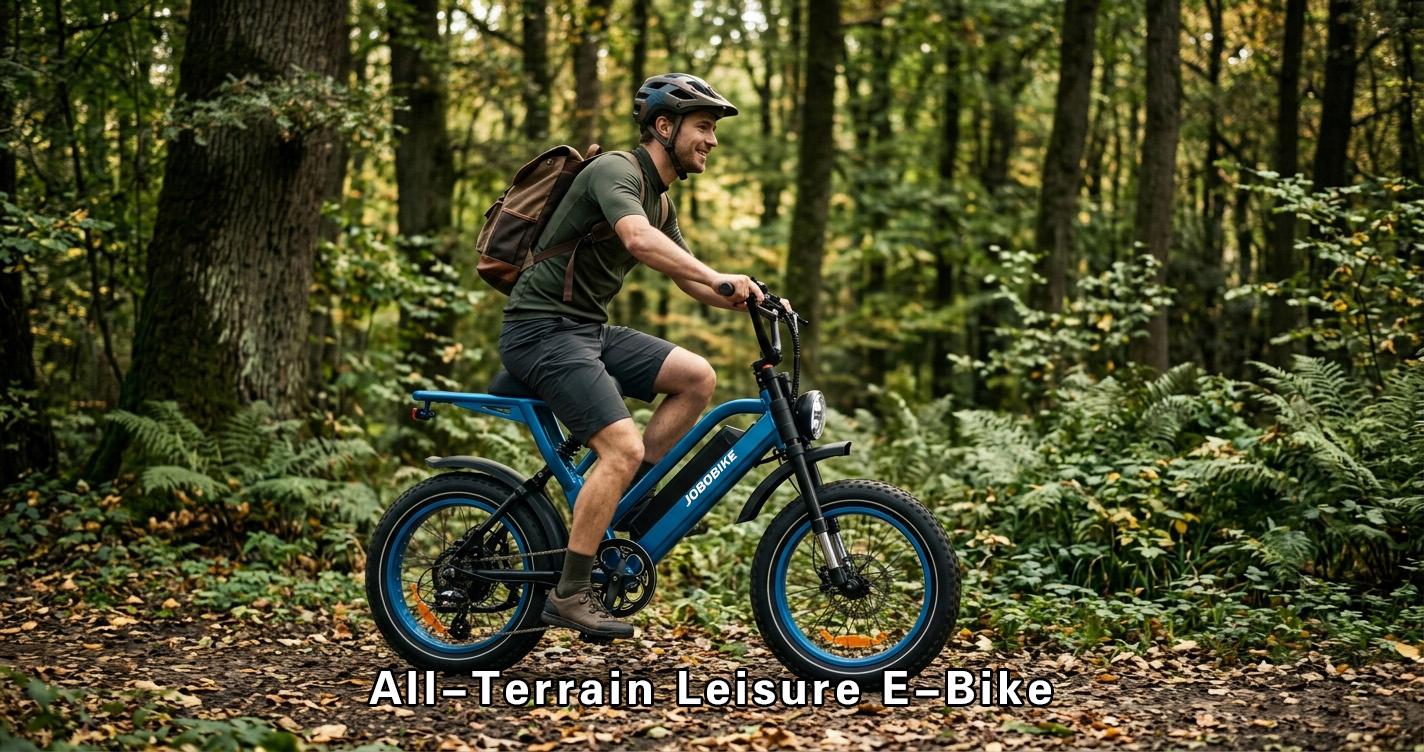
A primary point of contrast lies in the tires themselves. A standard electric bike typically has tires that are 1.5 to 2.5 inches wide, designed for efficiency on pavement or well-maintained paths. A fat tire electric mountain bike, however, boasts tires that are 3 inches wide or more. This significant increase in surface area provides unparalleled stability and traction. While a standard e-bike might struggle on loose gravel or wet leaves, a fat tire e-bike glides over sand, snow, and mud with confidence. The voluminous tires can be run at a much lower pressure, allowing them to act as natural shock absorbers, smoothing out bumpy trails and rocky terrain for a more comfortable ride compared to the rigid feel of a road-focused e-bike.

Off-the-Shelf vs. Custom Built: Tailoring Your Ride

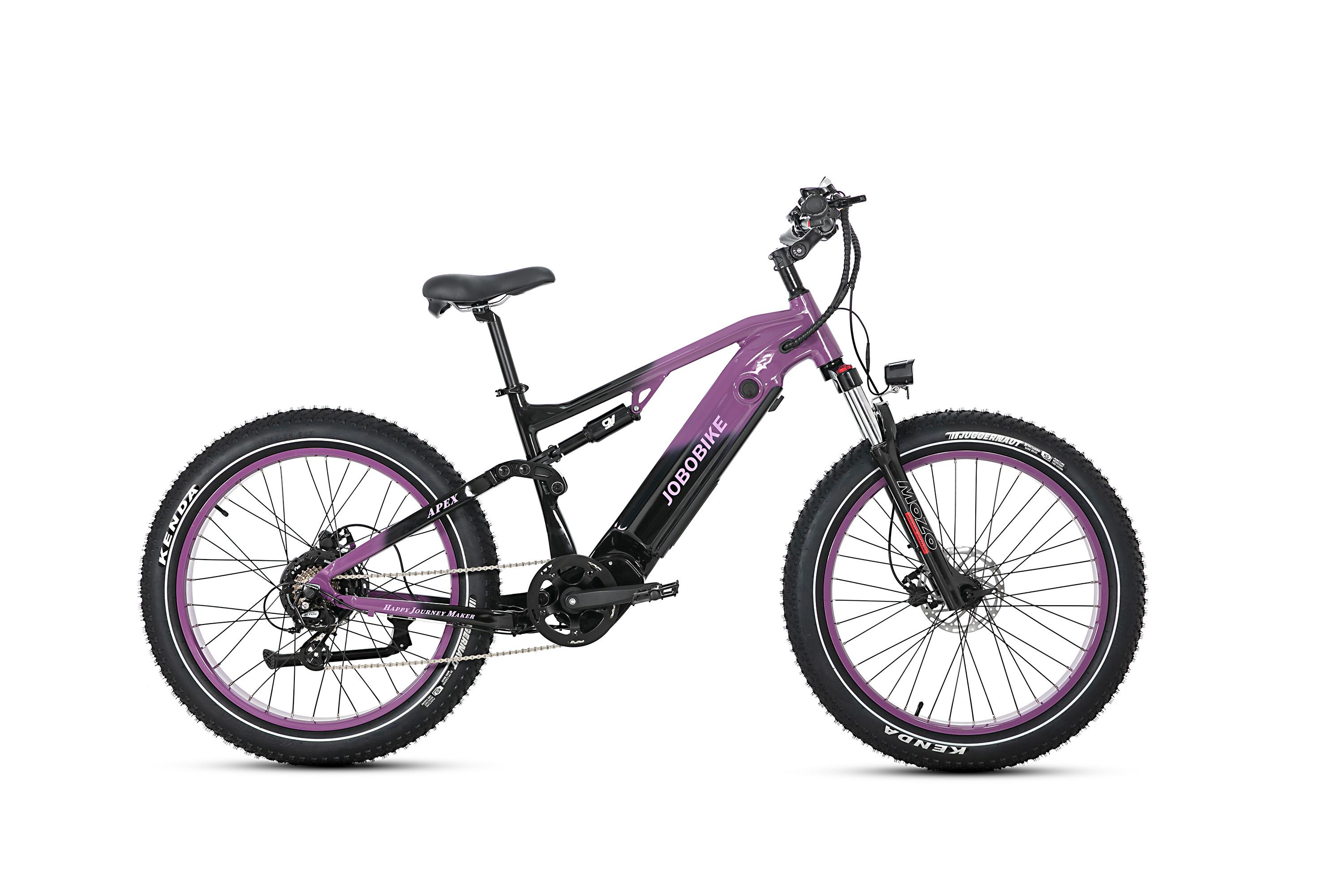
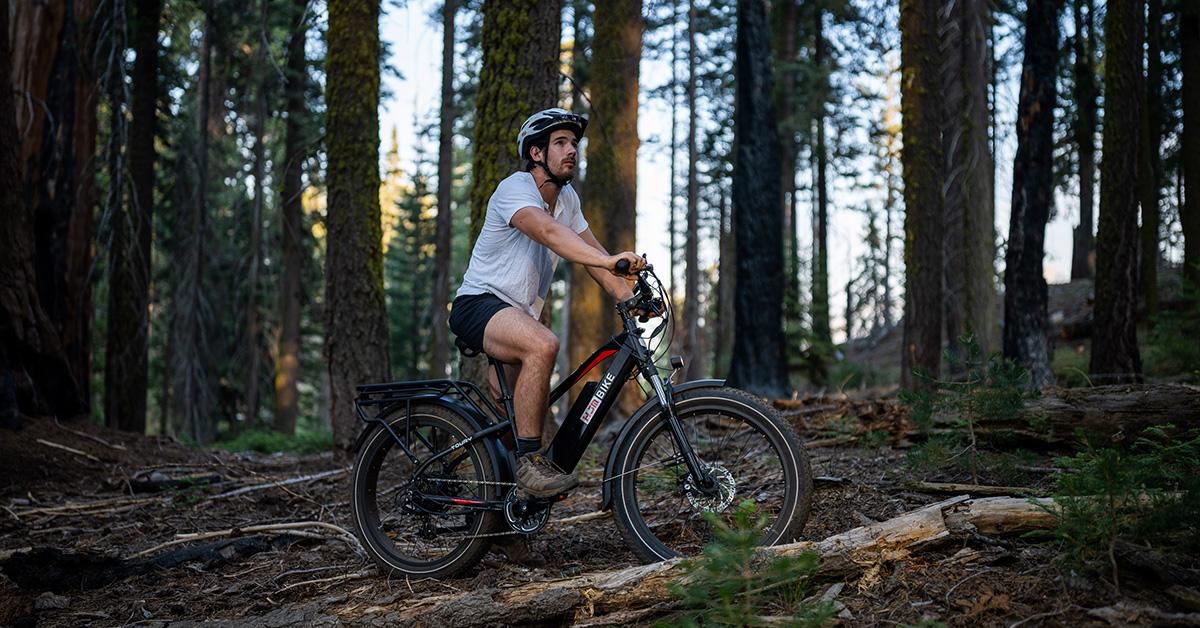
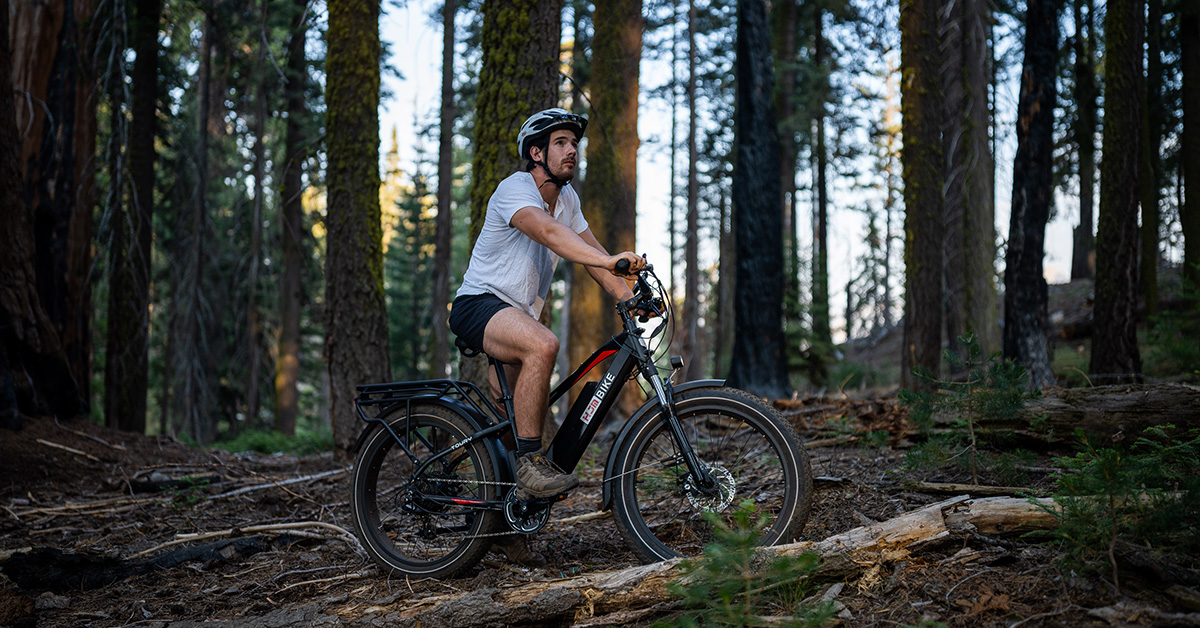
The growing popularity of these bikes has fueled a demand for personalization. While many excellent pre-built models exist, the trend of fat tire electric bike customization allows riders to create a machine perfectly suited to their needs. An off-the-shelf model, like the impressive JOBOBIKE Robin, comes expertly engineered with a robust aluminum frame, a powerful hub motor, and a long-range lithium battery. However, creating a custom fat tire electric bike allows for even deeper personalization. A rider might choose a mid-drive motor for better torque on steep climbs, a larger battery for multi-day trekking, or specific suspension components for aggressive downhill riding. This contrasts with the more limited upgrade paths available for many standard commuter e-bikes, making the fat tire platform a favorite for enthusiasts who want to build their ultimate adventure vehicle.

Choosing Your Champion: Brands and Eco-Impact

When exploring the market, you will find a wide array of fat tire electric bike brands, each with a different focus. Some, like JOBOBIKE, aim to be excellent all-rounders, balancing power, durability, and features like integrated digital displays. Others may focus purely on raw power for extreme performance or on lightweight components for better handling. In contrast to gas-guzzling ATVs or dirt bikes often used for off-roading, the eco-friendly fat tire electric bike offers a silent, zero-emission alternative. This makes it a superior choice for exploring nature without causing noise pollution or environmental damage, providing a thrill that is both exhilarating and responsible. This starkly contrasts with the environmental footprint of motorized recreational vehicles, positioning the e-bike as the future of sustainable adventure.
The Final Verdict: Why Go Wide?

Ultimately, the choice between a standard e-bike and a fat tire model comes down to intended use. For pure urban commuting on paved roads, a standard e-bike is efficient. However, for those who crave adventure, versatility, and the freedom to ride anywhere, the fat tire electric bike is the undisputed champion. It offers superior stability, an exceptionally smooth ride on rough terrain, and vast potential for customization. It represents a significant step up in capability, transforming the cycling experience from a simple commute into a boundless exploration of the world around you.

If you are interested in learning more about our fat tire electric bike solutions or exploring customization and business partnership opportunities, we welcome your inquiry. We provide detailed product specifications for individual customers and comprehensive business proposals for potential distribution partners interested in bulk ordering or wholesale arrangements. Our team is available to discuss how JOBOBIKE electric bicycles can meet your specific requirements and business objectives.

Suggested URL Slug: /fat-tire-ebike-comparison-guide

Publisher
logo
Jinhua JOBO Technology Co., Ltd2025/11/14
Blog Categories

Related Articles

How to Choose the Right Cargo Electric Bike for Urban Efficiency

How to Choose the Right Cargo Electric Bike for Urban Efficiency

1.How to Choose the Right Cargo Electric Bike for Urban Efficiency 2.Why Cargo Electric Bikes Are Transforming Urban Transportation 3.Step 1: Identify Your Primary Usage Scenario 4.Step 2: Compare Cargo Electric Bike Structural Designs 5.Step 3: Understand Payload and Durability Requirements 6.Step 4: Evaluate Motor Performance and Efficiency 7.Step 5: Consider Long-Term Maintenance and Ownership Value 8.Step 6: Choose a Reliable Cargo E-Bike Manufacturer 9.Frequently Asked Questions About Cargo Electric Bikes 10.Conclusion

Mid-Drive vs. Hub Motor: Which E-Bike Motor Is Right for You?

Mid-Drive vs. Hub Motor: Which E-Bike Motor Is Right for You?

1.What Is a Hub Motor? 2.What Is a Mid-Drive Motor? 3.Mid-Drive vs. Hub Motor: 7 Key Differences 4.Which E-Bike Motor Should You Choose? 5.Conclusion: There Is No “Best” Motor—Only the Right One 6.Frequently Asked Questions (FAQ)

How Electric Bike Frames Are Made | CNC and Automated E‑Bike Frame Manufacturing at JOBO

How Electric Bike Frames Are Made | CNC and Automated E‑Bike Frame Manufacturing at JOBO

1.How Does JOBO Manufacture High‑Quality E‑Bike Frames? 2.Tube Cutting and CNC Blanking Process 3.Tube Forming, Bending and Structural Shaping 4.Arc Milling, Slotting and Interface Preparation 5.Tube Surface Grinding and Cleaning 6.Welding Preparation and Tooling Management 7.Frame Welding and Assembly Lines 8.Frame Alignment, Calibration and Measurement 9.Aluminum Heat Treatment: T4 and T6 10.Post‑Heat Treatment Precision Machining 11.Frame Surface Finishing and Appearance Control 12.Automated Coating and Painting Process 13.Finished Frame Inspection and Quality Assurance 14.CNC‑Driven E‑Bike Frame Manufacturing at JOBO 15.FAQ: E-Bike Frame Manufacturing

Leading OEM and ODM E-Bike Manufacturer in China | JOBO

Leading OEM and ODM E-Bike Manufacturer in China | JOBO

1.Who Is JOBO and What Does the Company Specialize In? 2.What Makes JOBO’s E-Bike Factory in China Competitive? 3.How Does JOBO Ensure Stable Quality in Mass E-Bike Production? 4.Does JOBO Have a Europe-Based E-Bike Assembly Factory? 5.How Does JOBO Manufacture High-Quality E-Bike Frames? 6.Why Do Global Brands Choose JOBO as Their OEM & ODM E-Bike Partner? 7.How Does JOBO Meet EU and Global E-Bike Regulations? 8.What Advanced Manufacturing Technologies Does JOBO Use? 9.Where Can You Meet JOBO at Global E-Bike Exhibitions? 10.What Are JOBO’s Key Milestones and Industry Achievements? 11.Summary: Why JOBO Is a Reliable OEM & ODM E-Bike Manufacturer 12.OEM & ODM E-Bike Manufacturing FAQ 

How to Ensure Electric Bike Quality: Inside JOBO QC Labs

How to Ensure Electric Bike Quality: Inside JOBO QC Labs

1.How to Ensure Electric Bike Quality: Inside JOBO QC Labs 2.How Does JOBO QC Labs Ensure Electric Bike Quality? 3.What Types of Tests Are Conducted in JOBO QC Labs? 4.How Are Electric Bike Frames Tested for Strength and Durability? 5.How Are Braking Systems Validated for Urban Safety? 6.How Are Electric Bike Batteries Tested for Safety and Thermal Reliability? 7.How Is Motor Performance Measured and Verified? 8.How Are Wheels Tested for Long-Term Urban Riding? 9.How Does JOBO Simulate Environmental and Climate Conditions? 10.Why Is QC Testing Critical for European Market Compliance? 11.Why Does Advanced QC Capability Matter for OEM and Fleet Partners? 12.How JOBO QC Labs Strengthens Long-Term Manufacturing Trust

Belt Drive vs Chain Drive: Choosing the Right Electric City Bike System

Belt Drive vs Chain Drive: Choosing the Right Electric City Bike System

1.Belt Drive vs Chain Drive Electric City Bike: How to Choose the Right Urban E-Bike System 2.How Does a Belt Drive Electric City Bike Work? 3.How Does a Chain Drive Electric City Bike Work? 4.How Do Belt Drive and Chain Drive Compare for Urban Commuting? 5.How Does a Mid Motor Affect Belt Drive and Chain Drive Systems? 6.Which Drivetrain Is Better for the European Market? 7.How Do Electric City Bike Manufacturers Support Both Systems? 8.How to Choose Between Belt Drive and Chain Drive Electric City Bikes? 9.Frequently Asked Questions About Belt Drive and Chain Drive Electric City Bikes