Why Partner with an OEM E-Bike Manufacturer?

Why Partner with an OEM E-Bike Manufacturer?

The global electric bicycle market is projected to grow at a 10% annual rate, driven by demand for sustainable urban mobility. For retailers and brands, collaborating with an OEM e-bike manufacturer like JOBO offers:

  • Cost Efficiency: Bulk production reduces per-unit costs by up to 30%

  • Customization: Tailor frames, motors, batteries, and software to your brand's needs

  • Scalability: Leverage JOBO's factory expertise to meet fluctuating demand without compromising quality

Example: A European retail chain increased sales by 45% after partnering with JOBO's private label e-bike factory to develop exclusive models for urban commuters.


JOBO: Your Trusted Private Label E-Bike Factory
Technical Capabilities

  • Frame Engineering: Lightweight aluminum/6061 alloy designs for durability

  • Battery & Motor Systems: Integration of 36V-48V batteries with torque-sensing mid-drive or hub motors

  • Smart Features: Connected e-bike technology OEM services for GPS, anti-theft systems, and mobile app integration

Quality Assurance

  • International certifications (CE, UL 2849) for safety and compliance

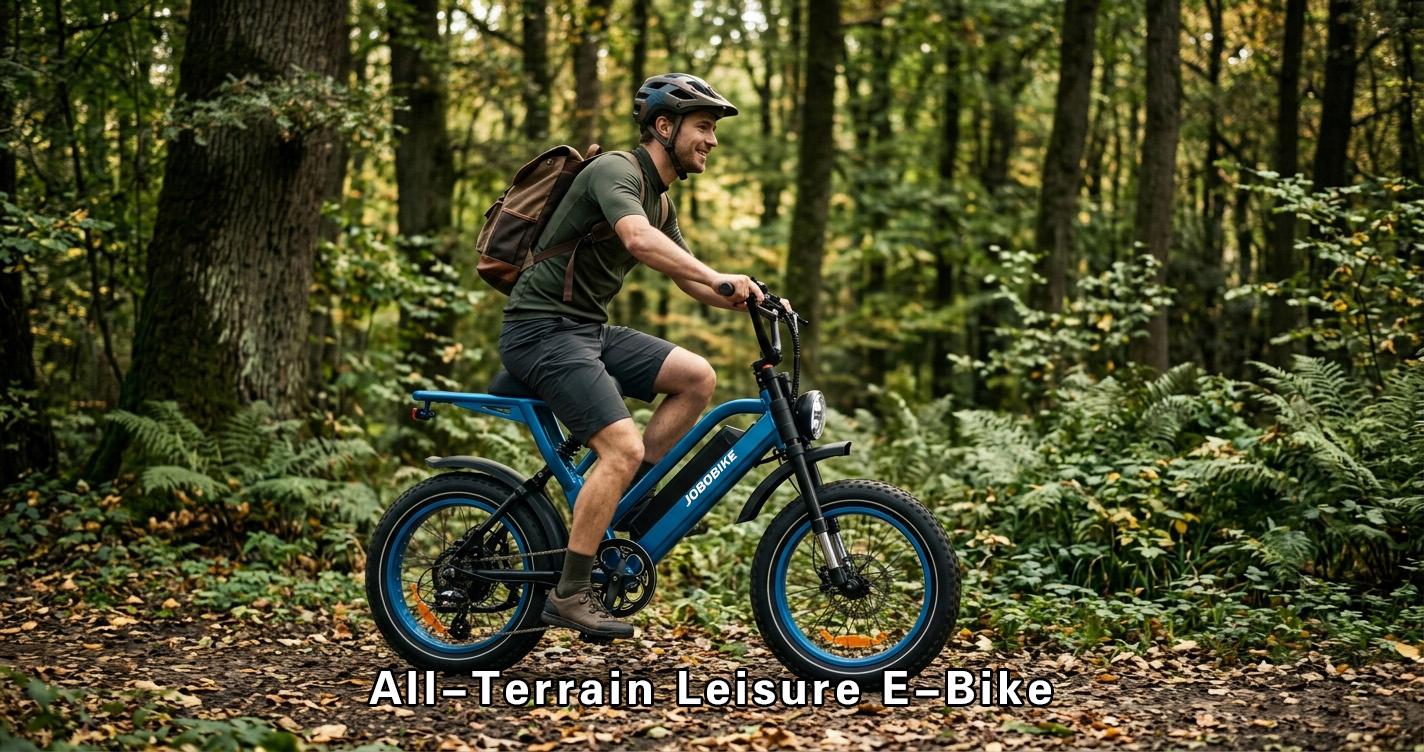
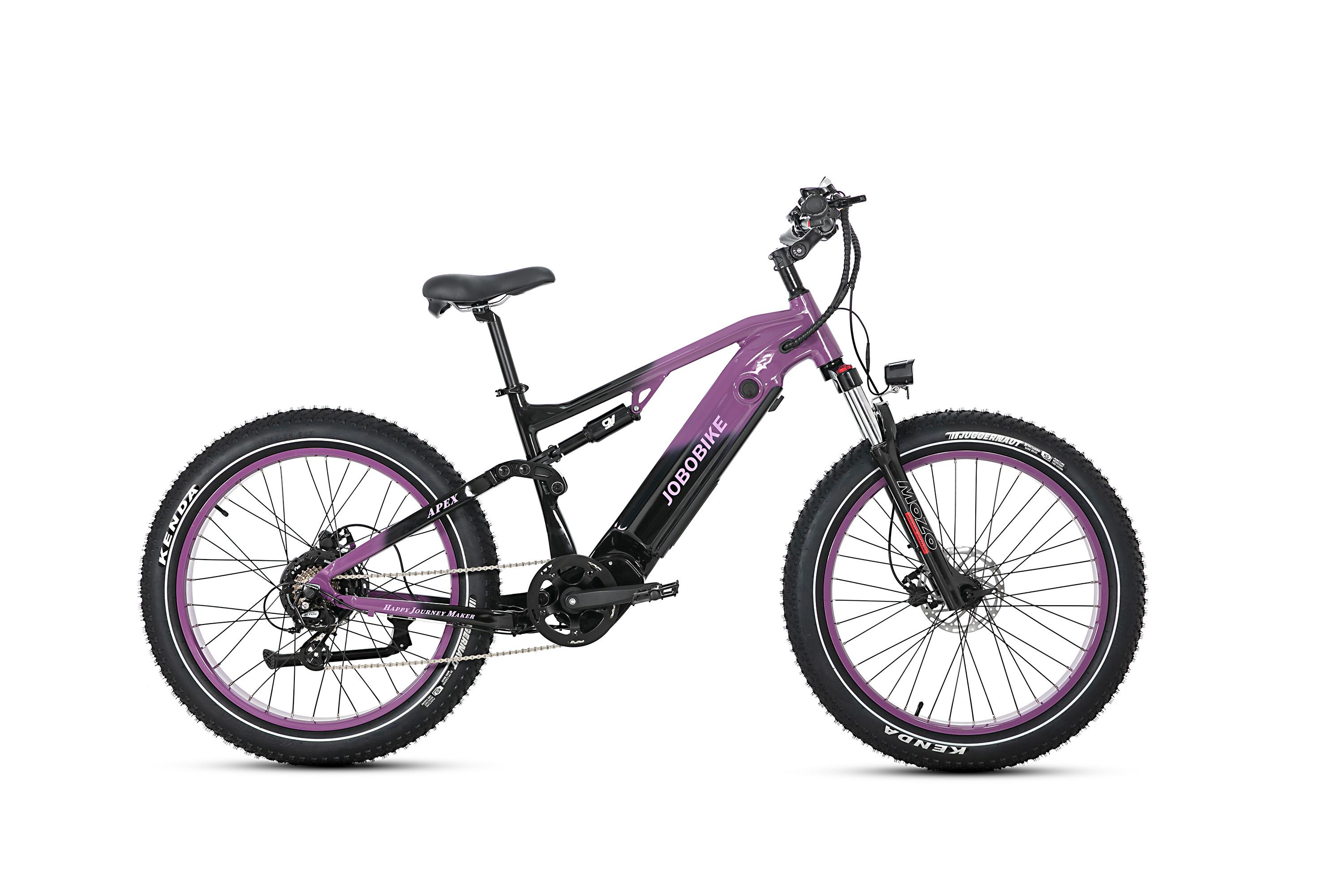
  • Rigorous stress-testing for terrain adaptability (e.g., fat tire models for snow/sand)

Customization Options

Component JOBO's Customizable Features
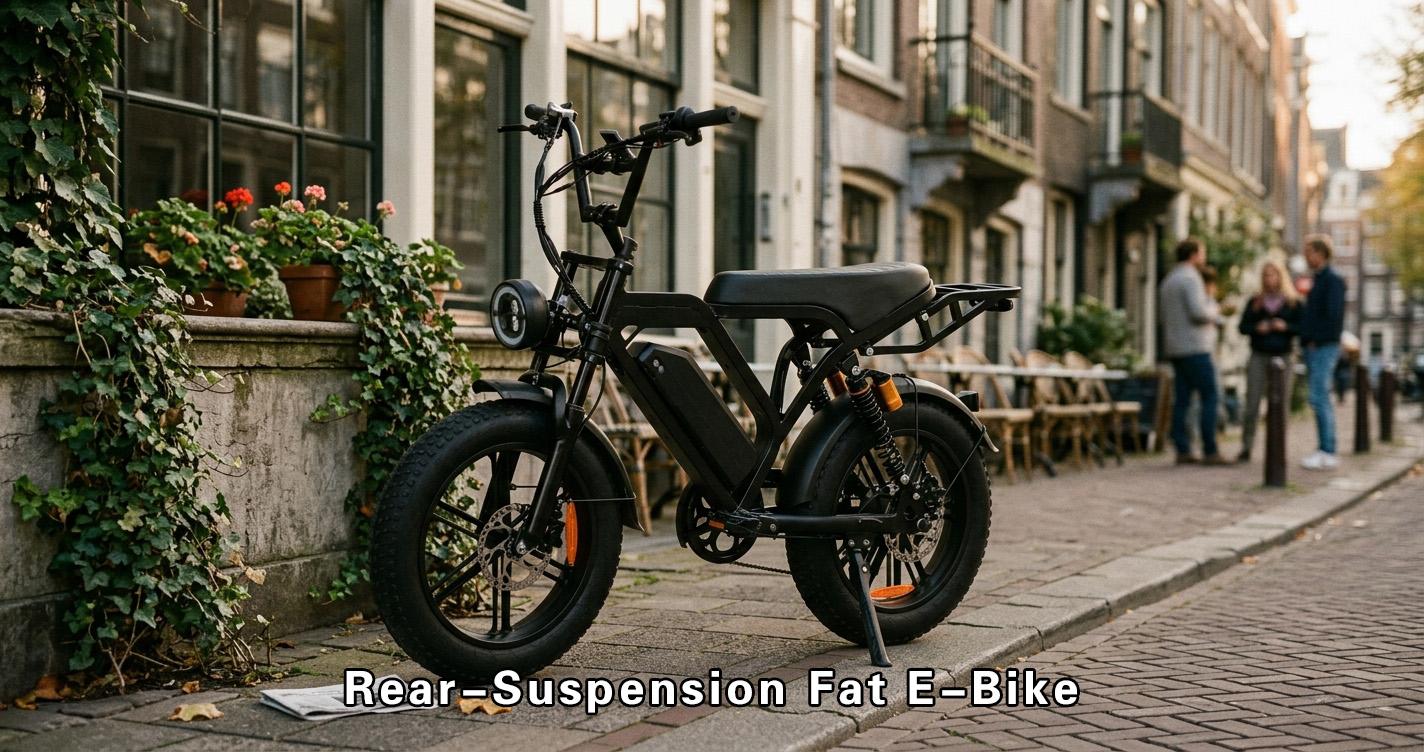
Frame Step-through, folding, or mountain geometries
Battery Capacity (10Ah-20Ah), placement (integrated/removable)
Software Pedal-assist levels, ride analytics via OEM apps

The Role of Connected E-Bike Technology in OEM Partnerships

JOBO's innovations in IoT-enabled diagnostics and over-the-air (OTA) updates are reshaping OEM collaborations:

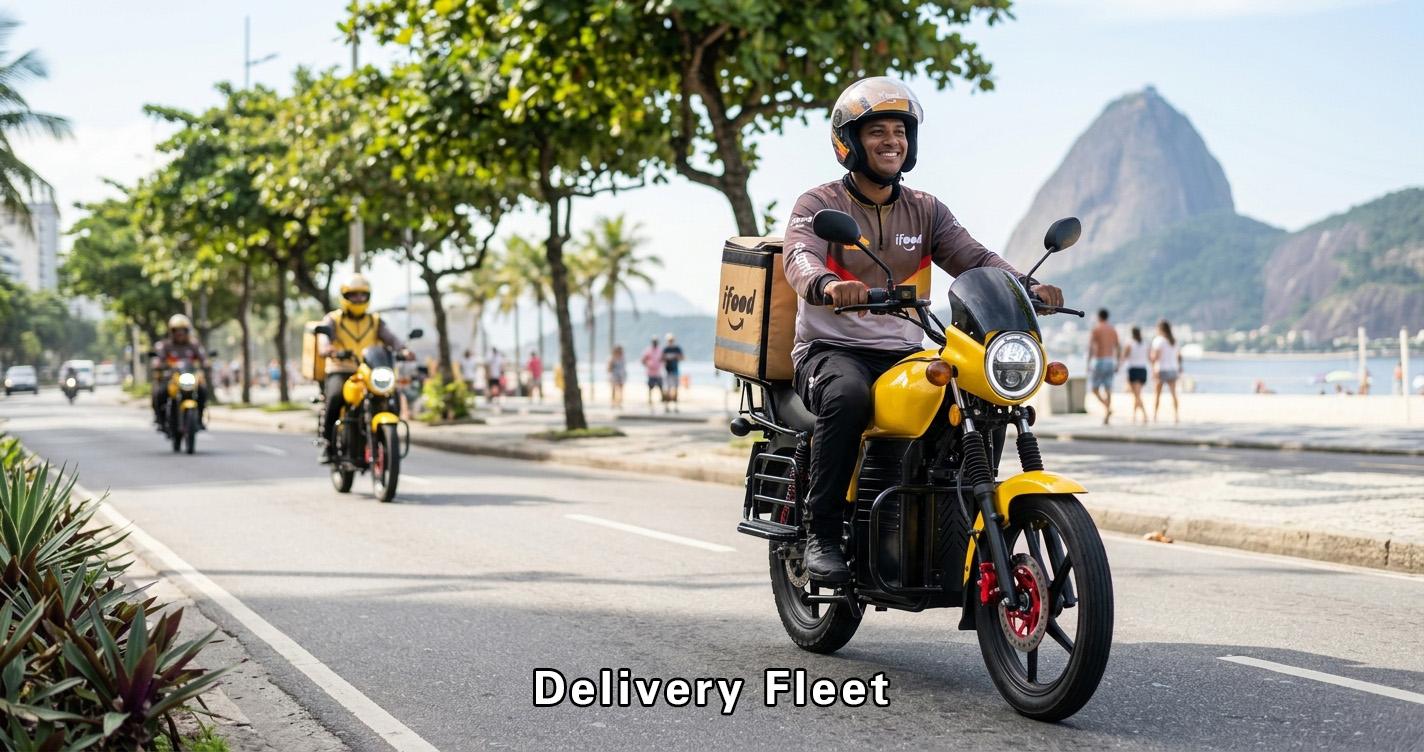
  • Real-Time Tracking: GPS modules help fleet managers monitor logistics last-mile delivery e-bikes

  • Predictive Maintenance: Sensors alert users to battery issues or part replacements

  • Brand Differentiation: Custom apps with branded interfaces enhance user loyalty

JOBO Case Study: A delivery company reduced maintenance costs by 25% using connected e-bike technology OEM solutions from JOBO's manufacturing facilities.


How to Start Your Private Label E-Bike Project with JOBO

  1. Define Requirements: Terrain use (urban/off-road), motor power (250W-750W), and battery range (50km-120km)

  2. Request Prototypes: JOBO offers 3D modeling and sample testing services

  3. Negotiate Logistics: Flexible MOQs aligned with demand, with full shipping/warehousing support


JOBO is pioneering several industry advancements:

  • Modular Designs: Swapable batteries and upgradable software

  • Sustainability: Recycled materials and carbon-neutral production

  • AI Integration: Adaptive pedal-assist based on rider behavior


Partner with JOBO - Your OEM Solution
Choosing JOBO as your OEM e-bike manufacturer and private label e-bike factory ensures your products stand out in a competitive market. From rugged fat tire models to smart city e-bikes, leverage JOBO's expertise to create bikes that reflect your brand's vision.

Explore JOBO's OEM E-Bike Solutions to start your custom project today!


URL Slug: /oem-e-bike-manufacturer-private-label-factory-connected-technology

Publisher
logo
Jinhua JOBO Technology Co., Ltd2025/10/30
Blog Categories

Related Articles

How to Choose the Right Cargo Electric Bike for Urban Efficiency

How to Choose the Right Cargo Electric Bike for Urban Efficiency

1.How to Choose the Right Cargo Electric Bike for Urban Efficiency 2.Why Cargo Electric Bikes Are Transforming Urban Transportation 3.Step 1: Identify Your Primary Usage Scenario 4.Step 2: Compare Cargo Electric Bike Structural Designs 5.Step 3: Understand Payload and Durability Requirements 6.Step 4: Evaluate Motor Performance and Efficiency 7.Step 5: Consider Long-Term Maintenance and Ownership Value 8.Step 6: Choose a Reliable Cargo E-Bike Manufacturer 9.Frequently Asked Questions About Cargo Electric Bikes 10.Conclusion

Mid-Drive vs. Hub Motor: Which E-Bike Motor Is Right for You?

Mid-Drive vs. Hub Motor: Which E-Bike Motor Is Right for You?

1.What Is a Hub Motor? 2.What Is a Mid-Drive Motor? 3.Mid-Drive vs. Hub Motor: 7 Key Differences 4.Which E-Bike Motor Should You Choose? 5.Conclusion: There Is No “Best” Motor—Only the Right One 6.Frequently Asked Questions (FAQ)

How Electric Bike Frames Are Made | CNC and Automated E‑Bike Frame Manufacturing at JOBO

How Electric Bike Frames Are Made | CNC and Automated E‑Bike Frame Manufacturing at JOBO

1.How Does JOBO Manufacture High‑Quality E‑Bike Frames? 2.Tube Cutting and CNC Blanking Process 3.Tube Forming, Bending and Structural Shaping 4.Arc Milling, Slotting and Interface Preparation 5.Tube Surface Grinding and Cleaning 6.Welding Preparation and Tooling Management 7.Frame Welding and Assembly Lines 8.Frame Alignment, Calibration and Measurement 9.Aluminum Heat Treatment: T4 and T6 10.Post‑Heat Treatment Precision Machining 11.Frame Surface Finishing and Appearance Control 12.Automated Coating and Painting Process 13.Finished Frame Inspection and Quality Assurance 14.CNC‑Driven E‑Bike Frame Manufacturing at JOBO 15.FAQ: E-Bike Frame Manufacturing

Leading OEM and ODM E-Bike Manufacturer in China | JOBO

Leading OEM and ODM E-Bike Manufacturer in China | JOBO

1.Who Is JOBO and What Does the Company Specialize In? 2.What Makes JOBO’s E-Bike Factory in China Competitive? 3.How Does JOBO Ensure Stable Quality in Mass E-Bike Production? 4.Does JOBO Have a Europe-Based E-Bike Assembly Factory? 5.How Does JOBO Manufacture High-Quality E-Bike Frames? 6.Why Do Global Brands Choose JOBO as Their OEM & ODM E-Bike Partner? 7.How Does JOBO Meet EU and Global E-Bike Regulations? 8.What Advanced Manufacturing Technologies Does JOBO Use? 9.Where Can You Meet JOBO at Global E-Bike Exhibitions? 10.What Are JOBO’s Key Milestones and Industry Achievements? 11.Summary: Why JOBO Is a Reliable OEM & ODM E-Bike Manufacturer 12.OEM & ODM E-Bike Manufacturing FAQ 

How to Ensure Electric Bike Quality: Inside JOBO QC Labs

How to Ensure Electric Bike Quality: Inside JOBO QC Labs

1.How to Ensure Electric Bike Quality: Inside JOBO QC Labs 2.How Does JOBO QC Labs Ensure Electric Bike Quality? 3.What Types of Tests Are Conducted in JOBO QC Labs? 4.How Are Electric Bike Frames Tested for Strength and Durability? 5.How Are Braking Systems Validated for Urban Safety? 6.How Are Electric Bike Batteries Tested for Safety and Thermal Reliability? 7.How Is Motor Performance Measured and Verified? 8.How Are Wheels Tested for Long-Term Urban Riding? 9.How Does JOBO Simulate Environmental and Climate Conditions? 10.Why Is QC Testing Critical for European Market Compliance? 11.Why Does Advanced QC Capability Matter for OEM and Fleet Partners? 12.How JOBO QC Labs Strengthens Long-Term Manufacturing Trust

Belt Drive vs Chain Drive: Choosing the Right Electric City Bike System

Belt Drive vs Chain Drive: Choosing the Right Electric City Bike System

1.Belt Drive vs Chain Drive Electric City Bike: How to Choose the Right Urban E-Bike System 2.How Does a Belt Drive Electric City Bike Work? 3.How Does a Chain Drive Electric City Bike Work? 4.How Do Belt Drive and Chain Drive Compare for Urban Commuting? 5.How Does a Mid Motor Affect Belt Drive and Chain Drive Systems? 6.Which Drivetrain Is Better for the European Market? 7.How Do Electric City Bike Manufacturers Support Both Systems? 8.How to Choose Between Belt Drive and Chain Drive Electric City Bikes? 9.Frequently Asked Questions About Belt Drive and Chain Drive Electric City Bikes