How City Ebike Manufacturers Are Adapting to Smart Mobility Infrastructure

How City Ebike Manufacturers Are Adapting to Smart Mobility Infrastructure

smart city e-bike | jobo

How City Ebike Manufacturers Are Adapting to Smart Mobility Infrastructure

Urban mobility is going smart—and fast.

From app-based bike-sharing systems to traffic-integrated charging stations and geofencing lanes, cities around the world are upgrading the way people move. But this revolution isn’t only about infrastructure—it’s about the hardware that rides on it.

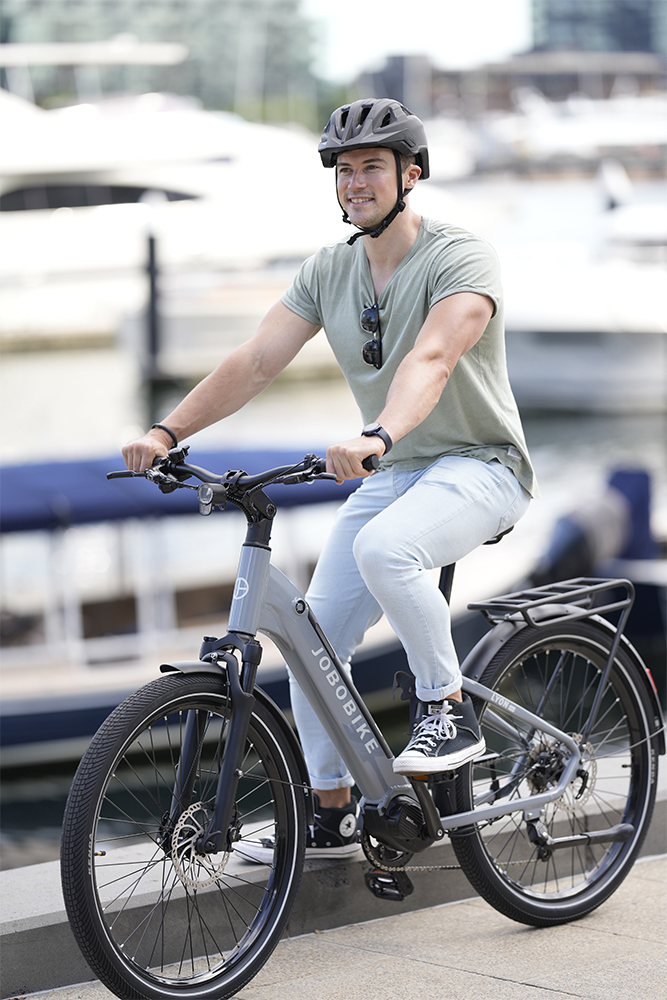
City e-bike manufacturers now face a new standard: produce bikes that integrate, communicate, and adapt. At Jobo, we’ve embraced this shift as an opportunity to build smarter, more cooperative urban e-bike platforms for our OEM clients.

What Smart Mobility Infrastructure Really Demands

Cities today are investing in:

  • Dockless sharing platforms with GPS enforcement

  • Sensor-equipped bike lanes that track traffic flow

  • Fleet integration with municipal APIs

  • Geofencing and speed control in pedestrian-heavy zones

  • Bike traffic signals and intelligent crosswalks

This means an urban e-bike isn’t just a bike—it’s part of a network. Manufacturers need to design for digital compatibility, real-time responsiveness, and regulatory alignment.

How Jobo Builds E-Bikes That Work With Smart Cities

1. IoT Integration & Sensor Ports

Every Jobo city e-bike platform now supports:

  • GPS modules with optional 4G/LTE SIM slot

  • CAN bus support for multi-sensor connections

  • BLE integration for smartphone control apps

  • Remote diagnostics via embedded controllers

This allows fleet clients to launch fully connected bikes ready for API plug-ins, remote locking, and usage tracking from day one.

2. Geofencing + Speed Limit Support

With more cities enforcing speed zones, especially around schools or pedestrian areas, we’ve enabled:

  • Assist speed configuration by location profile

  • Firmware-updatable controllers for dynamic speed control

  • Alert-based response to entry/exit of geofenced zones

These features help Jobo ebike fleet partners comply with local restrictions without hardware swaps.

3. City-Compliant Design Elements

Smart cities also mean safer, more standardized bikes:

  • Integrated LED lighting with daylight sensors

  • ISO-standard reflectors + license mount points

  • Cable routing designed for lock and ID visibility

  • Frame-tagging support for NFC or RFID badges

These aren’t just features—they’re enablers of frictionless approval from city contracts and tenders.

4. Back-End Compatibility for Fleet Ops

Beyond the hardware, our OEM system supports backend needs:

  • Open API data streaming from controller to client dashboard

  • Battery telemetry sharing for swap station logic

  • Maintenance alert integration

  • Over-the-air (OTA) firmware update channels

Jobo’s OEM city e-bikes become infrastructure participants, not isolated units.

FAQ: What Brands Ask About Smart Integration

Q1: Can Jobo e-bikes connect with third-party fleet systems?
Yes. Our controller and firmware teams work with clients to match data formats, security protocols, and locking/diagnostics APIs.

Q2: Do your GPS modules support SIM-free operation?
We offer both SIM-based (4G/LTE) and BLE-only GPS configurations depending on whether the fleet uses cloud or local device logic.

Q3: How fast can a smart-ready fleet be launched?
Typical OEM production cycles with IoT modules, geofencing firmware, and basic API support range from 10–14 weeks, including validation.

Smart Bikes for Smarter Cities

The next wave of city bikes isn’t about pedals or paint—it’s about how bikes interact with the environment, the platform, and the rider.

With Jobo’s OEM city e-bike systems, your brand gets:

  • Built-in IoT architecture

  • Firmware built for integration

  • City-compliant specs

  • Scalable production with OTA support

Explore smart-ready Jobo city e-bike platforms
Talk to our OEM tech team to spec out your smart fleet infrastructure.
Publisher
logo
Jinhua JOBO Technology Co., Ltd2025/09/09
Blog Categories

Tag:

    Share On

    Related Articles

    City Electric Bike Manufacturer: What Makes Urban E-Bikes Reliable for Daily Commuting

    City Electric Bike Manufacturer: What Makes Urban E-Bikes Reliable for Daily Commuting

    1.City electric bikes must balance comfort, battery reliability, frame stability, and daily commuting performance. 2.Choosing the right city electric bike manufacturer helps brands reduce quality risks and improve long-term market trust. 3.This article explains what buyers should evaluate when sourcing OEM urban e-bikes for retail, fleet, or private-label projects.

    What's the Real Point of JOBO Shared E-Bikes?

    What's the Real Point of JOBO Shared E-Bikes?

    1. Scenic Leisure Touring: Enjoy the Park Without the Burn 2. Urban Transit Connector: Fixing the "Last Mile" After the Tube or Métro 3. Campus & Park Commuter: Making It to Lecture on Time 4. Neighborhood Errand Runner: The 2-Kilometre Lifestyle Radius 5. Urban Micro-Sightseeing: See the City Without the Tour Bus 6. Daily Urban Commuter: The 4-Kilometre Sweet Spot 7. Resort & Hotel Mobility: Get Around Without Leaving the Property 8. So What's the Real Point of JOBO in European Cities? 9. FAQ: JOBO Shared E-Bikes in European Cities

    High Power Electric Mountain Bike Manufacturer: Engineering Trails and Performance

    High Power Electric Mountain Bike Manufacturer: Engineering Trails and Performance

    1.High power electric mountain bikes demand precise engineering to handle extreme terrain, torque delivery, and rider control. 2.Choosing the right high power electric mountain bike manufacturer ensures long-term reliability, OEM customization, and certified production. Key considerations include rugged frame geometry, battery integration, suspension optimization, and scalable OEM production. This article explains how professional manufacturers support off-road e-MTB brands from prototype to full production. Learn how the right manufacturing partner enables brands to deliver high-performance e-MTBs that withstand real off-road challenges.

    Electric Mountain Bike OEM: What Brands Should Expect From a Real Manufacturing Partner

    Electric Mountain Bike OEM: What Brands Should Expect From a Real Manufacturing Partner

    1.Electric mountain bikes require far more than powerful motors — true OEM quality depends on frame engineering, suspension integration, and long-term off-road durability. 2.Choosing the right electric mountain bike OEM partner directly impacts product reliability, rider experience, and brand reputation in competitive markets. 3.Key factors include torque optimization, rugged frame manufacturing, waterproof battery integration, and scalable OEM production capability. 4.This article explains how professional OEM factories support performance-focused mountain e-bike brands from prototype development to mass production. 5.Learn what separates a true electric mountain bike OEM manufacturer from assembly-only suppliers in the growing off-road e-bike market.

    Off Road Electric Bike Supplier: Built for Tough Terrain and Real Performance

    Off Road Electric Bike Supplier: Built for Tough Terrain and Real Performance

    1.Off-road electric bikes are rapidly growing in outdoor sports, adventure tourism, and high-performance mobility markets. 2.Choosing the right off road electric bike supplier directly impacts durability, climbing power, suspension quality, and rider confidence. 3.Key factors include rugged frame engineering, motor torque, waterproof protection, and scalable OEM production capability. 4.This article explains what distributors and brands should evaluate when sourcing off-road electric bikes for retail or private-label projects. 5.Learn how professional manufacturing improves trail performance, reliability, and long-term business scalability.

    Electric Mountain Bicycle Factory: Manufacturing Performance for Real Off-Road Riding

    Electric Mountain Bicycle Factory: Manufacturing Performance for Real Off-Road Riding

    1.Electric mountain bicycles are becoming a fast-growing category in outdoor sports, adventure mobility, and premium cycling markets. 2.Choosing the right electric mountain bicycle factory directly affects frame durability, motor performance, suspension quality, and long-term product reliability. 3.Key factors include off-road frame engineering, battery integration, climbing torque, and scalable OEM production capability. 4.This article explains what distributors and OEM buyers should evaluate when sourcing electric mountain bicycles for retail or private-label projects. 5.Learn how a professional factory supports real trail performance and long-term business growth.