Why Dual Battery E-Bikes Are Becoming Essential for Long-Distance and High-Demand Riders
Addressing the Limitations of Single-Battery Systems
As e-bike usage expands beyond short commutes, the dual battery e-bike offers a solution for riders needing stable power across long distances, steep terrain, or full-day commercial use.
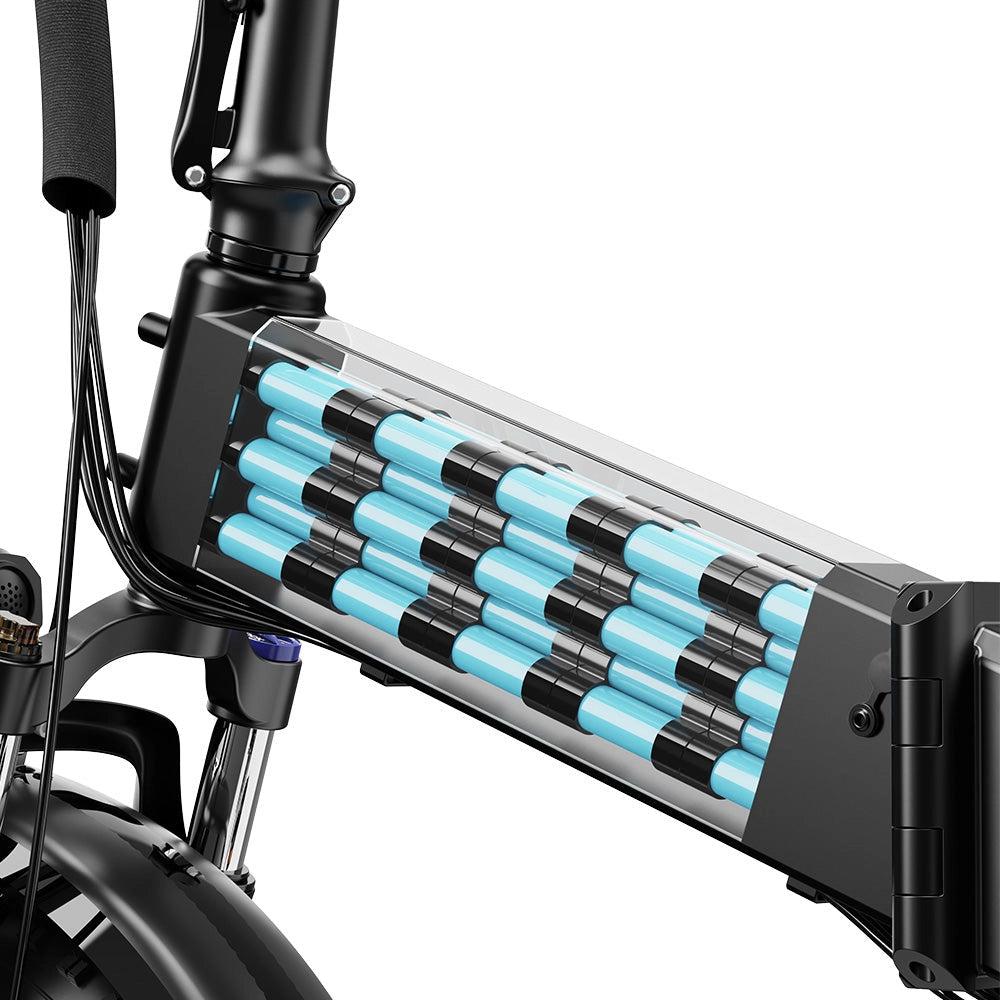
Two batteries connected in parallel or sequential configuration allow the bike to maintain consistent voltage, reduce range anxiety, and minimize stress on each individual pack. This results in more predictable performance, especially under heavy load or continuous uphill riding.
How Dual-Battery Architecture Works
A dual battery e-bike typically uses one of two power management strategies:
1. Parallel Connection
-
Both batteries discharge simultaneously
-
Lower current draw per pack
-
Improved thermal stability
-
Smoother voltage curve
2. Sequential Switching
-
The bike uses one battery until a set threshold
-
Automatically switches to the second pack
-
Simplifies charge tracking and maintenance
Key engineering elements include:
-
High-current wiring to handle larger energy flow
-
Battery Management System (BMS) coordination to balance discharge
-
Thermal protection for sustained power output
-
Secure frame integration for added weight
These systems ensure that dual packs work safely and efficiently in real-world scenarios.
Performance Advantages of Dual Battery E-Bikes
| Feature | Dual Battery E-Bike | Single Battery E-Bike |
|---|---|---|
| Range | 100–180+ km | 40–70 km |
| Thermal Load | Lower per battery | Higher on single pack |
| Power Stability | Strong and consistent | Drops as battery drains |
| Best For | Long commutes, touring, delivery | Short city rides |
This demonstrates why dual-battery setups are ideal for high-demand riders and commercial fleets needing consistent daily operation.
Manufacturing Insight from JOBO ebike
At JOBO ebike, dual battery development prioritizes energy efficiency, heat management, and secure mounting structures.
Testing includes simulated long-distance riding, sustained hill climbs, and high-temperature load conditions to ensure stable discharge behavior.
Both electrical pathways and BMS coordination are validated to avoid imbalance between the two packs, while modular installation allows for straightforward replacement when necessary.
Recommended Configurations Based on Use Cases
1. Long-Distance Commuters
-
Dual 48V packs
-
Efficient hub motor
-
Semi-integrated battery design
Suitable for riders traveling 30–60 km daily.
2. Off-Road Touring and Mountain Routes
-
Higher capacity (17Ah–20Ah per pack)
-
Mid-drive motor for torque efficiency
-
Reinforced frame structure
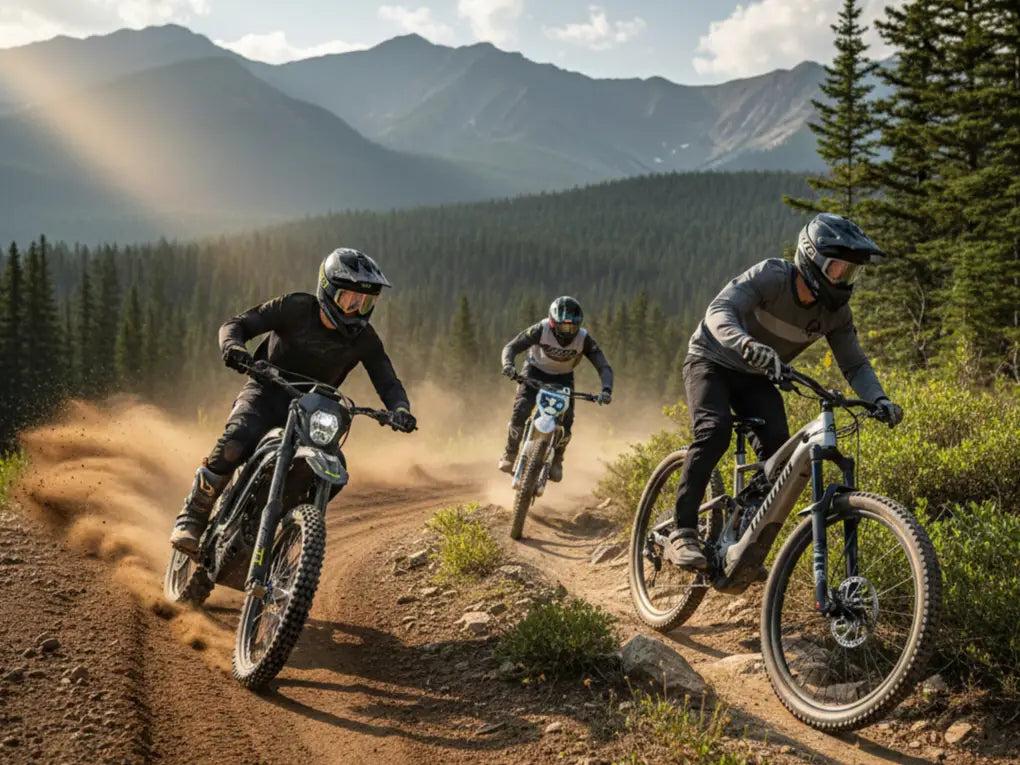
Ideal for elevation changes and rough terrain.
3. Cargo and Delivery Operators
-
Parallel discharge for continuous torque
-
Quick-swap design for minimal downtime
-
High-efficiency controller tuning
Designed for long working hours and repeated stops.
4. Rural Commuting or Poor Infrastructure Areas
-
Large combined capacity
-
Wide tires and hydraulic brakes
-
Sturdy battery mounts
Good for regions with longer travel distances.
What Buyers Should Check Before Purchasing
| Common Issue | Why It Matters | Recommendation |
|---|---|---|
| Unbalanced discharge rates | Causes early wear on one pack | Ensure BMS-coordinated balancing |
| Overheating during long climbs | Reduces battery lifespan | Choose systems with strong thermal pathways |
| Weak battery mounting | Risk of vibration damage | Look for reinforced frame brackets |
| Incorrect wiring capacity | Can cause voltage drop | Use high-current cables only |
| Poorly tuned controller | Increases consumption | Confirm optimized energy management |
| Excessive weight | Affects handling | Verify frame designed for dual-pack integration |
| Limited spare battery options | Reduces long-term usability | Confirm available replacement packs |
Frequently Asked Questions
Q1: How much range can a dual battery system provide?
Typically 100–180 km, depending on terrain, speed, and load.
Q2: Does using two batteries make the bike harder to handle?
Not if the batteries are integrated properly. Balanced placement maintains stable riding behavior.
Q3: Can dual battery systems be used with both hub and mid-drive motors?
Yes. Both motor types can support dual-battery configurations with the correct controller setup.
Extending Possibilities for Modern E-Bike Users
As commuting distance, delivery demand, and recreational riding expand, the dual battery e-bike has become a practical solution for riders needing reliability and extended performance. At JOBO ebike, we continue refining energy distribution, thermal design, and frame integration to support brands entering the long-range segment.
For more technical insights or OEM customization discussion, visit our homepage or reach out through the contact page.