Dual Motor Off-Road E-Bikes: All-Terrain Power with Precision Control
Power Distributed, Not Wasted
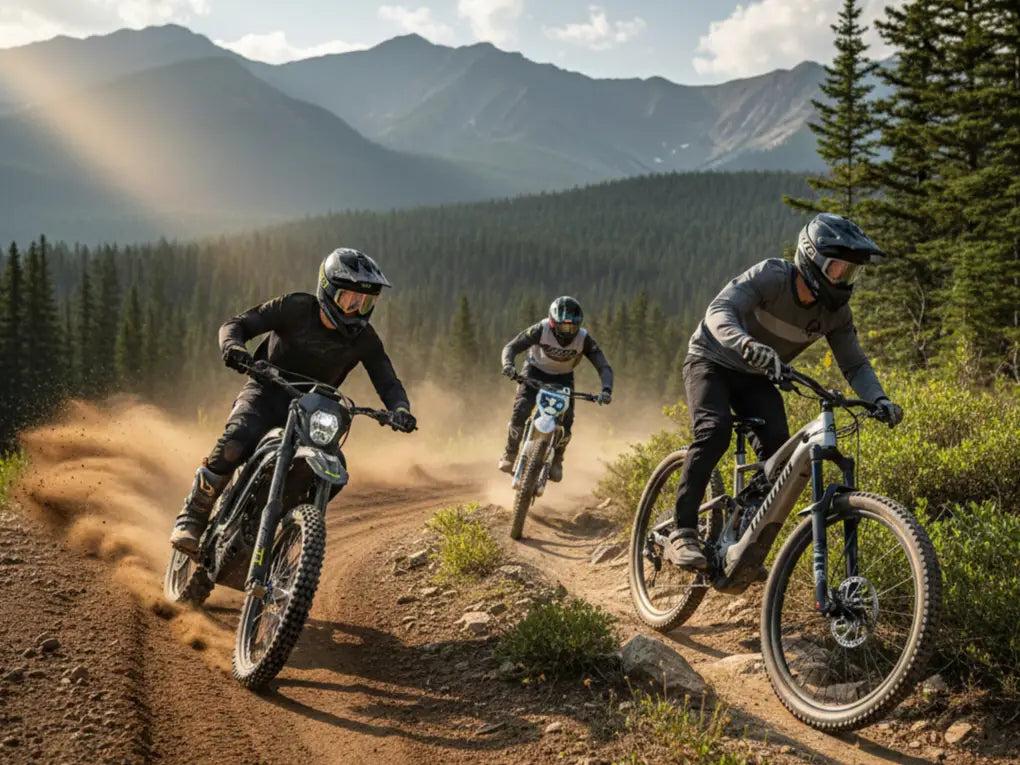
In challenging terrains, torque and traction define performance. The dual motor off-road e-bike combines both — synchronizing front and rear motors for efficient power distribution and real-time control.
This setup provides improved grip on slippery surfaces, better balance during climbs, and consistent acceleration under load, making it ideal for off-road riders, delivery fleets, and OEMs targeting premium mobility markets.
Engineering the Dual Motor System
A dual motor configuration requires exact synchronization between both drives. Engineers focus on:
-
Front + rear hub or mid-drive + hub combinations for adaptive traction
-
Independent torque sensors for instant feedback and power allocation
-
Smart controller algorithms to balance front–rear torque dynamically
-
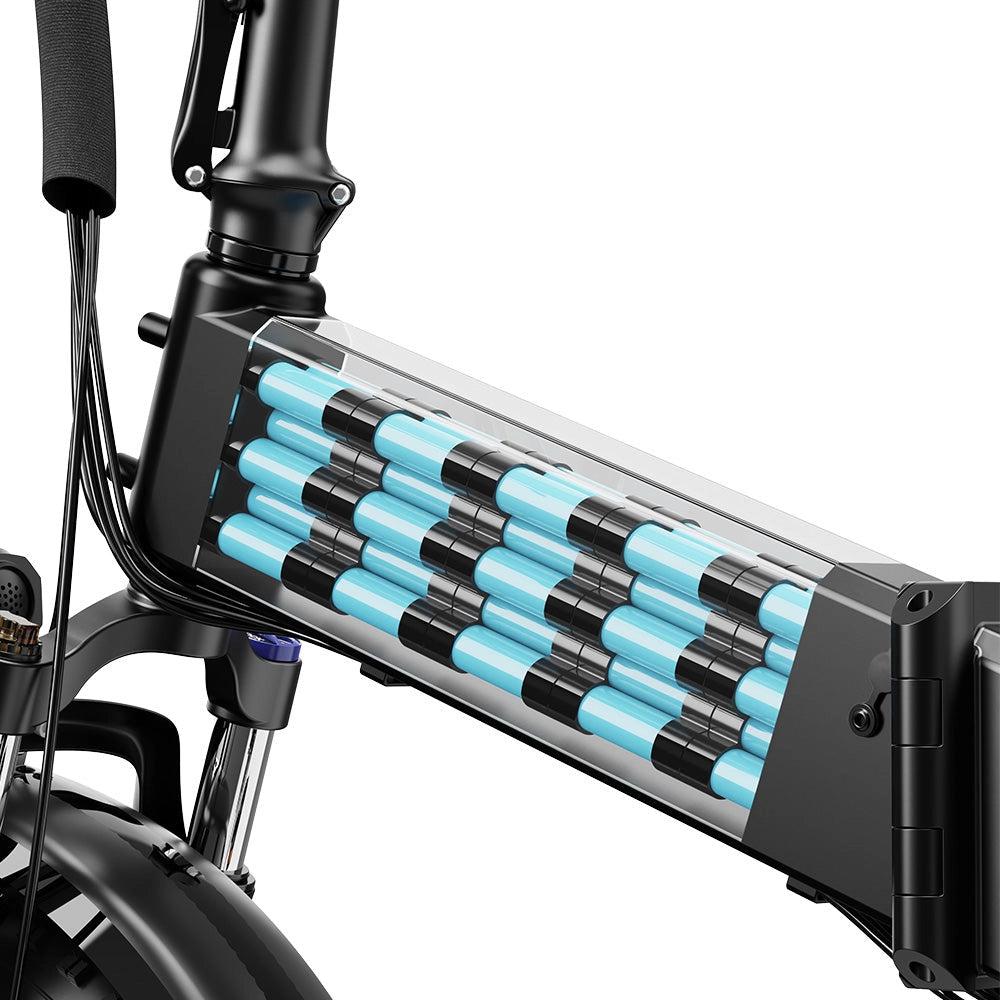
Integrated dual BMS ensuring stable current distribution
-
Heat-dissipation frames preventing overload on continuous climbs
When combined with a dual battery system, these setups can exceed 150 km of off-road range without compromising torque or responsiveness.
Performance Comparison
| Feature | Single Motor E-Bike | Dual Motor Off-Road E-Bike |
|---|---|---|
| Torque Output | 60–90 Nm | 120–160 Nm combined |
| Traction | Rear only | All-wheel traction |
| Acceleration | Moderate | Instant, balanced launch |
| Climbing Capability | Up to 25° slopes | Up to 35° slopes |
| Stability | Lower on loose terrain | Enhanced with dual drive |
| Energy Efficiency | Standard | 10–15% more efficient via load sharing |
The difference is most noticeable on gravel, snow, and mountain trails, where both wheels need constant torque regulation.
Manufacturing Insight from JOBO ebike
At JOBO ebike, we engineer dual motor off-road platforms with a focus on control and durability.
Our systems combine independent controllers, AI-based power management, and smart battery switching to maintain output consistency during long climbs or rugged rides.
We test every prototype through terrain simulation, vibration fatigue, and temperature endurance, ensuring reliability across climates and load conditions.
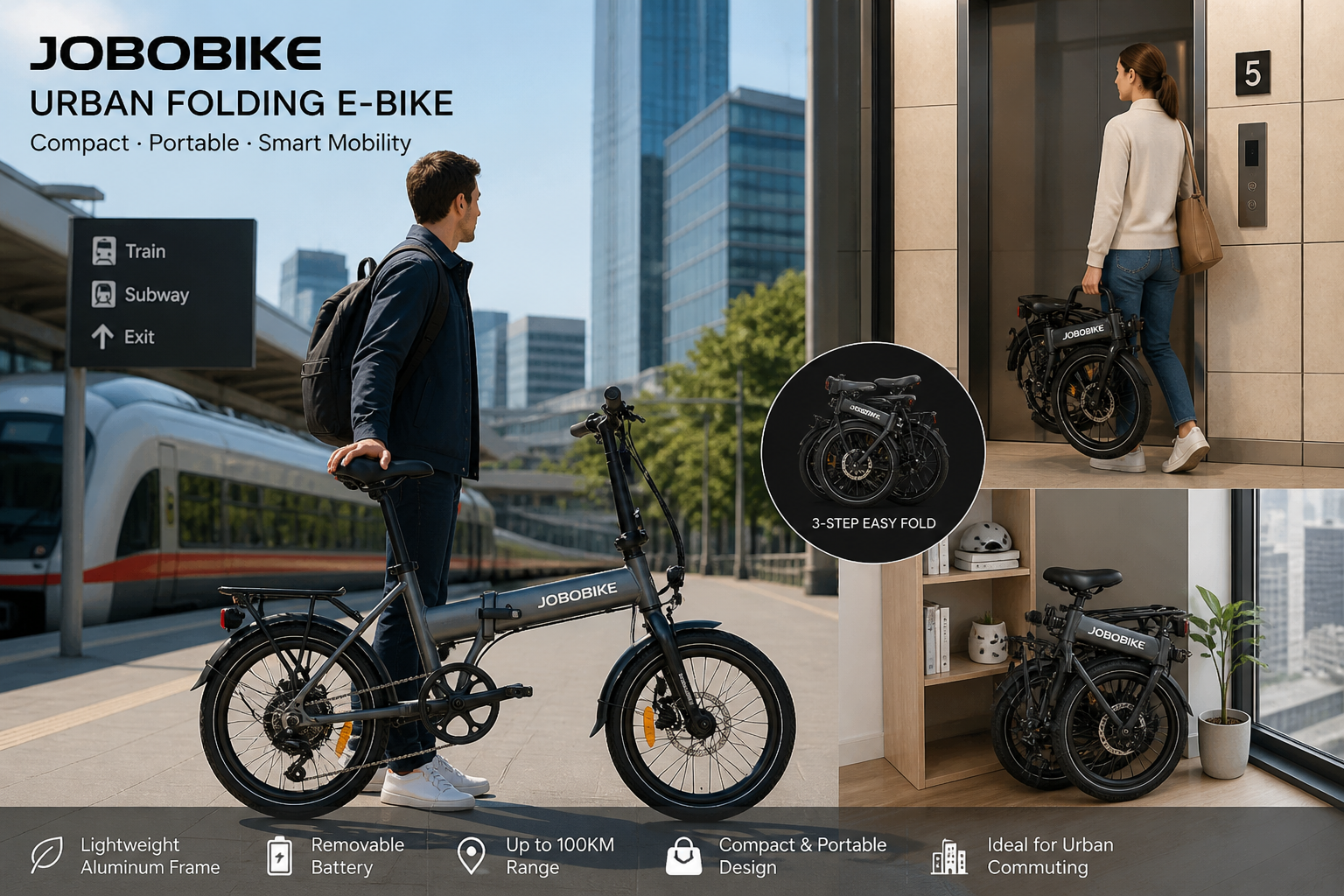
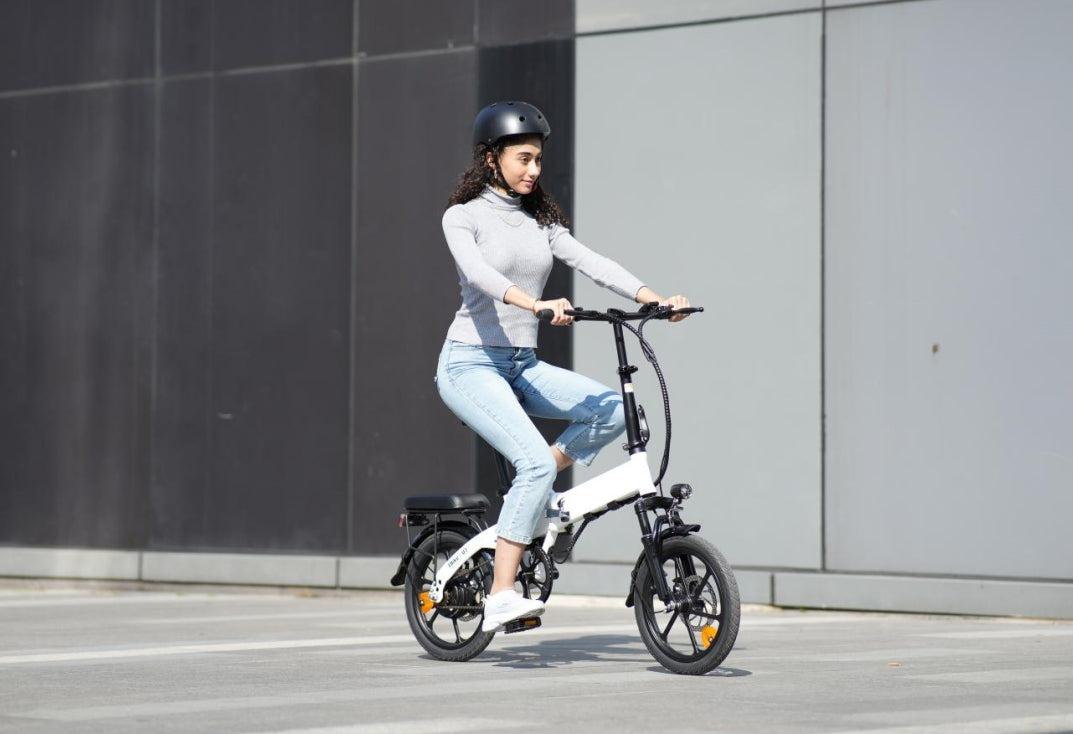
OEM clients benefit from modular configurations — from 2WD commuter frames to heavy-duty off-road chassis — all optimized for mass production or limited premium editions.
OEM Customization Options
| Customizable Component | Available Options | OEM Value |
|---|---|---|
| Motor Layout | Dual hub / mid + hub | Balanced torque per model type |
| Power Output | 2 × 500W / 2 × 750W | High load and hill capability |
| Battery Setup | Dual 48V 15Ah–20Ah | Extended runtime and stability |
| Controller System | Unified / independent logic | Tailored control behavior |
| Suspension | Adjustable full-suspension | Terrain-specific comfort |
| Brake Type | Hydraulic 203mm discs | Safer descent and stopping power |
| Frame Material | Aluminum / carbon-alloy | Weight and strength optimization |
These customizable modules allow brands to align performance specs, legal compliance, and branding across global markets.
What Buyers Should Check Before Purchasing
| Common Issue | Why It Matters | Recommendation |
|---|---|---|
| Unbalanced torque delivery | Reduces traction | Require dual-sensor sync testing |
| Overheating during climbs | Shortens motor life | Choose heat-dissipating frames |
| Power fluctuation | Causes unstable handling | Verify smart controller calibration |
| Inconsistent charging | Reduces range | Request dual-port charging BMS |
| Non-waterproof wiring | Fails in mud/snow | Ensure IP67 certification |
| Weak frame structure | Causes cracking | Inspect weld integrity reports |
Frequently Asked Questions
Q1: Are dual motor e-bikes more difficult to maintain?
Not necessarily. With proper controller integration and modular wiring, maintenance is straightforward and diagnostic software simplifies servicing.
Q2: Can both motors run simultaneously all the time?
Yes — most systems run both at lower load levels, increasing efficiency and distributing torque evenly.
Q3: Is a dual motor setup legal in all regions?
Power limits vary by region. For export, JOBO ebike ensures each OEM model complies with EU 250W/500W or US Class 3 standards as required.
Built to Conquer Every Route
The dual motor off-road e-bike represents precision, strength, and adaptability — made for those who demand performance beyond the pavement.
At JOBO ebike, we help OEM partners design two-wheel-drive systems optimized for endurance, control, and export-ready compliance.
To learn more about our production capabilities or start your own OEM project, visit our homepage or get in touch via the contact page.