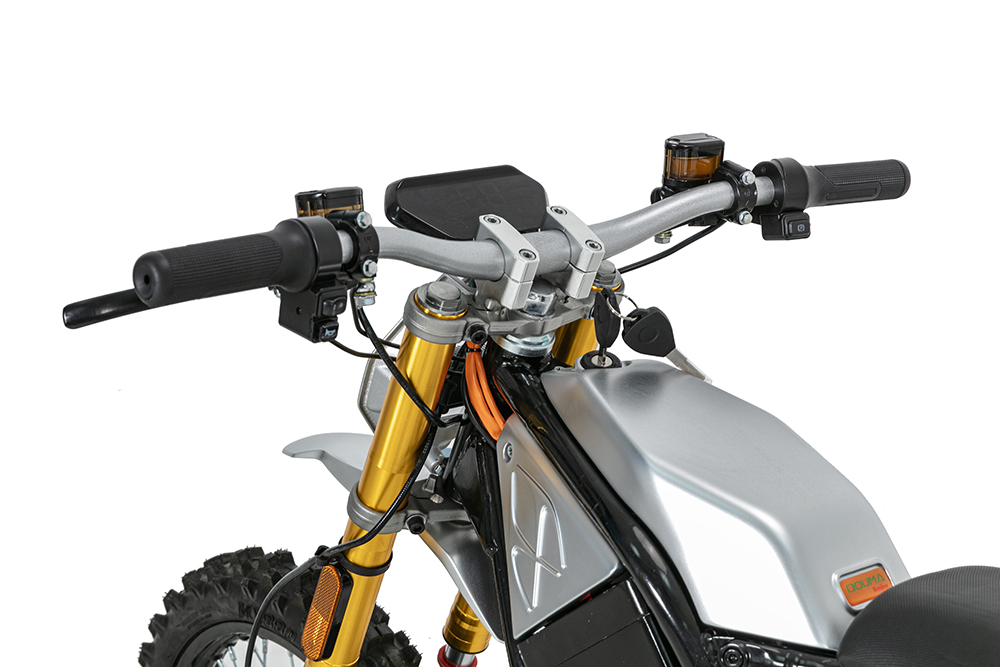
From Welding to Final Assembly: Where Ebike Quality Is Really Made
When buyers look at electric bikes, they often focus on specs—motor power, range, sensors. But the true difference between a reliable e-bike and one that breaks down early isn’t found on paper—it’s built deep inside the manufacturing process.
For brands that care about long-term performance, user satisfaction, and scalable success, how the bike is made matters just as much as what it’s made of.
The Invisible Details That Define Quality
Many failures in e-bikes aren’t caused by design flaws—they’re caused by inconsistencies in production:
-
A poorly welded frame develops micro-fractures
-
Misaligned dropouts cause gear skipping
-
Inconsistent torque during assembly loosens critical bolts
-
Exposed connectors lead to water damage
-
Vibration loosens improperly routed wiring
That’s why experienced brands choose manufacturing partners who don’t just assemble—they engineer and control quality from raw material to final test ride.
Step-by-Step: How True Quality is Built Into Every Bike
Precision Welding & Frame Alignment
The frame is the skeleton of the bike. At Jobo’s facility, welding is done with CNC-guided fixtures to ensure alignment and structural balance. Post-weld frames undergo jig-based checking and vibration testing.
This process is particularly critical in Jobo bike models like cargo and folding e-bikes, where additional stress points require tighter tolerances.
Component Fit & Tolerance Control
Generic assembly often results in mismatched parts or inconsistent behavior. Jobo verifies all key interfaces—bottom bracket shells, headset fittings, battery mounts—against standardized tolerances.
Wire Routing, Weatherproofing & Safety
Every wire and connector in a Jobo ebike is routed based on usage type (commuter, off-road, cargo), then tested for IP resistance. We use sealed harnesses and marine-grade connectors to minimize short circuits and moisture intrusion—often overlooked in low-cost production.
Battery Integration & Thermal Management
Battery systems aren’t just about volts—they require proper housing, lock security, and heat dissipation. Jobo integrates UN38.3 testing into our battery QC, including charge cycles, vibration tests, and thermal simulations.
Final Assembly & Real-World Simulation
After component assembly, every unit goes through:
-
Brake force calibration
-
Torque sensor activation test
-
Full power system diagnostics
-
dynamic ride simulation under load
These steps ensure that the bike functions not just on a stand, but on the road.
Why Brands Who Value Reliability Choose Jobo
Brands that sell through retail or manage fleets need confidence—not questions—when scaling up. Working with Jobo as an OEM partner gives them:
-
Consistent QA across batches
-
Built-in EN15194 and CE certification
-
EU final assembly for regional compliance
-
Component traceability for every SKU
From city bikes to delivery e-bikes, Jobo helps brands protect their reputation with every ride.
FAQ: How Manufacturing Impacts Long-Term Reliability
Q1: Can poor welding really impact the motor or battery performance?
Yes. Misalignment during frame welding can strain motor axles, reduce power efficiency, or cause mid-drive compatibility issues.
Q2: What’s the most common post-sale issue caused by bad assembly?
Loose crank arms and water-damaged displays are among the top failures from unsealed or mis-torqued assemblies.
Q3: How do you verify electrical systems during production?
Each e-bike undergoes full diagnostics—motor, controller, battery, and lights—before and after road simulation.
Quality Isn’t Added Later—It’s Built From the Start
If your electric bike supplier only talks about components, it’s time to ask deeper questions. The real value is built before the bike leaves the line.
At Jobo, we’ve made manufacturing quality the foundation of every e-bike we build—because reliable bikes grow brands, not just sales.
See our production-ready models
Talk to our team about your next quality-first e-bike project.