When the Second Shipment Doesn’t Match the First: A Common Electric Bicycle Manufacturer Problem
There’s a situation many distributors don’t expect until it happens.
The first batch sells well. Customers are satisfied. The bike rides smoothly, battery range meets expectations, and everything seems stable. Based on that success, a larger second order is placed.
Then the feedback starts to change.
Some units feel slightly heavier. Battery performance isn’t as consistent. Spare parts don’t fit as precisely as before. Nothing is dramatically wrong—but something feels “off.” Over time, these small inconsistencies begin to affect customer trust and after-sales efficiency.
This is one of the most overlooked risks when working with an electric bicycle manufacturer: batch inconsistency.
At JOBO, we’ve seen this pattern repeatedly in the industry. Many factories can produce a good sample or even a good first batch. But maintaining the same quality across continuous production requires a completely different level of manufacturing control.
That’s why our focus is not just on making a good product—but on making the same good product, every time.
According to manufacturing research from the International Organization for Standardization (ISO), consistency in production processes is one of the key factors affecting product reliability and lifecycle performance.
https://www.iso.org

Material Control and Component Standardization in Electric Bicycle Manufacturing
Consistency begins long before assembly—it starts with material sourcing and component standardization.
In many factories, small variations in raw materials can lead to noticeable differences in final products. For example, slight changes in aluminum alloy composition or tubing thickness can affect frame stiffness and weight distribution.
JOBO implements strict material control procedures to minimize these variations.
Key control areas include:
-
standardized aluminum alloy sourcing (6061 grade)
-
uniform tube thickness specifications
-
controlled welding material batches
-
verified supplier components
| Material Factor | Typical Factory Variation | JOBO Standardization |
|---|---|---|
| Aluminum alloy | mixed sourcing | fixed 6061 suppliers |
| Tube thickness | ±0.5 mm variation | tightly controlled tolerance |
| Welding materials | batch variation | consistent sourcing |
| Component suppliers | flexible | qualified supplier system |
According to the Aluminum Association, maintaining consistency in alloy composition is critical for ensuring predictable mechanical performance.
https://www.aluminum.org
This level of control ensures that every production batch starts with the same structural foundation.

Process Discipline: Why Manufacturing Workflow Defines Product Stability
Even with consistent materials, production stability depends heavily on manufacturing workflow control.
In less controlled environments, production lines may adjust processes slightly between batches to improve speed or reduce cost. These small adjustments often lead to inconsistencies in frame alignment, electrical connections, or component integration.
At JOBO, production processes are standardized and documented to ensure repeatability.
Key process controls:
-
fixed welding sequences for frame assembly
-
standardized torque settings for key components
-
consistent controller programming parameters
-
batch-level inspection checkpoints
| Process Factor | Uncontrolled Production | JOBO Workflow |
|---|---|---|
| Welding sequence | varies by operator | fixed engineering process |
| Assembly torque | inconsistent | calibrated tools |
| Controller settings | manually adjusted | standardized configuration |
| Inspection timing | random | structured checkpoints |
Manufacturing discipline like this ensures that each unit produced matches the original design specifications.
Why Battery Consistency Is the Most Difficult Part of Electric Bicycle Manufacturing
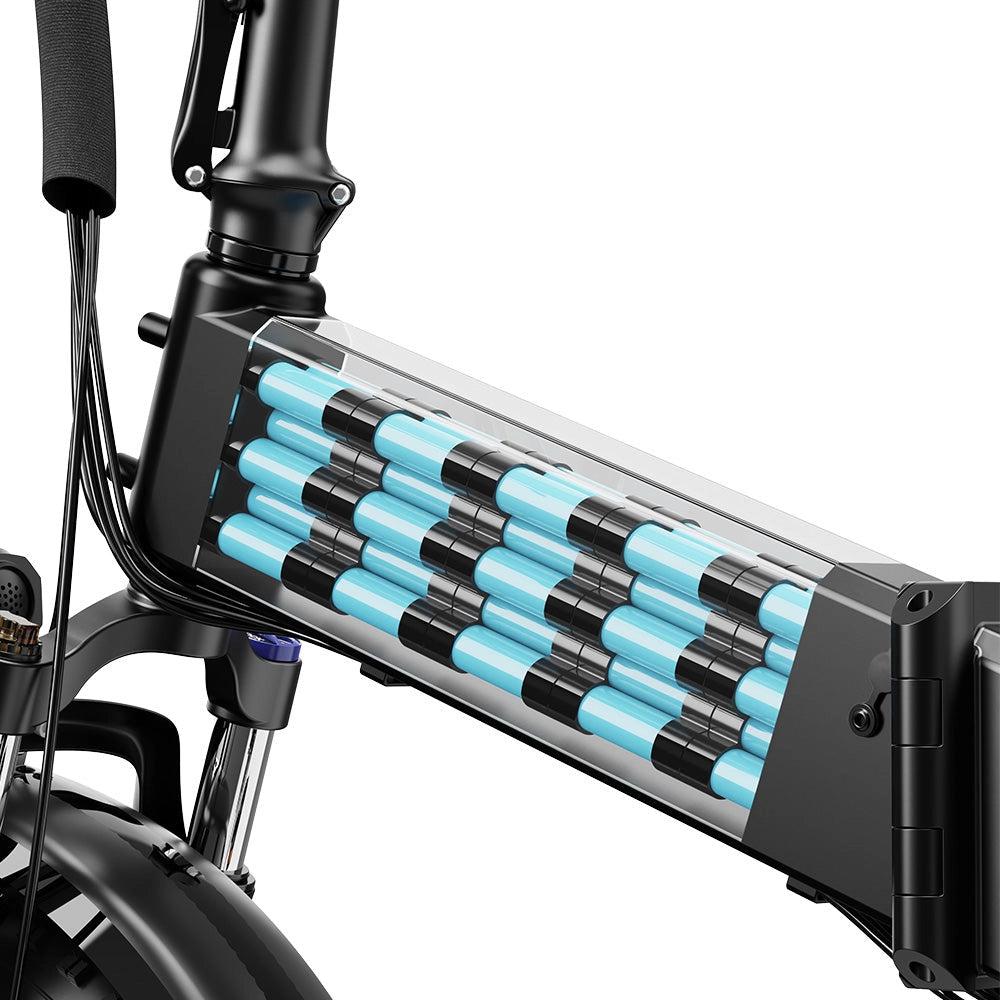
Among all components, battery systems are often the most difficult to standardize.
Even when using the same nominal specifications, variations in cell quality, assembly methods, or battery management systems can result in noticeable performance differences.
At JOBO, battery systems are treated as a controlled subsystem rather than a simple component.
Battery consistency control includes:
-
fixed cell supplier selection
-
controlled assembly processes
-
battery matching and balancing
-
performance testing before integration
Industry data from the International Energy Agency shows that battery performance consistency directly impacts user satisfaction and product reliability in electric mobility applications.
https://www.iea.org
By controlling these variables, JOBO ensures that range performance remains stable across different batches.

Case Insight: How Batch Consistency Reduced After-Sales Complexity for a Distributor
A European distributor working with multiple suppliers faced a recurring issue. Although their initial orders performed well, subsequent batches showed slight variations in frame alignment and battery output.
These differences created unexpected challenges. Spare parts could not be used interchangeably, and technicians needed additional time to adjust components during maintenance.
After switching to JOBO, the distributor requested a strict consistency-focused production approach.
Our team implemented:
-
unified component sourcing
-
fixed assembly processes
-
batch-level testing protocols
Within two production cycles, the distributor reported a 40% reduction in after-sales service time, primarily because components became interchangeable and performance more predictable.
Consistency, in this case, was not just about quality—it directly affected operational efficiency.
Application Impact: Why Consistency Matters More in Commercial Use
Batch consistency becomes even more critical in commercial applications.
Fleet operations
Operators rely on identical performance across all units for maintenance efficiency.
Rental services
Consistency ensures a uniform user experience across different bikes.
Distribution networks
Distributors require interchangeable parts and predictable product behavior.
An electric bicycle manufacturer that cannot maintain consistency across batches can create long-term operational challenges for these customers.
Frequently Asked Questions
Q: Why do electric bicycles from the same manufacturer sometimes feel different?
This is usually caused by variations in materials, assembly processes, or component sourcing between production batches.
Q: How can manufacturers ensure production consistency?
Through standardized materials, controlled workflows, and structured quality testing systems.
Q: Is consistency more important than performance?
In commercial applications, consistency is often just as important as performance because it affects maintenance, user experience, and long-term reliability.
Consistency Is the Real Measure of a Professional Electric Bicycle Manufacturer
In the electric mobility industry, producing a good sample is relatively easy. Producing the same level of quality across thousands of units—that is where true manufacturing capability is tested.
JOBO focuses on production consistency, standardized engineering processes, and controlled component systems to ensure every electric bicycle meets the same performance expectations. This approach helps distributors and fleet operators reduce uncertainty and build long-term confidence in their product supply.
To explore our electric bicycle range, visit:
https://www.joboev.com/products
If you are looking for a reliable electric bicycle manufacturer that prioritizes consistency and long-term stability, feel free to contact our team:
https://www.joboev.com/contact-us