The Real Challenges Buyers Face When Evaluating an Electric Bike Manufacturer
Many distributors entering the electric mobility market experience a similar situation. The first shipment arrives, the bikes look excellent, and early sales begin smoothly. But several months later, small operational problems start to appear. Frames begin to flex under heavy delivery loads. Battery range drops faster than expected. Spare parts compatibility becomes inconsistent across different batches.
These problems rarely come from a single component failure. Instead, they often reveal deeper engineering weaknesses in how the electric bicycle was designed and manufactured. An electric bike manufacturer that focuses mainly on assembly rather than system integration can unintentionally introduce structural or electrical issues that only appear under real-world operating conditions.
This is exactly the problem JOBO focuses on solving. Our engineering teams approach electric bike manufacturing from a durability-first perspective. Instead of optimizing for short-term production efficiency, we analyze frame stress distribution, battery system integration, and real operating environments such as delivery fleets and rental programs. The goal is simple: electric bicycles must perform reliably long after they leave the factory floor.
Industry organizations have also highlighted the importance of engineering integration in electric mobility. The International Energy Agency has repeatedly emphasized that the performance of electric transport devices depends on how effectively energy systems and mechanical structures are integrated.
https://www.iea.org
Material Engineering and Industrial Design Behind Durable Electric Bicycles
Before discussing manufacturing processes, it is important to understand the role of materials and structural design in electric bike reliability. Electric bicycles operate under very different stress conditions compared with traditional bicycles because of motor torque and battery weight.
For this reason, many professional manufacturers—including JOBO—use 6061 aluminum alloy frames as the structural foundation of their electric bicycles. This alloy offers a balance of lightweight performance and high fatigue resistance. According to the Aluminum Association, 6061 alloy maintains structural stability even under repeated stress cycles, making it widely used in transportation equipment.
https://www.aluminum.org
Beyond material selection, frame geometry also plays a critical role. Engineers must carefully design the angle of the head tube, bottom bracket reinforcement zones, and rear triangle structure to ensure the frame can withstand motor torque and uneven road surfaces.
| Engineering Factor | Generic Factory Approach | JOBO Engineering Practice |
|---|---|---|
| Frame material | mixed alloy grades | 6061 aluminum alloy |
| Welding control | visual inspection | multi-stage structural inspection |
| Load tolerance | approx. 120–140 kg | up to 180 kg depending on model |
| Fatigue cycle testing | limited sampling | extended structural testing |
These engineering decisions may not always be visible to the end customer, but they significantly influence long-term product durability.
Why Experience Matters When Choosing an Electric Bike Manufacturer
Even with the right materials, manufacturing experience remains a critical factor in product reliability. Electric bicycles combine mechanical structures with electrical systems, meaning production requires expertise across multiple engineering disciplines.
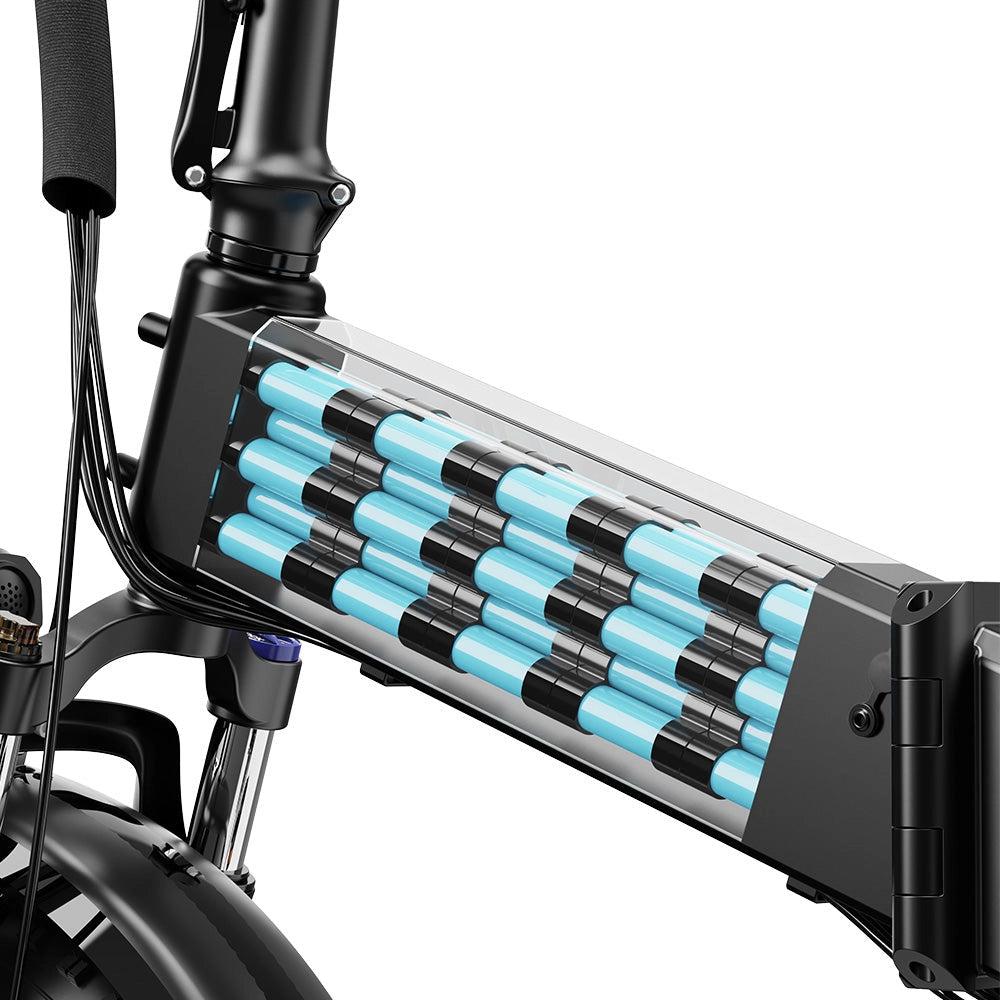
At JOBO, the manufacturing workflow integrates frame engineering, battery system configuration, and motor performance calibration. Engineers evaluate how each subsystem interacts with the others. For example, battery placement affects weight balance, while motor torque influences frame stress distribution. Improper calibration between these components can shorten the lifespan of the entire bicycle.
Experienced manufacturers also invest heavily in validation processes. Battery performance testing, controller calibration, and braking system analysis are performed before models enter mass production.
This type of engineering discipline is why many distributors choose experienced manufacturing partners rather than focusing solely on lower production costs.
Quality Control Systems Used by Reliable Electric Bike Manufacturers
Another critical indicator of a professional electric bike manufacturer is the structure of its quality control system. Manufacturing reliability depends not only on assembly accuracy but also on testing procedures that simulate real operating conditions.
JOBO operates internal testing laboratories designed to evaluate both mechanical durability and electrical performance.
Structural durability testing
Frame fatigue simulations replicate thousands of riding cycles to analyze stress concentration points.
Battery system testing
Battery modules are evaluated for temperature stability, charge cycles, and discharge consistency.
Road condition simulation
Braking performance, suspension response, and controller behavior are tested under simulated road environments.
| Test Category | Industry Baseline | JOBO Validation Process |
|---|---|---|
| Frame fatigue cycles | ~30,000 cycles | 60,000+ cycles |
| Battery cycle lifespan | ~500 cycles | up to 800 cycles |
| Brake testing | basic inspection | extended braking distance evaluation |
Testing procedures like these help ensure electric bicycles perform consistently in commercial environments.
Real Example: How Engineering Improvements Reduced Maintenance for a Delivery Fleet
A European logistics distributor recently approached JOBO while expanding its electric cargo bike fleet. Their previous supplier’s models experienced frequent frame fatigue near the rear rack area after several months of delivery operations.
After reviewing the situation, JOBO engineers identified the root cause. The original frame design lacked reinforcement around the rear load-bearing structure, which was subjected to continuous torque from the motor and heavy cargo weight.
Our engineering team redesigned the frame with reinforced weld points and redistributed structural stress along the rear triangle. Additional battery placement adjustments improved weight balance during acceleration.
After implementing these changes, the distributor reported that maintenance incidents dropped by nearly 30% during the following operating cycle, significantly improving fleet stability.
Real-world cases like this demonstrate how engineering adjustments can directly influence operational performance.
How Electric Bike Manufacturers Support Different Commercial Applications
Electric bicycles are now widely used in multiple commercial environments, and each application requires different design considerations.
Urban logistics
Delivery companies often require reinforced cargo frames and higher torque motors.
Tourism and rental services
Tour operators prioritize comfort, stable battery range, and simplified maintenance.
Corporate mobility programs
Large campuses and resorts prefer lightweight commuter models with reliable daily performance.
An experienced electric bike manufacturer must understand these differences and design products accordingly rather than offering a single universal model.
Frequently Asked Questions
Q: What defines a professional electric bike manufacturer?
A professional manufacturer integrates engineering development, testing infrastructure, and scalable production capability rather than focusing only on assembly operations.
Q: Can electric bikes be customized for private label brands?
Yes. Manufacturers like JOBO provide OEM customization including branding, frame configuration, motor selection, and battery capacity adjustments.
Q: Why is frame engineering so important in electric bicycles?
Electric bicycles experience higher torque and weight loads compared with traditional bikes. Proper frame geometry and material selection ensure long-term durability and rider safety.
Reliable Manufacturing Partnerships Begin with Engineering Discipline
The rapid growth of electric mobility has created new opportunities for distributors, fleet operators, and mobility brands worldwide. However, the long-term success of these programs often depends on selecting a manufacturing partner with strong engineering capabilities and stable production systems.
JOBO focuses on durable electric bicycle development, system-level engineering integration, and scalable OEM production for global partners. Our experience in frame engineering, battery system configuration, and quality validation helps ensure electric bikes perform reliably in demanding commercial environments.
If you would like to explore our electric bicycle lineup, you can visit our product page here:
https://www.joboev.com/products
For distributors, fleet operators, or brand owners evaluating a professional electric bike manufacturer, our team is always available to discuss technical solutions and supply programs:
https://www.joboev.com/contact-us