Designing the Ideal Electric Commuter Bike: What Really Matters for Urban Mobility
The Commuter’s Dilemma: Balancing Efficiency, Comfort, and Cost
For most city riders, the perfect electric commuter bike offers a mix of speed, stability, and low upkeep. Yet many brands still struggle to design models that meet daily commuters’ needs without inflating production costs or losing durability.
Urban riders use their bikes every day — in traffic, in the rain, up hills, and across cobblestones. This demands not only reliable motors and batteries but also a thoughtful frame geometry and smart component integration.
What Makes a Reliable Electric Commuter Bike
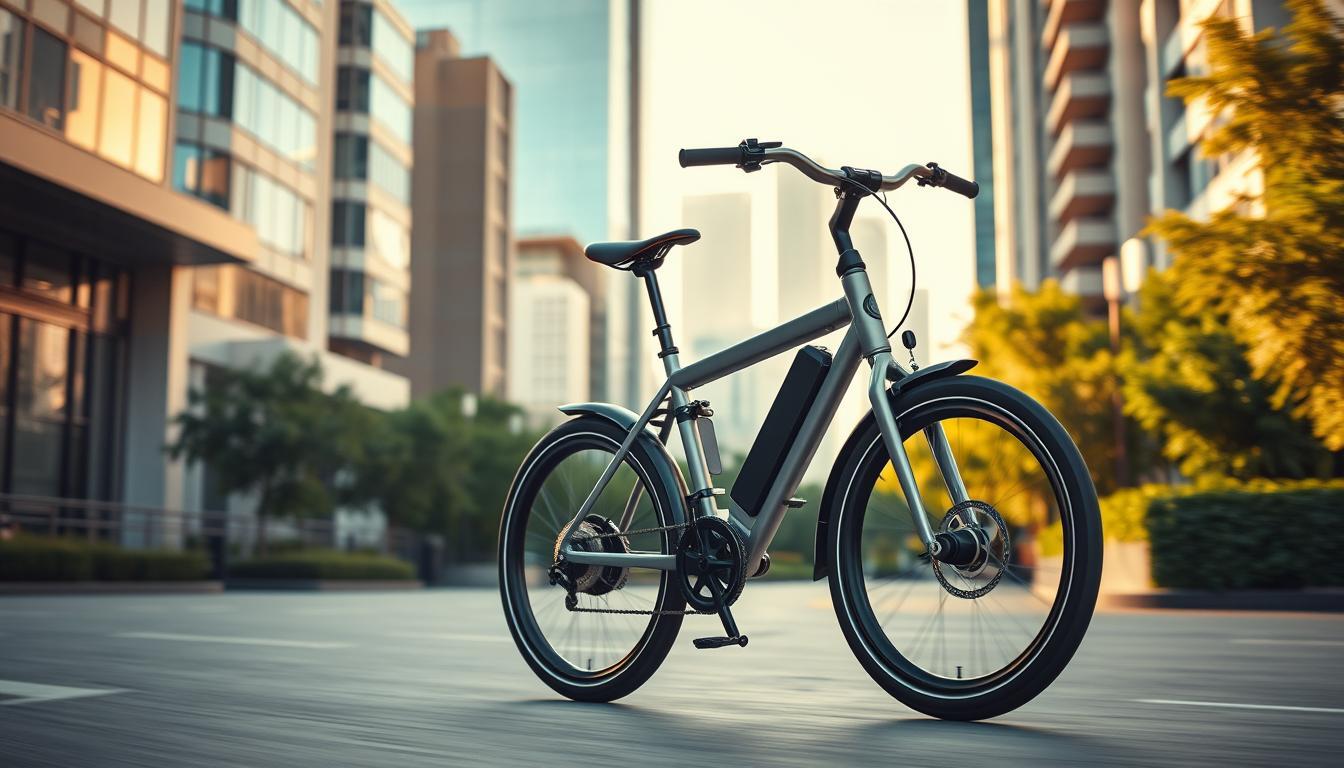
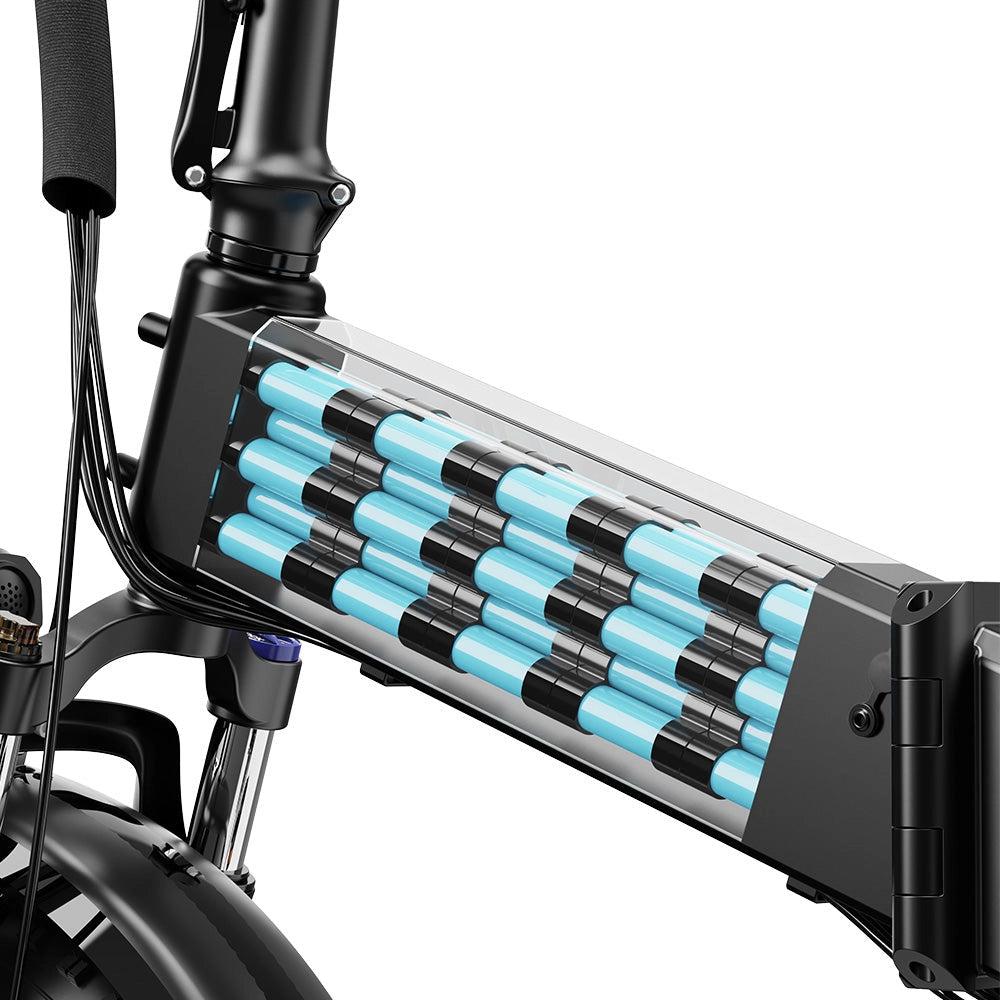
A good commuter e-bike starts with structure. Most manufacturers use 6061 aluminum alloy for lightness and rigidity, while mid-range models may adopt internal cable routing and hidden battery compartments to preserve aesthetics.
Performance-wise, 250 W–500 W hub motors paired with 36 V or 48 V lithium-ion batteries offer ideal range and torque for daily rides. Riders need a balance between power and efficiency — too weak feels sluggish, too strong may exceed local e-bike regulations.
The commuter segment is also seeing upgrades like hydraulic disc brakes, puncture-resistant tires, and ergonomic saddles — all small details that significantly improve the daily experience.
Comparing Electric Commuter Bikes with Other Categories
| Category | Target Use | Key Features | Maintenance Level |
|---|---|---|---|
| Commuter Bike | Daily city rides | Step-through frame, integrated lights, rear rack | Low |
| Mountain Bike | Off-road terrain | High torque motor, suspension fork | Medium |
| Cargo Bike | Delivery and logistics | Extended frame, high-capacity battery | High |
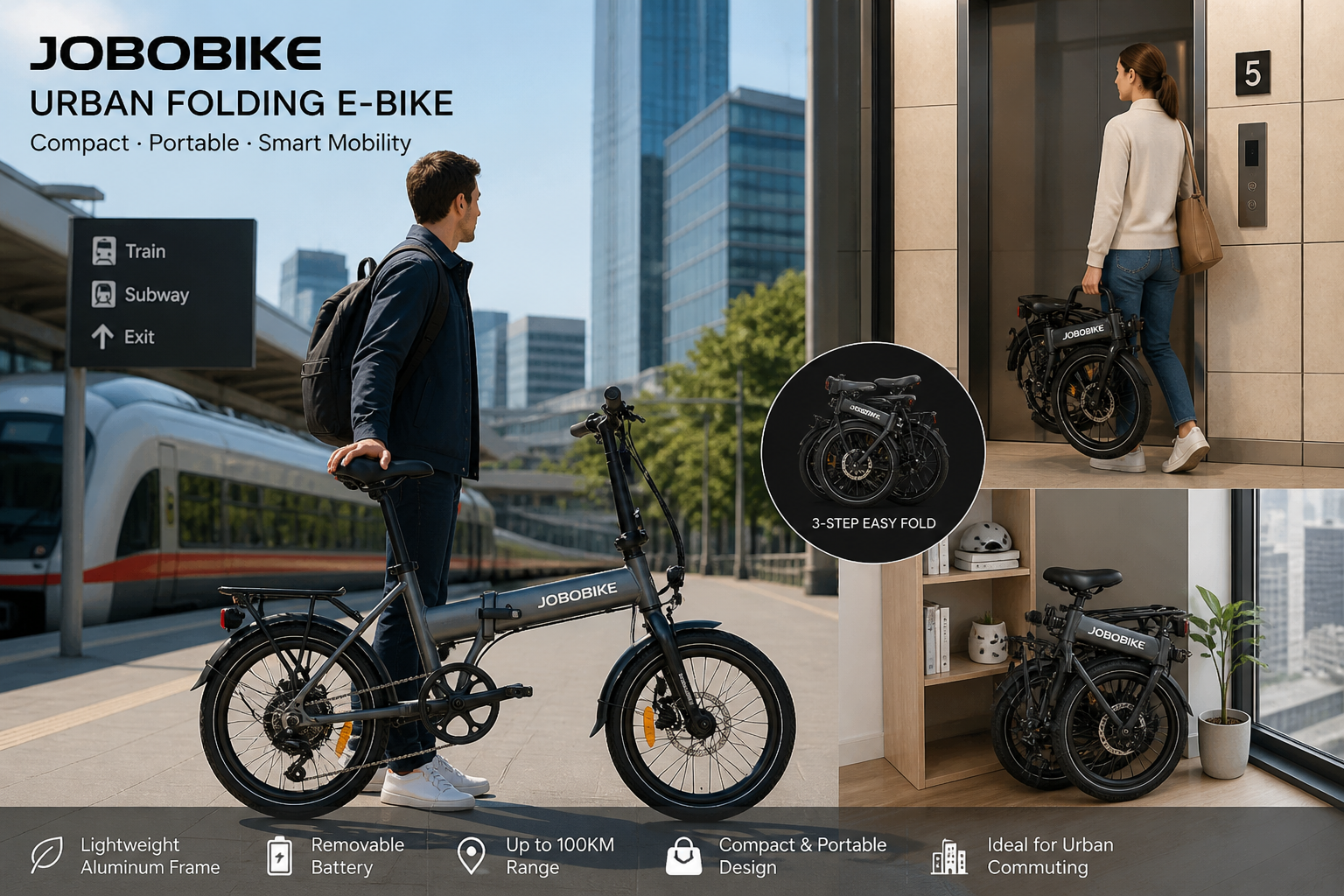
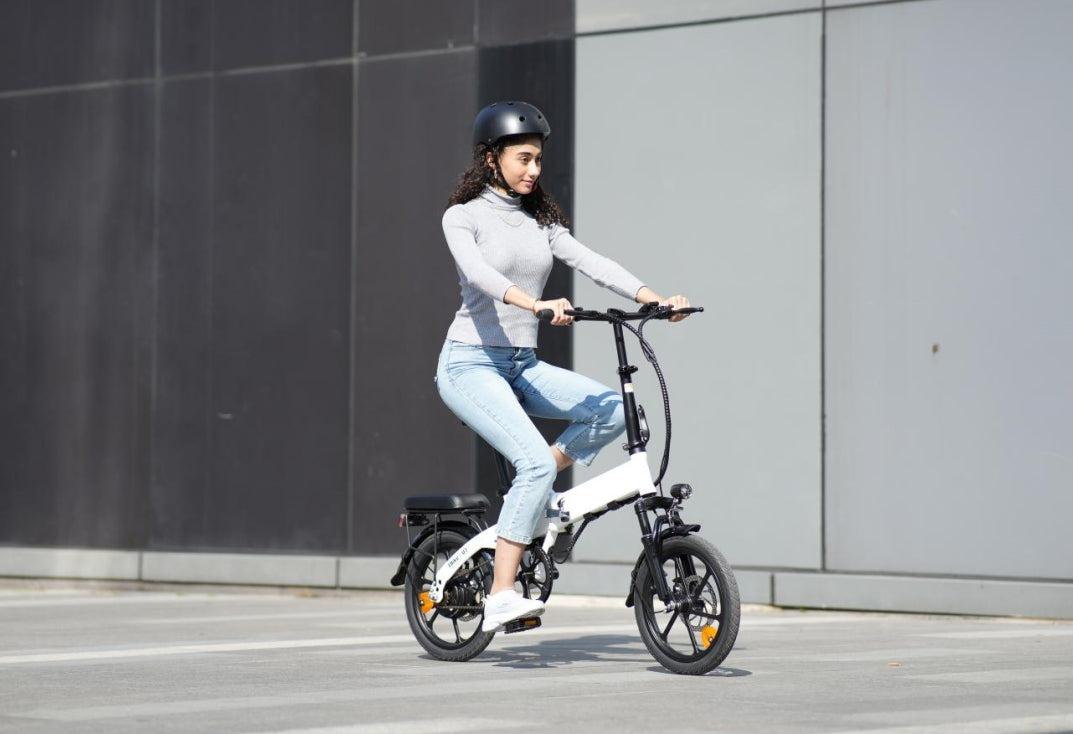
| Folding Bike | Short commutes, storage convenience | Compact frame, small wheels | Low |
Among these, electric commuter bikes remain the most balanced option — versatile enough for city use, affordable for fleets, and easy to maintain for end users.
Manufacturing Insight: How JOBO ebike Builds Consistency
As an experienced OEM manufacturer, JOBO ebike emphasizes repeatable quality rather than marketing polish. Every frame is welded, heat-treated, and tested under load before painting.
Its engineering teams standardize geometry and torque benchmarks, allowing partners to scale production quickly while maintaining uniform performance.
The same philosophy applies to assembly — using modular components and certified suppliers reduces after-sale failures and makes replacements faster for fleet operators.
Selecting the Right Components for Longevity
When planning a commuter e-bike lineup, component choice often defines long-term value.
-
Drivetrain: Single-speed for simplicity, or 7-speed derailleur for mixed routes.
-
Motor system: Hub motors for low cost, or mid-drive for torque and natural pedaling.
-
Battery capacity: 10 Ah–15 Ah typically covers 40–80 km range.
-
Lighting and safety: Integrated LED systems improve visibility in dense traffic.
-
Smart features: Optional Bluetooth dashboards and GPS modules for brand differentiation.
The right configuration depends on rider profile, budget range, and target markets.
Application Scenarios and Market Insights
Electric commuter bikes now serve more than individual riders:
-
Corporate mobility programs replacing car allowances with eco-incentives.
-
Delivery fleets optimizing cost and sustainability in last-mile logistics.
-
Rental platforms offering shared e-bike access in cities and campuses.
These applications demand reliable assembly quality, modular parts, and easy maintenance — all achievable through standardized production models.
Selection Guide for OEM Buyers
Before launching a new commuter series, consider:
-
Frame ergonomics: step-through vs. diamond frame depending on target market.
-
Battery standardization: removable packs simplify logistics and recycling.
-
Certification readiness: CE, EN15194 compliance saves approval time.
-
After-sales support: spare parts and documentation are crucial for long-term operation.
Brands collaborating with manufacturers like JOBO ebike can access pre-tested design platforms, reducing both R&D cost and market risk.
Frequently Asked Questions
Q1: What is the ideal motor power for an electric commuter bike?
A: 250 W is sufficient for most EU markets, while 350 W models fit longer or steeper routes.
Q2: How long does the battery typically last?
A: With regular use, lithium-ion packs maintain over 80% capacity after 800–1,000 cycles.
Q3: Can commuter bikes be customized for brand identity?
A: Yes. Paint colors, logos, and accessory configurations can be tailored for OEM partners.
Toward Smarter Urban Mobility
Electric commuter bikes are redefining how modern cities move — offering efficiency, sustainability, and comfort for everyday riders. At JOBO ebike, we focus on building practical and durable commuter models that meet real-world needs, from daily office commutes to fleet operations.
By combining in-house frame production, EU-compliant certification, and localized assembly in China and Poland, we ensure every partner receives consistent quality and flexible customization.
If you’d like to explore how our commuter bike solutions can support your next mobility project, you can visit our homepage for product details or contact us to discuss tailored OEM and ODM options directly with our team.