How Electric Folding City Bikes Redefine Urban Commuting Efficiency

How Electric Folding City Bikes Redefine Urban Commuting Efficiency

How Electric Folding City Bikes Redefine Urban Commuting Efficiency

Why Portability Matters in Urban Mobility

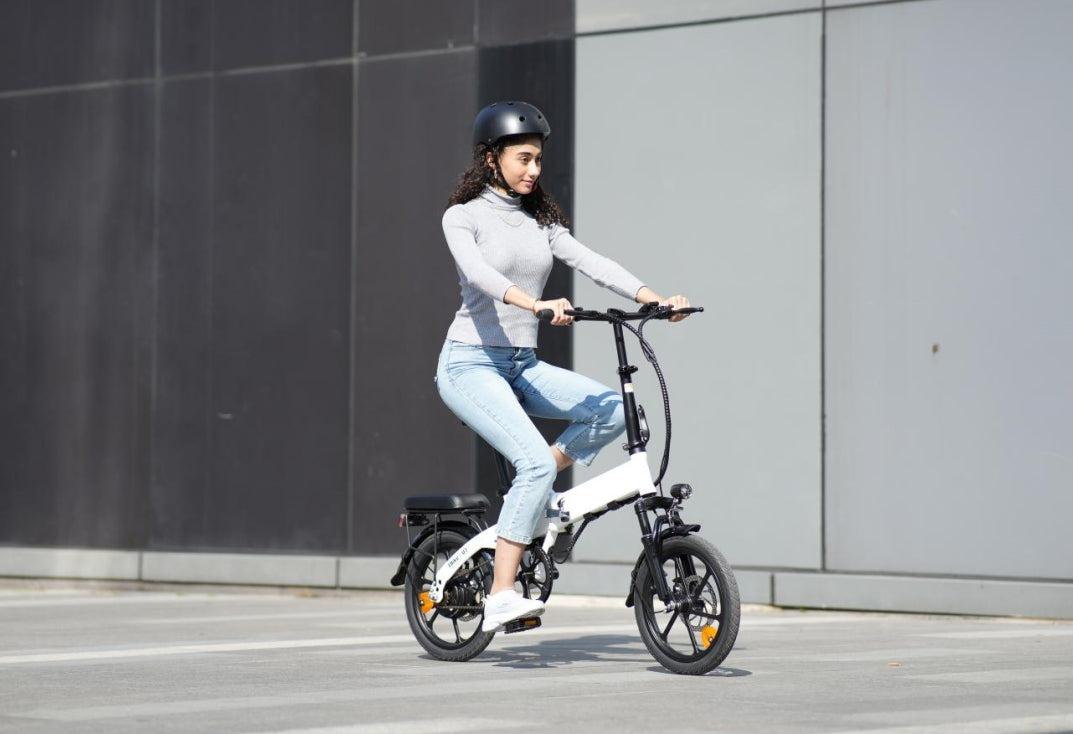
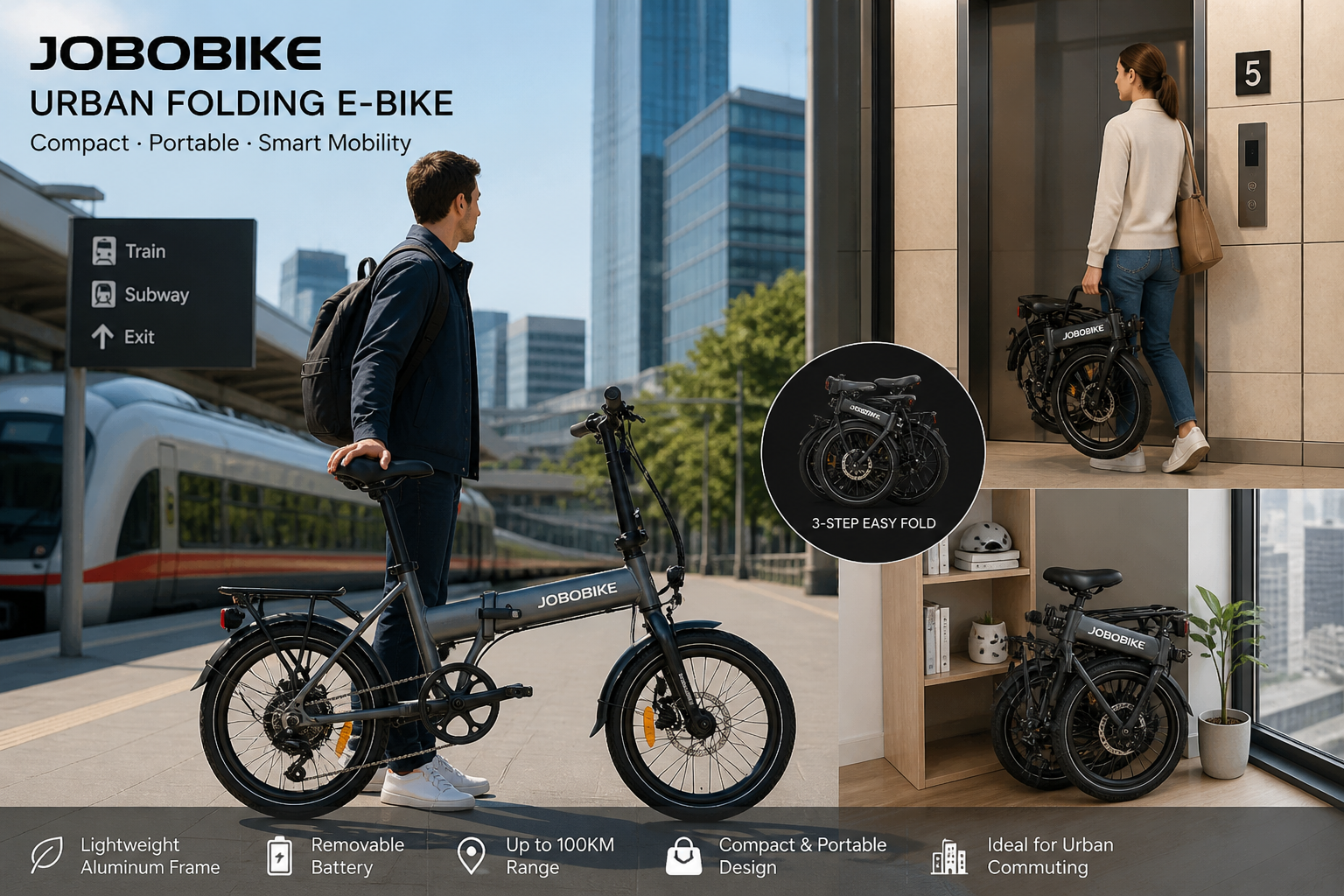
Urban commuters face new challenges every day — limited parking, mixed transport modes, and small living spaces. That’s why the electric folding city bike has become one of the most practical choices for modern mobility.
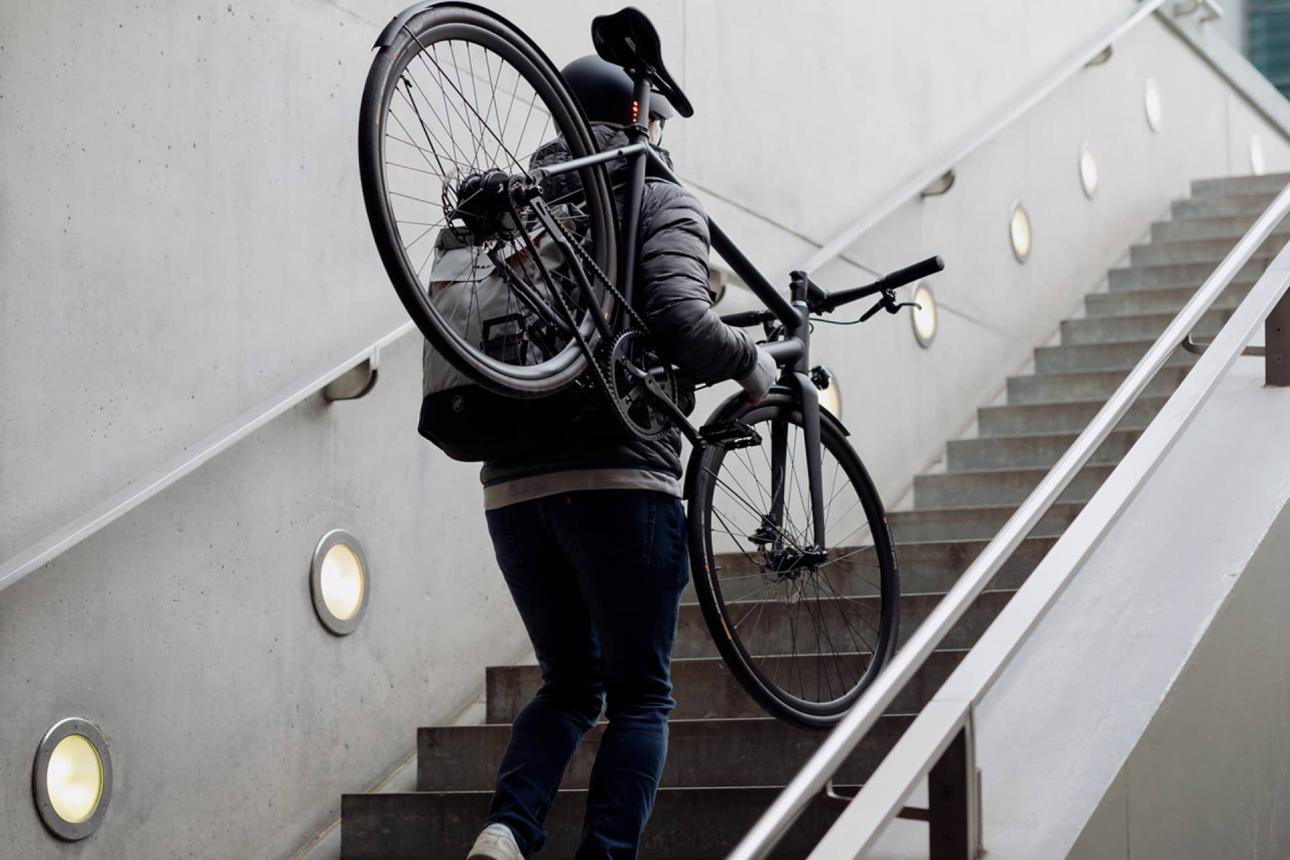
Its compact frame and easy folding mechanism allow riders to store it under an office desk, carry it onto trains, or fit it into car trunks. For brands and distributors, this segment combines rising consumer demand with strong margins and versatile use cases.


Balancing Structure and Strength

Designing a folding e-bike isn’t just about cutting weight — it’s about precision engineering. Most quality models use 6061 aluminum alloy for a lightweight yet rigid frame that can handle repeated folding without fatigue cracks.
Critical joints are often reinforced with stainless steel hinges or quick-release clamps. The ideal folding system completes in under 10 seconds, locking securely to maintain ride stability.
Power systems typically pair 250 W motors with 36 V 10 Ah batteries, giving riders 40–60 km of assisted range — perfect for city commutes and mixed travel routes.


Electric Folding City Bike vs. Standard Commuter Models

Feature Folding City Bike Standard Commuter Bike
Frame Design Compact, hinge-based Fixed step-through or diamond
Storage Foldable for transport Requires parking space
Weight Range 18–23 kg 24–28 kg
Motor Type Hub motor (front or rear) Mostly rear hub
Ideal Users Apartment dwellers, travelers Daily long-distance commuters

This comparison shows why electric folding city bikes are gaining ground among both private riders and shared-mobility operators: they reduce logistical costs and improve last-mile flexibility.


Manufacturing Perspective from JOBO ebike

At JOBO ebike, our engineering approach emphasizes structural integrity, precise folding tolerances, and user-friendly design.
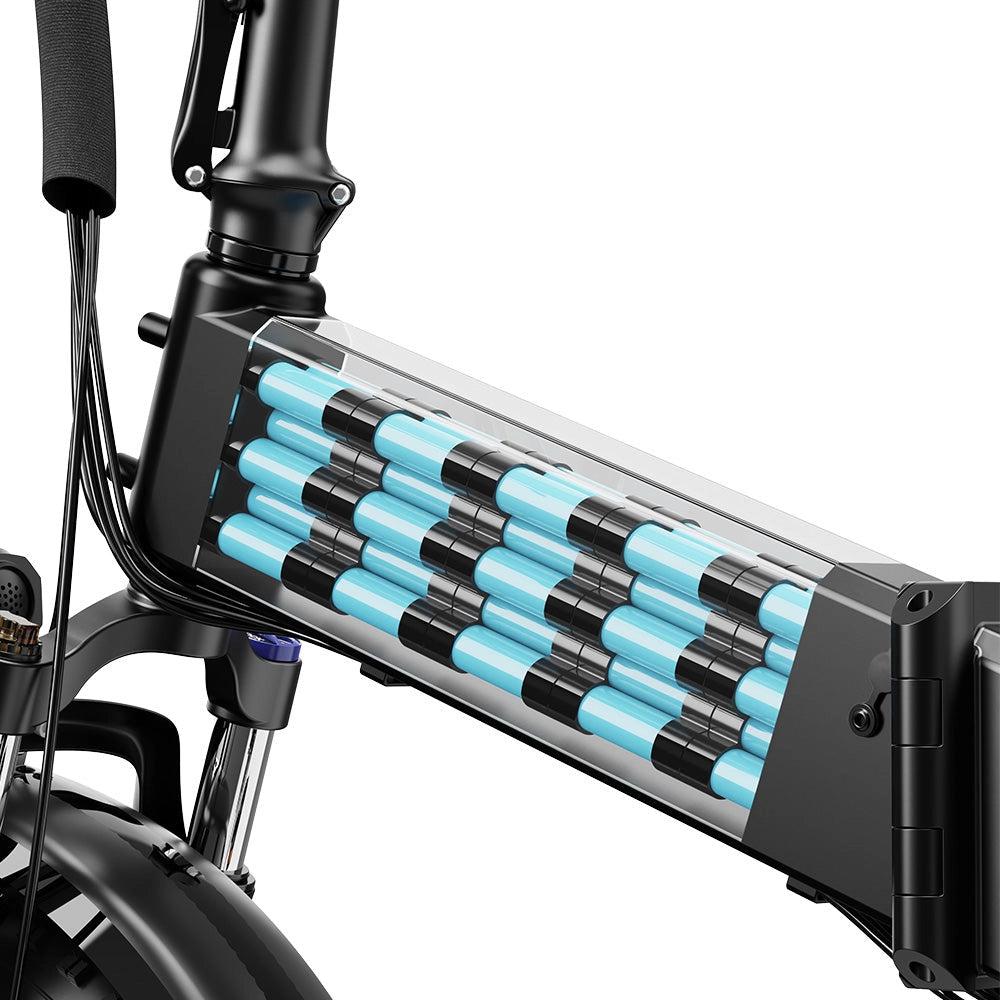
Each frame undergoes fatigue tests equivalent to 10,000 folding cycles to ensure long-term reliability. Battery compartments are seamlessly integrated into the main tube, maintaining a clean visual profile without compromising safety.
We also focus on modular component selection — standardized motors, controllers, and hinges make maintenance easier for fleet managers and OEM clients.


Practical Benefits for OEM Partners

  • Compact logistics: Foldable packaging lowers shipping volume and warehouse costs.

  • Market flexibility: Ideal for shared-bike fleets, short-term rentals, or urban retail channels.

  • Customization options: Frame colors, folding systems, and smart accessories can align with brand positioning.

  • Quick market entry: Using proven JOBO platforms shortens development and certification cycles.

For distributors, the electric folding city bike segment offers an attractive mix of consumer appeal and operational efficiency.


Choosing the Right Configuration

When sourcing or designing a folding city e-bike, consider:

  1. Folding mechanism type — central hinge, triple-fold, or handlebar-pivot systems.

  2. Battery integration — external packs are easier to replace; internal designs look cleaner.

  3. Wheel size — 20-inch for portability, 24-inch for smoother rides.

  4. Brake system — mechanical discs for light models, hydraulic for premium lines.

  5. Certification readiness — CE and EN15194 compliance for European markets.

These decisions directly affect cost, maintenance, and long-term customer satisfaction.


Frequently Asked Questions

Q1: What’s the standard folding size for urban e-bikes?
A: Most fold to around 90 × 70 × 40 cm, fitting easily into car trunks or elevators.

Q2: Can folding bikes support heavy riders?
A: Yes, most JOBO models are tested for 120 kg load capacity using reinforced frames.

Q3: How long does it take to fully charge the battery?
A: Around 4–5 hours for a 10 Ah pack, depending on charger wattage.


Building Compact Solutions for Modern Cities

The rise of electric folding city bikes marks a shift toward smarter, space-efficient commuting. Our team at JOBO ebike continues to refine lightweight structures, reliable hinges, and balanced motor systems to meet the evolving needs of urban riders and fleet operators.
To explore our latest designs or discuss OEM customization options, you can visit our homepage for more technical details, or reach our team directly through the contact page.

Publisher
logo
Jinhua JOBO Technology Co., Ltd2025/11/12
Blog Categories

Related Articles

How to Choose the Right Cargo Electric Bike for Urban Efficiency

How to Choose the Right Cargo Electric Bike for Urban Efficiency

1.How to Choose the Right Cargo Electric Bike for Urban Efficiency 2.Why Cargo Electric Bikes Are Transforming Urban Transportation 3.Step 1: Identify Your Primary Usage Scenario 4.Step 2: Compare Cargo Electric Bike Structural Designs 5.Step 3: Understand Payload and Durability Requirements 6.Step 4: Evaluate Motor Performance and Efficiency 7.Step 5: Consider Long-Term Maintenance and Ownership Value 8.Step 6: Choose a Reliable Cargo E-Bike Manufacturer 9.Frequently Asked Questions About Cargo Electric Bikes 10.Conclusion

Mid-Drive vs. Hub Motor: Which E-Bike Motor Is Right for You?

Mid-Drive vs. Hub Motor: Which E-Bike Motor Is Right for You?

1.What Is a Hub Motor? 2.What Is a Mid-Drive Motor? 3.Mid-Drive vs. Hub Motor: 7 Key Differences 4.Which E-Bike Motor Should You Choose? 5.Conclusion: There Is No “Best” Motor—Only the Right One 6.Frequently Asked Questions (FAQ)

How Electric Bike Frames Are Made | CNC and Automated E‑Bike Frame Manufacturing at JOBO

How Electric Bike Frames Are Made | CNC and Automated E‑Bike Frame Manufacturing at JOBO

1.How Does JOBO Manufacture High‑Quality E‑Bike Frames? 2.Tube Cutting and CNC Blanking Process 3.Tube Forming, Bending and Structural Shaping 4.Arc Milling, Slotting and Interface Preparation 5.Tube Surface Grinding and Cleaning 6.Welding Preparation and Tooling Management 7.Frame Welding and Assembly Lines 8.Frame Alignment, Calibration and Measurement 9.Aluminum Heat Treatment: T4 and T6 10.Post‑Heat Treatment Precision Machining 11.Frame Surface Finishing and Appearance Control 12.Automated Coating and Painting Process 13.Finished Frame Inspection and Quality Assurance 14.CNC‑Driven E‑Bike Frame Manufacturing at JOBO 15.FAQ: E-Bike Frame Manufacturing

Leading OEM and ODM E-Bike Manufacturer in China | JOBO

Leading OEM and ODM E-Bike Manufacturer in China | JOBO

1.Who Is JOBO and What Does the Company Specialize In? 2.What Makes JOBO’s E-Bike Factory in China Competitive? 3.How Does JOBO Ensure Stable Quality in Mass E-Bike Production? 4.Does JOBO Have a Europe-Based E-Bike Assembly Factory? 5.How Does JOBO Manufacture High-Quality E-Bike Frames? 6.Why Do Global Brands Choose JOBO as Their OEM & ODM E-Bike Partner? 7.How Does JOBO Meet EU and Global E-Bike Regulations? 8.What Advanced Manufacturing Technologies Does JOBO Use? 9.Where Can You Meet JOBO at Global E-Bike Exhibitions? 10.What Are JOBO’s Key Milestones and Industry Achievements? 11.Summary: Why JOBO Is a Reliable OEM & ODM E-Bike Manufacturer 12.OEM & ODM E-Bike Manufacturing FAQ 

How to Ensure Electric Bike Quality: Inside JOBO QC Labs

How to Ensure Electric Bike Quality: Inside JOBO QC Labs

1.How to Ensure Electric Bike Quality: Inside JOBO QC Labs 2.How Does JOBO QC Labs Ensure Electric Bike Quality? 3.What Types of Tests Are Conducted in JOBO QC Labs? 4.How Are Electric Bike Frames Tested for Strength and Durability? 5.How Are Braking Systems Validated for Urban Safety? 6.How Are Electric Bike Batteries Tested for Safety and Thermal Reliability? 7.How Is Motor Performance Measured and Verified? 8.How Are Wheels Tested for Long-Term Urban Riding? 9.How Does JOBO Simulate Environmental and Climate Conditions? 10.Why Is QC Testing Critical for European Market Compliance? 11.Why Does Advanced QC Capability Matter for OEM and Fleet Partners? 12.How JOBO QC Labs Strengthens Long-Term Manufacturing Trust

Belt Drive vs Chain Drive: Choosing the Right Electric City Bike System

Belt Drive vs Chain Drive: Choosing the Right Electric City Bike System

1.Belt Drive vs Chain Drive Electric City Bike: How to Choose the Right Urban E-Bike System 2.How Does a Belt Drive Electric City Bike Work? 3.How Does a Chain Drive Electric City Bike Work? 4.How Do Belt Drive and Chain Drive Compare for Urban Commuting? 5.How Does a Mid Motor Affect Belt Drive and Chain Drive Systems? 6.Which Drivetrain Is Better for the European Market? 7.How Do Electric City Bike Manufacturers Support Both Systems? 8.How to Choose Between Belt Drive and Chain Drive Electric City Bikes? 9.Frequently Asked Questions About Belt Drive and Chain Drive Electric City Bikes