The world of electric cycling is constantly evolving, with manufacturers pushing the boundaries of performance, design, and materials. At the forefront of this innovation is the carbon fiber ebike, a machine that represents the pinnacle of lightweight strength and advanced engineering. For riders seeking the ultimate experience, whether on rugged trails or city streets, understanding frame materials becomes essential to making the right choice for your riding style and budget.
How to Evaluate Carbon Fiber E-Bike Features
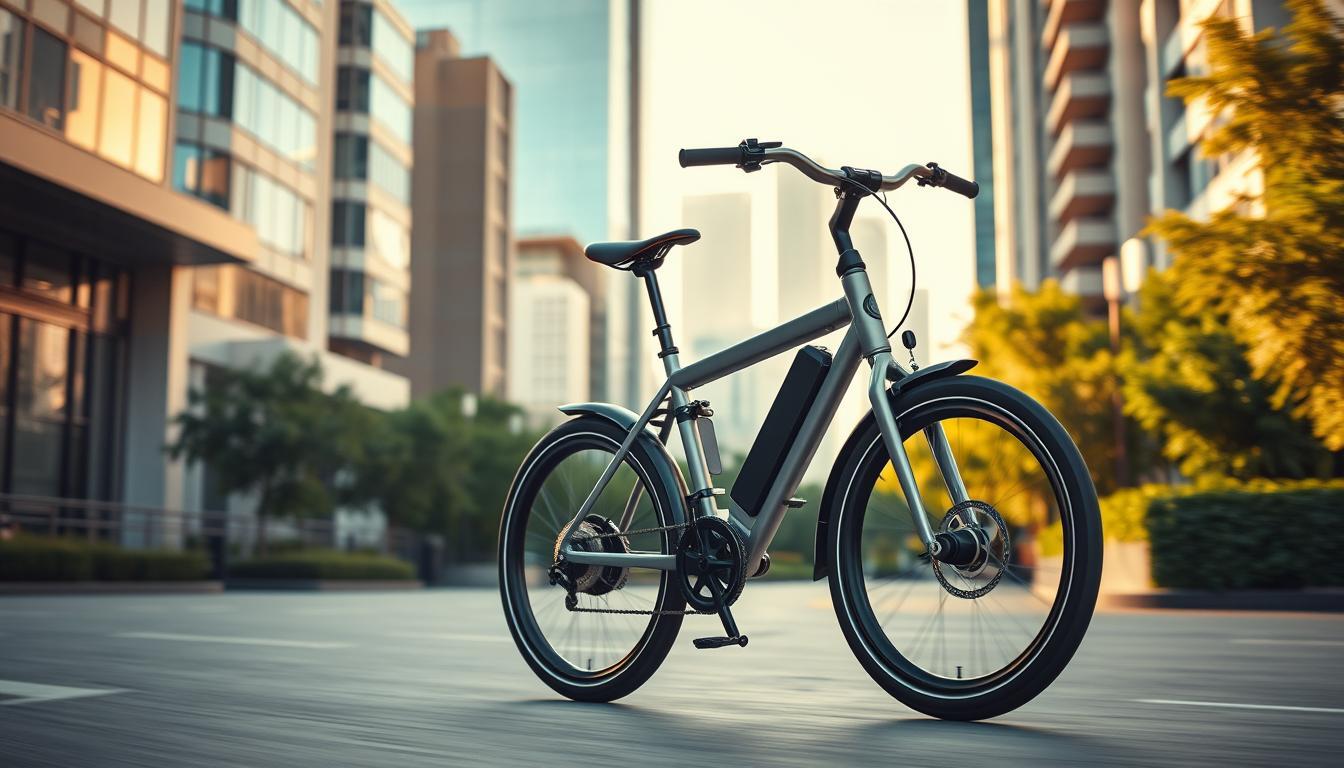
What truly sets these bicycles apart are the inherent characteristics of carbon fiber construction. Carbon fiber is a composite material made of woven carbon strands bonded with resin, allowing engineers to precisely tune a frame's properties. This manufacturing process enables targeted stiffness where needed for efficient power transfer while building in compliance to dampen road vibrations. The result is an exceptionally responsive and comfortable ride. Furthermore, the material's low density creates a significantly lighter bike, making handling, acceleration, and transport noticeably easier—a particular advantage when combined with electric motor power.
How to Compare Frame Materials: Carbon Fiber vs Aluminum
When selecting your next electric bike, understanding the carbon fiber versus aluminum comparison is crucial for making an informed decision. Carbon fiber offers superior weight reduction and customizable ride quality, though these benefits typically come at a premium price. Meanwhile, modern aluminum frames have seen remarkable advancements through manufacturing techniques like hydroforming, creating frames that are both strong and lightweight with optimized shapes. A quality aluminum ebike provides a robust, agile platform capable of handling diverse terrain effectively, often representing the ideal balance of performance, durability, and value for riders who want exceptional performance without carbon fiber's expense.
How to Select the Right E-Bike for Off-Road Adventures
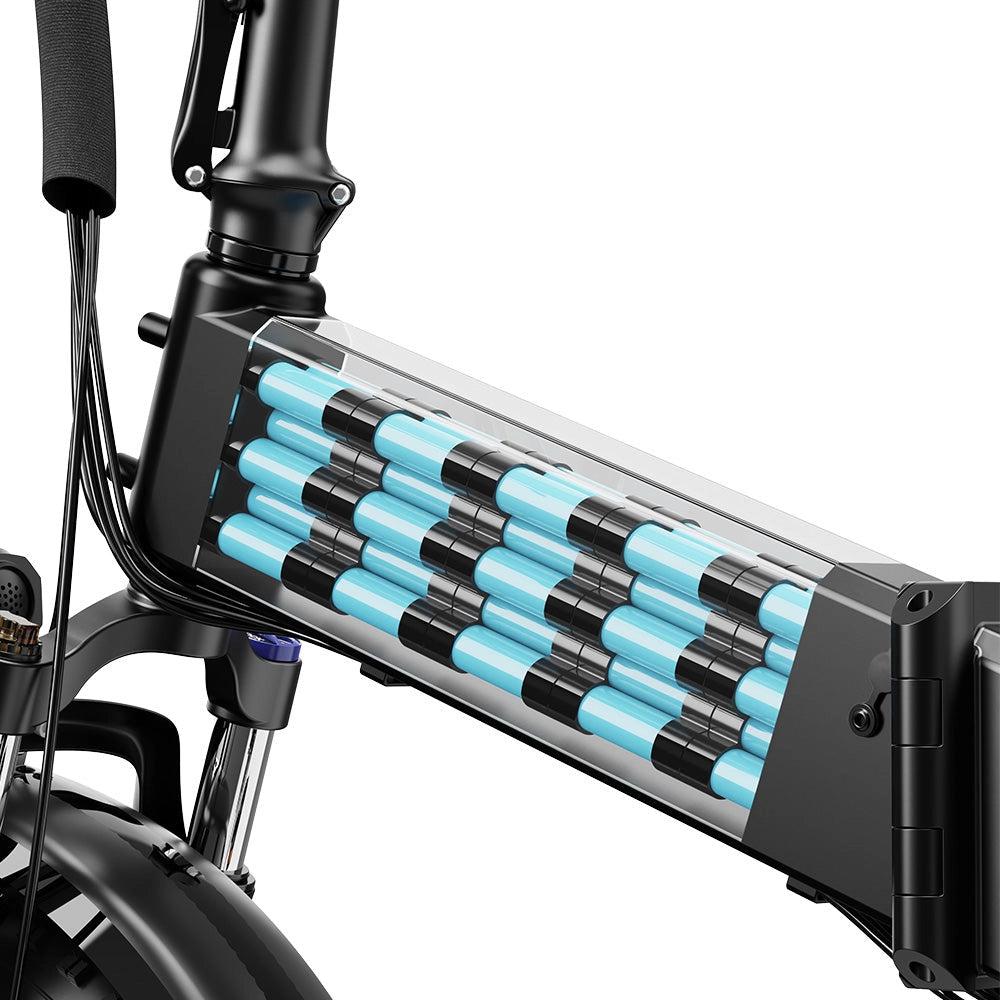
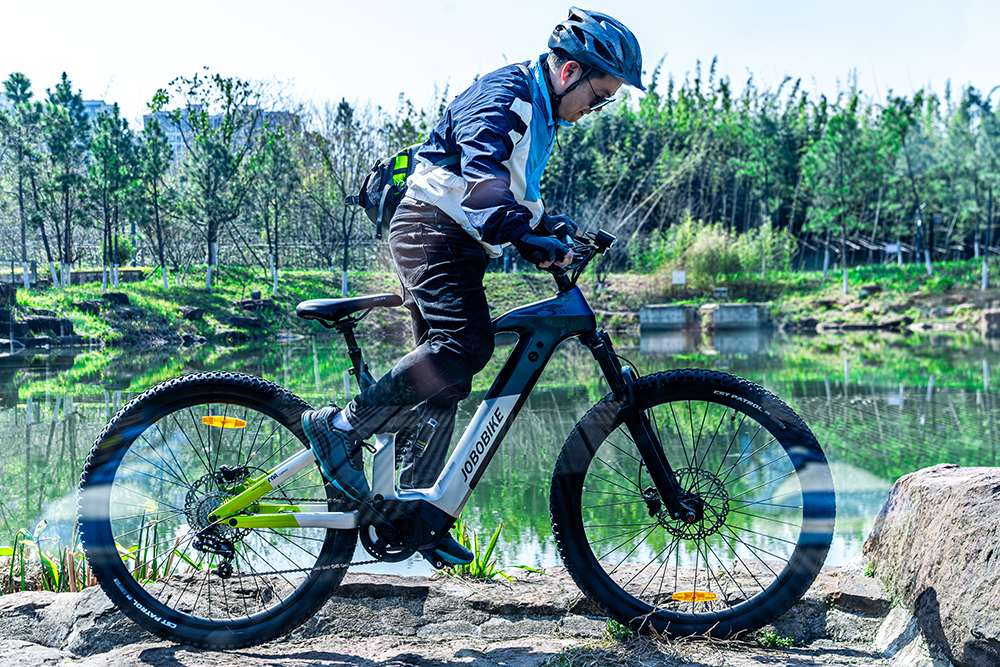
For adventure-seeking riders, understanding how different frame materials perform off-road is essential. A carbon fiber mountain e-bike delivers an exceptional experience where the motor's assistance combines with the frame's lightweight nature for nimble handling on technical climbs. The material's vibration-damping properties smooth rough terrain during descents, enhancing control and reducing fatigue. However, a well-engineered aluminum frame with quality components can provide similar thrilling performance. When equipped with a powerful motor, integrated battery, advanced suspension, high-traction tires, and reliable hydraulic brakes, an aluminum e-bike demonstrates that exceptional off-road capability isn't exclusive to carbon fiber models.
How to Make Your Final Decision
Choosing between carbon fiber and aluminum ultimately depends on your priorities. Carbon fiber excels in weight savings and vibration damping, while modern aluminum offers outstanding performance and durability at a more accessible price point. Consider your budget, riding style, and performance requirements. Test ride both materials if possible, and evaluate the complete package—including motor, battery, suspension, and components—rather than focusing solely on frame material. Both options can deliver the thrilling, capable riding experience you seek.
If you are interested in learning more about our e-bike frame technologies or exploring customization and business partnership opportunities, we welcome your inquiry. We provide detailed technical specifications for individual customers and comprehensive business proposals for potential distribution partners interested in bulk ordering or wholesale arrangements. Our team is available to discuss how our e-bike solutions can meet your specific requirements and business objectives.