Mountain Electric Bikes: Power, Control, and Endurance for Every Trail
Conquering the Outdoors with Electric Precision
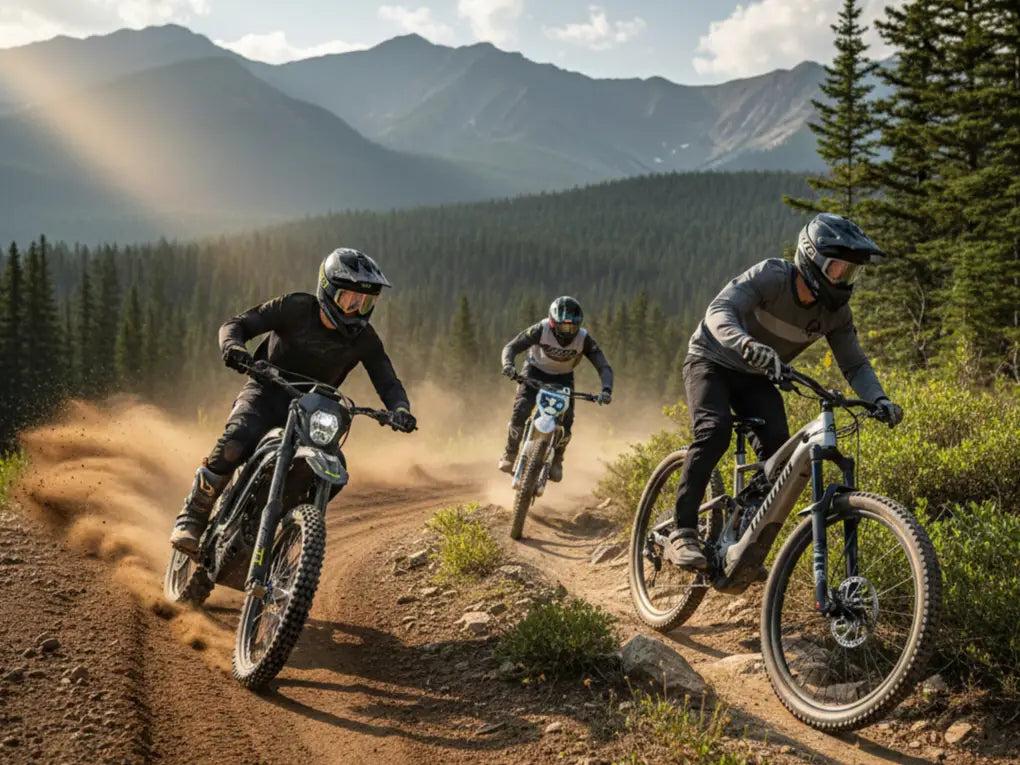
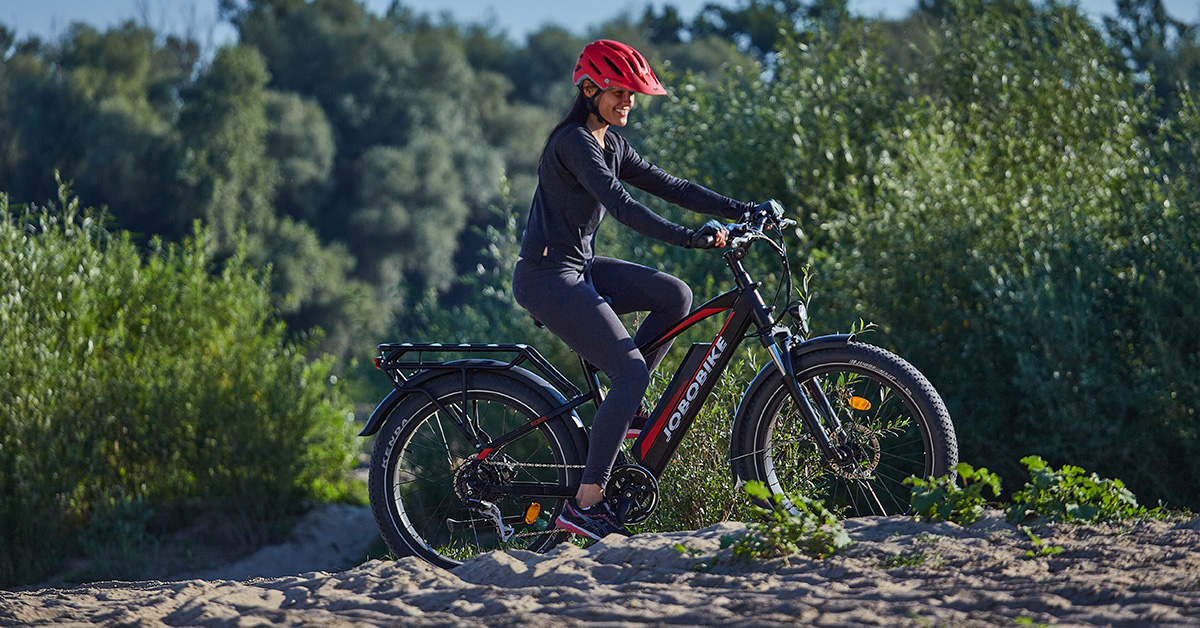
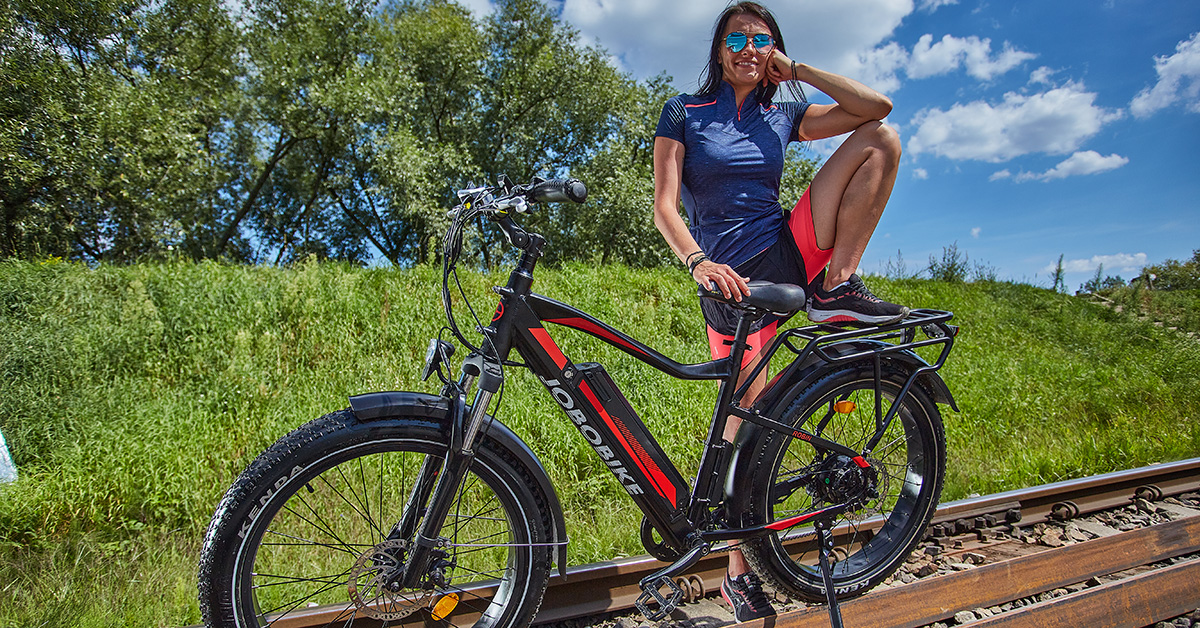
The mountain electric bike (e-MTB) blends raw mechanical strength with modern electric technology.
Designed for steep climbs and rugged terrain, these bikes feature high-torque mid-drive motors, reinforced frames, and advanced suspension systems that allow riders to explore trails that traditional bikes can’t reach.
For OEM manufacturers, the e-MTB segment represents a rapidly growing category with strong demand across adventure, tourism, and premium mobility markets.
Core Engineering Behind Mountain E-Bikes
Building an e-MTB requires careful balance between power delivery, weight distribution, and structural endurance.
Key technical features include:
-
Mid-drive motor systems (500–1000W) with torque output up to 120 Nm
-
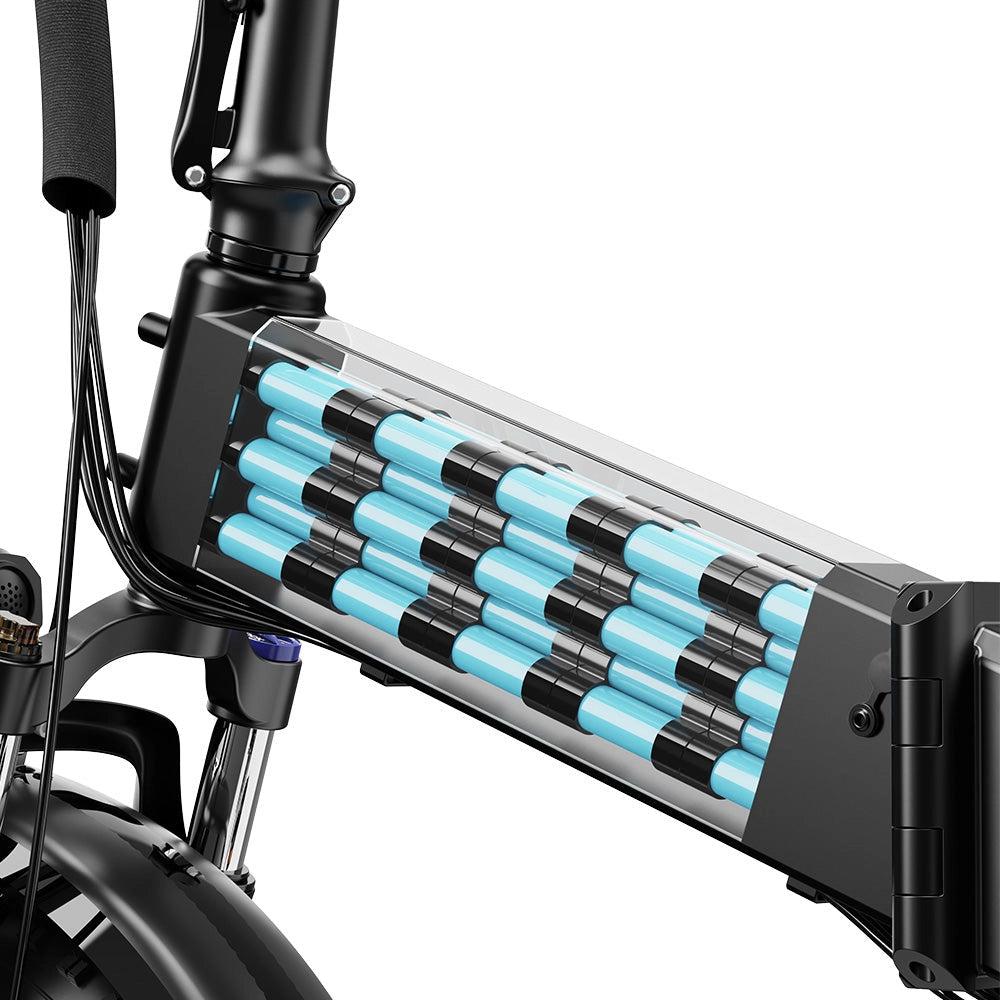
High-capacity lithium battery (48V 15–20Ah) for 80–120 km range
-
Full suspension geometry (front 150mm / rear 120mm travel)
-
Hydraulic disc brakes (180–203mm) for reliable downhill control
-
Aluminum or carbon alloy frame designed for shock resistance
-
Intelligent torque sensors that adjust assist levels based on terrain
These elements combine to create maximum traction and efficiency, even on unstable ground or long-distance mountain routes.
Comparison: Mountain vs City E-Bike
| Feature | City E-Bike | Mountain E-Bike |
|---|---|---|
| Motor Type | 250–350W rear hub | 500–1000W mid-drive |
| Torque Output | 40–60 Nm | 80–120 Nm |
| Frame Design | Urban geometry | Reinforced off-road structure |
| Suspension | Basic front fork | Dual full suspension |
| Tire Type | Smooth road tires | Knobby off-road tires |
| Ideal Terrain | Asphalt, mild slopes | Trails, hills, gravel, and rock |
The difference lies in power delivery and durability — mountain models are built for unpredictable terrain and intense endurance rides.
Manufacturing Insight from JOBO ebike
At JOBO ebike, we engineer mountain e-bike platforms that combine durability with precision handling.
Our R&D team conducts torque response tuning, frame vibration analysis, and hydraulic suspension calibration for various terrain conditions.
Each model undergoes impact simulation and waterproof testing (IP65+) to ensure consistent reliability in outdoor environments.
For OEM clients, we offer both standard performance frames and custom designs for premium e-MTB projects — balancing off-road capability with export-ready compliance.
OEM Customization Options
| Customizable Component | Available Options | OEM Benefit |
|---|---|---|
| Motor System | 500W–1000W mid-drive | Strong climbing power |
| Battery Setup | 48V 15–20Ah removable | Long-distance range |
| Frame Material | Aluminum / Carbon alloy | Lightweight durability |
| Suspension Type | Hardtail / Full suspension | Terrain versatility |
| Brake System | Hydraulic disc (180–203mm) | Safer downhill control |
| Display Unit | Smart LCD / App-connected | Brand consistency |
These customization modules help OEM partners design e-MTB models tailored for local markets, from entry-level adventure riders to professional enthusiasts.
What Buyers Should Check Before Ordering
| Common Issue | Why It Matters | Recommendation |
|---|---|---|
| Low torque motor | Poor uphill performance | Choose ≥80 Nm torque |
| Weak frame joints | Risk under heavy impact | Request FEA stress tests |
| Overheating controller | Power loss on climbs | Ensure heat-dissipating housing |
| Poor waterproofing | Fails in mud or rain | Verify IP65–IP67 compliance |
| Unstable suspension setup | Reduces control | Use preload-adjustable forks |
| Battery imbalance | Shorter lifespan | Require smart BMS integration |
Frequently Asked Questions
Q1: Are mountain e-bikes heavier than standard ones?
Yes, typically 22–28 kg, depending on frame material and battery capacity, due to reinforced components.
Q2: What’s the ideal torque for mountain use?
Between 80–120 Nm, depending on terrain steepness and load.
Q3: Can mountain e-bikes be customized for rental or fleet operations?
Absolutely. JOBO provides OEM solutions for tourism fleets with GPS tracking, removable batteries, and enhanced waterproofing.
Power Meets Adventure
The mountain electric bike is built for riders who push boundaries — and for brands that demand endurance, stability, and precision.
At JOBO ebike, we combine mid-drive motor technology, durable frame engineering, and OEM-grade flexibility to deliver performance-ready mountain e-bike systems.
To explore collaboration opportunities or request technical specifications, visit our homepage or contact our team via the contact page.