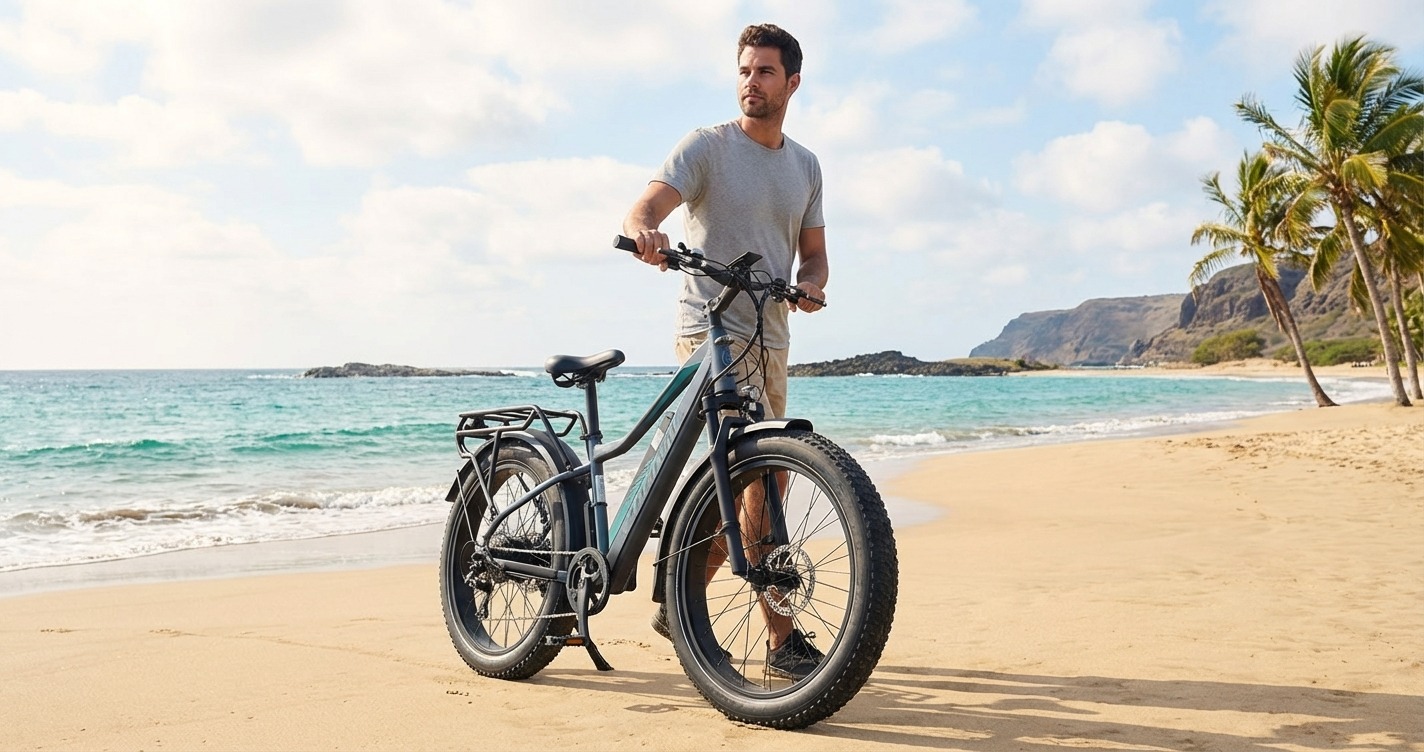
The Rise of Private Label Electric Bicycles: A Game-Changer for Eco-Conscious Brands
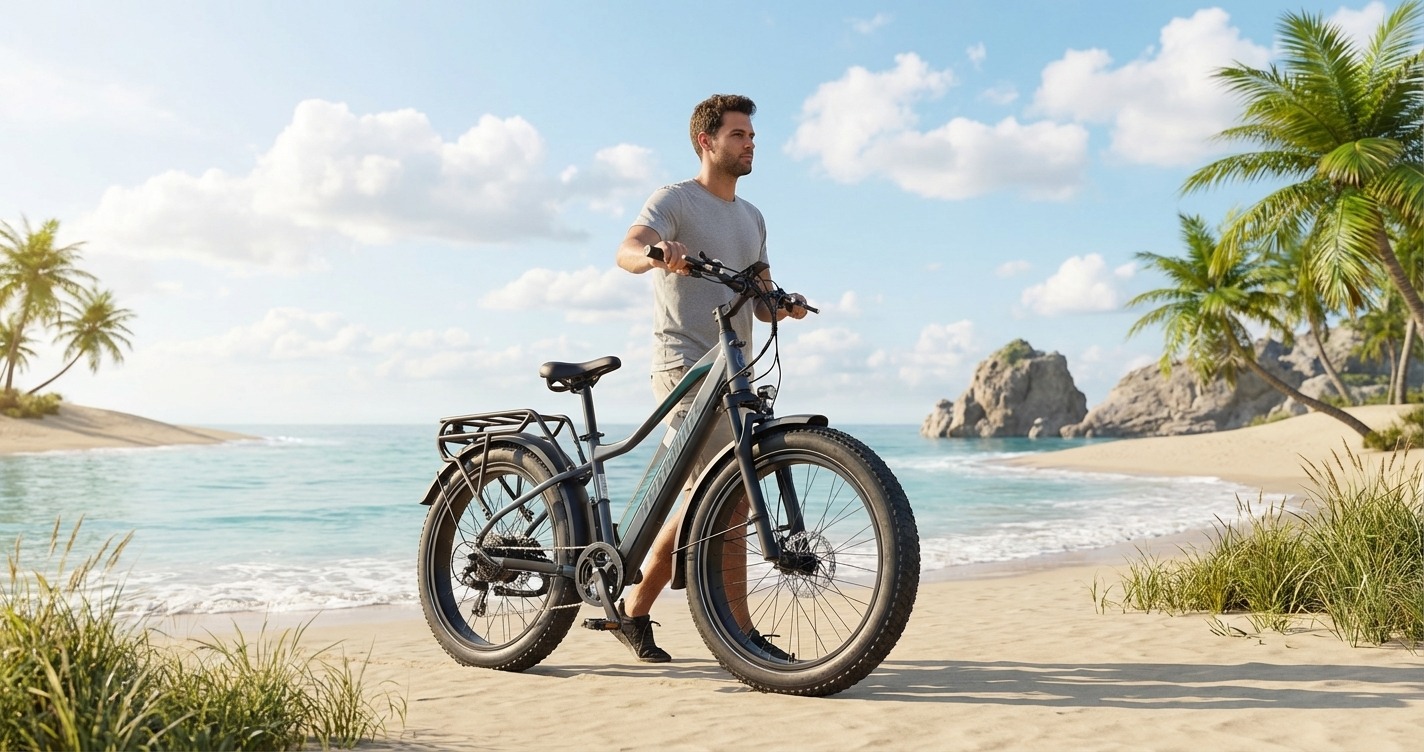
In the rapidly evolving world of sustainable transportation, private label electric bicycle production stands out as a revolutionary approach for brands aiming to capture the growing demand for eco-friendly mobility. As an advocate for innovative cycling solutions, I firmly believe that partnering with specialized manufacturers allows companies to craft unique electric bicycles that align perfectly with their vision, without the hefty costs of in-house development. This model not only empowers smaller brands to compete but also accelerates the shift toward greener urban commuting. Drawing from the latest trends, private label electric bicycle options are blending cutting-edge technology with customizable designs, making them indispensable for forward-thinking entrepreneurs.
Unlocking Branding Potential with Electric Bicycle Branding Solutions
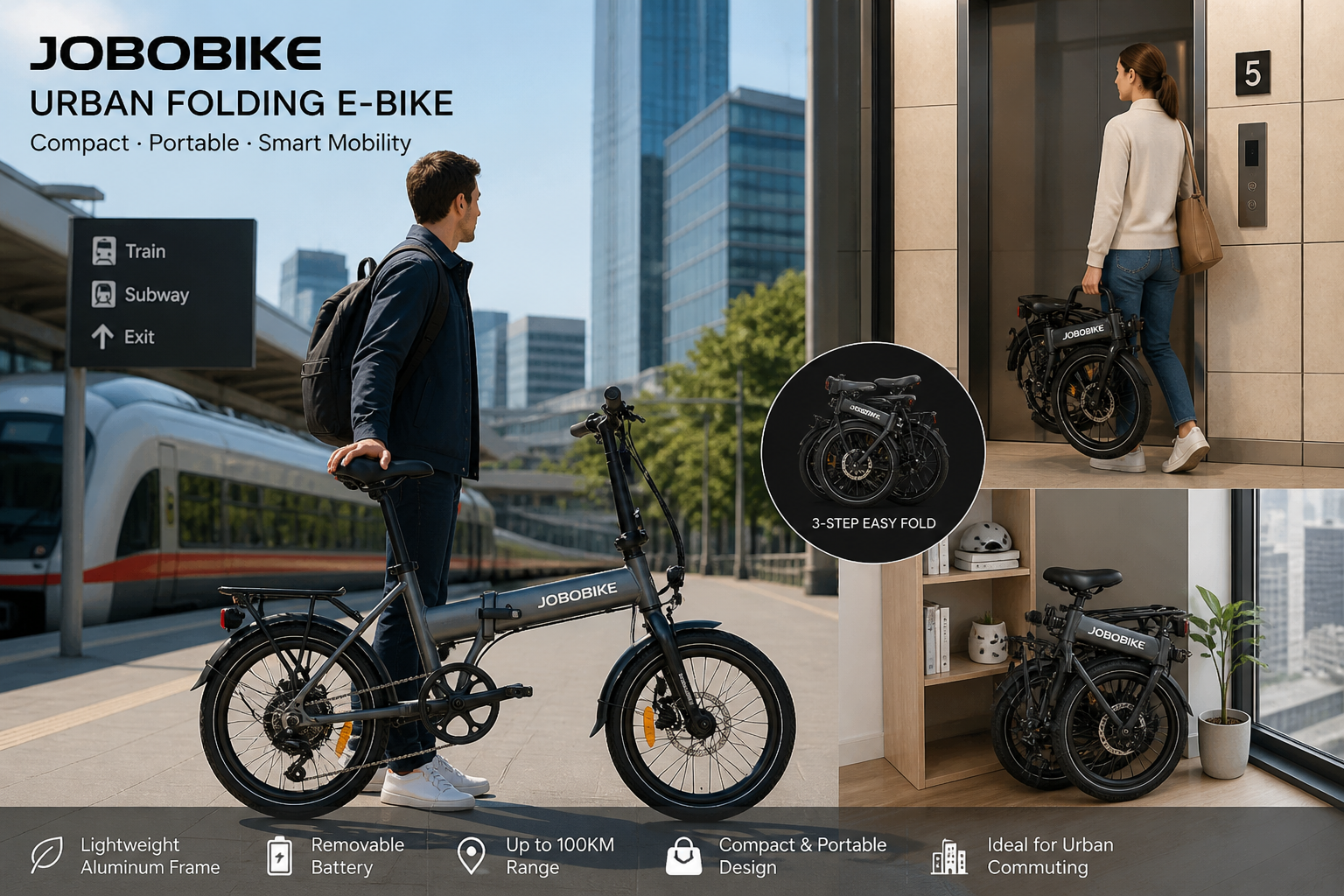
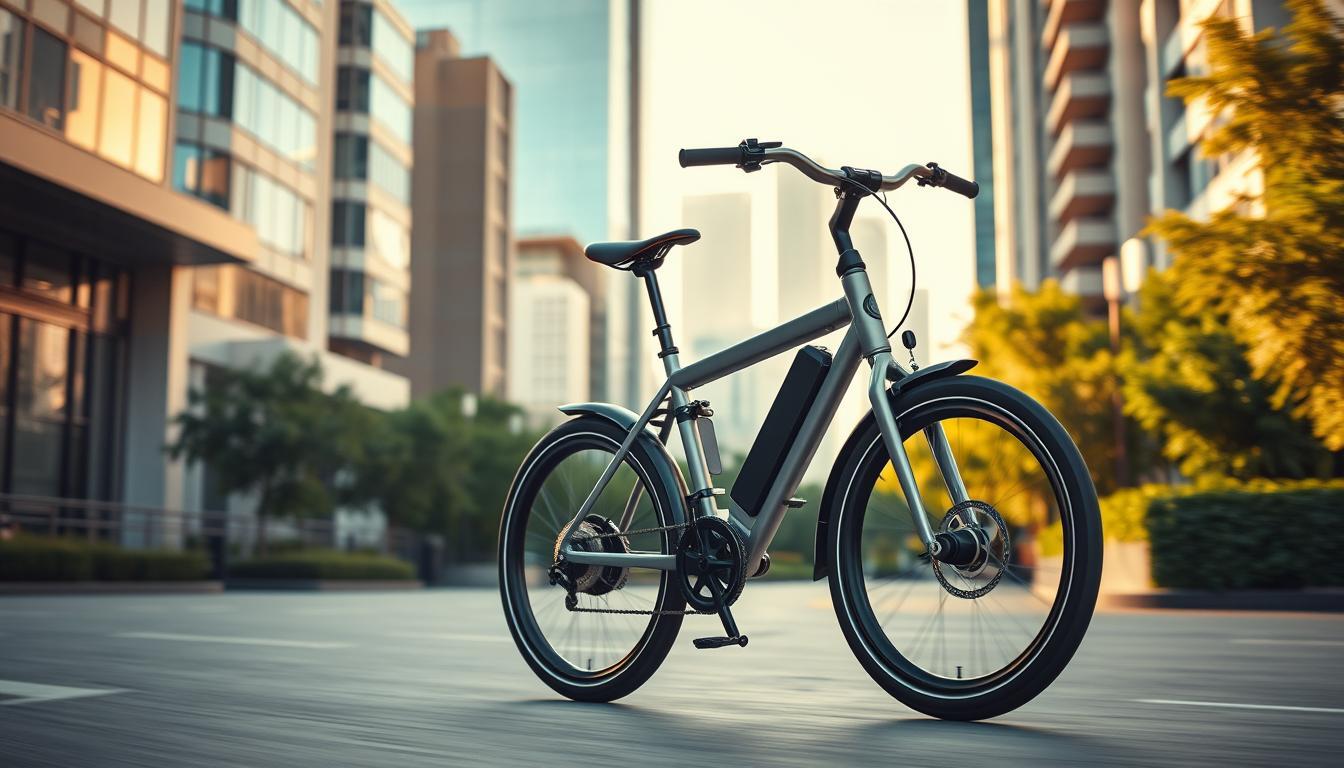
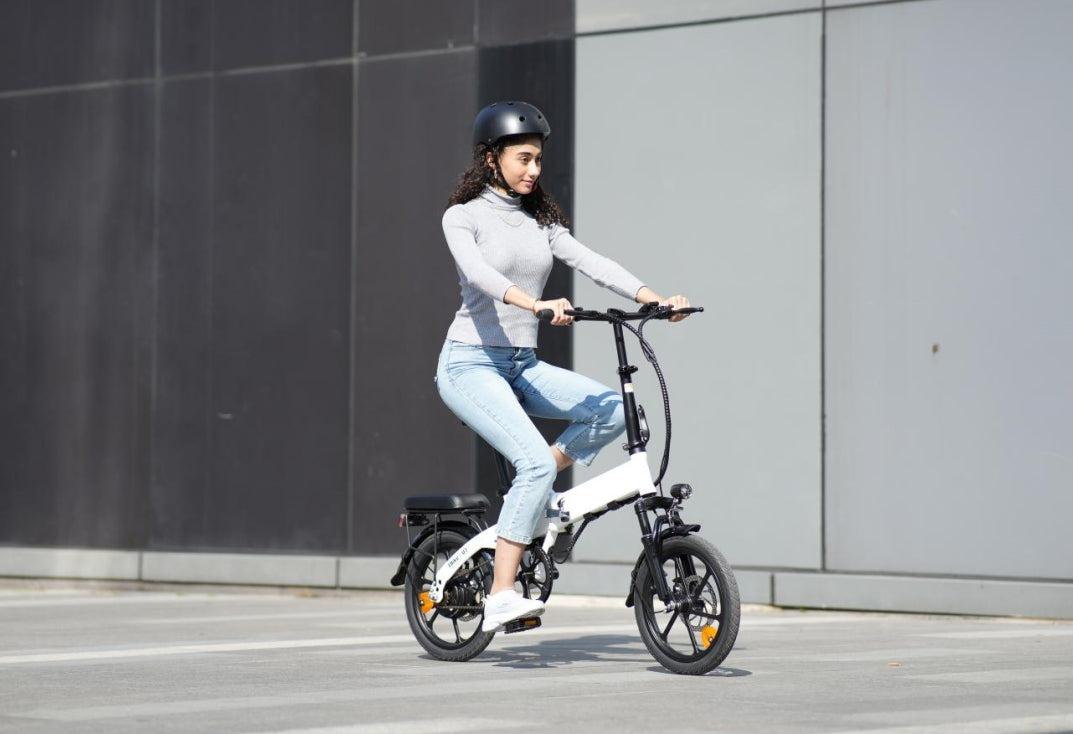
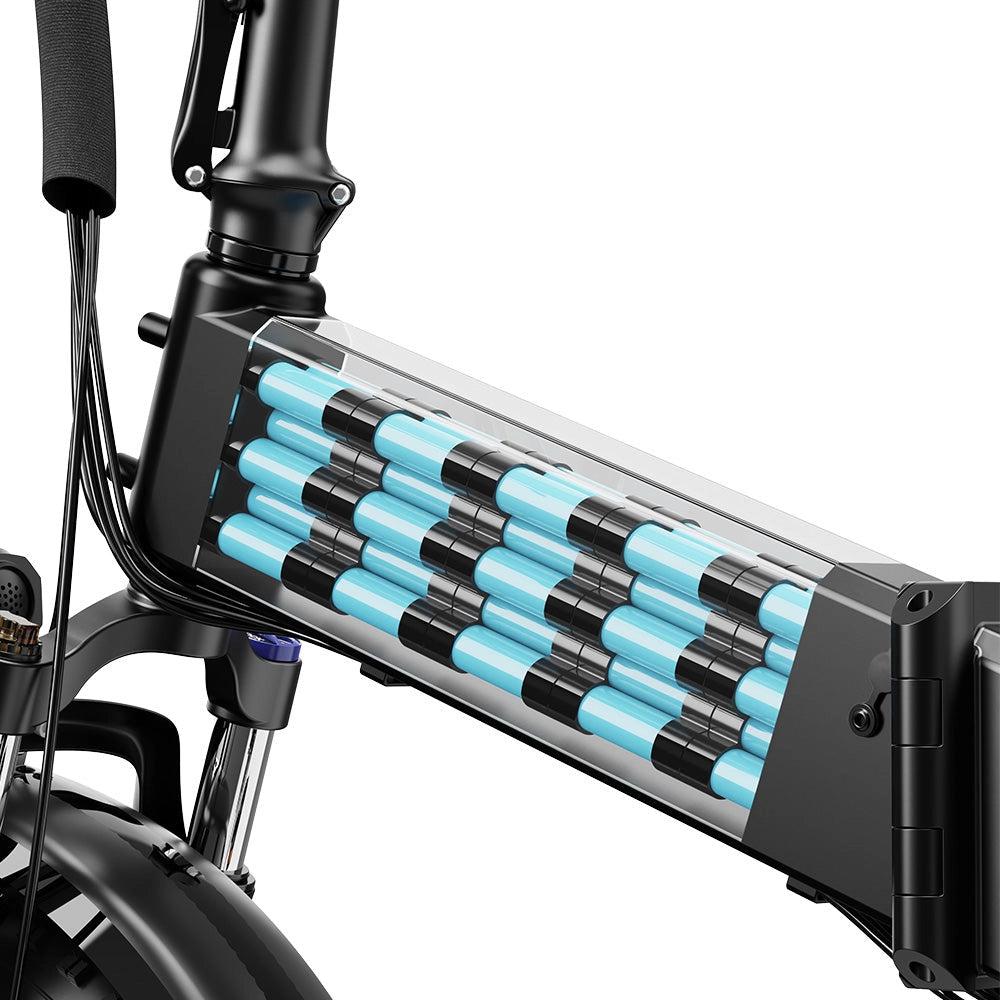
Electric bicycle branding solutions offer unparalleled flexibility, enabling businesses to infuse their identity into every aspect of the bike—from frame aesthetics to performance specs. In my opinion, this customization is crucial in a market saturated with generic models; it allows brands to stand out and build loyal customer bases. For instance, by collaborating with private label bike suppliers, companies can tailor fat-tire e-bikes for adventure seekers or sleek commuters for city dwellers, all while incorporating sustainable materials that resonate with environmentally aware consumers. These solutions extend beyond mere aesthetics; they encompass integrated battery systems and ergonomic features that enhance user experience, ensuring the final product feels premium and personal. I argue that ignoring such branding opportunities means missing out on the emotional connection that turns a simple purchase into a lifestyle statement.
The Backbone of Success: OEM Electric Bicycle Manufacturing Excellence
At the heart of effective private label strategies lies OEM electric bicycle manufacturing, where quality control meets scalable production. As someone passionate about ethical manufacturing, I contend that choosing reliable OEM partners is non-negotiable for delivering bikes that withstand real-world demands, like rugged terrains or daily commutes. These manufacturers provide robust frames, powerful motors, and extended-range batteries, all customizable to your brand's ethos. Take, for example, the integration of sophisticated suspension systems and rear racks—features that not only boost functionality but also elevate the bike's appeal for diverse users, from urban explorers to off-road enthusiasts. In my view, OEM services democratize access to high-end electric bike production services, allowing even startups to launch products that rival industry giants without compromising on innovation or sustainability.
Navigating the Landscape of Private Label Bike Suppliers and Beyond
Selecting the right private label bike suppliers can make or break a brand's entry into the e-bike market, and I strongly advocate for those who prioritize transparency and agility in electric bike production services. These suppliers handle everything from prototyping to mass production, ensuring that each private label electric bike embodies technological prowess, such as lightweight yet durable builds and grip-enhancing fat tires that conquer any path. From my perspective, the true value lies in their ability to adapt to niche needs, like eco-friendly components or adventure-ready designs, fostering a market where sustainability drives profitability. This approach not only reduces environmental impact but also positions brands as leaders in conscious consumerism. Ultimately, embracing private label electric bicycle manufacturing isn't just a business decision—it's a bold stance on redefining mobility for a greener future, where style, performance, and responsibility converge seamlessly.
In conclusion, the ecosystem of private label electric bicycles, bolstered by expert electric bicycle branding solutions and OEM electric bicycle manufacturing, represents a pivotal shift toward accessible, personalized e-mobility. With private label bike suppliers leading the charge in electric bike production services, I predict a surge in innovative models that empower users to explore without limits. Brands that invest here will not only thrive but also contribute to a more sustainable world—one pedal at a time.