
The Rise of Practical Electric Mobility
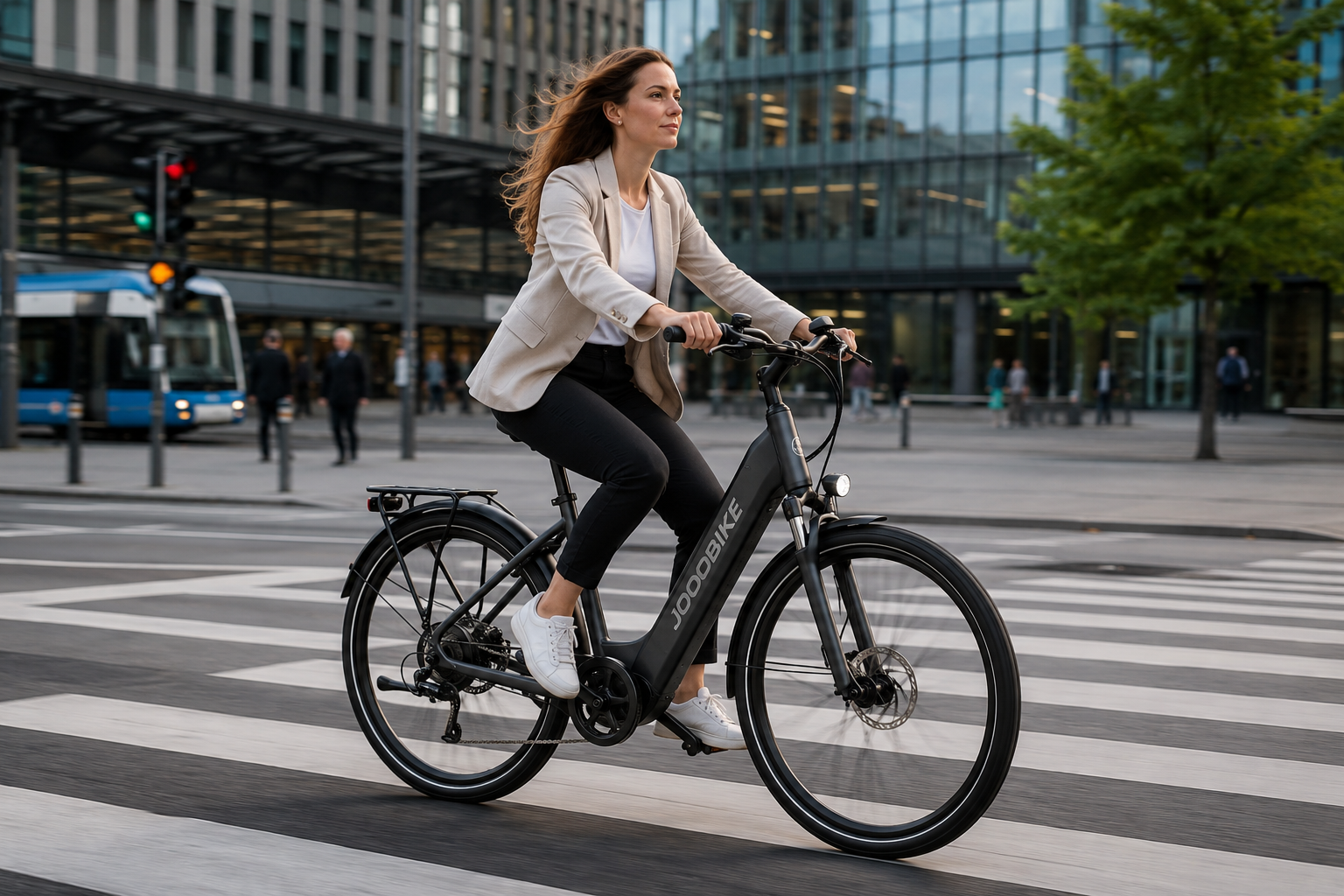
Urban mobility today demands adaptability — from morning commutes to grocery runs, from delivery tasks to weekend rides.
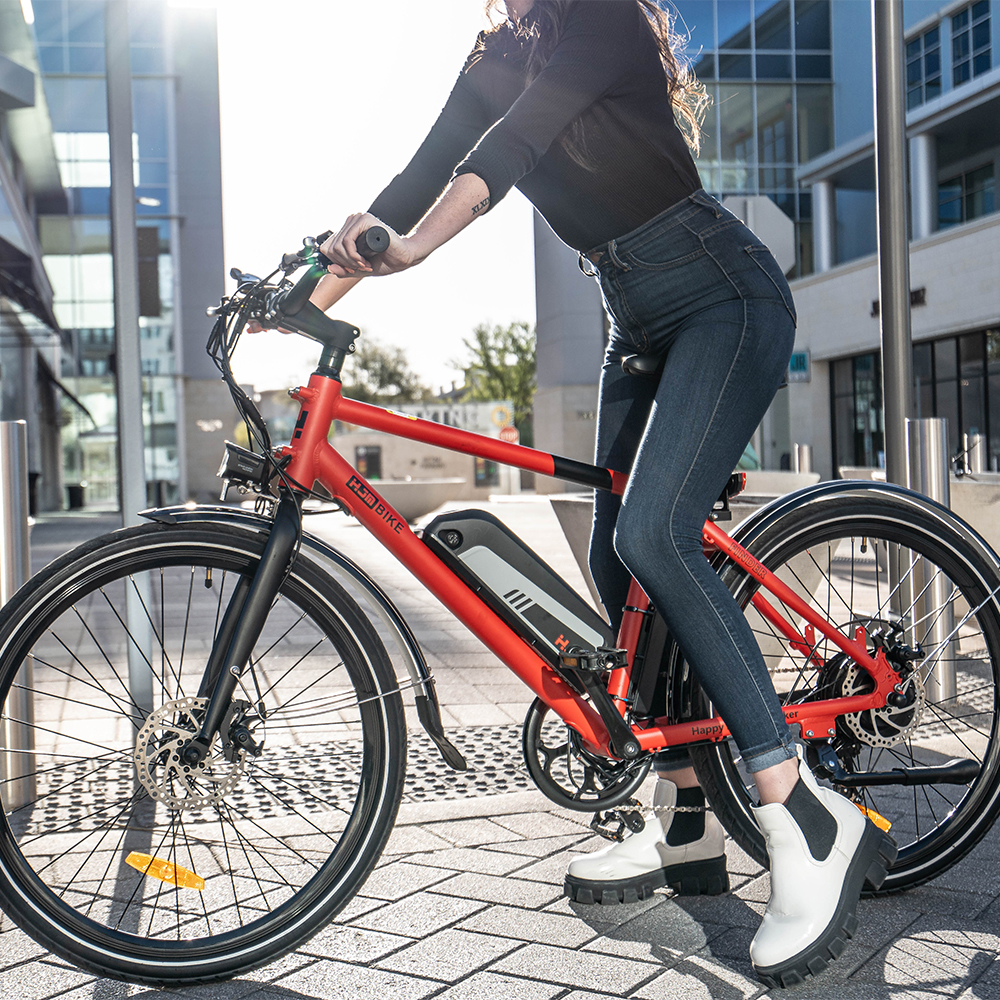
The utility e-bike represents this new flexibility. It combines the load-carrying strength of a cargo bike with the comfort and accessibility of a city commuter.
Unlike purely recreational models, utility bikes are designed for multi-purpose daily use — handling errands, short deliveries, or even family transport — without compromising performance or ease of handling.
Structural Engineering for Versatility
The strength of a utility model lies in balanced design rather than size.
Core engineering features include:
-
Reinforced mid-frame geometry for front or rear racks
-
6061 aluminum tubing for strength-to-weight optimization
-
Mounting points for child seats or cargo boxes
-
Low center of gravity for stable handling under mixed load
-
Adjustable handlebars and seats for shared family use
These details make a utility e-bike suitable for both individual riders and shared-use scenarios — from households to small businesses.
Power Systems Tailored to Everyday Use
Because utility bikes face frequent start-stop cycles, reliability and torque matter more than sheer top speed.
Common setups include:
-
36V or 48V hub motors for smooth acceleration
-
Torque-assisted controllers to optimize power draw
-
12–15Ah batteries offering 50–80 km real range
-
Optional dual-battery versions for heavier loads or long days
Energy efficiency and predictable handling are prioritized over raw motor output, ensuring durability across varied usage patterns.
Utility E-Bike vs. Commuter & Cargo Models
| Feature | Utility E-Bike | Commuter E-Bike | Cargo E-Bike |
|---|---|---|---|
| Load Capacity | Medium (20–40 kg) | Low (5–10 kg) | High (60+ kg) |
| Frame Geometry | Balanced, compact | Lightweight | Extended wheelbase |
| Maneuverability | High | Very high | Moderate |
| Ideal Users | Families, small businesses | Office commuters | Delivery fleets |
| Motor Tuning | Mid torque, efficient | Low torque | High torque |
This table shows how utility models provide the best balance between flexibility, handling, and practicality.
Manufacturing Insight from JOBO ebike
At JOBO ebike, utility-oriented platforms are engineered with modular mounting systems and battery options for multiple usage profiles.
Frames undergo stability testing with varied load distributions to ensure predictable performance whether carrying cargo or passengers.
By blending commuter comfort with carrier functionality, JOBO ebike supports OEM buyers building city-ready, multi-purpose product lines.
Recommended Configurations for Common Utility Scenarios
1. Family & Personal Transport
-
Rear rack for child seat
-
Step-through frame
-
36V 15Ah battery
-
Hydraulic brakes for safety
2. Business & Office Commuting
-
Front carrier mount for bags or briefcases
-
Lightweight motor for smooth handling
-
Fast-charging battery design
3. Delivery & Shop Owners
-
Reinforced rear rack
-
48V battery for extended range
-
Waterproof connectors for all-weather use
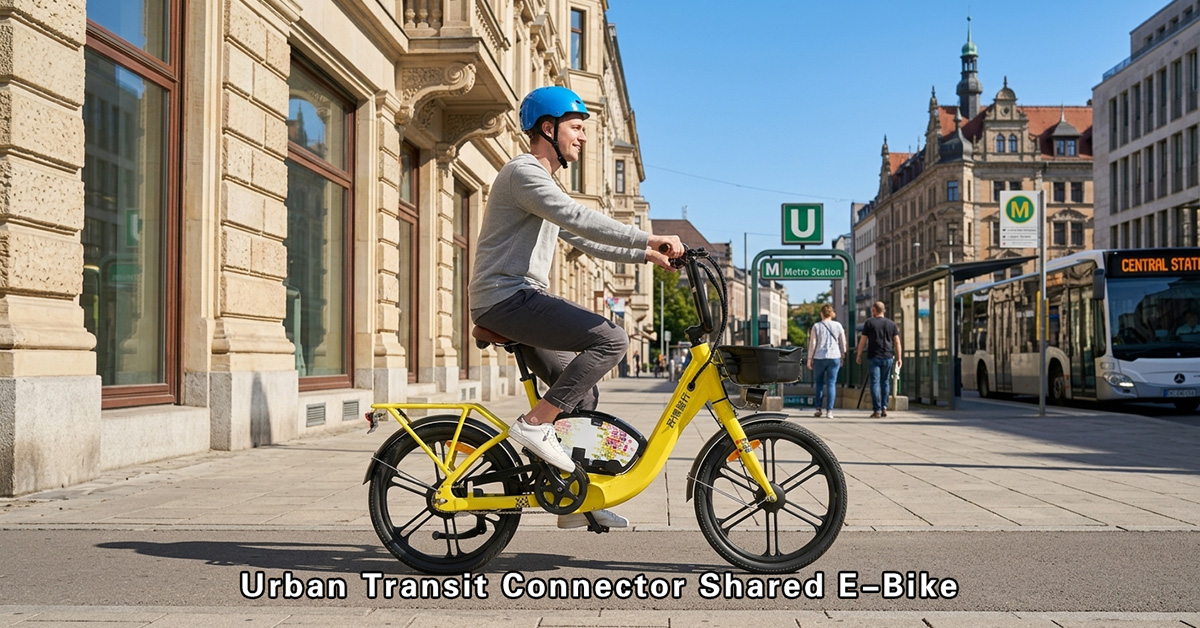
4. Fleet or Sharing Platforms
-
Modular racks and lights
-
Anti-theft GPS integration
-
Easy maintenance access
What Buyers Should Check Before Purchasing
| Common Issue | Why It Matters | Recommendation |
|---|---|---|
| Weak rack mountings | Fail under frequent load use | Verify welded mounting plates |
| Low-torque motors | Poor performance on slopes | Select 40–60 Nm torque output |
| Overweight frames | Difficult to maneuver | Target 22–25 kg range |
| Poor component sealing | Reduces weather resistance | Require IP-rated connectors |
| Unstable handling | Center of gravity too high | Choose balanced geometry |
| Lack of modularity | Limits versatility | Opt for multi-mount frame design |
| Missing certification | Restricts export | Ensure EN15194/CE compliance |
Frequently Asked Questions
Q1: What defines a true utility e-bike?
A frame designed to carry moderate loads safely while maintaining agility for city riding.
Q2: How much range can I expect?
Typically 50–80 km depending on motor, battery, and cargo weight.
Q3: Can a utility e-bike replace a car for daily errands?
For urban trips under 10–15 km, absolutely — it’s faster, cheaper, and emission-free.
The Everyday Workhorse for Urban Riders
As cities move toward sustainable transport, the utility e-bike provides the ideal balance between function, flexibility, and efficiency. At JOBO ebike, we continue improving load capacity, modular mounting, and frame durability to support partners building next-generation multi-purpose mobility solutions.
To explore our utility e-bike range or discuss OEM collaboration, visit our homepage or contact us through the contact page.