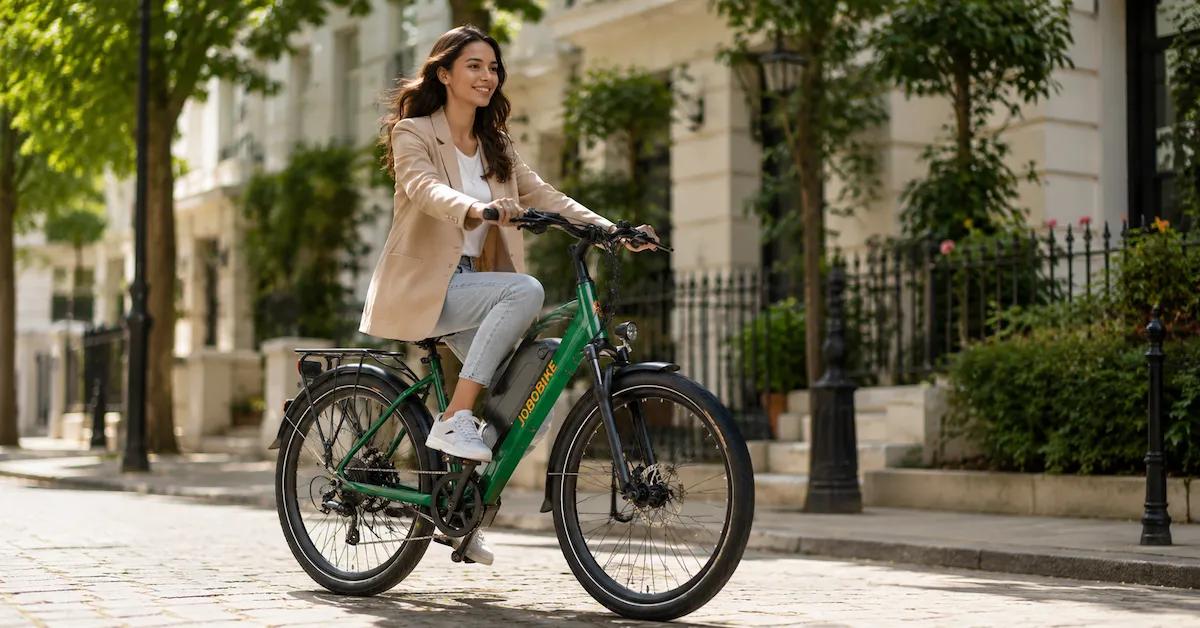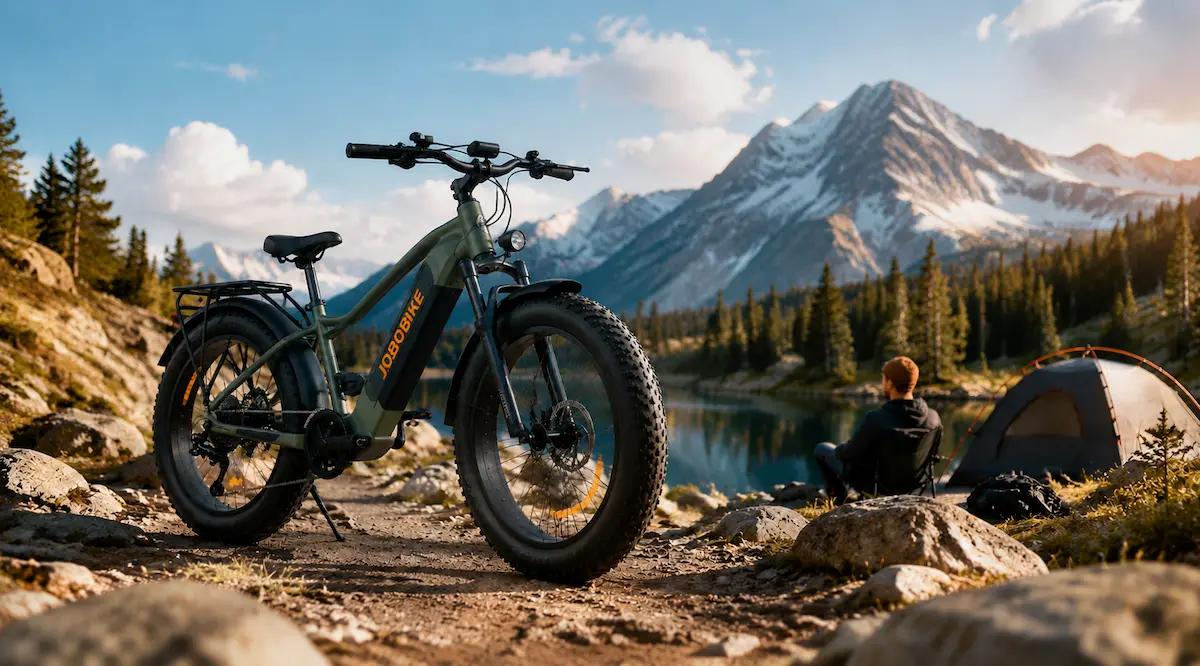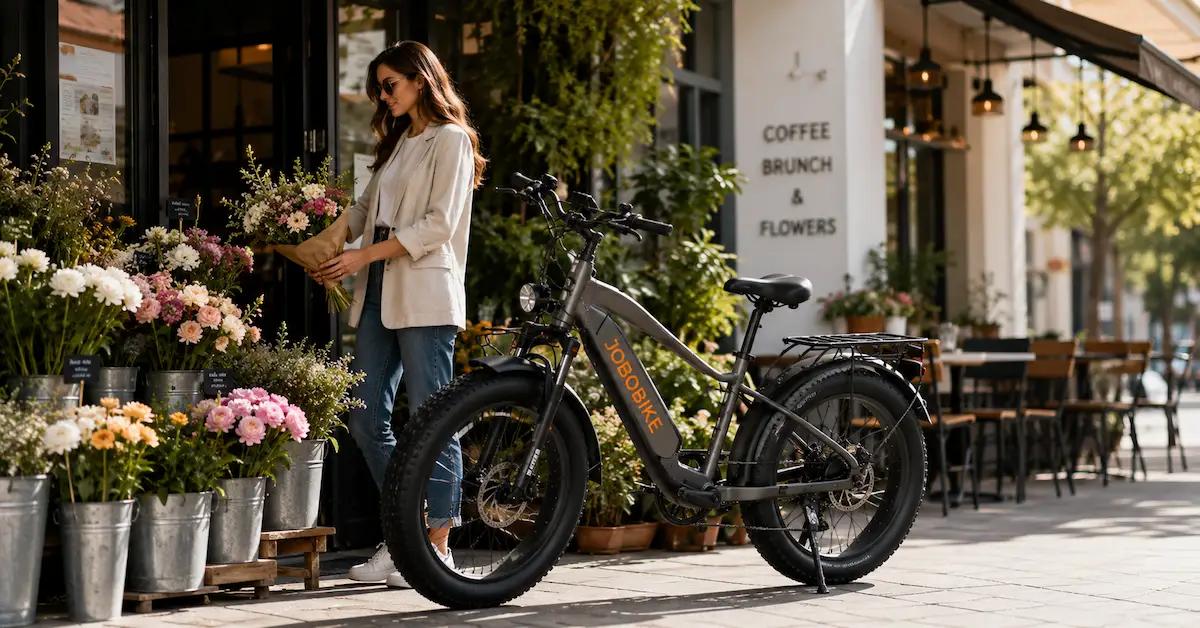
Choosing an electric bicycle OEM factory is not simply a matter of finding a factory that can place your logo on an existing frame. For serious brand owners, importers, distributors, and mobility companies, OEM cooperation must turn a commercial idea into a repeatable product with controlled specifications, consistent components, reliable quality, and clear after-sales support.
The most common sourcing problems do not always appear in the first sample. They appear when bulk production begins: an unapproved battery is substituted, the frame color changes between batches, packaging is too weak for international transport, or replacement parts are unavailable after launch.
A suitable OEM partner should therefore help you control the complete project—from market positioning and specification confirmation to sample validation, mass production, inspection, packaging, and repeat orders.
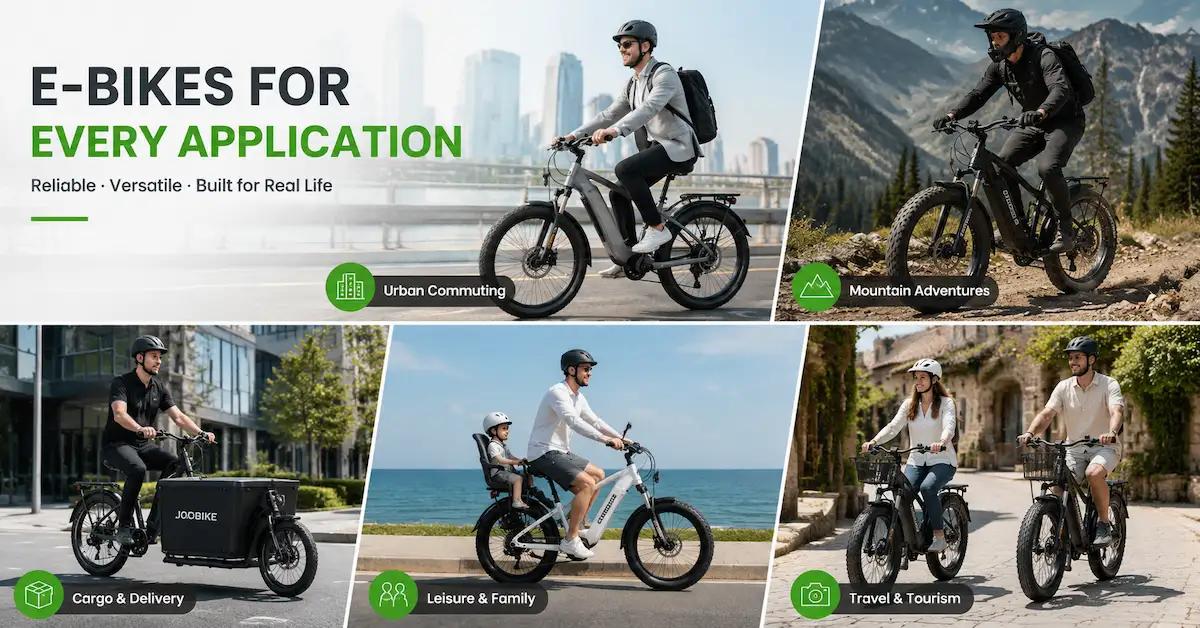
Joboev offers several electric mobility categories for B2B projects, including city electric bikes, folding electric bikes, cargo electric bikes, electric mountain bikes, off-road models, shared electric bikes, electric tricycles, electric motorcycles, kid electric bikes, and e-bike frames. Buyers can review the available categories on the Joboev product page.
What Should an Electric Bicycle OEM Factory Actually Provide?
A capable electric bicycle OEM factory should provide more than assembly capacity. It should help buyers manage five connected areas:
- Product and market positioning
- Technical configuration
- Branding and appearance customization
- Quality and batch consistency
- Production and after-sales continuity
The best factory is not necessarily the one offering the lowest initial quotation. It is the factory that can reproduce the approved sample, communicate changes before production, and support your product after it enters the market.
Which Buyers Benefit Most from OEM Factory Cooperation?
OEM production is most suitable for buyers who need brand ownership, repeat supply, or market-specific configurations.
Private-Label E-Bike Brands
These buyers need consistent visual identity, model naming, frame graphics, packaging, manuals, and controlled specifications across multiple production batches.
Importers and National Distributors
They need predictable supply, export-ready packaging, clear documentation, spare parts planning, and configurations suited to local market expectations.
Retail and Dealer Networks
They need products that are straightforward to sell and service. Component continuity and replacement-part availability are especially important.
E-Commerce Brands
Online sellers need reliable packaging, accurate specifications, consistent appearance, and controlled product quality to reduce returns and negative reviews.
Delivery and Fleet Projects
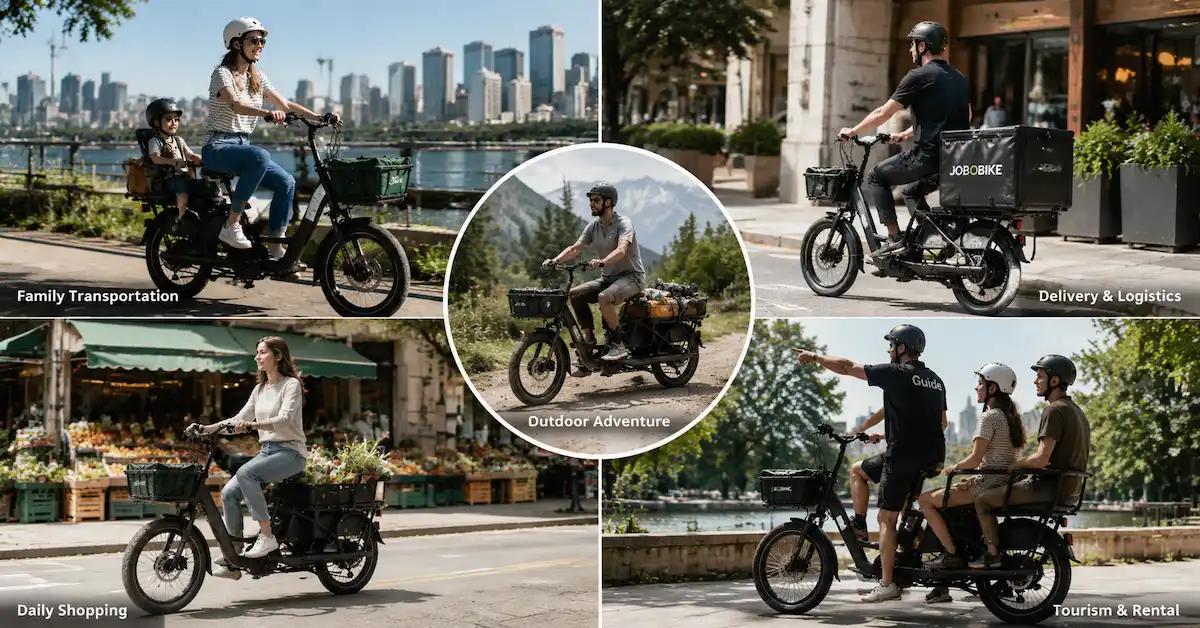
Commercial buyers may require cargo capacity, easier battery replacement, durable frames, dependable brakes, practical racks, and simplified maintenance.
OEM development is less suitable for one-unit retail buyers or purchasers who do not need branding, configuration control, or repeat production.
How Should Buyers Prepare an OEM Product Brief?
A clear product brief helps the factory recommend a realistic configuration. Sending only a reference image and asking for the “best price” usually produces an inaccurate quotation.
Your product brief should include:
- Target country or region
- Intended customer group
- Main application
- Preferred e-bike category
- Expected retail position
- Estimated order quantity
- Motor and battery expectations
- Branding requirements
- Packaging requirements
- Required launch date
- Compliance or documentation needs
For example, a commuter brand may prioritize comfortable geometry, range, lighting, fenders, and a rear rack. A delivery buyer may prioritize payload, braking, battery accessibility, frame strength, and serviceability.
A professional OEM factory should use this information to recommend a practical product platform rather than simply adding every expensive component.
Which E-Bike Platform Is Suitable for Your Market?
Different electric bicycle categories support different commercial strategies.
| Product Platform | Main Buying Priority | Suitable Buyer |
|---|---|---|
| City electric bike | Comfort, range, practical accessories | Urban brands and distributors |
| Folding electric bike | Compact storage and portability | E-commerce and commuter markets |
| Cargo electric bike | Load capacity and commercial durability | Delivery and logistics projects |
| Electric mountain bike | Torque, suspension, and traction | Outdoor and sports brands |
| Off-road electric bike | Wider tires and rugged construction | Adventure and rural markets |
| Shared electric bike | Easy maintenance and repeated use | Rental and fleet operators |
| E-bike frame project | Geometry and component integration | Deeper OEM or ODM development |
New brands often reduce risk by starting with a mature platform and customizing its branding, color, battery, motor, accessories, and packaging. Completely new frame development normally requires more engineering time, validation, tooling, and order commitment.
What Technical Details Must Be Locked Before Sampling?
The specification sheet should be treated as a controlled project document. Every major component must be clearly recorded before the sample is produced.
| Specification Area | Items to Confirm | Commercial Impact |
|---|---|---|
| Motor system | Power, position, torque characteristics | Performance and market positioning |
| Battery system | Voltage, capacity, case, charging method | Range, safety, replacement cost |
| Frame | Material, geometry, finish, battery integration | Comfort, strength, brand appearance |
| Brakes | Mechanical or hydraulic disc system | Safety and customer expectations |
| Tires | Diameter, width, tread pattern | Terrain use, comfort, packaging size |
| Display and controls | Display type, assist levels, controls | User experience |
| Accessories | Lights, rack, fenders, basket, kickstand | Application suitability |
| Branding | Logo location, model name, labels | Brand consistency |
| Packaging | Carton, protection, accessories, manual | Shipping damage and unboxing |
The factory should not change approved components without written confirmation. If a component becomes unavailable, the replacement should be reviewed for price, appearance, technical compatibility, and after-sales impact before production continues.
How Does a Professional OEM Development Process Work?
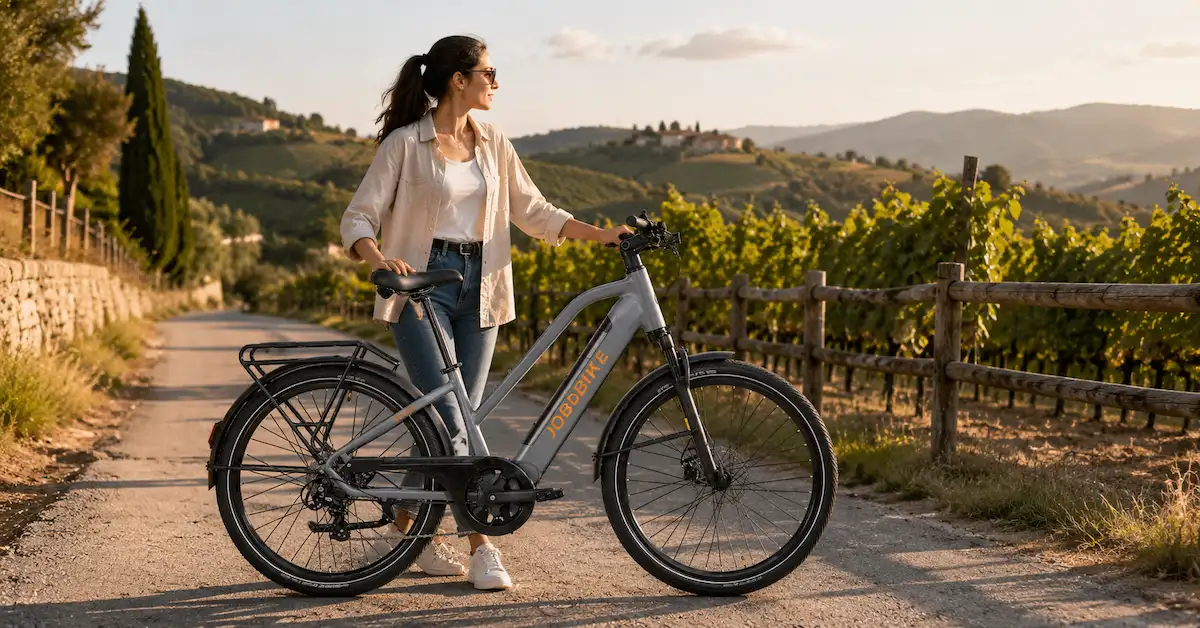
A controlled OEM process normally includes the following stages.
Step 1: Buyer Requirement Review
The factory reviews the target market, application, product category, price position, quantity, and customization needs.
Step 2: Base Model and Configuration Proposal
A suitable platform is selected, followed by motor, battery, brakes, tires, display, accessories, and packaging recommendations.
Step 3: Specification Lock
Both parties confirm a written specification sheet, branding artwork, color references, packaging requirements, and included accessories.
Step 4: Sample Production
The factory prepares a sample based on the approved details. The buyer evaluates appearance, fit, riding behavior, component quality, branding, and packaging.
Step 5: Sample Validation
Any requested changes are recorded. The final approved sample becomes the production reference.
Step 6: Pre-Production Confirmation
Before mass production, both parties reconfirm the bill of materials, artwork, color, labels, manuals, packaging, and production quantity.
Step 7: Mass Production and Inspection
The factory assembles the order according to the confirmed specification and carries out process and final inspections.
Step 8: Packing and Shipment Preparation
Bikes, chargers, manuals, accessories, and spare parts are checked before loading.
A structured process reduces misunderstandings and helps the buyer maintain consistent products across repeat orders.
What Quality Checks Should Buyers Request?
Quality control should cover incoming components, assembly processes, finished products, and packaging.
Important inspection areas include:
- Frame welding and surface finish
- Fork and wheel alignment
- Battery charging and functional performance
- Motor and controller operation
- Wiring, connectors, and cable routing
- Brake adjustment
- Gear shifting
- Display and pedal-assist functions
- Front and rear lighting
- Tire pressure and wheel installation
- Accessories and fasteners
- Riding or functional testing
- Packaging protection and carton contents
For private-label products, branding details must also be inspected. Logo position, label content, frame color, carton printing, manuals, and accessories should match the approved sample.
Ask whether the factory can provide pre-shipment photos, inspection records, or video confirmation for your order.
How Can Buyers Prevent Sample-to-Bulk Inconsistency?
A visually attractive sample does not guarantee a consistent mass-production order. Buyers can reduce this risk through a configuration-lock process.
Before paying the bulk-order deposit, confirm:
- Final bill of materials
- Approved sample photos
- Component brands or reference numbers
- Battery and charger details
- Color reference
- Logo artwork and position
- Packaging drawing
- Manual language
- Included tools and accessories
- Spare parts list
- Inspection requirements
The factory should notify the buyer before making any substitution. Silent component changes are a major risk because they may affect performance, warranty, customer support, and future repeat orders.
What OEM Customization Creates Real Market Value?
Not every customization adds commercial value. Buyers should prioritize changes that support clear market positioning.
Useful OEM options include:
- Frame and battery branding
- Custom color combinations
- Market-appropriate motor and battery configuration
- Tire and brake selection
- Commuter accessories
- Cargo racks or delivery accessories
- Display and control configuration
- Packaging and manual design
- Model naming and labels
- Spare-parts packages
Minor visual changes can be suitable for a first launch. Deeper ODM development may include frame geometry, integrated battery structures, unique accessories, or dedicated tooling.
For most new brands, phased customization is safer:
- Begin with a proven model.
- Customize brand identity and key specifications.
- Test the market.
- Use customer feedback for the next production batch.
- Develop a more exclusive platform after demand is validated.
How Should Buyers Compare OEM Factory Quotations?
Two quotations may show similar bike photos but include very different components and services.
When comparing prices, check:
- Battery capacity and cell specification
- Motor configuration
- Brake type
- Frame material
- Tire size and quality
- Display and controller
- Included accessories
- Logo and color cost
- Packaging standard
- Sample charges
- Spare-parts allowance
- Testing or documentation costs
- Shipping terms
A lower quotation may exclude items that another factory includes. Always compare a line-by-line specification rather than comparing only the final unit price.
The real cost of sourcing includes warranty claims, replacement parts, damaged shipments, delayed launches, and customer dissatisfaction—not only the factory price.
What Should Buyers Confirm About Compliance and Shipping?
Market requirements differ by country, product category, motor configuration, battery, and charger. Buyers should identify compliance needs before finalizing the specification.
Discuss with the factory:
- Product testing required for the destination market
- Battery transport documentation
- Charger and electrical requirements
- Local motor and speed limitations
- Product labels and manuals
- Shipping restrictions
- Export packaging
- Customs documentation
Do not assume that one configuration is suitable for every market. Ask the factory to clarify which documents are available and whether additional third-party testing is necessary.
How Should Lead Time and Repeat Orders Be Managed?
OEM lead time depends on customization depth, component availability, sample approval, quantity, and packaging requirements. Instead of relying on a verbal estimate, buyers should request a written timeline covering:
- Specification confirmation
- Artwork approval
- Component preparation
- Sample production
- Sample revision
- Mass production
- Inspection
- Packaging
- Shipment readiness
Repeat orders should be planned before inventory is exhausted. Buyers should also ask whether the approved components will remain available and how substitutions will be handled in future batches.
Stable repeat production is one of the strongest signs of a dependable electric bicycle OEM factory.
What After-Sales Support Should Be Agreed Before Ordering?
After-sales planning should begin before shipment, not after a problem appears.
Confirm whether the factory can provide:
- Spare batteries and chargers
- Displays and controllers
- Brake components
- Lighting and wiring parts
- Tires, tubes, or related parts
- Replacement racks and fenders
- Troubleshooting guidance
- Technical diagrams or manuals
- Warranty terms
- Replacement-part ordering procedures
Distributors and brand owners should create a spare-parts package based on order quantity and expected service needs. This can reduce customer downtime and improve local warranty support.
Why Consider Joboev for an Electric Bicycle OEM Project?
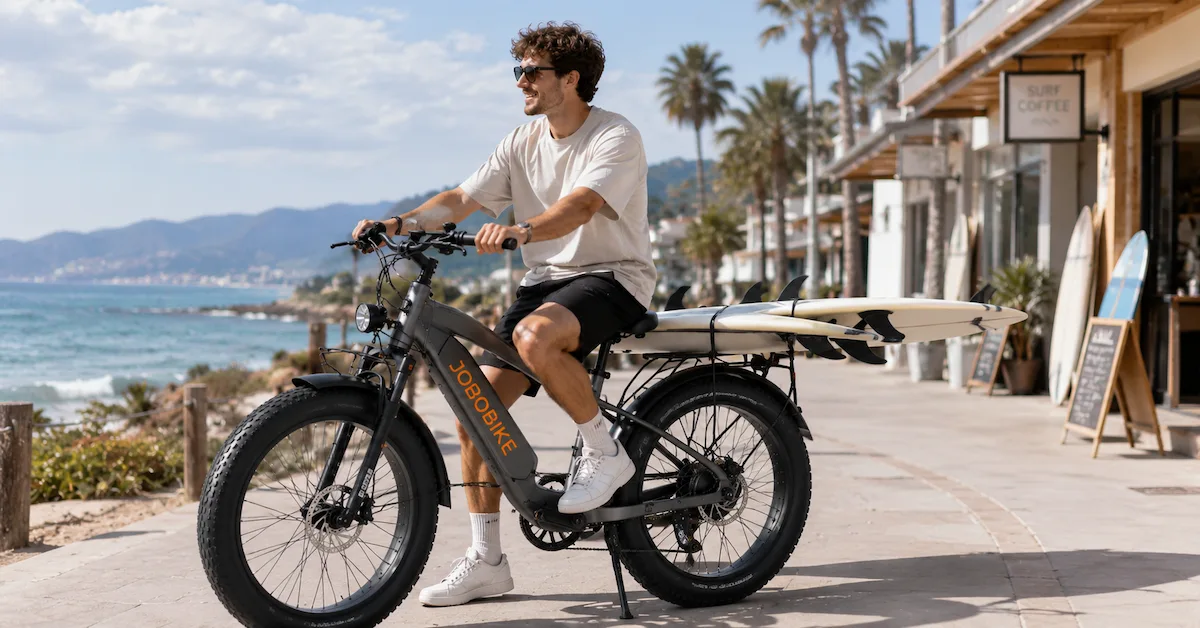
Joboev’s product structure covers city, folding, cargo, mountain, off-road, shared, tricycle, motorcycle-style, kid electric bike, and e-bike frame categories. This gives brand owners and distributors several starting platforms for different markets.
Buyers can review the company background on the Joboev About Us page, explore available platforms through the product collection, and review additional sourcing topics in the Joboev blog.
For a productive first discussion, prepare:
- Target market
- Preferred product category
- Expected quantity
- Motor and battery requirements
- Branding artwork
- Packaging expectations
- Required delivery schedule
You can submit these details through the Joboev Contact Us page to request model recommendations and an OEM quotation.
FAQ
1. What is an electric bicycle OEM factory?
An electric bicycle OEM factory manufactures e-bikes according to a buyer’s brand, specification, configuration, packaging, and commercial requirements.
2. Is OEM production the same as private labeling?
Private labeling often focuses on logos, colors, packaging, and model names. OEM production may also include component configuration, accessories, performance requirements, and structural adjustments.
3. Can I start an OEM project with an existing e-bike model?
Yes. Starting from a proven platform is often the most practical option for a new brand because it reduces development time and technical risk.
4. Which specifications can be customized?
Common options include motor, battery, brakes, tires, display, accessories, frame color, logo, labels, packaging, and manuals.
5. Why is a written specification sheet important?
It records the approved components and details, helping prevent misunderstandings and unapproved changes during mass production.
6. How do I prevent the bulk order from differing from the sample?
Approve a final specification sheet, bill of materials, artwork, color reference, packaging details, and production sample before mass production.
7. What quality checks should an OEM factory perform?
Checks should cover the frame, battery, motor, controller, wiring, brakes, gears, lights, display, wheels, accessories, riding functions, and packaging.
8. Can an OEM factory provide spare parts?
A reliable factory should discuss replacement batteries, chargers, controllers, displays, brakes, lights, wiring, tires, racks, and other service parts.
9. How long does an OEM electric bicycle project take?
The schedule depends on the model, customization, sample revisions, quantity, component availability, and packaging. Buyers should request a written project timeline.
10. How can I request an OEM quotation from Joboev?
Send your target market, model category, estimated order quantity, technical preferences, branding requirements, packaging needs, and delivery schedule through the Joboev contact page.
Conclusion
Choosing an electric bicycle OEM factory is a supply-chain decision that affects product quality, brand reputation, warranty costs, and future growth.
The right factory should help you define the product, lock the specification, validate the sample, control production, inspect the finished order, protect the bikes during shipping, and support replacement parts after delivery.
A low quotation may reduce the first purchase price, but a controlled OEM process creates greater long-term value. Brand owners and distributors should prioritize repeatability, transparency, technical communication, and after-sales continuity.
To begin an OEM electric bicycle project, explore Joboev’s electric bike categories and contact Joboev with your market, quantity, branding, and configuration requirements.