Choosing an electric bike export manufacturer is different from selecting a supplier for a local retail purchase. Global buyers must evaluate not only the bicycle itself but also the manufacturer’s ability to manage specifications, export documentation, battery transport requirements, packaging, shipment coordination, spare parts, and repeat production.
For importers, distributors, wholesalers, private-label brands, and mobility companies, the real sourcing risk often appears after the sample is approved. The bulk order may use different components, the packaging may not withstand international transport, documents may be incomplete, or replacement parts may be unavailable after the products reach the destination market.
A reliable export manufacturer should therefore provide a controlled supply process from the first product brief to the final shipment.
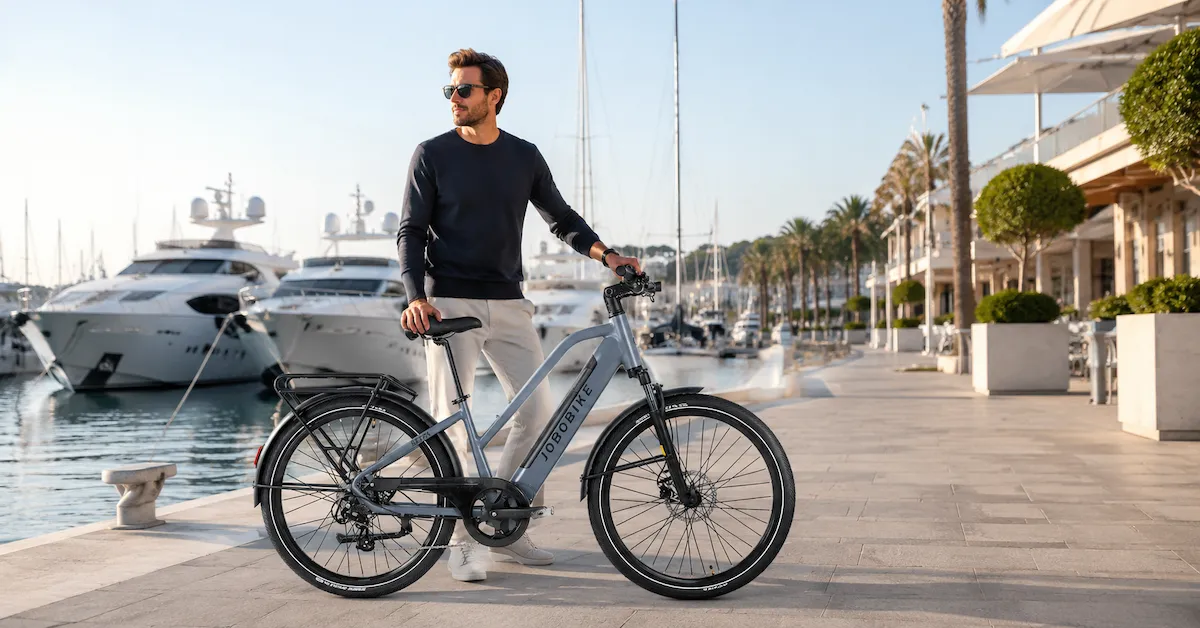
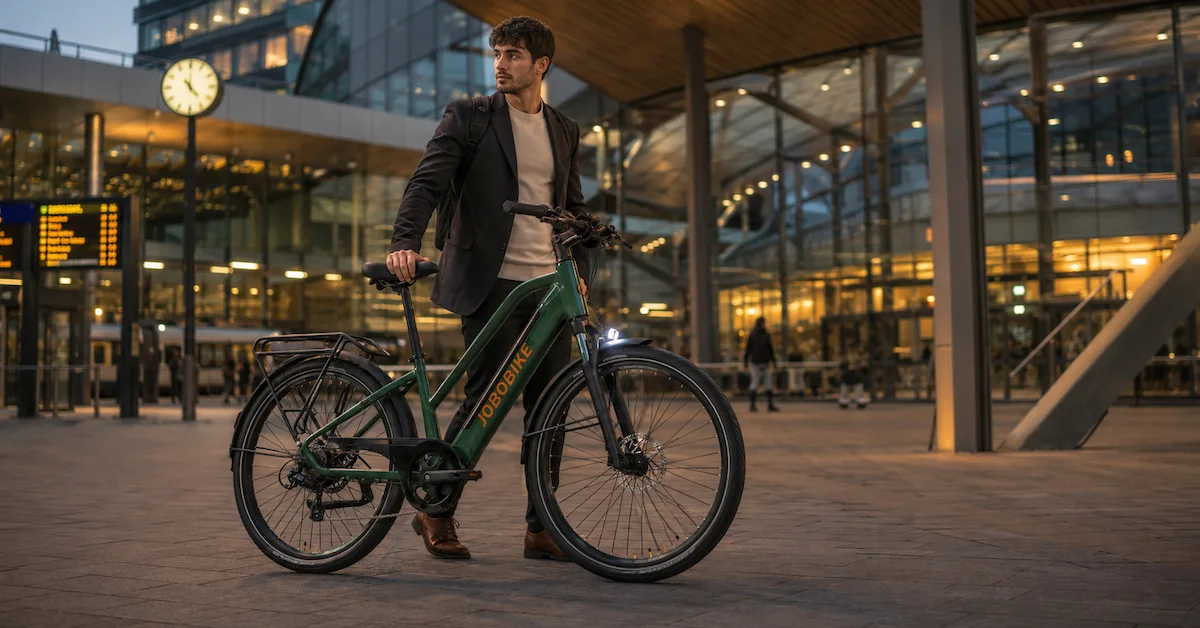
Joboev offers multiple electric mobility platforms for international B2B buyers, including city electric bikes, folding electric bikes, cargo electric bikes, electric mountain bikes, off-road models, shared electric bikes, electric tricycles, electric motorcycles, kid electric bikes, and e-bike frames. Buyers can review the available categories on the Joboev product page.
What Makes an Electric Bike Export Manufacturer Reliable?
A reliable electric bike export manufacturer should combine manufacturing capability with international order-management experience.
The manufacturer should be able to support:
- Market-specific product configurations
- Written specification confirmation
- OEM and private-label customization
- Battery and electrical system documentation
- Production and pre-shipment inspections
- Export-strength packaging
- Shipping document preparation
- Spare parts and warranty planning
- Repeat-order component consistency
- Clear English-language communication
The best export partner is not necessarily the factory offering the lowest unit price. It is the manufacturer that can deliver the approved product consistently and help the buyer reduce commercial risk.
Who Needs an Export-Focused E-Bike Manufacturer?
Different buyers require different levels of export support.
Importers and National Distributors
These buyers need predictable production, export packaging, documentation, container planning, spare parts, and products suitable for local dealers.
Private-Label E-Bike Brands
Brand owners need logo control, consistent colors, model naming, packaging, manuals, labels, and stable specifications across multiple production batches.
Wholesale and Retail Networks
Wholesale buyers require commercially practical models, reliable inventory replenishment, dealer-ready information, and manageable after-sales service.
E-Commerce Brands
Online sellers need accurate specifications, strong packaging, attractive product presentation, and repeatable quality to reduce returns and negative reviews.
Rental and Mobility Operators
Fleet buyers prioritize durable components, easy servicing, simplified maintenance, replaceable batteries, and long-term access to parts.
An export-focused factory is generally not intended for one-unit personal purchases. Its value comes from managing larger, repeatable B2B projects.
Which Electric Bike Models Are Suitable for Export Markets?
The right model depends on the destination market, customer group, road conditions, price positioning, and local requirements.
| Product Platform | Main Export Advantage | Suitable Buyers |
|---|---|---|
| City electric bike | Broad customer appeal and practical accessories | Distributors and commuter brands |
| Folding electric bike | Compact storage and flexible urban use | E-commerce and city retailers |
| Cargo electric bike | Commercial value and transport capacity | Delivery and logistics buyers |
| Electric mountain bike | Performance positioning and outdoor appeal | Sports and recreation brands |
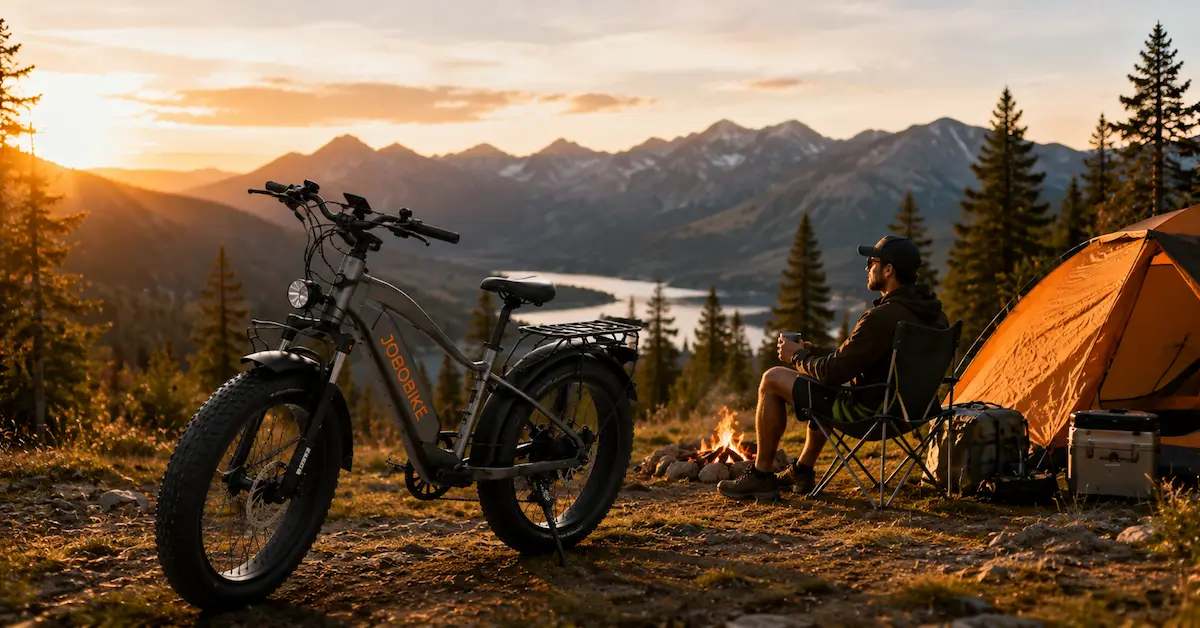
| Off-road electric bike | Wider tires and rugged construction | Adventure and rural markets |
| Shared electric bike | Durable design and simplified maintenance | Rental and mobility operators |
| Electric tricycle | Stability and utility applications | Commercial and mobility buyers |
| E-bike frame | Supports deeper product development | OEM and ODM projects |
New buyers should avoid selecting products only by appearance. A suitable export manufacturer should recommend a platform based on the buyer’s application, customer profile, expected retail price, and service capability.
How Should the Product Be Configured for the Destination Market?
A product that performs well in one market may not suit another. Export configuration should begin with the intended application.
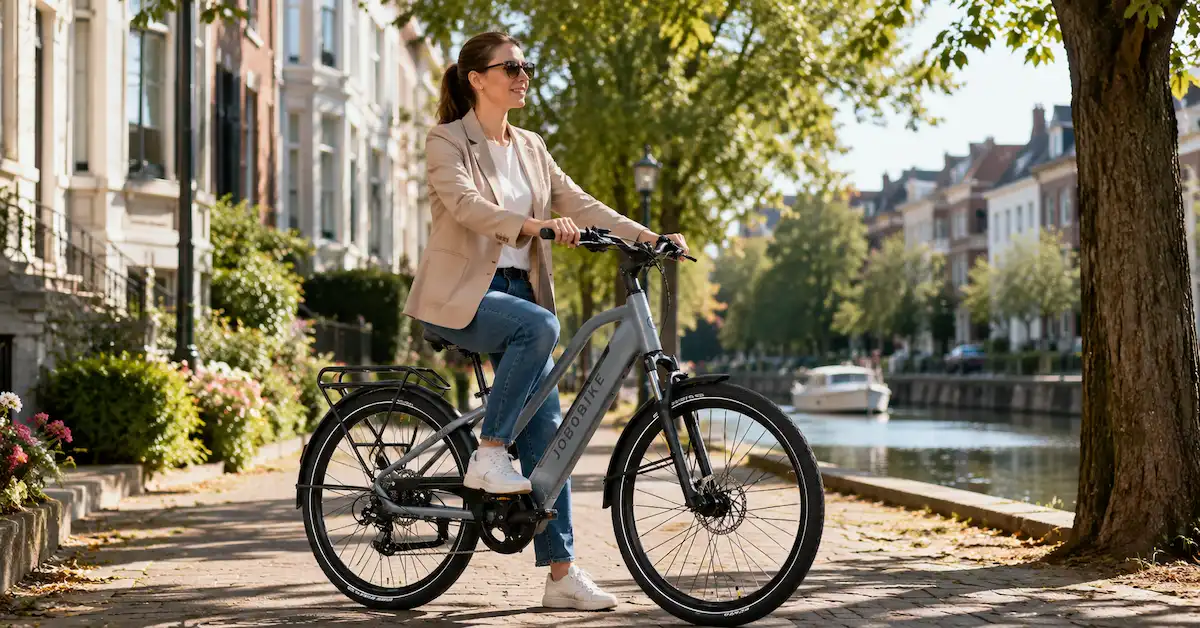
Urban Commuter Markets
Buyers may prioritize:
- Comfortable frame geometry
- Practical battery range
- Front and rear lighting
- Fenders and rear racks
- Easy battery removal
- Low-maintenance components
Delivery and Commercial Markets
Important considerations include:
- Frame and rack strength
- Braking performance
- Battery accessibility
- Payload requirements
- Tire durability
- Spare battery support
Outdoor and Adventure Markets
Buyers should evaluate:
- Motor characteristics
- Suspension
- Tire width and tread
- Frame durability
- Water-resistant electrical connections
- Serviceable components
Rental and Shared-Mobility Projects
Fleet operators often need:
- Simplified maintenance
- Durable frames
- Standardized components
- Easy replacement of frequently serviced parts
- Clear fleet spare-parts planning
The factory should explain how each component affects cost, performance, maintenance, and customer positioning.
Which Specifications Must Be Confirmed Before Sampling?
Every important detail should be recorded in a controlled specification sheet.
| Specification Area | Details to Confirm | Why It Matters |
|---|---|---|
| Motor system | Power, position, performance characteristics | Determines riding behavior and market fit |
| Battery system | Voltage, capacity, case, charger, mounting | Influences range, safety, and service |
| Frame | Material, geometry, finish, battery integration | Affects strength, comfort, and appearance |
| Brakes | Mechanical or hydraulic system | Influences safety and product positioning |
| Tires | Diameter, width, tread, puncture protection | Affects terrain use and packaging size |
| Display | Screen type, controls, assist settings | Affects user experience |
| Accessories | Lights, rack, fenders, basket, kickstand | Supports application requirements |
| Branding | Logo, model name, labels, colors | Protects brand consistency |
| Packaging | Carton, internal protection, manuals, tools | Reduces international transport damage |
The factory should not substitute approved components without written confirmation. An alternative part may change performance, appearance, pricing, warranty support, or repeat-order compatibility.
What Export Documents Should Buyers Discuss?
Document requirements depend on the destination country, product specification, battery system, charger, transportation method, and local regulations.
Before approving the order, discuss:
- Commercial invoice
- Packing list
- Product specification sheet
- Battery transport documentation
- Applicable battery test information
- Charger documentation
- Country-of-origin documents when required
- Product labels
- User manuals
- Required market-specific test reports
- Shipping marks and carton labels
The manufacturer should be transparent about which documents are available and which additional tests or third-party services may be required.
Buyers should confirm these requirements before production rather than trying to solve compliance problems after the order is completed.
How Does a Professional Export Order Process Work?
A controlled export project should include clear milestones.
Step 1: Market and Buyer Requirement Review
The buyer provides the destination market, intended application, customer group, quantity, budget, preferred models, and launch schedule.
Step 2: Model and Configuration Proposal
The factory recommends suitable platforms and explains the effect of different batteries, motors, brakes, tires, displays, and accessories.
Step 3: Written Specification Confirmation
Both parties approve:
- Bill of materials
- Technical configuration
- Color references
- Logo artwork
- Labels
- Packaging
- Manuals
- Included accessories
Step 4: Sample Production and Evaluation
The sample should be checked for:
- Appearance
- Riding behavior
- Electrical functions
- Component quality
- Branding
- Packaging
- Assembly requirements
Step 5: Pre-Production Confirmation
The factory reconfirms the specification, artwork, order quantity, spare parts, packaging, and inspection requirements.
Step 6: Bulk Production
Production should follow the approved sample and written component list.
Step 7: Final Inspection
The factory checks product functions, appearance, packaging, accessories, and order quantities before shipment.
Step 8: Export and Shipment Preparation
The manufacturer prepares cartons, pallet or container arrangements, shipping marks, documents, and loading information.
What Quality Checks Should an Export Manufacturer Perform?
International orders require consistent factory control because returning defective products is expensive and time-consuming.
Important checks include:
Incoming Component Inspection
- Frame and fork condition
- Motor and controller verification
- Battery appearance and function
- Charger and display checks
- Brake and drivetrain components
Assembly Process Inspection
- Wiring and connector installation
- Cable routing
- Fastener torque
- Brake adjustment
- Wheel alignment
- Gear shifting
- Accessory installation
Finished-Bike Testing
- Battery charging
- Motor and assist operation
- Display functions
- Brake performance
- Lighting
- Riding stability
- Noise and vibration
- Appearance and branding
Packaging Inspection
- Carton condition
- Internal foam or protective materials
- Wheel and frame protection
- Charger and accessory placement
- Manual and tool inclusion
- Shipping labels
Ask whether the manufacturer can provide inspection photos, videos, records, or third-party inspection support.
How Should Export Packaging Be Evaluated?
Retail packaging may not be strong enough for long-distance international transport.
A professional export package should protect:
- Frame paint
- Fork and handlebars
- Wheels and brake discs
- Battery and charger
- Display and controls
- Fenders and racks
- Loose accessories
Buyers should confirm:
- Carton dimensions and weight
- Internal protection method
- Degree of pre-assembly
- Tools included
- Pallet requirements
- Container loading quantity
- Handling and storage instructions
Better packaging may slightly increase the unit cost but can significantly reduce transport damage, replacement costs, and customer complaints.
How Can Buyers Compare Export Quotations Correctly?
Two quotations may appear similar while covering different components and services.
Compare the following line by line:
- Motor specification
- Battery capacity and cell information
- Charger
- Frame material
- Brake system
- Tires
- Display and controller
- Lighting
- Rack and fenders
- Branding
- Packaging
- Spare parts
- Inspection
- Documentation
- Delivery terms
The lowest quotation may exclude stronger packaging, higher-grade components, spare parts, documentation, or customization.
The real sourcing cost includes not only the factory price but also:
- Warranty claims
- Delayed product launches
- Transport damage
- Replacement-part shortages
- Customer complaints
- Brand reputation damage
What OEM and Private-Label Support Adds Export Value?
A capable electric bike export manufacturer should help buyers build recognizable and serviceable products.
Common OEM options include:
- Frame and battery logos
- Custom frame colors
- Model names
- Display branding
- Carton design
- Manuals and labels
- Motor and battery configuration
- Tire and brake selection
- Commuter or cargo accessories
- Dealer spare-parts packages
For new brands, phased customization is often the safer strategy:
- Select a mature product platform.
- Customize branding and key components.
- Test the target market.
- Collect customer and dealer feedback.
- Improve the next production batch.
- Develop a more exclusive model after demand is proven.
This approach reduces tooling and inventory risk while still creating brand differentiation.
How Should Lead Time and Repeat Orders Be Managed?
Export orders should use a milestone-based schedule rather than one general delivery estimate.
Ask the factory to provide estimated dates for:
- Specification confirmation
- Artwork approval
- Component preparation
- Sample completion
- Sample revisions
- Production start
- Final inspection
- Packing
- Shipment readiness
Repeat orders should also be planned around component availability. Buyers should ask:
- Will approved components remain available?
- How will substitutions be communicated?
- Can the factory reserve critical components?
- Is the same color and packaging repeatable?
- Are spare parts available separately?
Stable repeat production is one of the strongest indicators of a dependable export partner.
What After-Sales Support Should Export Buyers Arrange?
After-sales support should be discussed before the first shipment.
A practical support plan may include:
- Spare batteries
- Chargers
- Displays
- Controllers
- Brake components
- Lights and wiring
- Tires and tubes
- Racks and fenders
- Troubleshooting guides
- Technical diagrams
- Warranty procedures
The spare-parts quantity should reflect the order size, product complexity, and local service capability.
For distributor and dealer networks, access to replacement parts can be as important as the original bicycle price.
Why Consider Joboev as an Electric Bike Export Manufacturer?
Joboev provides multiple product platforms for global B2B buyers, allowing importers, distributors, brands, and mobility companies to select models based on different applications.
Buyers can learn more about the company through the Joboev About Us page, compare available products on the product page, and review additional purchasing guidance in the Joboev blog.
To receive a more accurate recommendation and quotation, prepare:
- Destination market
- Preferred electric bike category
- Estimated quantity
- Intended application
- Battery and motor requirements
- Branding needs
- Packaging requirements
- Target delivery schedule
Submit these details through the Joboev Contact Us page.
FAQ
1. What is an electric bike export manufacturer?
An electric bike export manufacturer produces and prepares electric bicycles for international B2B orders, including product configuration, manufacturing, testing, packaging, documentation, and shipment support.
2. How is an export manufacturer different from a local supplier?
An export manufacturer should understand international packaging, documentation, battery transport requirements, buyer communication, and repeat-order management.
3. Can an export manufacturer produce private-label e-bikes?
Yes. Private-label options may include logos, colors, model names, labels, manuals, packaging, and selected technical configurations.
4. What documents are required to export electric bikes?
Requirements vary by destination and product configuration. Buyers should confirm commercial documents, battery transport information, charger documentation, labels, manuals, and required market-specific reports.
5. How can I verify bulk-order quality?
Use an approved sample, written specification sheet, component list, production inspection, pre-shipment photos or videos, and third-party inspection when appropriate.
6. Can manufacturers change components during production?
Changes should only be made after the buyer reviews and approves the proposed replacement in writing.
7. What electric bikes are suitable for export distribution?
City, folding, cargo, mountain, off-road, shared, and tricycle platforms can all be suitable when configured for the destination market.
8. How long does an export order take?
The schedule depends on the model, customization, sample revisions, quantity, component availability, inspection, and packaging requirements.
9. Should spare parts be included with the first order?
Yes. A planned spare-parts package can improve local service and reduce customer downtime.
10. How can I request an export quotation from Joboev?
Send the destination market, preferred model, quantity, configuration, branding, packaging, and delivery requirements through the Joboev contact page.
Conclusion
Choosing an electric bike export manufacturer requires a broader evaluation than comparing product photos and unit prices.
A reliable export partner should help buyers:
- Select suitable products
- Lock technical specifications
- Validate samples
- Control bulk production
- Prepare export documentation
- Protect products during shipment
- Provide spare parts
- Maintain repeat-order consistency
For importers, distributors, and private-label brands, these capabilities reduce commercial risk and support long-term market growth.
Explore Joboev electric bike products and contact Joboev with your destination market, required models, order quantity, and customization needs.